



Articles
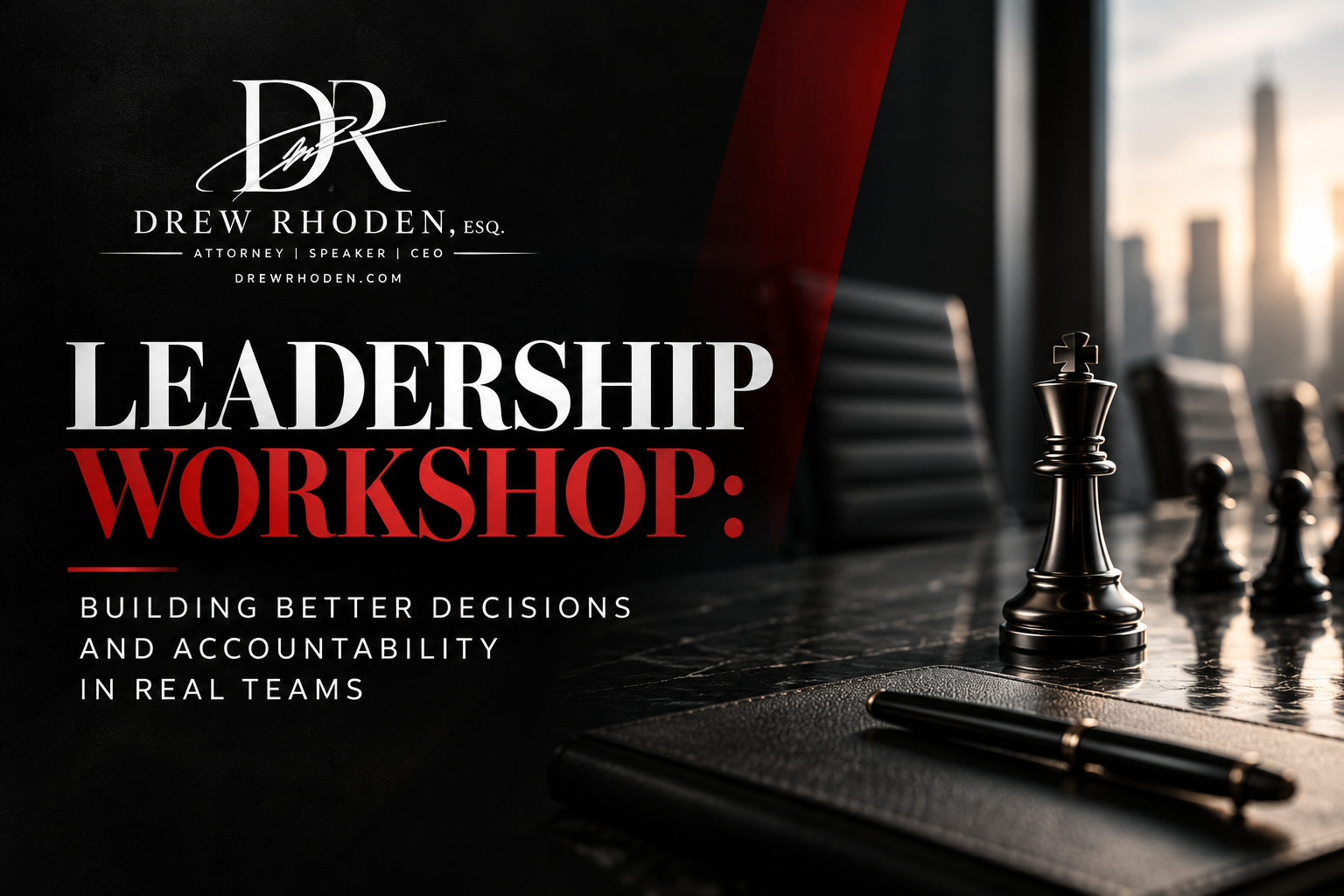
Introduction: A Leadership Workshop Built for Real Executive Outcomes Most leadership training fails to change how people actually lead. In 2026, executive teams, senior leaders, and first time managers face real accountability and decision-making challenges that generic motivation can't solve. This leadership workshop is designed to close that gap by focusing on leadership accountability, executive decision-making, and building high performing teams through structured, practice-based sessions. The format adapts to what the organization needs: a leadership workshop for managers stepping into new roles, an executive leadership workshop for cross-functional alignment, or a team leadership training session embedded in a company offsite or industry event. Each version blends short research-backed teaching segments with engaging activities and facilitated discussion. There are no long lectures. The outcomes are measurable. Participants leave with concrete commitments they can act on in the next 90 days: faster decisions, clearer ownership, and stronger organizational communication across their teams. What a Leadership Workshop Should Accomplish A modern leadership development workshop is not a feel-good event. It's an intervention designed to produce behavior change that ties directly to current business priorities: product launches, restructures, 2026 growth targets, or cross-functional realignment. The best leadership training programs are outcome-focused, context-specific, and built around what the team actually needs to decide and deliver this quarter. Here are the concrete outcomes leaders should expect from a well-designed session: Sharper decision-making: reducing delays, clarifying ownership, and accelerating trade-off discussions. Visible leadership accountability: clear expectations, follow-up mechanisms, and mutual commitments. Clearer team agreements: alignment on roles, decision rights, and conflict norms. Higher psychological safety: the ability to name tension, ask questions, and admit uncertainty without penalty. Improved cross-functional alignment: fewer silos, clearer dependencies, and faster handoffs. These outcomes connect directly to metrics like project cycle time, employee engagement scores, and retention of high-potential leaders. Consider that managers are responsible for 70% of employee engagement variance and only 15% of employees feel enthusiastic about their organization's leadership. Effective leadership is essential for creating a positive company culture, and companies investing in manager development see a 16% increase in engagement. Strong leadership development workshops change how leaders run meetings and make calls this quarter. They are part of a broader learning journey, not a one-off event, but even a single session must stand on its own with tangible next steps and commitments that participants carry forward.
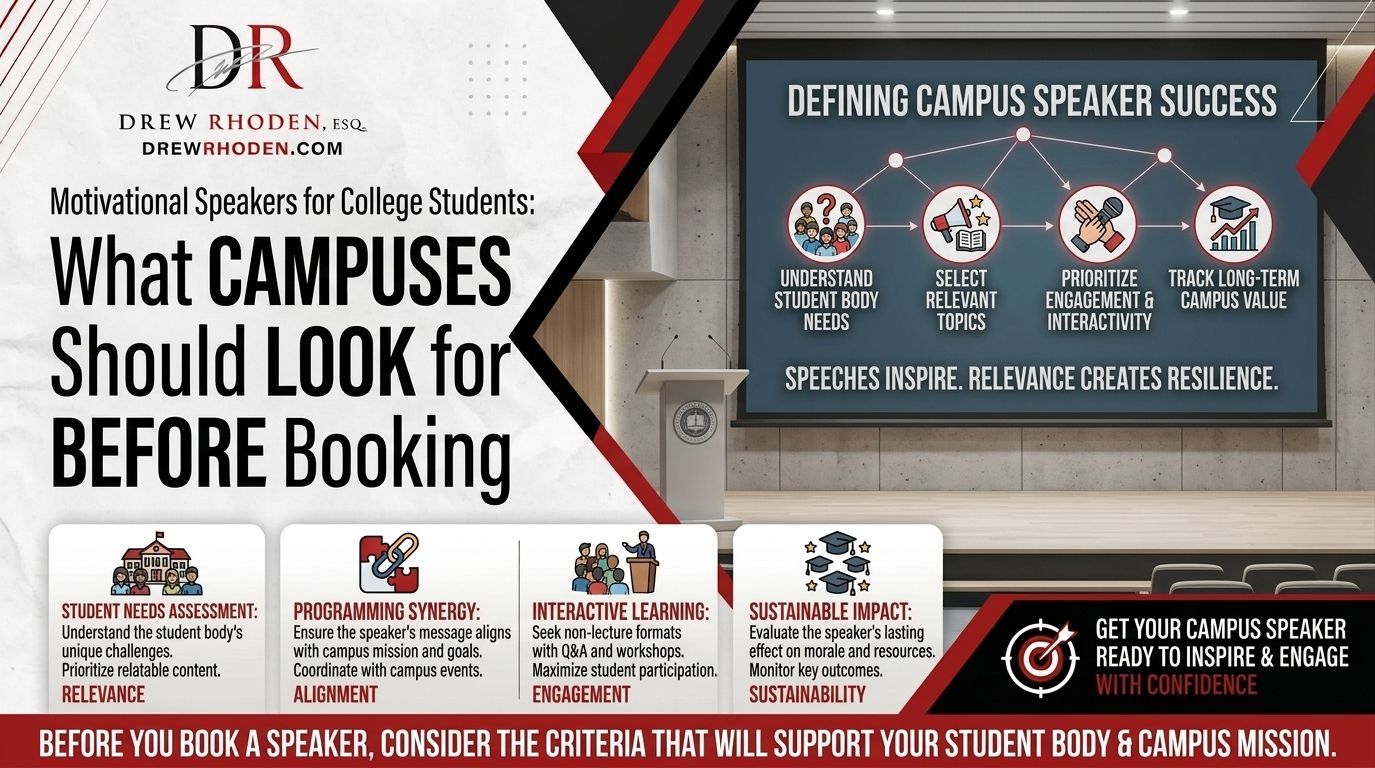
Discover what campuses should look for when booking motivational speakers for college students, from audience fit and engagement to measurable outcomes.
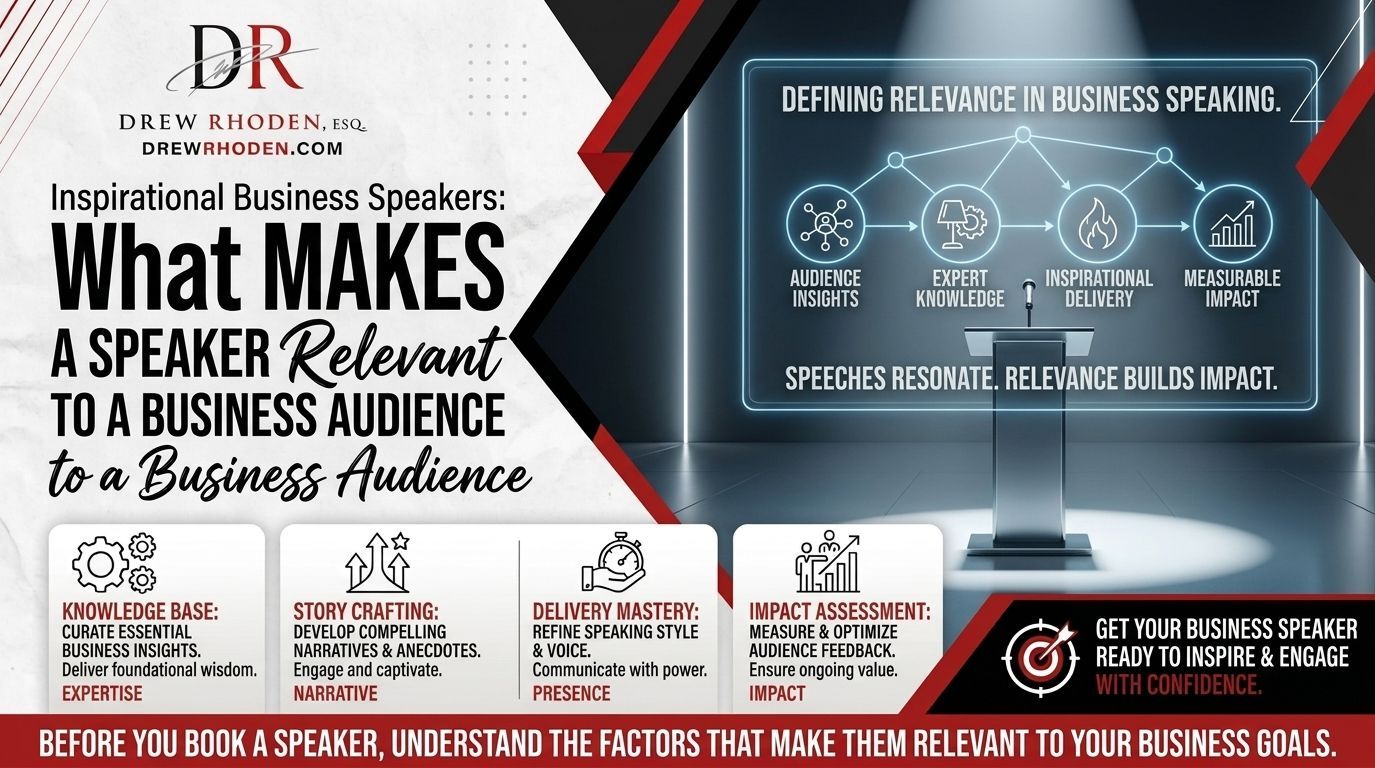
Discover what makes inspirational business speakers relevant to corporate audiences and how the right speaker connects leadership, resilience, and performance.
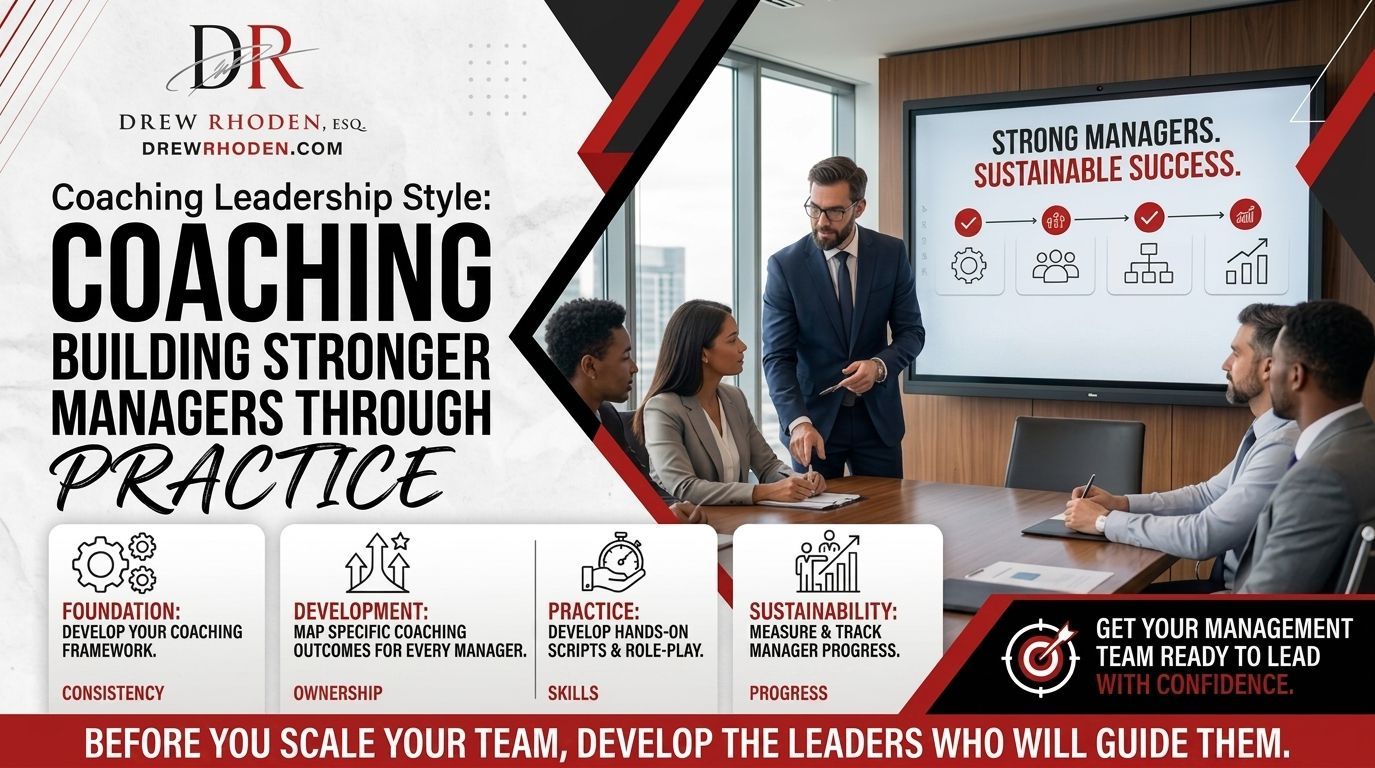
Discover how a coaching leadership style helps managers build stronger teams through active listening, feedback, accountability, and practical development.
Strengthen the keynote speaker hub around audience fit, subject authority, business relevance, presentation format, measurable outcomes, and event alignment.
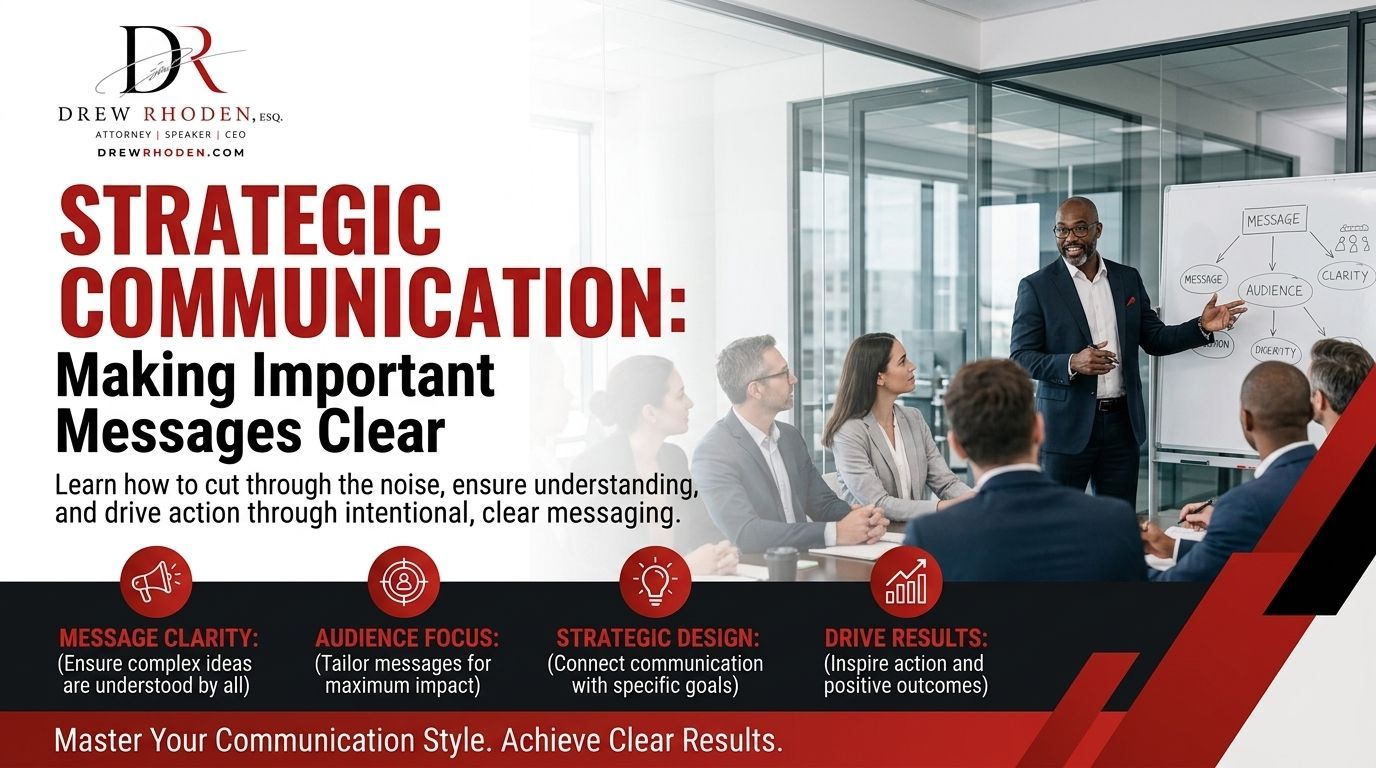
Learn how strategic communication helps leaders deliver clear messages, align teams, build trust, manage change, and improve decision-making. Drew Rhoden.
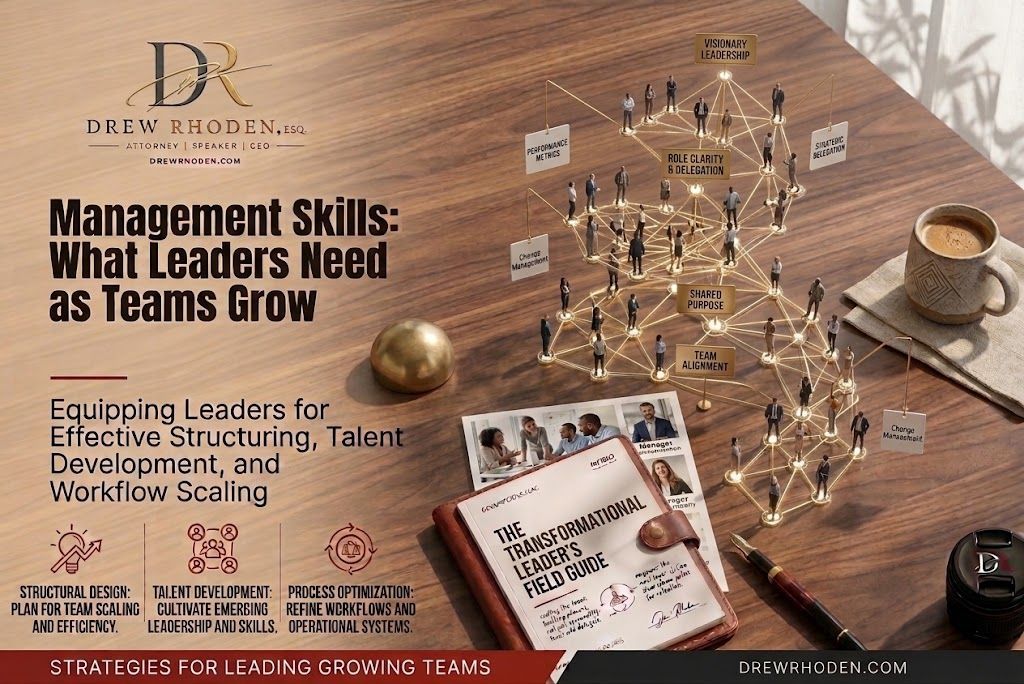
Discover the management skills leaders need as teams grow, including communication, delegation, decision-making, accountability, and emotional intelligence.
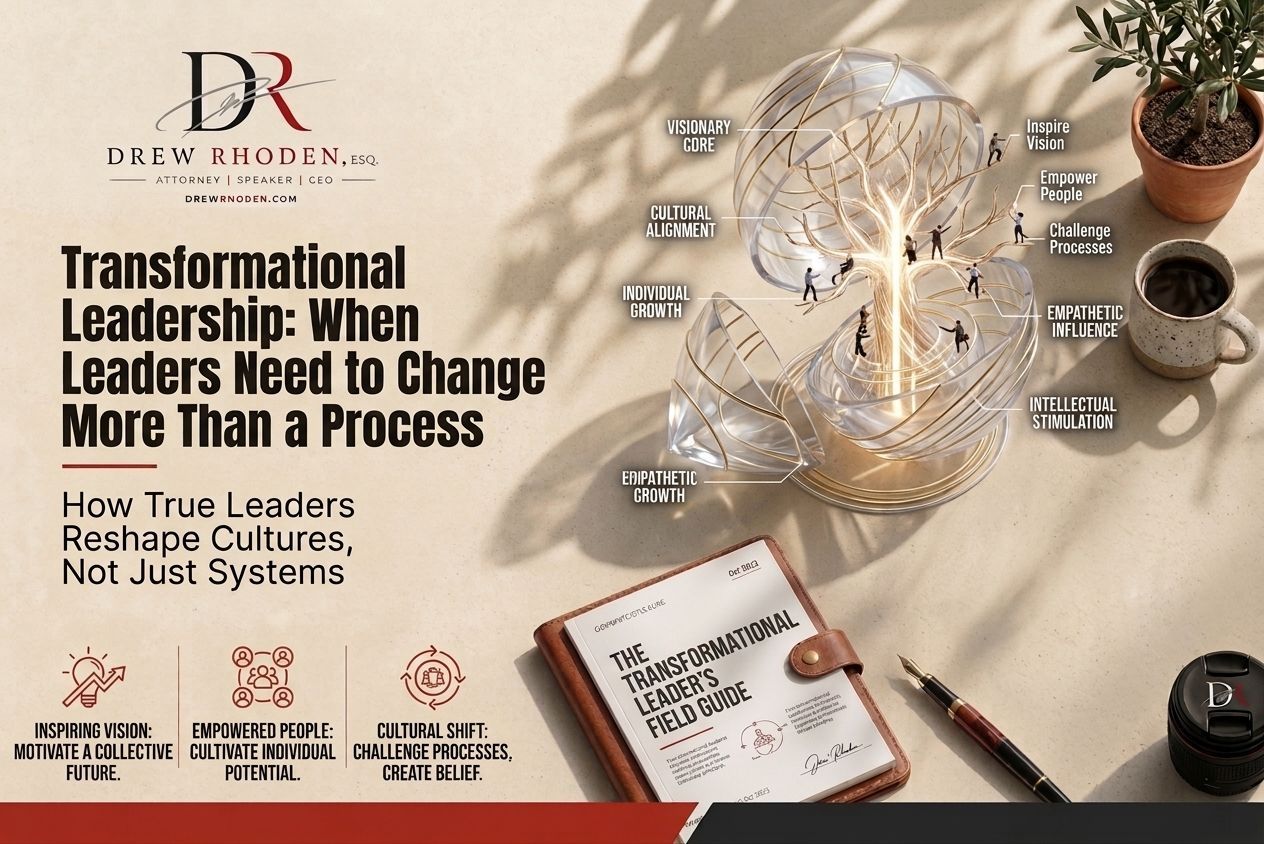
Discover how transformational leadership helps leaders reshape mindset, behavior, trust, and culture to inspire meaningful and lasting organizational change.
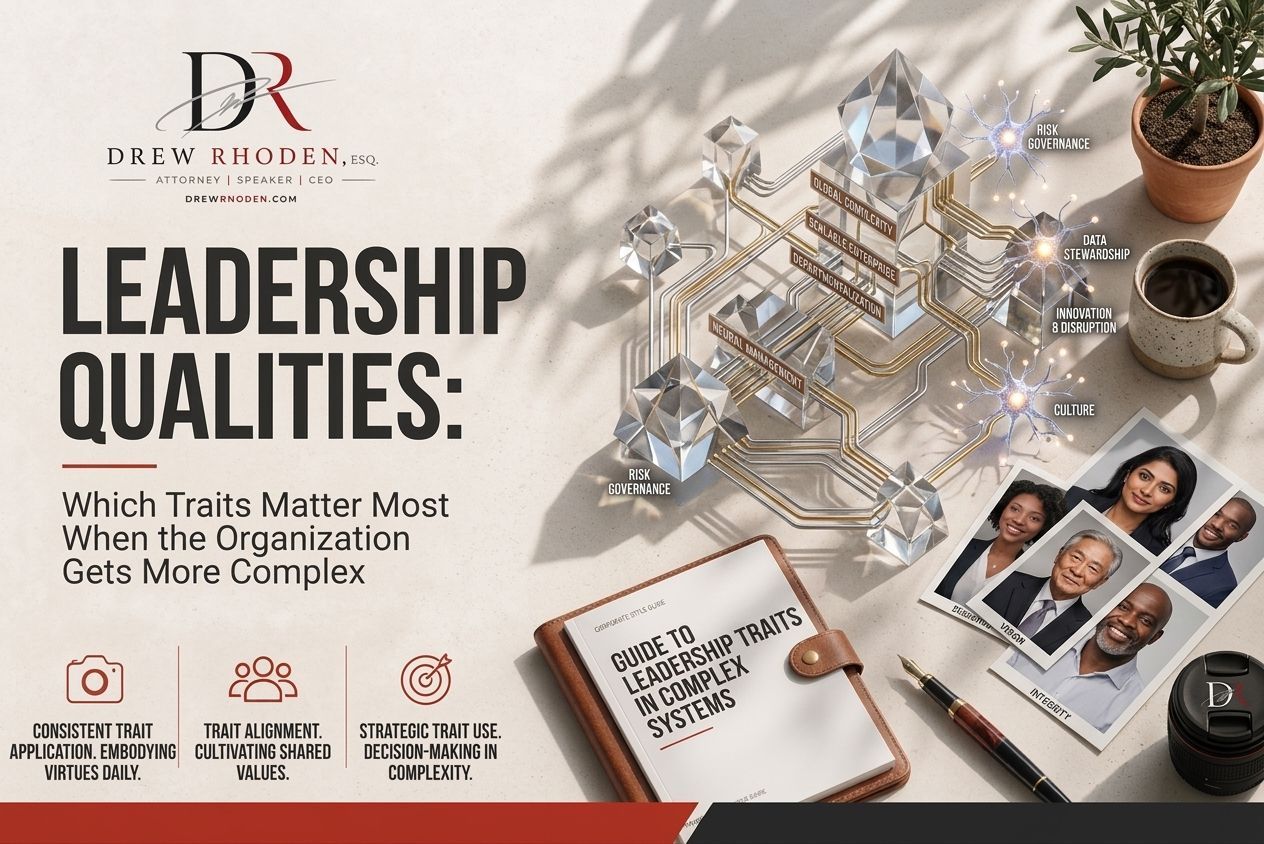
Discover the leadership qualities that matter most as organizations grow, including judgment, clarity, accountability, communication, courage, and self-awareness.
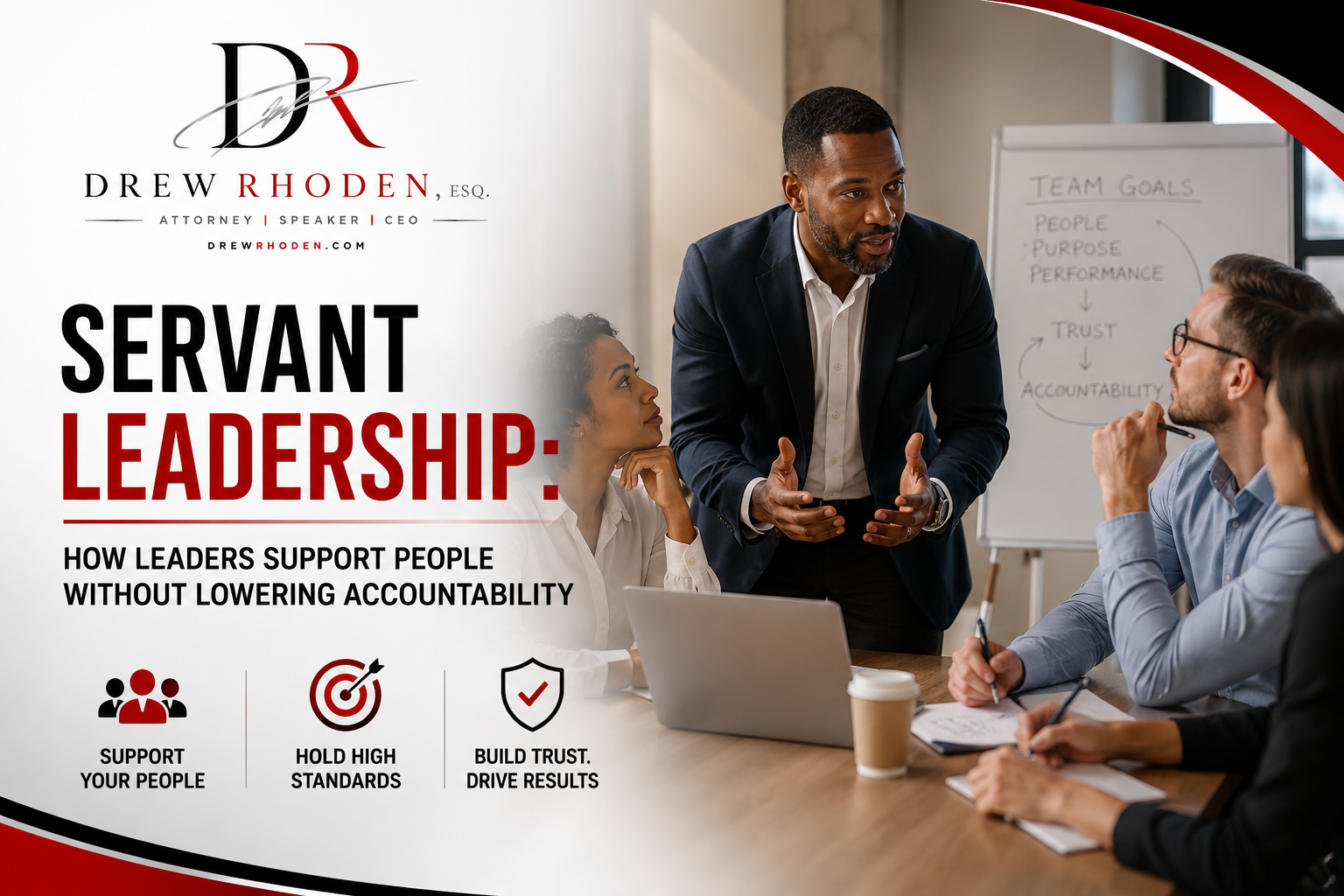
Explore servant leadership as a practical model for service, trust, development, standards, and accountability without lowering expectations. Drew Rhoden.
Discover how thought leadership helps experts build authority, earn trust, share original ideas, and increase visibility without relying on self-promotion.
Learn how executive leadership shapes enterprise-wide decisions, strengthens accountability, aligns teams, and guides organizations through complex change.
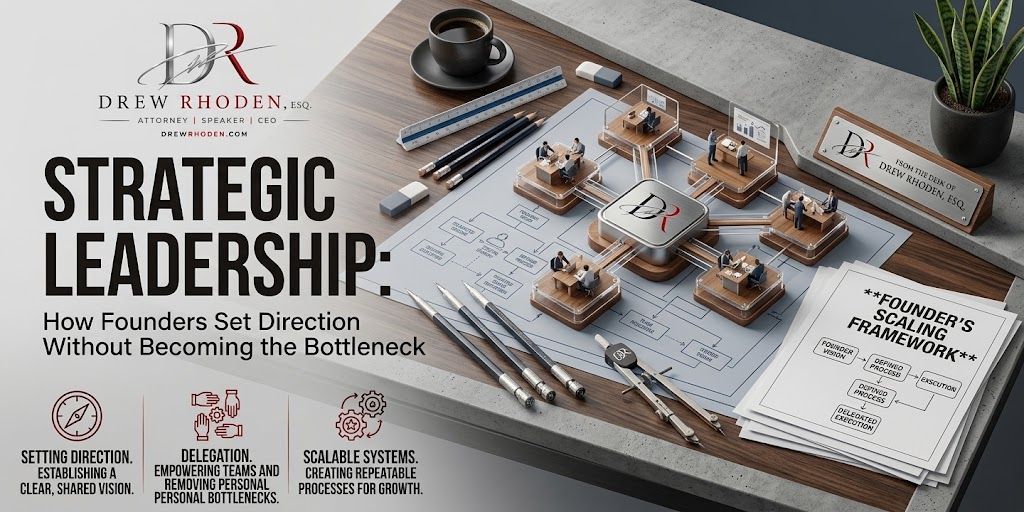
Discover how strategic leadership helps founders set clear direction, delegate decisions, empower teams, and scale growth without becoming the bottleneck. Masterly
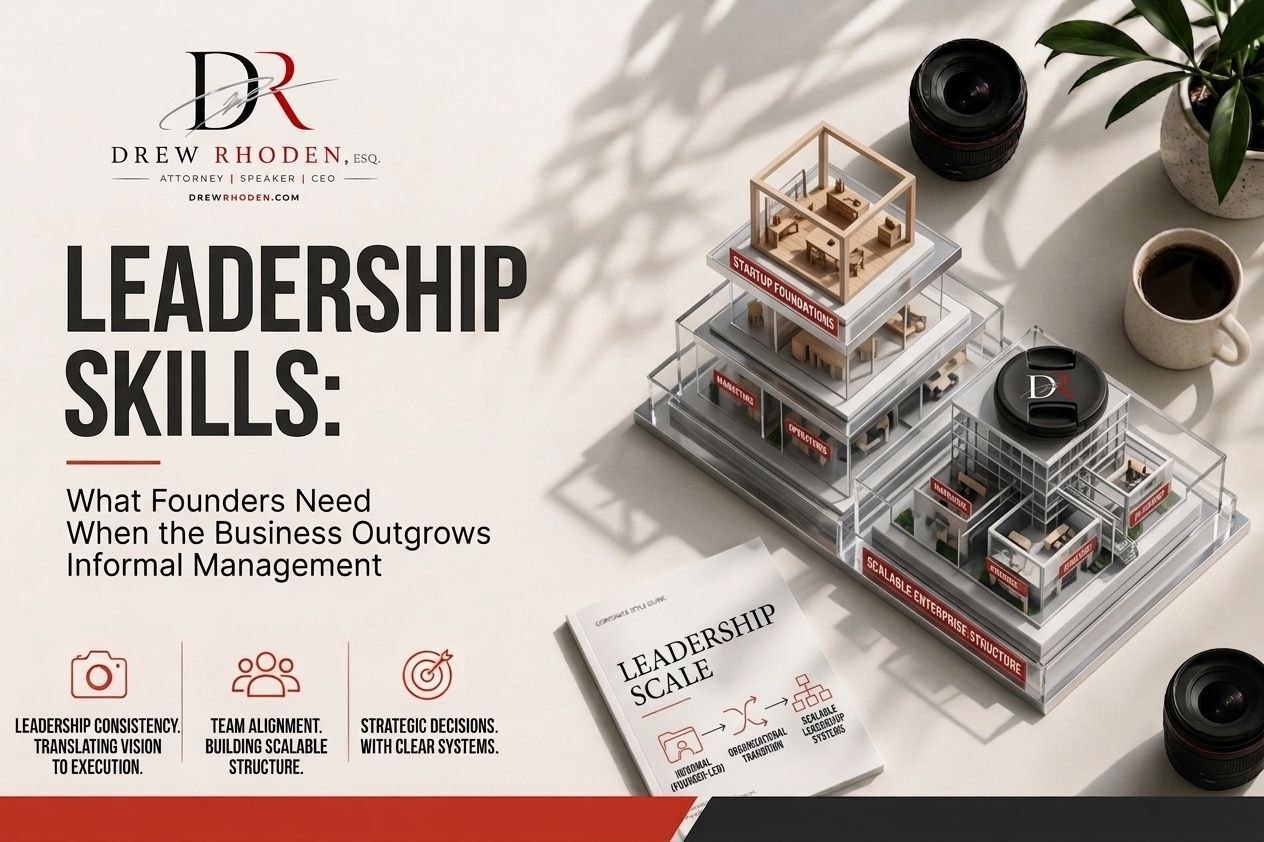
Learn the leadership skills founders need to improve delegation, communication, accountability, and decision-making as their growing business scales. Masterly
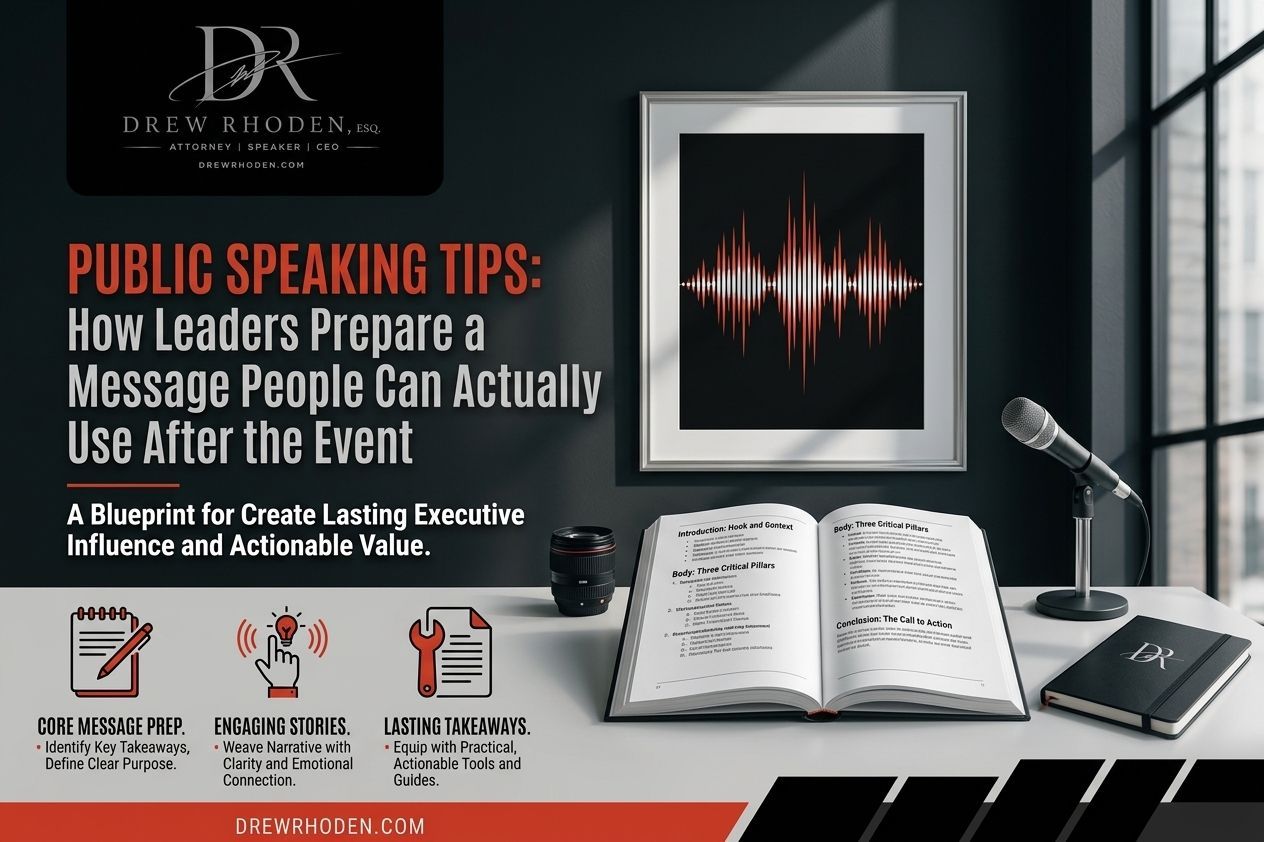
Discover public speaking tips to help leaders craft clear, memorable messages, engage audiences, build confidence, and inspire action after the event. Masterly
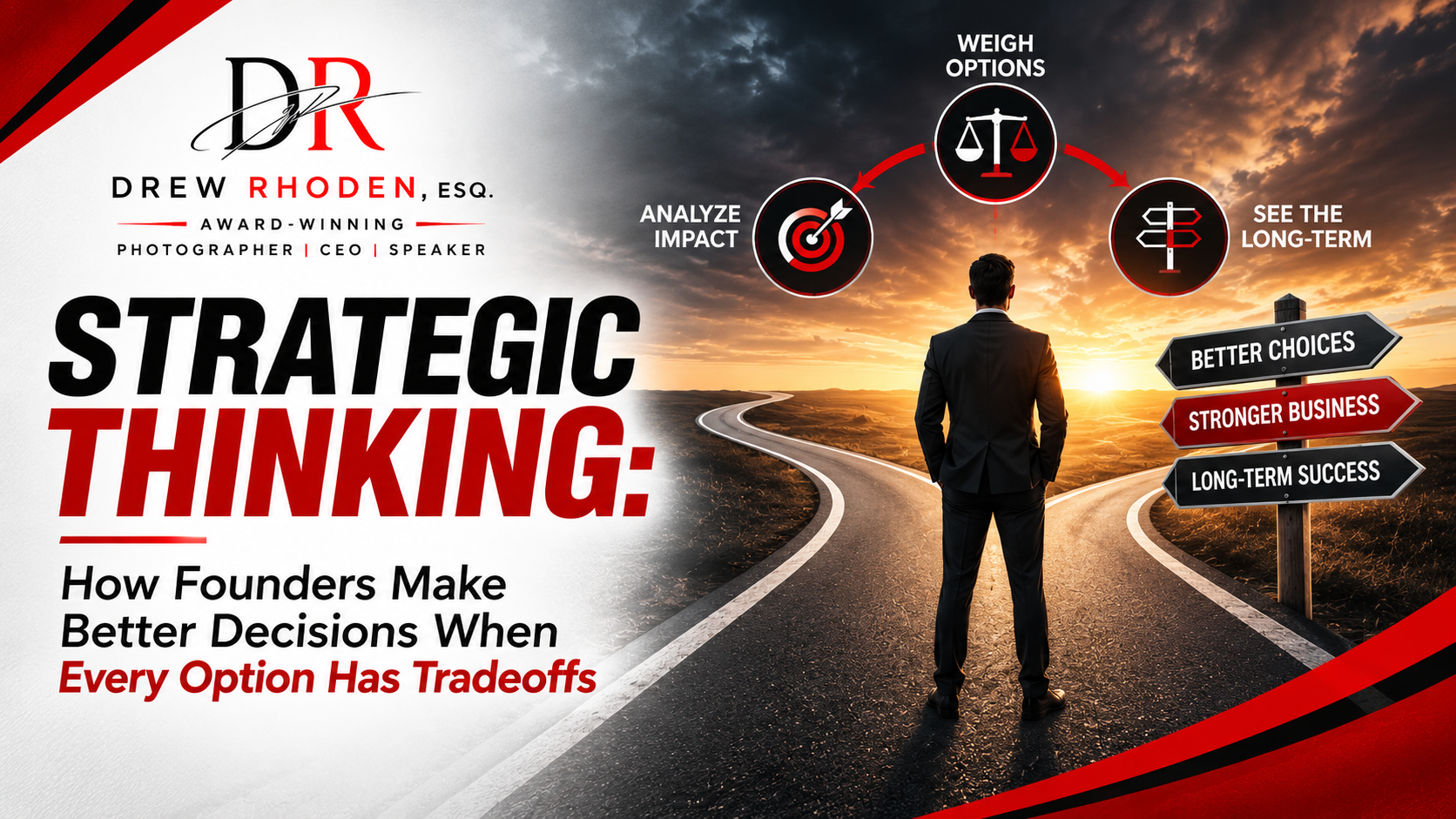
Learn how founders use strategic thinking to weigh tradeoffs, prioritize decisions, test assumptions, and confident choices that support a long-term business growth.
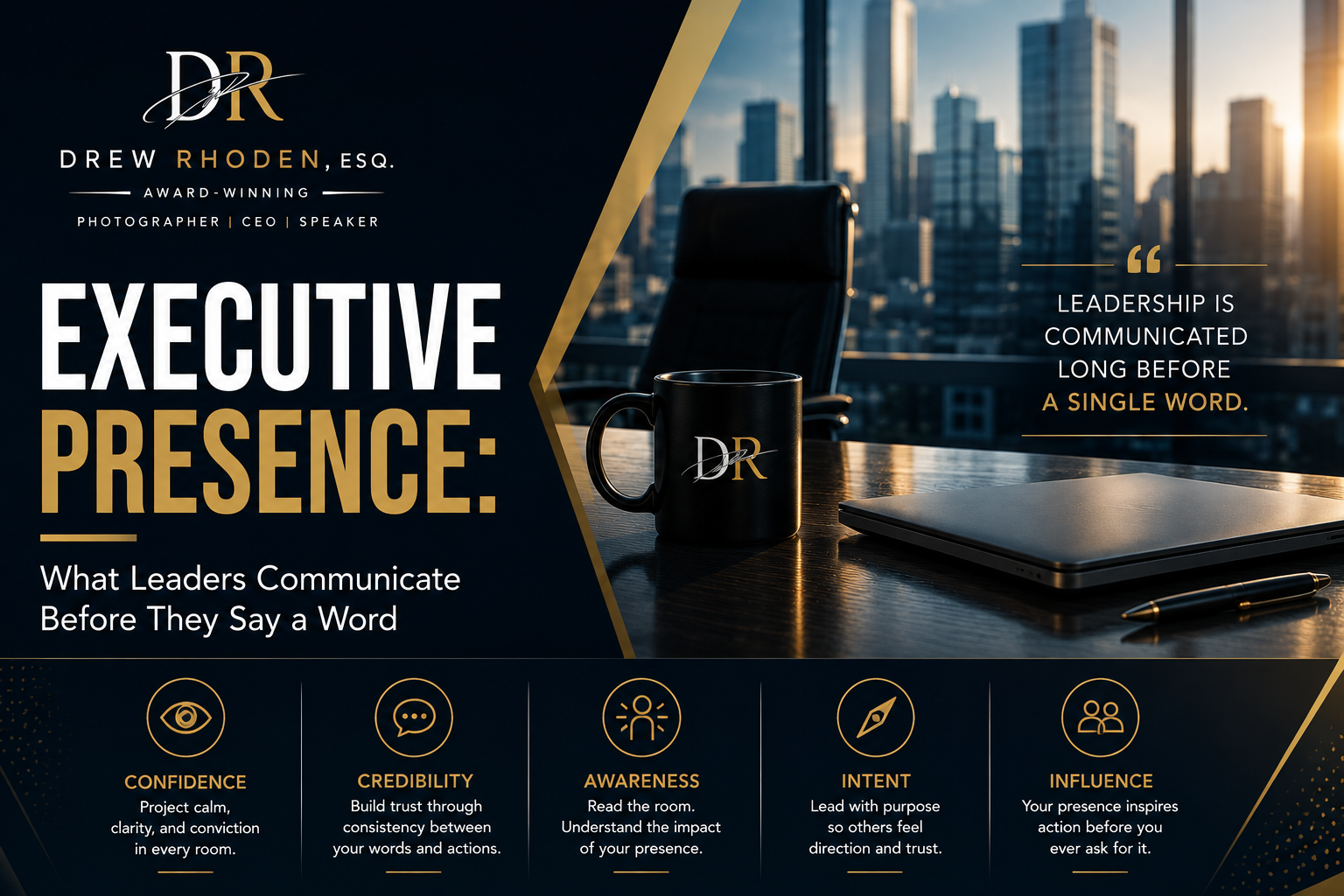
Build executive presence through credibility, composure, emotional intelligence, clear communication, and confident leadership in high-stakes.

Discover practical small business tips to strengthen cash flow, systems, delegation, operations, metrics, and customer experience.

Build an entrepreneur mindset that protects clarity, strengthens decision-making, helps founders lead with discipline as their businesses grow successfully now.

Learn how to delegate effectively, identify what founders should hand off, empower your teams, reduce bottlenecks, and build a business that scales sustainably.

Learn how CEO responsibilities change when founders become chief executives, covering strategy, capital allocation, leadership, culture, governance, risk, growth.

Learn a practical business decision-making framework to help owners & executives evaluate risks, prioritize choices, reduce decision fatigue & lead with confidence.
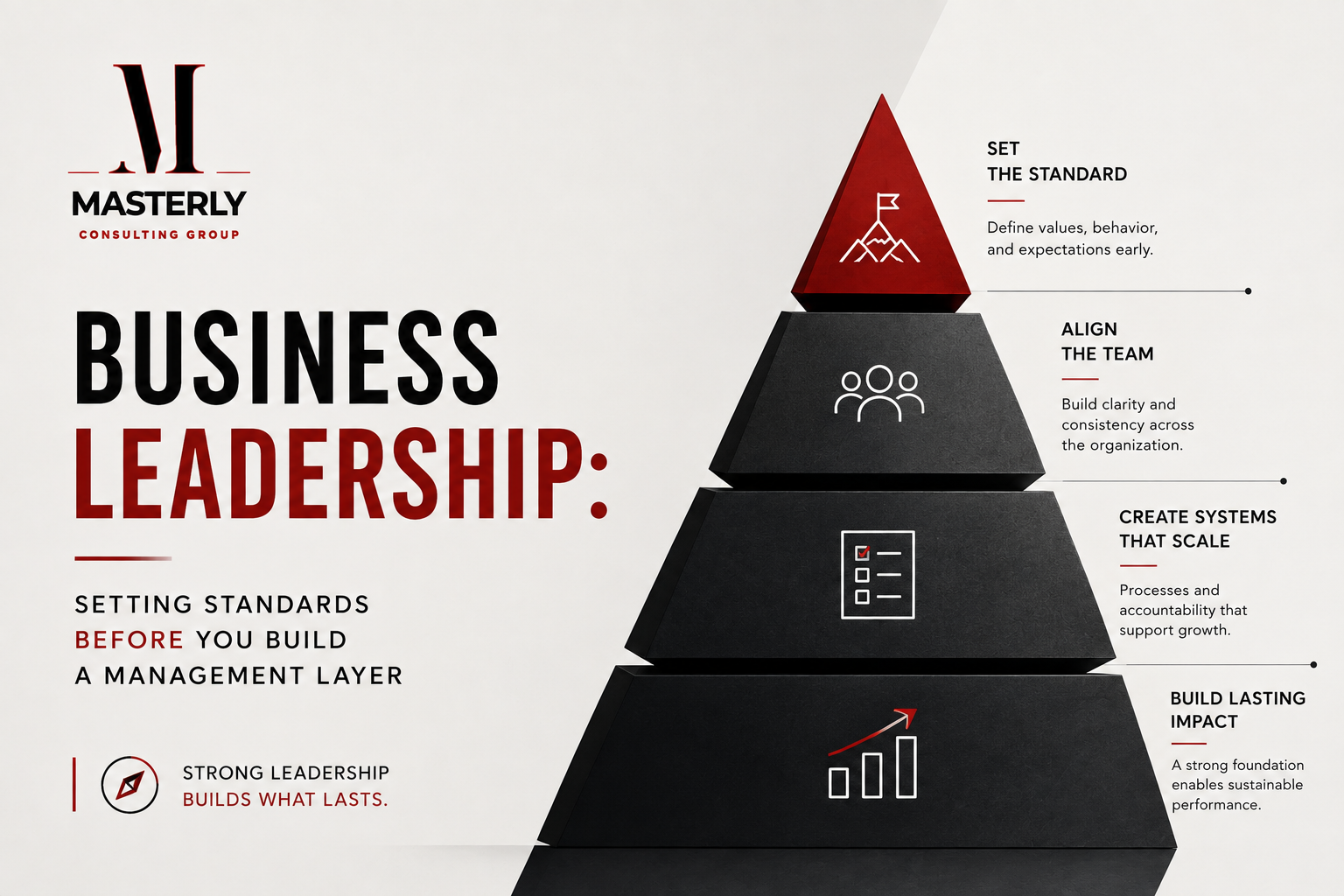
Learn how expectations, accountability, communication, and company culture can create a stronger foundation for sustainable growth and effective management.
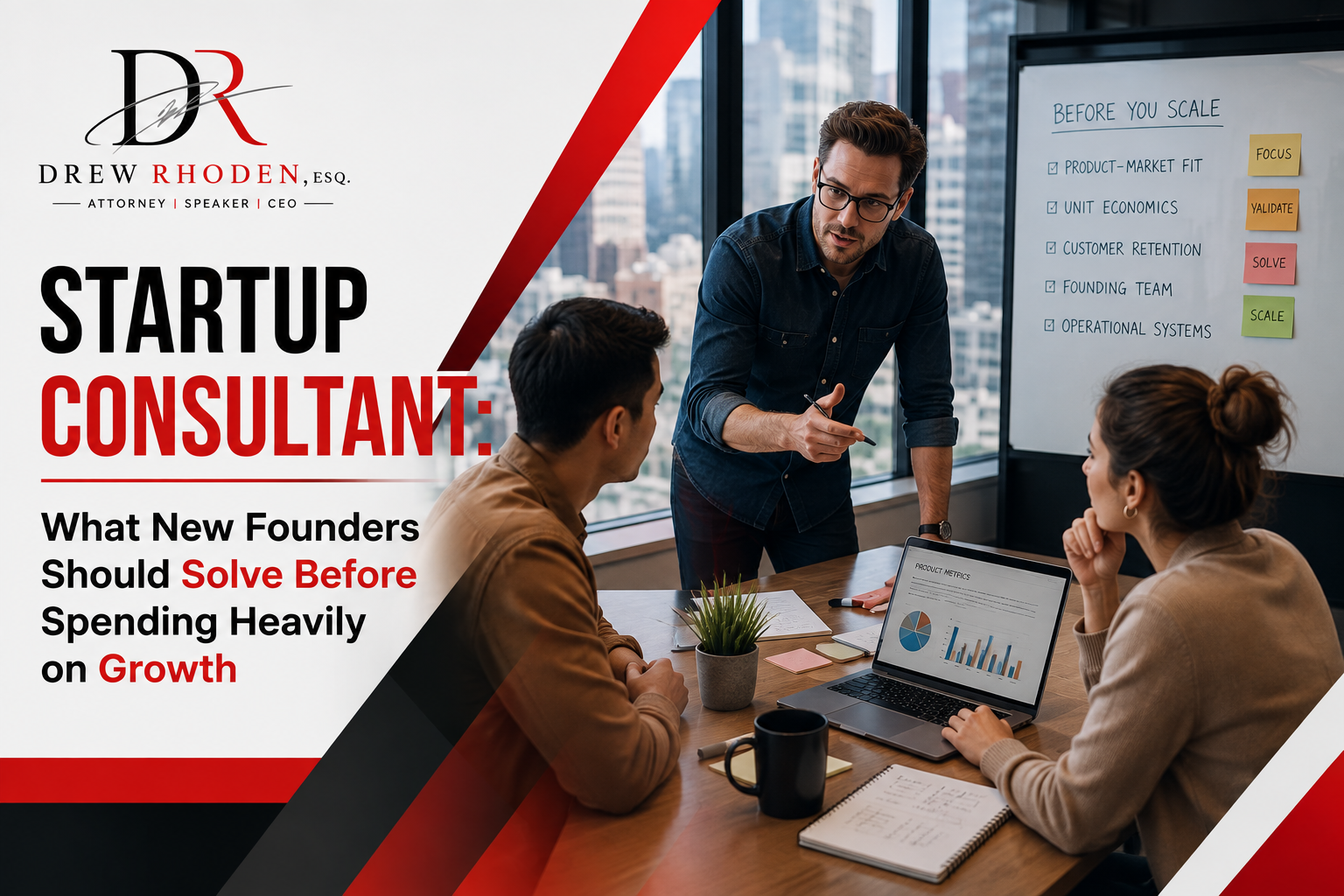
Learn what new founders should solve before scaling growth, from customer clarity and financial planning to legal structure, brand, systems, and demand.

Founder coaching helps business owners gain clarity, strengthen leadership, navigate high-stakes decisions & grow confidently with an experienced strategic.

Discover when a business strategist adds outside perspective, clarifies complex tradeoffs, evaluates key risks, and helps leaders make smarter decisions.
Discover what founders should expect from business advisory services, including strategic planning, growth, financial management, risk, and succession guidance.
Looking for a business mentor? Connect through DrewRhoden.com for founder advisory, executive guidance, accountability, business strategy, and speaking inquiries.
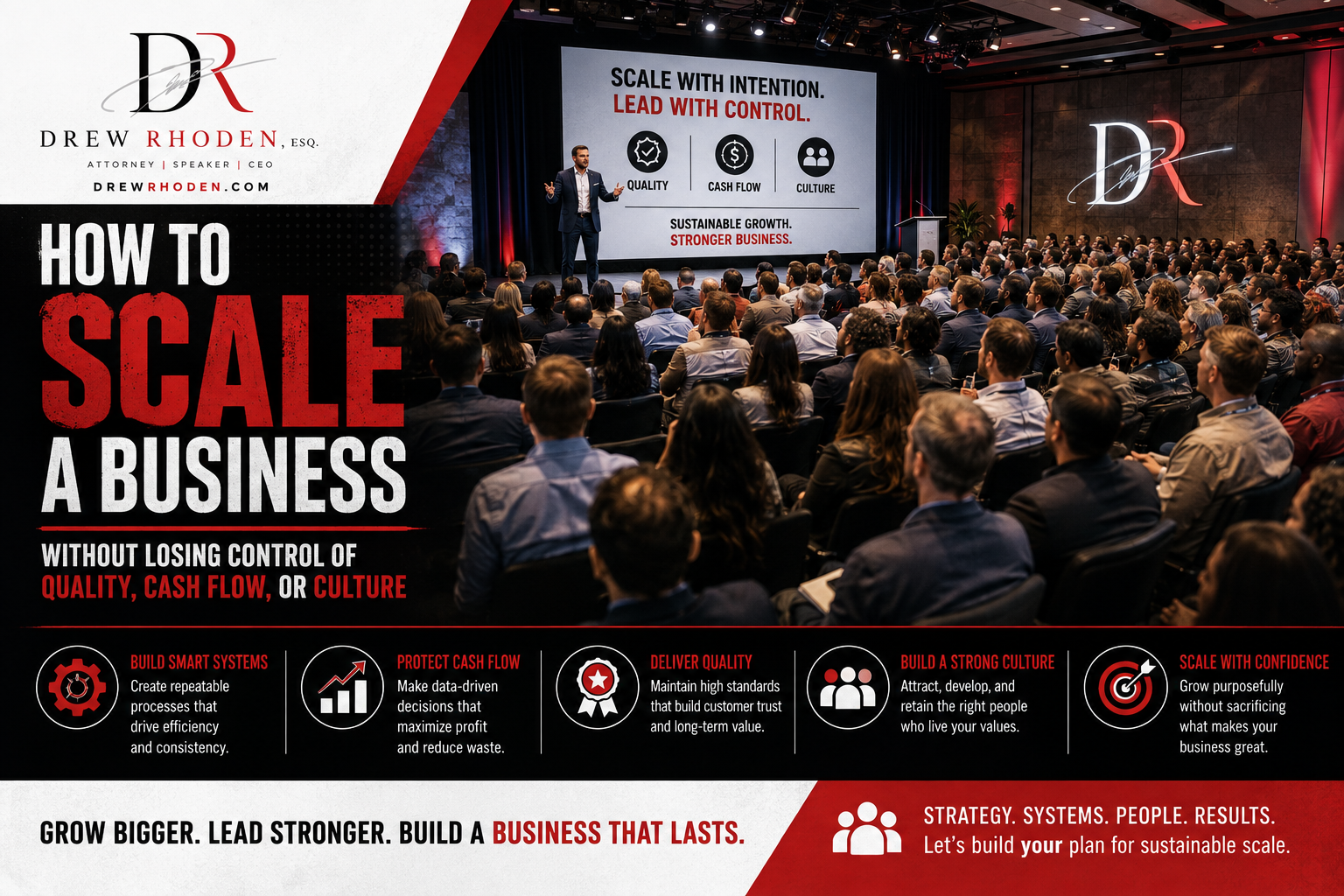
Learn how to scale a business while protecting quality, cash flow & culture with practical strategies for systems, leadership, hiring & sustainable growth.
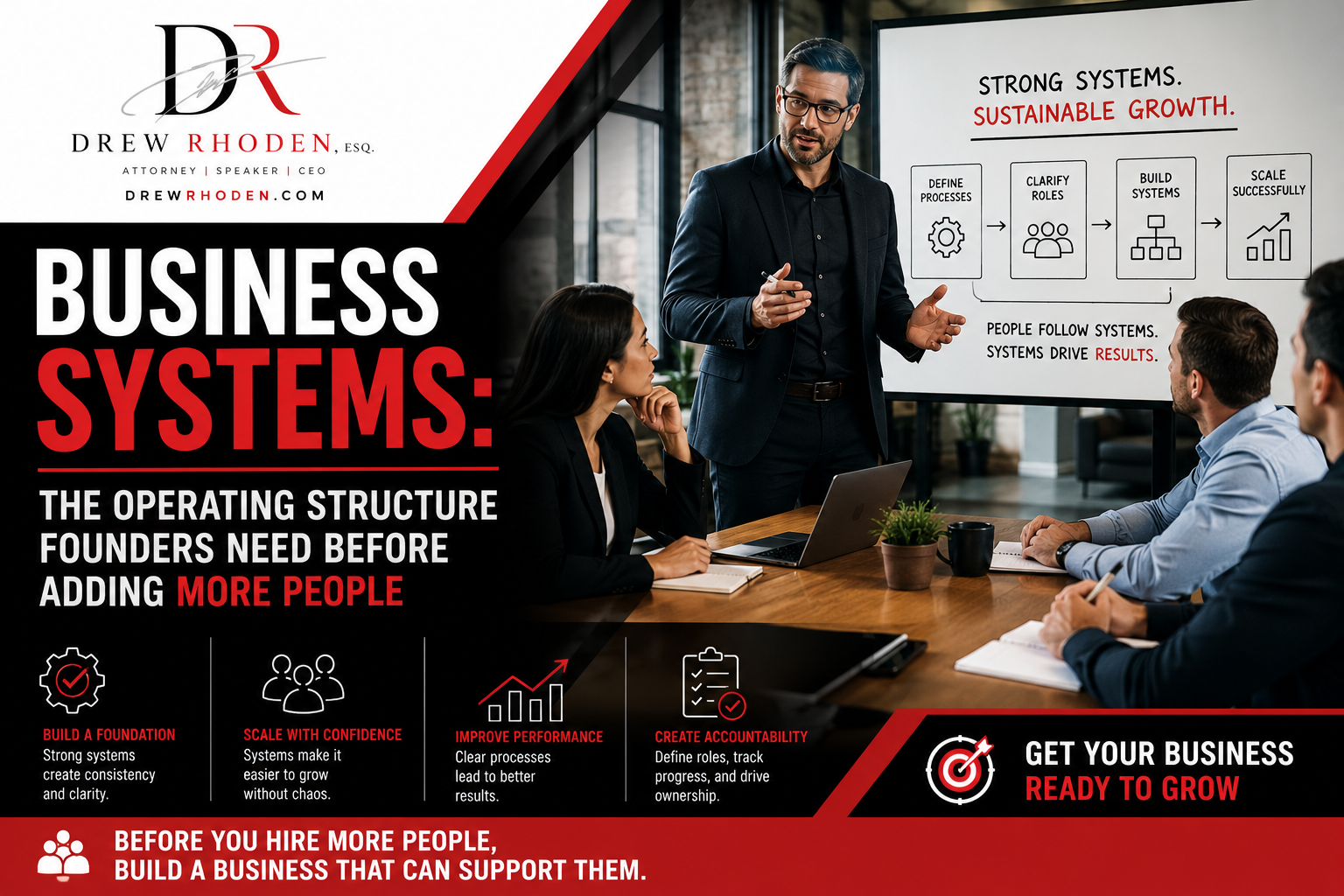
Learn how to design business systems that create scalable operations, consistent delivery, and real delegation - before your next round of hiring.
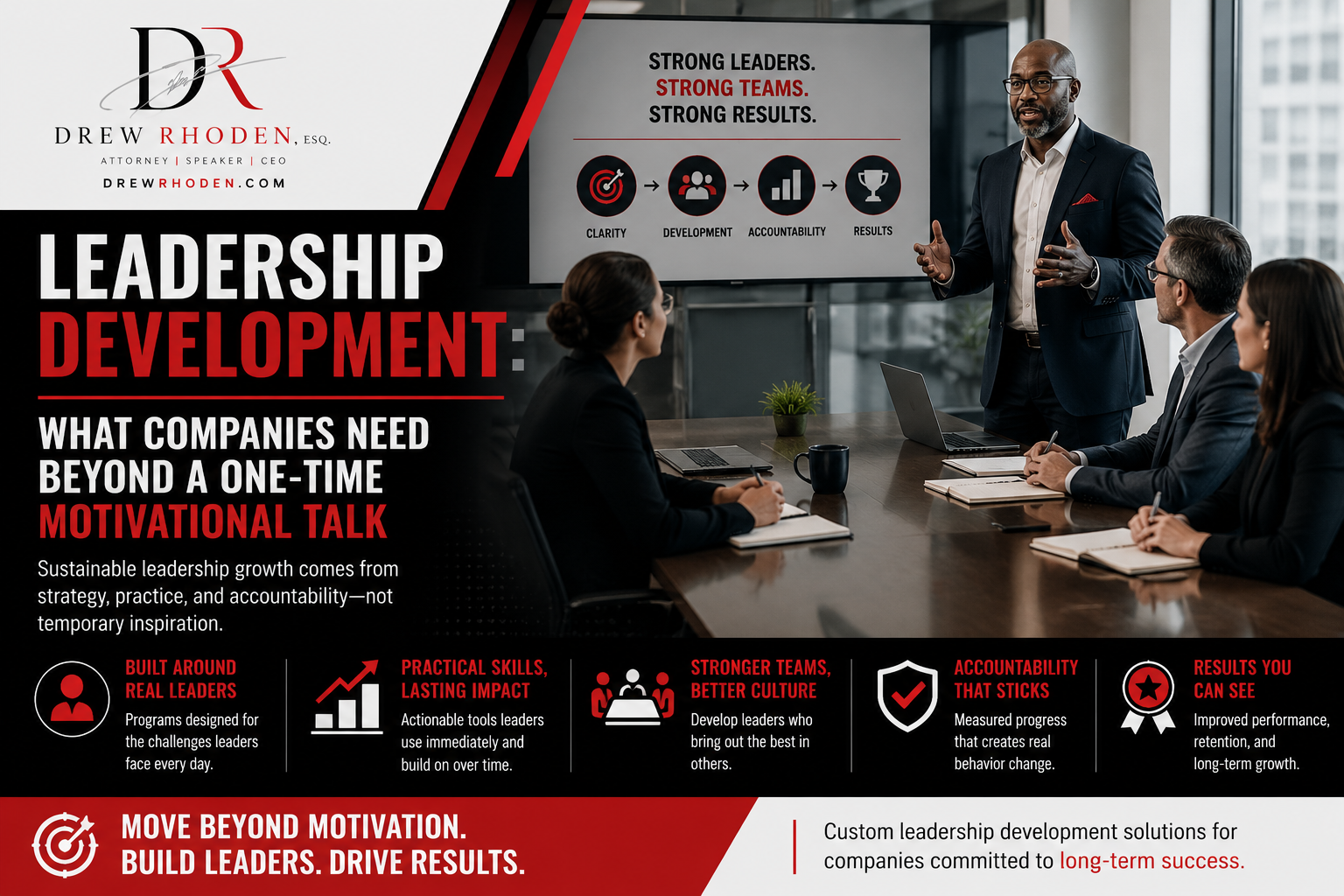
Build stronger leaders with leadership development focused on decision-making, accountability, execution, coaching, lasting organizational performance.

iscover how to plan a successful photo shoot abroad with smart travel planning, equipment protection, image backup strategies, and professional photography tips.

Discover the business lessons I learned while traveling through Colombia, from international teamwork and creative planning to leadership and global growth.

Choose a corporate keynote speaker who aligns with your event goals,engages your audience, and delivers practical leadership strategies that inspire lasting results.
Drew Rhoden | Learn what to expect from a corporate leadership speaker and how practical keynote presentations strengthen leaders, teams, and business success.
Learn how a business keynote speaker helps leaders turn vision into action with practical strategies that improve communication, accountability, and execution.
Leadership speaker presentations help organizations strengthen decision-making, accountability, and culture with practical strategies. Invite Andrew Rhoden.
Learn how a business keynote speaker can influence leadership, decision-making, and event success, and when professional guidance creates stronger outcomes.
Hire Drew Rhoden to speak on leadership and discipline. Help executives, entrepreneurs, universities, and organizations improve decision making and accountability.
Learn how to choose a leadership keynote speaker who connects with executive audiences, drives strategic conversations, and delivers lasting business impact.
Learn what thought leadership strategy involves, when it matters, the risks to consider, and how professional guidance supports stronger decisions and growth.

A thought leadership strategy helps experts turn experience into clear ideas,
consistent content, speaking opportunities, media visibility, and business growth.

Learn how CEO advisor can support build founder authority and create a soft path to
strategic advisory inquiries. Request a qualified consultation with the advisor.
Learn what makes a business keynote speaker valuable for executives, leadership teams, conferences, and professional audiences seeking practical, lasting insights.

Hire a motivational speaker and keynote speaker who inspires audiences with practical insights. Discover how AI, leadership, and innovation drive lasting success.

Education keynote speaker and thought leader delivering inspiring education keynote presentations that empower educators with practical strategies and real impact.
Book a keynote speaker for your next event. Find the perfect motivational business speaker for corporate events through a trusted speakers bureau and booking service

Why I quit my $250K law job to work for myself and build lasting freedom. Discover the lessons, risks, and rewards behind choosing entrepreneurship over employment.
