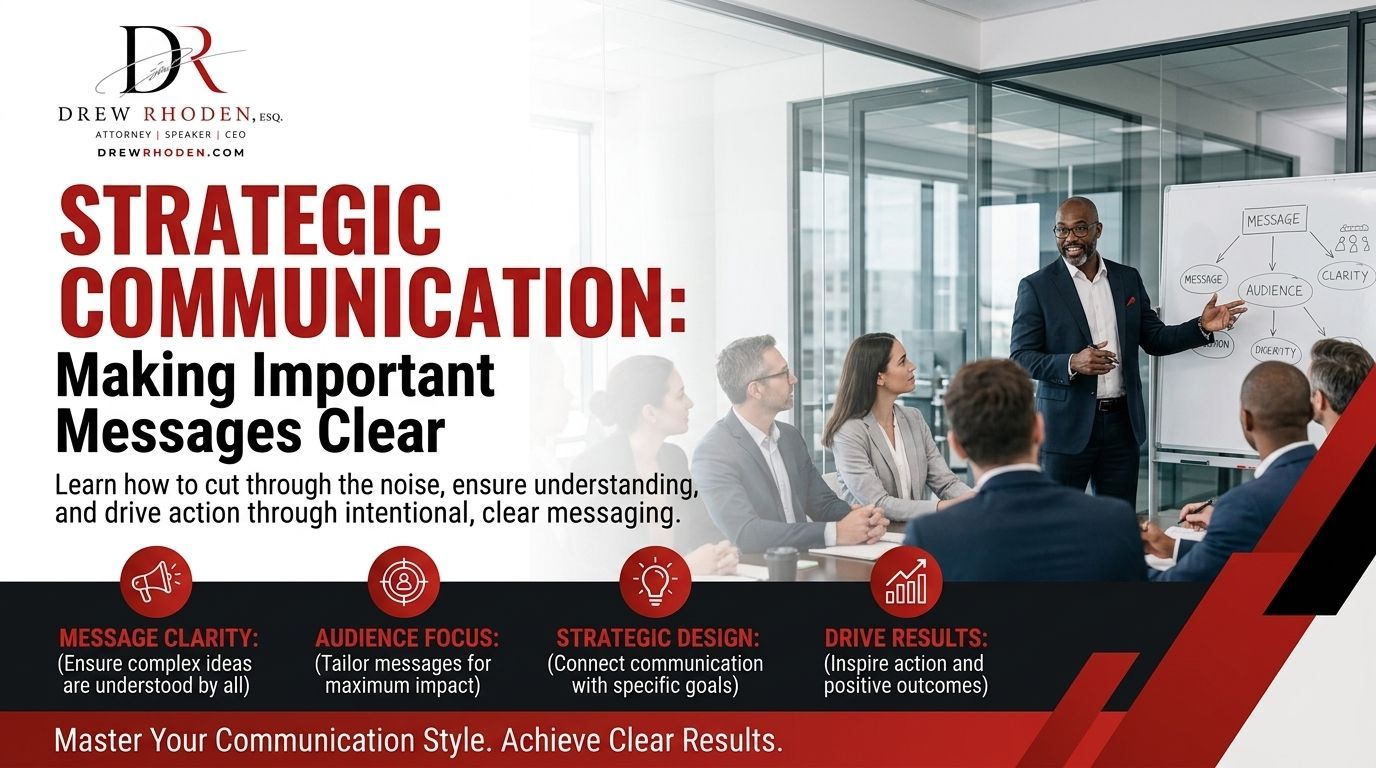





Making Conferences Memorable: The Power of Engaging Business Speakers
A successful conference is remembered long after the final session ends. While an organized schedule and impressive venue contribute to the overall experience, the true difference often comes from the person standing on stage. An engaging business speaker has the ability to transform a routine gathering into an event that sparks new ideas, strengthens professional relationships, and inspires meaningful action. When attendees leave feeling energized and equipped with practical knowledge, the conference continues creating value long after everyone returns to work.
Today's organizations expect more from their events than motivational stories alone. They want presentations that address real business challenges, encourage collaboration, and provide strategies that participants can immediately apply within their own companies. Whether the focus is leadership, organizational development, or emerging trends, the right speaker helps audiences connect information with action.
Andrew Rhoden has built a reputation for delivering presentations that balance practical insight with engaging storytelling. His background in law, executive leadership, education, coaching, and business consulting allows him to communicate with audiences across multiple industries. Rather than relying on generic presentations, Andrew tailors every presentation to the goals of the organization while creating conversations that continue well beyond the event itself.
Why the Right Speaker Shapes the Entire Event
Choosing a conference speaker is one of the most important decisions made during event planning. The opening session establishes expectations, while the closing presentation often determines what attendees remember most. A knowledgeable keynote speaker creates momentum that influences every conversation throughout the conference.
Conference organizers frequently discover that the quality of the speaker directly affects attendee satisfaction. An engaging presentation encourages participation, strengthens networking opportunities, and creates excitement that carries into breakout sessions and workshops.
A Great Speaker Creates Lasting Value
An effective business speaker provides more than entertainment. The presentation should offer practical ideas that attendees can implement immediately after returning to their organizations.
When valuable content is combined with engaging delivery, the presentation creates a lasting impact that extends well beyond the conference itself.
Every Audience Is Different
No two conferences are exactly alike. Every audience brings different experiences, professional backgrounds, and expectations.
Andrew Rhoden carefully adapts each presentation to fit the organization's objectives, ensuring every message remains relevant to the people in the room.
Leadership Messages That Connect With Every Audience
Strong leadership remains one of the most requested conference topics because every organization depends upon leaders who communicate effectively and inspire others. Andrew combines practical experience with relatable examples that help participants understand how leadership influences every level of an organization.
Rather than focusing only on theory, Andrew demonstrates how effective communication strengthens decision-making, accountability, and organizational culture. His presentations encourage attendees to become more intentional leaders regardless of their current position.
Leadership Begins With Communication
Exceptional leaders understand that communication influences trust, performance, and collaboration. Every conversation provides an opportunity to strengthen relationships while moving organizations toward shared goals.
Andrew teaches professionals how to speak with confidence while creating conversations that encourage growth throughout their teams.
Leadership Requires Continuous Growth
Leadership development never truly ends. Successful professionals continue learning because new challenges require new approaches.
Andrew encourages participants to embrace lifelong learning while building practical habits that strengthen both personal and professional effectiveness.
Business Strategy That Supports Organizational Growth
Conference attendees appreciate presentations that connect inspiration with practical strategy. Andrew's sessions help organizations understand how thoughtful planning supports sustainable success while preparing businesses for future opportunities.
Drawing upon extensive experience in consulting and legal practice, Andrew explains how strategic thinking influences decision-making across every level of an organization.
Strategy Creates Direction
Every successful business begins with a clear vision supported by realistic planning. Strong strategy allows organizations to respond confidently as markets continue changing.
Conference participants leave with actionable ideas rather than abstract concepts.
Practical Solutions Build Confidence
Attendees value recommendations they can immediately apply. Andrew focuses on realistic solutions that help organizations improve communication, strengthen operations, and prepare for long-term success.
This practical approach makes every presentation both informative and memorable.
Inspiring Innovation Through Meaningful Conversations
Every organization faces pressure to adapt as technology, customer expectations, and workplace dynamics continue evolving. Encouraging innovation requires more than introducing new ideas—it requires creating environments where people feel confident sharing perspectives and solving problems together.
Andrew helps audiences understand that innovation begins with curiosity, collaboration, and a willingness to improve existing processes rather than simply chasing trends.
Innovation Begins With Leadership
Organizational leaders create environments where new ideas are encouraged rather than discouraged. When leadership supports collaboration, employees become more willing to contribute creative solutions.
This mindset strengthens both organizational performance and employee engagement.
Creativity Supports Better Decisions
Successful organizations recognize that creativity and thoughtful planning work together. Encouraging fresh thinking often leads to practical improvements that benefit employees, customers, and long-term organizational growth.
Innovation becomes sustainable when supported by strong leadership.
Helping Organizations Navigate Digital Transformation
Every industry continues experiencing rapid digital transformation. New technologies influence communication, customer service, operations, and organizational strategy, creating both opportunities and challenges.
Andrew helps conference audiences understand how leaders can guide organizations through technological change while maintaining strong organizational values.
Technology Should Support People
Technology works best when it strengthens relationships rather than replacing them. Andrew explains how organizations can balance innovation with human connection.
Participants gain practical insight into leading teams through periods of change.
Preparing for the Future
Organizations that embrace thoughtful planning are often better prepared for the future. Understanding emerging trends allows leaders to make informed decisions while remaining adaptable.
Andrew equips audiences with practical frameworks that support long-term success.
Public Speaking as a Business Advantage
Public speaking is one of the most valuable professional skills a person can develop. Whether presenting to executives, leading internal meetings, or speaking at industry conferences, confident communication influences credibility and leadership effectiveness.
Andrew teaches professionals how to speak with clarity while connecting authentically with diverse audiences. His coaching emphasizes preparation, confidence, and practical communication techniques that improve performance across many professional settings.
Confidence Changes Conversations
Confident communication strengthens influence while improving collaboration. Professionals who communicate clearly often build stronger relationships with colleagues, customers, and organizational leaders.
These skills continue creating value throughout every stage of a professional career.
Every Opportunity Matters
Every presentation represents an opportunity to build trust, communicate ideas, and inspire action. Andrew encourages professionals to view every speaking opportunity as an investment in future success rather than a source of anxiety.
Thoughtful preparation creates confidence that audiences recognize immediately.
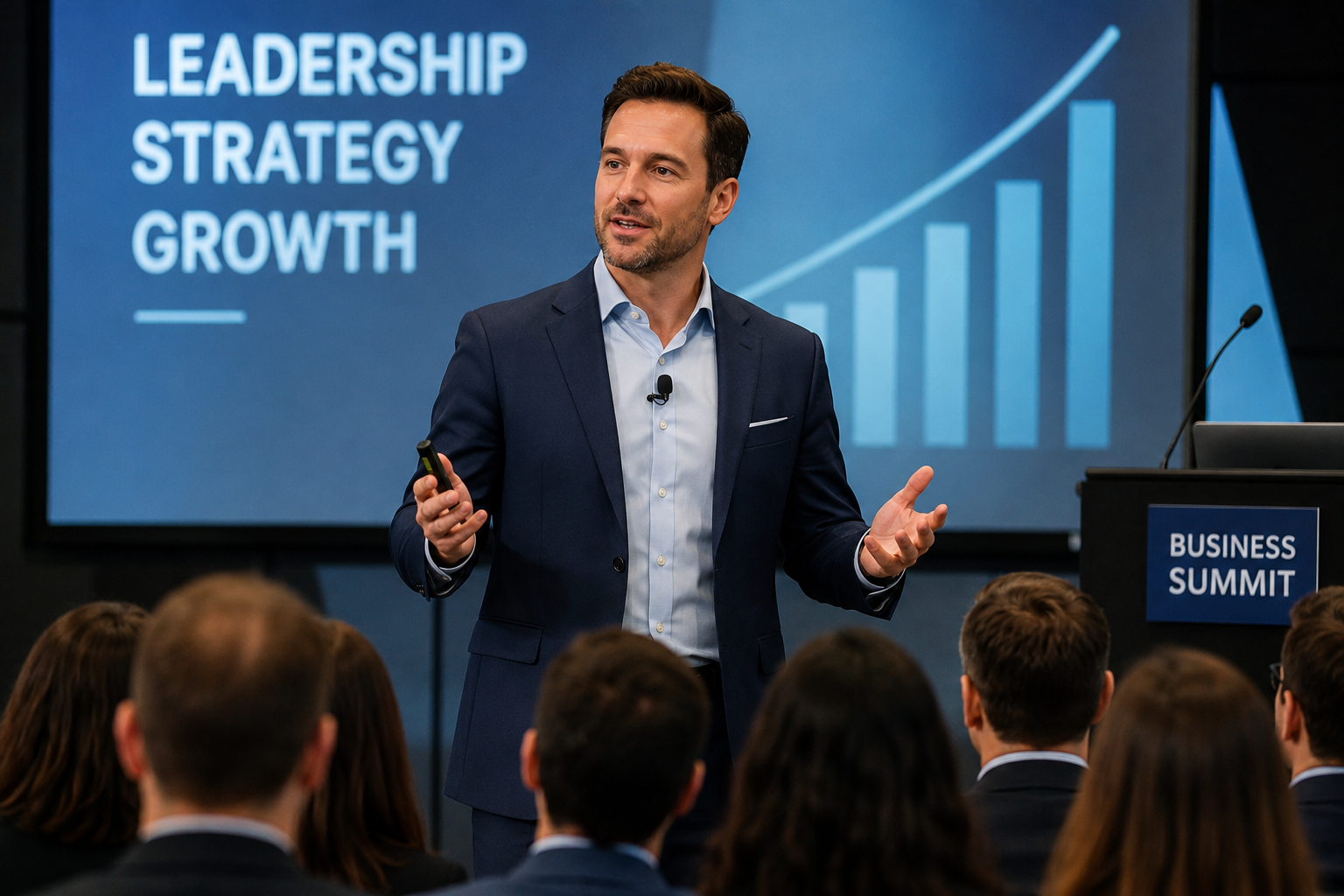
Andrew Rhoden Brings Real-World Expertise to Every Event
One of the qualities that separates Andrew Rhoden from many professional presenters is the breadth of his experience. As an attorney, consultant, educator, coach, and founder, he understands the challenges organizations face because he has worked directly with executives, educational institutions, businesses, and nonprofit organizations. His presentations combine practical business insight with engaging stories that audiences can immediately relate to.
Rather than delivering the same presentation at every conference, Andrew develops content around each organization's objectives. This customized approach allows every event to feel relevant while providing attendees with practical ideas they can immediately apply within their own workplaces.
Extensive Experience Creates Practical Insight
Andrew's extensive experience allows him to address leadership, communication, legal issues, organizational development, and business strategy from multiple perspectives. His ability to connect different disciplines creates presentations that feel both practical and engaging.
Conference organizers appreciate speakers who can translate complex subjects into conversations that audiences easily understand.
Expertise Builds Credibility
Strong expertise allows a speaker to answer questions confidently while adapting presentations to audience needs. Andrew combines professional experience with real-world examples that help participants understand how ideas apply within their own organizations.
His goal is to leave every audience with practical knowledge rather than abstract theories.
More Than a Keynote Speaker
An outstanding keynote speaker does more than open or close a conference. The presentation should establish energy, encourage discussion, and create momentum that continues throughout the day. Andrew's presentations are designed to accomplish all three objectives.
His engaging style encourages participation while maintaining a professional atmosphere. Audiences remain involved because every presentation balances useful information with meaningful storytelling.
The Ideal Keynote Speaker Understands the Audience
An ideal keynote speaker begins by understanding the conference goals rather than focusing solely on prepared material. Andrew works closely with organizers to ensure every presentation aligns with the event's theme while supporting organizational priorities.
This preparation allows attendees to immediately recognize the relevance of every topic discussed.
Creating Meaningful Conference Experiences
Conferences become memorable when participants leave with practical ideas and renewed motivation. Andrew helps organizations create experiences that continue influencing conversations long after attendees return home.
That ongoing influence often becomes one of the most valuable outcomes of the entire conference.
Leadership Lessons That Inspire Positive Change
Organizations thrive when leaders communicate clearly and act with purpose. Andrew's presentations focus on practical leadership principles that strengthen communication, accountability, and collaboration across departments.
Rather than emphasizing complicated theories, he explains how everyday decisions shape organizational culture and long-term performance. His presentations encourage professionals to lead with confidence while creating positive change within their organizations.
Leadership Begins With Daily Habits
Exceptional leaders are developed through consistent habits rather than isolated moments of inspiration. Small improvements in communication, preparation, and accountability often produce significant long-term results.
Andrew helps participants recognize opportunities for growth that can be implemented immediately.
Inspiring Others Through Action
Effective leaders demonstrate their values through consistent actions. Andrew encourages attendees to inspire colleagues by modeling professionalism, integrity, and continuous improvement.
Leadership becomes more influential when actions consistently support words.
Helping Businesses Adapt to Industry Change
Every industry experiences constant change driven by technology, customer expectations, and economic conditions. Organizations that remain adaptable are often better positioned for long-term growth.
Andrew explains how leaders can evaluate emerging trends while maintaining focus on their core mission. His sessions help organizations understand that change creates opportunity when approached strategically.
Embrace Change With Confidence
Many professionals hesitate when faced with uncertainty. Andrew encourages organizations to embrace change by focusing on preparation, communication, and thoughtful decision-making.
Adaptability allows businesses to remain competitive while strengthening internal confidence.
Preparing Organizations for the Future
Leaders should anticipate change rather than simply reacting to it. Andrew provides practical strategies that help organizations prepare for the future while maintaining operational stability.
Forward-thinking leadership strengthens organizational resilience.
Building Stronger Teams Through Communication
Successful teams depend upon trust, communication, and shared purpose. Andrew teaches professionals how effective communication strengthens collaboration while reducing unnecessary conflict.
His presentations emphasize listening as much as speaking. Organizations often improve performance when employees understand one another more clearly.
Team Building Starts With Trust
Successful team building begins with creating environments where employees feel respected and valued. Open communication encourages collaboration while strengthening workplace relationships.
Trust becomes the foundation for stronger organizational performance.
Encouraging Collaboration
Organizations achieve better results when departments work together toward common objectives. Andrew helps participants understand how communication influences every professional relationship.
Collaboration becomes easier when expectations remain clear.
A Speaker Who Understands Business Leadership
Andrew's background extends well beyond public speaking. As a consultant, attorney, educator, and CEO, he understands the realities of organizational leadership from firsthand experience.
Conference audiences appreciate presenters who have personally navigated many of the same challenges they face every day. This practical perspective strengthens both credibility and engagement.
Business Experience Matters
Organizations benefit from presenters who understand how leadership decisions affect employees, operations, and long-term growth. Andrew's professional background allows him to connect strategic concepts with practical application.
Real-world experience creates presentations that resonate across multiple industries.
Speaking With Authenticity
Authenticity strengthens every presentation. Andrew communicates honestly about challenges while offering practical guidance rooted in experience rather than theory.
Audiences respond positively because the conversations feel genuine and actionable.
Engaging Audiences Through Interactive Presentations
Every audience brings valuable knowledge into the room. Andrew encourages participation through thoughtful questions, relevant examples, and practical discussion rather than relying exclusively on lectures.
Interactive presentations create stronger learning experiences because attendees become active participants instead of passive observers.
Encouraging Meaningful Discussion
Professional conferences create opportunities for dialogue as well as instruction. Andrew invites participants to share perspectives while connecting those ideas to broader leadership principles.
These conversations frequently become some of the most memorable moments of the event.
Every Attendee Should Feel Included
Conference attendees come from different backgrounds, industries, and leadership levels. Andrew ensures presentations remain accessible while still providing meaningful insight for experienced executives and emerging professionals alike.
Inclusive presentations create stronger engagement across the room.
A Customized Approach for Every Organization
No two organizations face identical opportunities or challenges. Andrew carefully tailors every presentation to the client's objectives rather than delivering generic content.
This preparation allows every speaker session to feel relevant, practical, and aligned with organizational priorities. Customized presentations consistently produce stronger audience engagement and greater long-term value.
Understanding Organizational Goals
Andrew begins by learning about the organization's mission, conference objectives, and desired outcomes. This collaborative planning process helps create presentations that support meaningful results.
Preparation is one of the strongest indicators of a successful conference experience.
Creating Value Beyond the Event
An outstanding presentation continues providing value after the conference concludes. Andrew equips attendees with ideas, communication techniques, and leadership strategies they can immediately apply within their organizations.
His goal is not simply to deliver a presentation but to create conversations that continue driving improvement long after the conference ends.
Public Speaking Creates Momentum That Lasts Beyond the Conference
An outstanding conference presentation should continue influencing conversations long after attendees return to their workplaces. Andrew Rhoden believes every speaker has the opportunity to help professionals think differently about leadership, communication, and organizational growth. His presentations are designed to create practical value instead of temporary excitement.
Rather than delivering information that is quickly forgotten, Andrew encourages audiences to leave with actionable ideas that improve daily decision-making. This approach helps organizations continue building upon the lessons introduced during the event.
Communication Drives Organizational Success
Clear communication strengthens collaboration while improving workplace relationships. Leaders who communicate effectively often create stronger cultures because expectations remain consistent across departments.
Andrew demonstrates practical techniques professionals can immediately begin using within their own organizations.
Every Conversation Has Purpose
Meaningful conversations often create opportunities for innovation, collaboration, and stronger leadership. Andrew encourages participants to approach every professional interaction intentionally.
Small improvements in communication frequently produce significant long-term results.
Inspiring Leaders to Think Beyond Today's Challenges
Many professionals become so focused on immediate responsibilities that they rarely have time to consider long-term opportunities. Andrew helps conference participants step back and evaluate broader organizational goals while remaining grounded in practical action.
His presentations encourage leaders to develop a forward-thinking mindset that prepares both individuals and organizations for continued success.
Leadership Requires Vision
Successful leadership requires balancing today's responsibilities with tomorrow's opportunities. Organizations benefit when leaders consistently evaluate future possibilities while maintaining operational excellence.
Andrew provides practical frameworks that help professionals think strategically without losing focus on daily execution.
Strong Leaders Inspire Confidence
People naturally follow leaders who communicate with clarity and consistency. Andrew teaches participants how to inspire confidence by demonstrating integrity, preparation, and accountability.
Confidence grows when actions consistently reinforce leadership values.
Business Trends That Shape Modern Organizations
Today's business environment continues evolving as technology, customer expectations, and workplace culture change. Organizations that understand these shifts are often better prepared to respond confidently to new opportunities.
Andrew regularly discusses current business trends while helping conference attendees understand how thoughtful planning supports organizational resilience.
Innovation Creates Competitive Advantage
Sustainable innovation requires more than adopting new technology. Organizations should evaluate how new ideas improve communication, customer experience, and operational performance.
Andrew encourages participants to pursue innovation with purpose rather than simply following trends.
Knowledge Supports Better Decisions
Reliable knowledge helps professionals evaluate opportunities while reducing uncertainty. Andrew shares practical insights that encourage thoughtful decision-making instead of reactive leadership.
Well-informed organizations often adapt more effectively to changing market conditions.
Helping Teams Perform at a Higher Level
Strong teams achieve more when communication, accountability, and trust become part of everyday operations. Andrew's presentations demonstrate how collaboration improves organizational performance while creating healthier workplace environments.
Successful teamwork depends upon intentional leadership rather than chance. Every employee contributes to the overall culture of an organization.
High Performance Begins With Preparation
Achieving high performance requires consistent effort, thoughtful planning, and continuous improvement. Andrew explains how preparation creates confidence while strengthening execution.
Organizations that prioritize preparation often experience stronger long-term results.
Every Team Member Contributes
Every individual influences organizational success regardless of title or position. Andrew helps participants recognize how their daily decisions affect colleagues, customers, and organizational outcomes.
Shared responsibility strengthens collaboration throughout the workplace.
Learning From Entrepreneurs and Business Builders
Andrew's presentations often include lessons drawn from successful entrepreneurs and organizational leaders. While every entrepreneur follows a different path, common themes frequently include resilience, adaptability, and disciplined decision-making.
These examples help attendees connect leadership principles with real-world business experiences.
Founders Shape Organizational Culture
Every founder, co founder, and organizational CEO influences company culture through vision, communication, and daily leadership decisions. Their actions establish expectations that shape the future of the organization.
Andrew explains how intentional leadership creates healthier workplace environments.
Leadership Extends Beyond the Executive Office
Leadership is not reserved exclusively for executives. Employees at every level contribute ideas, solve problems, and influence organizational culture through their daily actions.
Andrew encourages professionals to lead wherever they have the opportunity.
Conference Presentations That Inspire Action
An engaging presentation should motivate participants to continue learning after the conference concludes. Andrew focuses on helping attendees leave with practical ideas instead of simply remembering inspirational stories.
His presentations combine professional insight with relatable examples that encourage audiences to take meaningful action within their own organizations.
Motivation Should Lead to Results
Lasting motivation comes from understanding why improvement matters. Andrew helps audiences connect inspiration with practical action plans they can begin implementing immediately.
Small, consistent improvements frequently create significant organizational benefits.
Inspiring Continuous Growth
Professional growth depends upon maintaining curiosity and remaining open to new ideas. Andrew challenges participants to continue learning while seeking opportunities for ongoing improvement.
Continuous development supports stronger organizations and stronger careers.
Why Andrew Rhoden Is the Right Speaker for Leadership Conferences
Conference organizers searching for a business speaker want someone who brings credibility, energy, and practical expertise to every presentation. Andrew Rhoden combines experience in law, business consulting, education, leadership, and executive coaching to deliver presentations that connect with diverse audiences.
Whether speaking to executives, managers, educators, entrepreneurs, nonprofit organizations, or corporate teams, Andrew creates sessions that encourage discussion, strengthen leadership skills, and inspire meaningful action. His ability to simplify complex business concepts while maintaining audience engagement makes him an outstanding choice for conferences focused on leadership, communication, organizational strategy, and professional growth.
Why Andrew Rhoden Is the Perfect Speaker for Your Next Event
Conference organizers often compare motivational speakers, celebrity speakers, and the best keynote speakers when planning major events, but the right choice is someone who delivers practical value long after the presentation ends. Andrew Rhoden has become a sought after speaker because he combines legal knowledge, business strategy, and leadership experience into engaging presentations that resonate with diverse audiences. Whether your organization works with a speakers bureau or books presenters directly, Andrew offers the insight of a trusted business speaker, executive coach, performance coach, podcast host, consultant, and founder who understands the challenges modern organizations face. His sessions strengthen corporate culture, promote personal growth, and provide practical tools that encourage people to become stronger leaders while preparing organizations for continued success.
Unlike presentations centered on a York Times bestselling author, a bestselling author, a serial entrepreneur, a founding CEO, a presidential ambassador, or personalities featured on ABC's Shark Tank, Andrew focuses on actionable leadership strategies that attendees can immediately apply within their own organizations. His presentations explore innovation, communication, global entrepreneurship, and overcoming adversity, drawing inspiration from influential concepts like The Third Door while emphasizing practical implementation instead of theory alone. Whether speaking to corporate teams, educational institutions, or non profits, Andrew customizes every program to match the audience and the organization's objectives. His disciplined preparation time, unwavering commitment, and ability to host meaningful conversations help make him the perfect speaker for your next event, joining other respected thought leaders who have inspired audiences around the world. Although he has not written several books, every presentation is designed to equip attendees with practical knowledge they can use long after the conference has ended, reinforcing his reputation as a trusted creator of engaging leadership experiences.
Book a Business Speaker Who Creates Lasting Results
Every successful conference deserves a presenter who does more than deliver information. The right keynote speaker creates conversations, strengthens engagement, and equips attendees with practical strategies they can immediately apply within their organizations. Andrew Rhoden is committed to helping conference audiences develop stronger leadership skills, improve communication, and confidently navigate today's evolving business environment.
If you're planning your next conference, leadership summit, executive retreat, or corporate event, now is the perfect time to book a business speaker who will connect with your audience and support your event goals. Contact us today at (888) 209-4055 to book a free consultation. We'll discuss your conference objectives, answer your questions, and help you create an event that inspires attendees long after the final presentation has ended.
share this
Related Articles
Related Articles