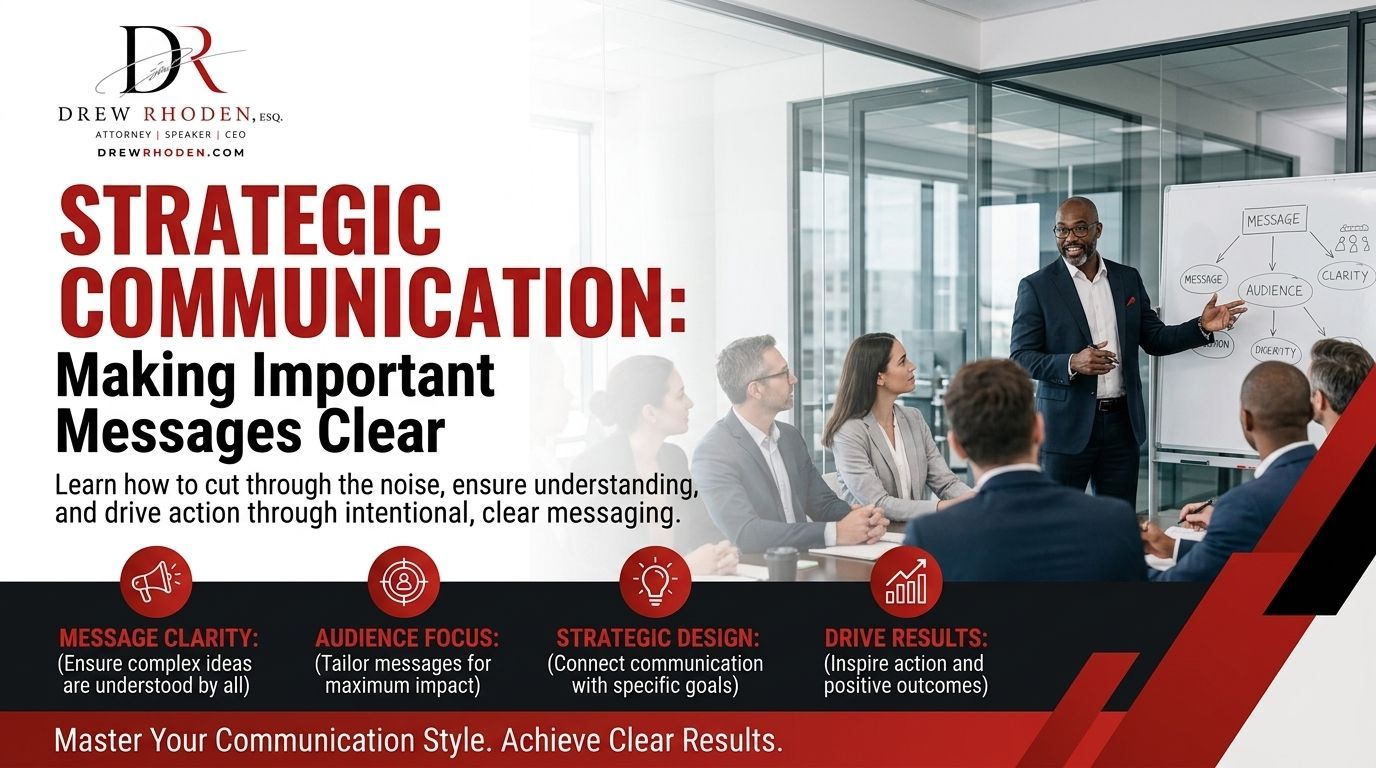





Business Keynote Speaker: Connecting Leadership Vision to Real-World Execution
What Makes a Great Business Keynote Speaker in 2026?
Too many keynotes feel superficially inspiring-big rhetoric, standing ovations-yet nothing changes in the 90 days that follow. The best business keynote speakers drive post-event shifts in decisions, priorities, and execution. Keynote speakers set the tone for the entire event experience, and that tone should carry forward into real work.
Here's what separates. A modern business keynote speaker is more than a person who delivers polished stories on stage. In the business realities of 2024–2026-remote and hybrid teams, rapid AI adoption, economic uncertainty-organizations need a speaker who connects leadership vision to what people actually do on the front lines. Great keynote speakers can shift audience perspectives and inspire change, but the ones worth hiring also leave your teams with sharper priorities and clearer execution disciplines.
If you're a conference planner, association executive, university program director, or corporate event owner, this article is for you. Unlike celebrity speakers who draw crowds on name alone or motivational speakers who energize without substance, a strong business keynote speaker delivers concrete outcomes: better strategy execution, stronger corporate culture, and more effective communication across every level.
Drew Rhoden at DrewRhoden.com is an experienced business and executive leadership speaker who helps organizations close the gap between strategy and execution-drawing from real corporate and university engagements, not abstract theory.
Below, you'll learn how to choose the right speaker, what topics matter most, and how to request keynote availability.
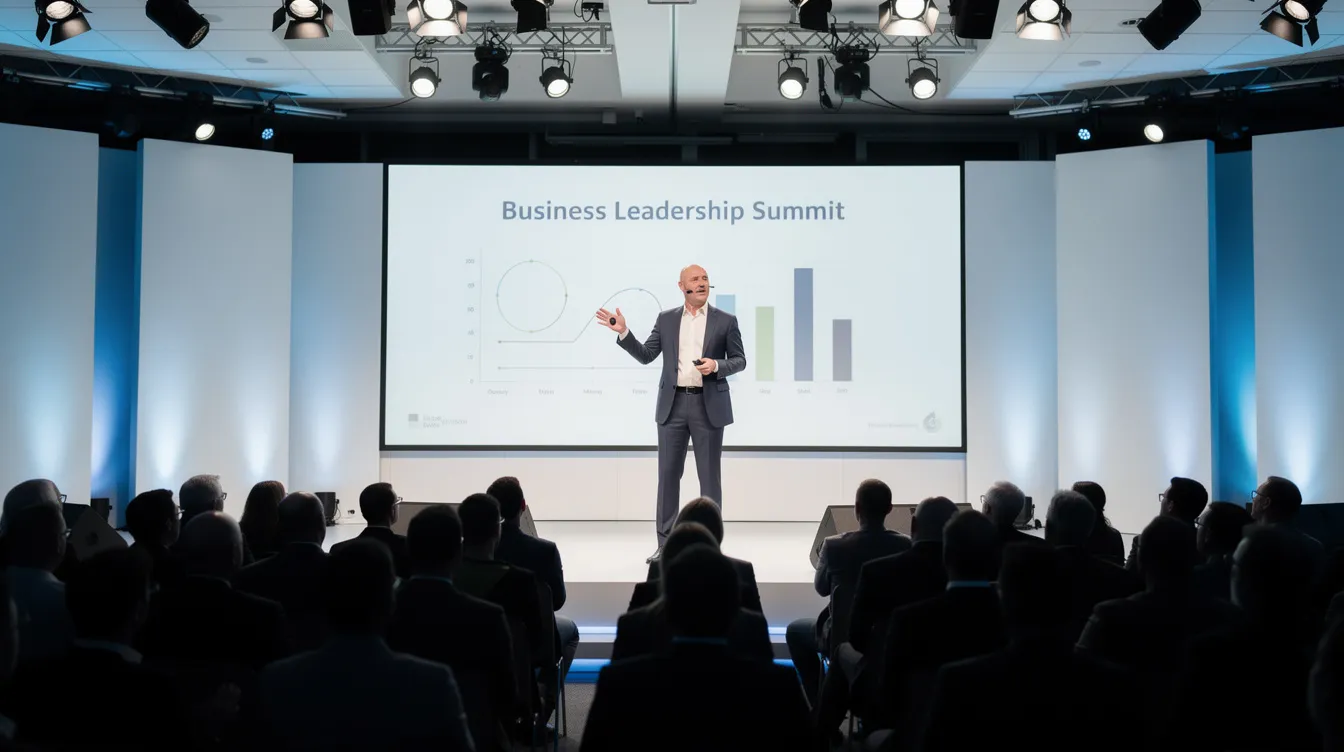
the best keynote speakers from the rest:
- Deep business fluency. Experience with P&L management, market pressures, and digital transformation-not generic platitudes. As Sheri Jacobs emphasizes, speakers who have "led something"-a board, a business unit, tough decisions-are essential in 2026.
- A credible track record with corporate events, associations, or universities between 2010 and 2026. Credibility and experience in relevant topics enhance a speaker's effectiveness significantly.
- The ability to connect executive strategy with frontline realities-sales teams, operations, HR, students preparing to lead.
- Storytelling plus frameworks. Master storytelling involves using compelling narratives to create memorable presentations, but top-tier speakers combine subject matter expertise with a dynamic delivery style, pairing those narratives with checklists, decision rules, and models leaders can reuse.
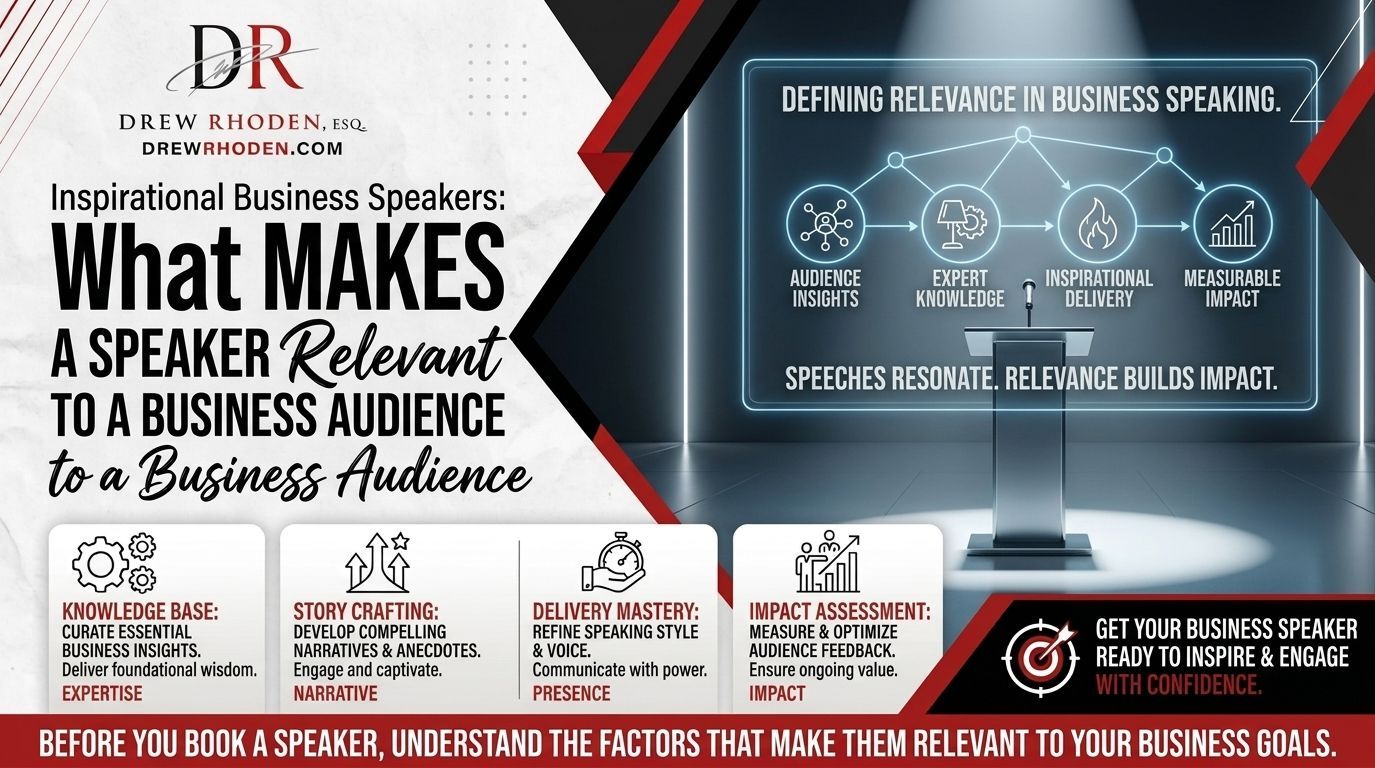
Authenticity builds trust and helps make a message more memorable. Well-known keynote speakers specialize in leadership and innovation topics, but the ideal keynote speaker for your event may not be the most famous name-it's the conference speaker, executive leadership speaker, or strategy and execution keynote expert who aligns with your specific challenges.
A leadership speaker tends to emphasize leading people, culture, and mindset. An entrepreneur keynote speaker draws from startup growth, innovation, and risk. A business keynote speaker bridges all three-connecting vision to execution across the organization. When hiring, focus on fit over fame.
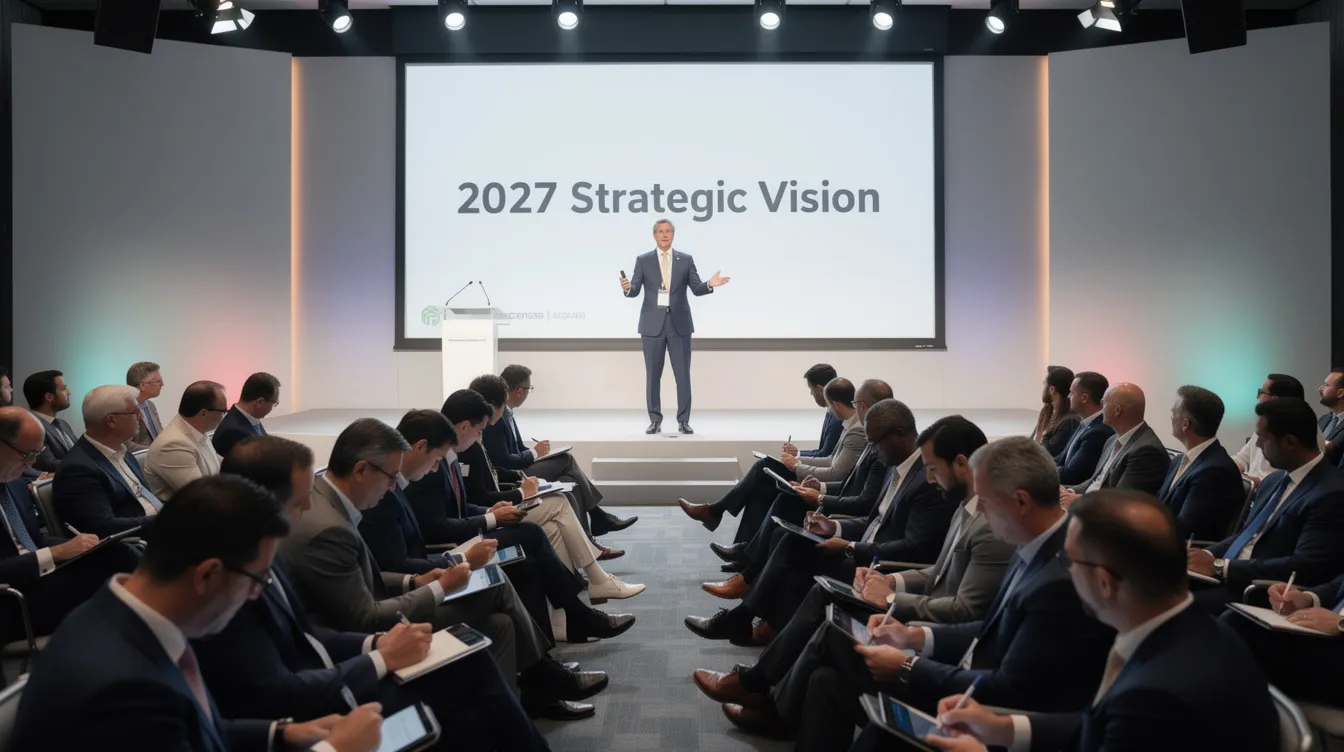
From Vision to Execution: Topics the Right Speaker Should Cover
Strong business speakers design keynotes around the execution gap-the space between the PowerPoint strategy and what people actually do on Monday. Great keynote speakers provide actionable strategies for immediate implementation, not just inspiration.
Here are the high-value topic areas planners should look for:
Strategy-to-execution alignment. Translating three-to-five-year plans into 90-day priorities. Think post-pandemic strategy resets from 2021–2024, where companies had to reconfigure supply chains and growth targets in real time. Effective speakers challenge assumptions and broaden perspectives about how strategy should cascade.
Leading through digital transformation. AI leadership talk demand surged roughly 237% year-over-year in 2026. Leaders need guidance on navigating automation, data literacy, and ethical AI while keeping teams engaged and skilled.
Building accountable, resilient corporate culture. Keynote speakers help create workplace cultures that attract talent-not through values posters, but through specific leadership behaviors, rituals, and performance management practices. Keynote speakers improve employee engagement and performance when they address culture with honesty.
Cross-functional execution. How marketing, operations, finance, and HR coordinate on shared metrics instead of fighting for resources. Keynote speakers provide actionable strategies for team dynamics that break silos.
Entrepreneurial thinking inside large organizations. Lessons from a serial entrepreneur adapted for corporate teams-rapid prototyping, risk tolerance, innovation labs.
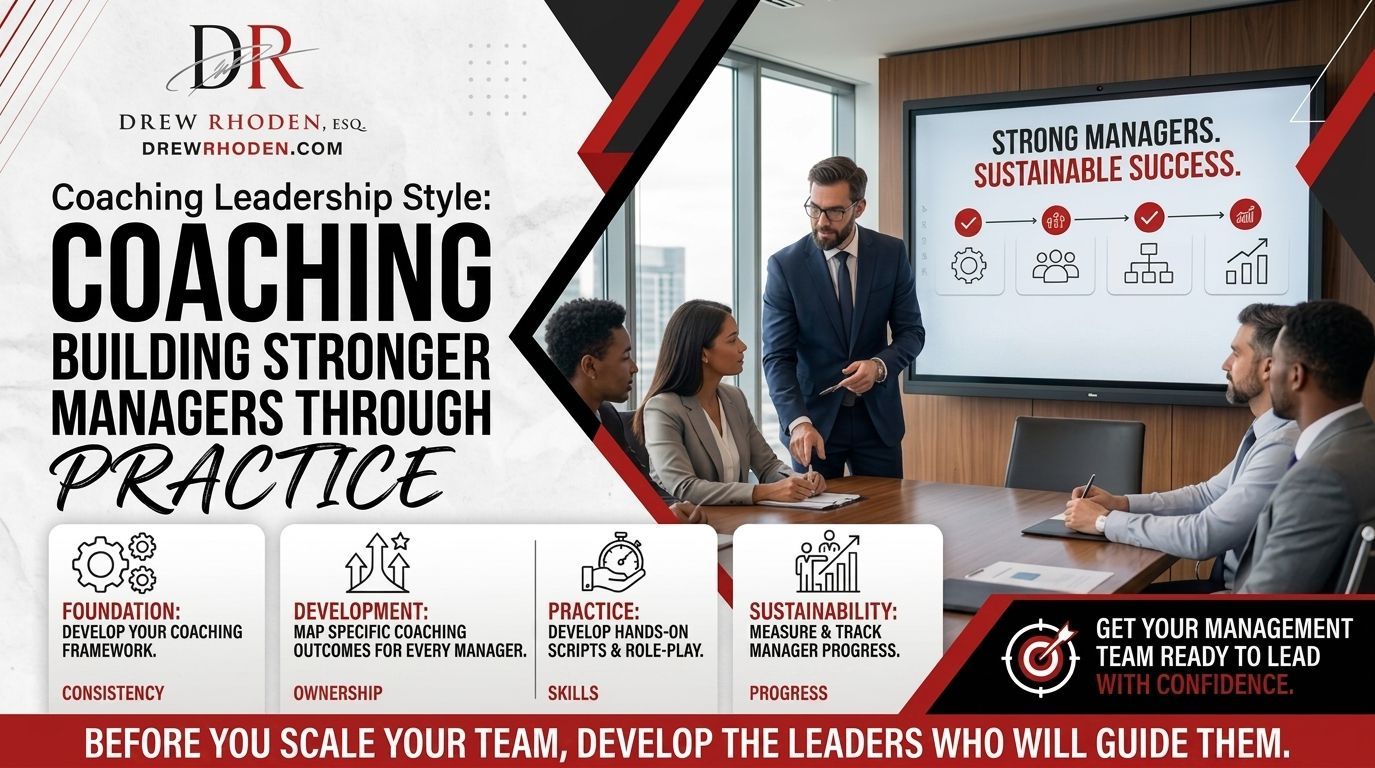
DrewRhoden.com specializes in connecting leadership mindsets-focus, clarity, ownership-with practical execution tools like scorecards, meeting rhythms, and decision rules. Planners should always ask speakers to customize examples for their industry, whether manufacturing, SaaS, healthcare, or higher education, so the advice feels real and actionable.
How a Business Keynote Speaker Elevates Corporate Events and Conferences
Annual sales kickoffs, leadership retreats, and all-hands meetings become forgettable when the keynote is generic, disconnected from the company's actual challenges, or feels like a repeat of last year. In 2024–2026, audience engagement is the top priority for roughly 66.8% of event organizers-above education or budget concerns.
Here's how the right business event speaker changes the equation:
- Setting the tone. An opening keynote frames the entire agenda, aligns expectations, and gives a unifying language for breakout sessions, seminars, and workshops.
- Creating a shared story. A case study-say, a multi-year culture turnaround-becomes a reference point leaders use all year. Captivating delivery enhances audience engagement and retention long after the event ends.
- Unlocking honest conversations. An outside voice can safely surface issues around execution, silos, and accountability that insiders avoid. Effective speakers influence mindset and awareness in organizations by addressing what others won't.
- Driving post-event action. Attendees leave events with actionable strategies from keynote speakers when the talk includes execution roadmaps, checklists, and clear calls to action for the next 30–90 days.
- Building community. Keynote speakers help create a sense of community among attendees, and keynote speakers enhance audience engagement and motivation-giving people shared language and energy to carry forward.
Example scenario: A global SaaS company hosts a 2025 strategy summit. The keynote helps senior leaders translate a 20% ARR growth target into execution disciplines-regional scorecards, cross-region collaboration rhythms, and quarterly accountability check-ins.
The speech is a lever, not the whole machine. Its job is to accelerate the work your teams are already committed to doing.

Choosing the Right Business Keynote Speaker: A Practical Selection Process
The biggest event planning mistake is picking based on name recognition alone. According to a Talent Bureau survey, 57% of professionals trust a clear talk outline and defined learning outcomes more than name recognition when evaluating thought leaders.
Follow this chronological selection process:
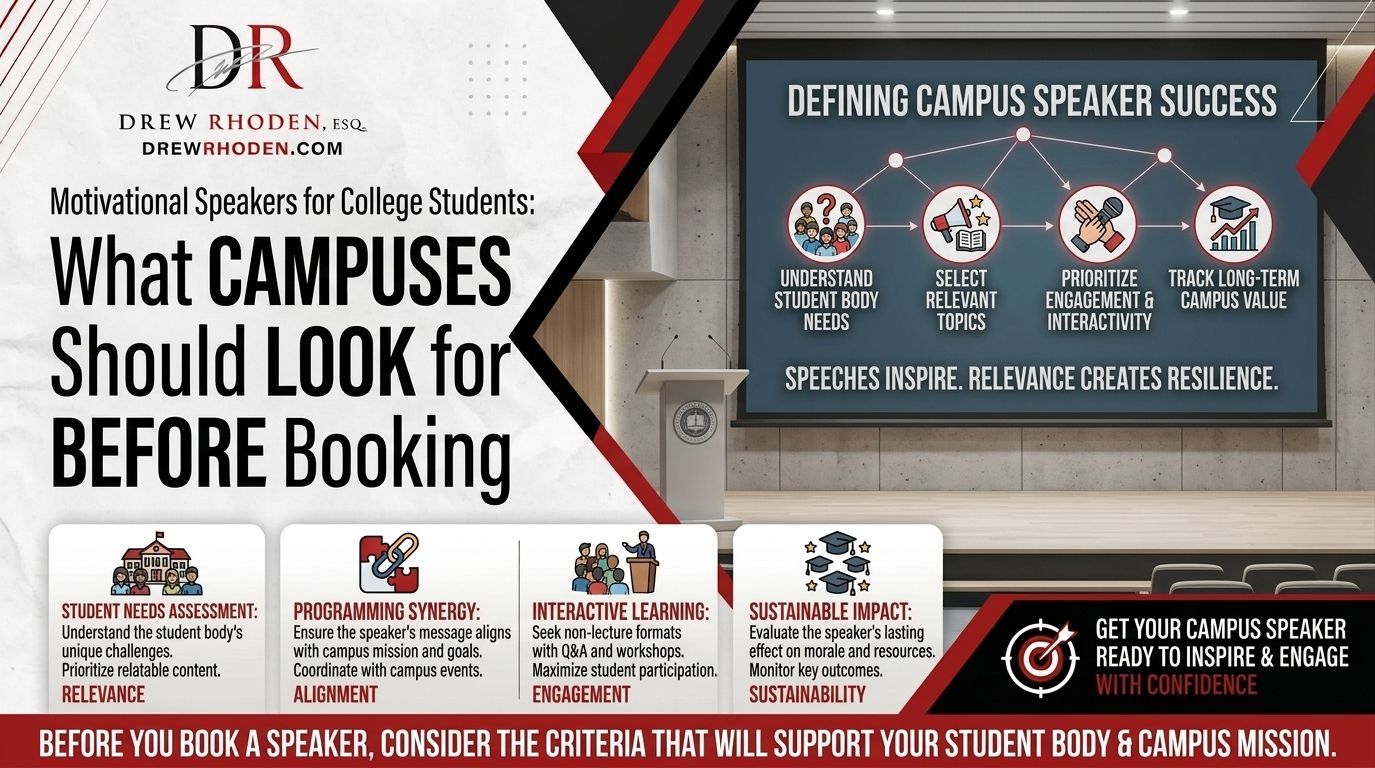
- Define your event goals. Are you driving a new strategy, resetting culture, launching digital transformation, or developing emerging leaders? Define your event goals before selecting a speaker.
- Know your audience. Size, roles (executives, mid-level managers, frontline, students), industries, and geographies all affect content tone. Consider the speaker's ability to tailor messages for the audience.
- Map the event arc. Where does the keynote sit-opening, midday, closing? How will it support breakouts, panels, and team building exercises?
- Shortlist speakers. Research potential speakers' past engagements and reviews. Use video, client lists, and topic alignment to build a focused list of three to five options. Align the speaker's expertise with your event's theme.
- Interview candidates. Schedule 20–30 minute calls to test chemistry and customization ability. Interview candidates to gauge their passion for the topic and the sharp questions they ask about your business.
- Check for customization. Insist on examples of tailored content for sectors like healthcare, finance, tech, or higher education since 2020.
- Align logistics. Confirm the event date, location, hybrid or virtual format, budget, preparation time, and internal approvals timeline. Professionalism means speakers communicate well with organizers and arrive prepared.
Capture all of this in a one-page event brief. Give it to the speaker so they can shape a strategy and execution keynote around your reality, not a recycled deck.

What to Look For in a Leadership, Entrepreneur, or Executive Leadership Speaker
Depending on your event, you may lean toward a leadership keynote speaker, an entrepreneur keynote speaker, or an executive leadership speaker. The evaluation lens is similar.
Credibility and track record. Has this person served as a CEO, co founder, or board member? Have they built ventures as a serial entrepreneur or published as a bestselling author? Simon Sinek is known for his work on inspiring visionary leadership. Adam Grant teaches leaders how to foster open-mindedness and a culture of rethinking. Marc Randolph shares lessons on startup culture and adaptive innovation. A leading authority in their field will have depth you can verify.
Relevance to your moment. Their content must address current issues-remote leadership, AI disruption, brand strategy shifts, ESG, and post-2020 culture fatigue. Even a presidential ambassador for global awareness won't land if the content doesn't connect to your world.
Teaching style. Do they use actionable frameworks, tools, and language your leaders can repeat in staff meetings? Effective speakers inspire audiences with personal anecdotes and humor in presentations makes complex topics easier to understand-but without frameworks, the inspiration fades.
Cultural intelligence. Deep audience understanding is essential for tailoring content to the audience's needs. Diversity in speakers enhances workplace culture and engagement. Look for capacity to address diverse attendees across generations, functions, and cultures without clichés.
Watching a full-length keynote can provide better insight into a speaker's style than any sizzle reel. And the best speakers ask sharp questions about your strategy, people, and constraints before proposing topics-those questions reveal their seriousness as a creator of real outcomes.
Working with Your Business Keynote Speaker Before, During, and After the Event
Impact depends as much on collaboration as on the 60 minutes on stage. A person who delivers a keynote without context is gambling with your event's success.
Here's a practical collaboration flow:
- Pre-event discovery. Schedule a 30–60 minute briefing where you share strategic priorities, execution bottlenecks, and culture realities from the last 12–24 months. Great speakers tailor their message to match industry and company culture based on this knowledge.
- Content alignment. Review the speaker's outline to ensure stories, frameworks, and insights align with your goals, theme, and language. Speakers should provide actionable frameworks that attendees can implement immediately.
- Integration with the agenda. Link the keynote to breakout exercises, panel questions, or leadership workshops. Keynote speakers should provide insight into how audiences can think, feel, or act differently after their talk-and breakouts can reinforce that shift.
- On-site partnership. Let speakers participate in Q&A sessions, executive roundtables, or student forums. Great speakers encourage audience participation through questions and interactive techniques that deepen engagement.
- Follow-up resources. Provide post-event tools-one-page summaries, execution checklists, short videos-to sustain momentum and create lasting impact. In 2026, 41% of speaker briefs reference interactivity or follow-on content.
- Measurement. Use post-event surveys, 30- and 90-day check-ins, or tracking adoption of specific execution practices to measure performance and success.
DrewRhoden.com favors this collaborative, execution-focused approach over one-off "drive-by" talks.
When to Choose DrewRhoden.com as Your Business Keynote Speaker
Drew Rhoden is a strong fit when your event needs more than inspiration-it needs execution. Here are specific contexts where organizations choose DrewRhoden.com:
- Annual leadership summits where executives need to translate a new strategy into focused execution disciplines and inspire teams to connect vision with daily work.
- Corporate culture reset meetings after mergers, restructurings, or sustained remote work-where companies need to rebuild accountability, teamwork, and collaboration across functions.
- Association or university events focused on preparing emerging leaders with the mindset, creativity, and power to connect ethics, innovation, and execution in a changing future.
- Company-wide all-hands meetings launching new priorities for 2026-expansion into new markets, AI adoption, or major product shifts requiring effective communication and awareness across the organization.
Drew's positioning as a business keynote and leadership speaker centers on practical tools, clear language, and real-world storytelling that resonates with both executives and frontline leaders. Planners typically seek outcomes like more aligned leadership teams, clearer accountability, and improved follow-through on strategic initiatives-the kind of education that sticks.
Ready to connect your leadership vision to real-world execution? Request keynote availability at DrewRhoden.com by sharing your preferred dates, audience size, and event objectives.

FAQs About Hiring a Business Keynote Speaker
These questions come up frequently from conference organizers, associations, universities, and corporate event leaders during planning.
What is the typical length of a business keynote? Most in-person keynotes run 45–60 minutes with optional Q&A. Virtual formats tend to be shorter-30–45 minutes-to maintain engagement and focus.
How far in advance should we book a leadership keynote speaker? Median booking lead time is roughly 4.5 months, but prime dates at global conferences or academic calendars fill faster. Inquire 6–9 months ahead when possible.
Can a business event speaker tailor content to our industry?
Yes. The best speakers conduct pre-event discovery calls and customize examples, case studies, and frameworks to your sector-whether technology, healthcare, manufacturing, or higher education.
How is a strategy and execution keynote different from a motivational talk?
A motivational talk energizes. A strategy and execution keynote delivers frameworks, tools, and decision rules your leaders can use to motivate teams, address real challenges, and speak with authority in their next staff meeting.
Do speakers work with virtual or hybrid corporate events? Absolutely. Fees, camera setup, and audience interaction tools vary, but experienced speakers adapt segments for shorter, more focused virtual delivery with polls and live Q&A.
Ready to find the right fit?
Contact DrewRhoden.com to discuss your objectives and request keynote availability for your next event.
share this
Related Articles
Related Articles