




Keynote Speaker What Organizations Should Evaluate Before Booking
A keynote speaker delivers the central message that supports an event’s theme, audience, and intended outcomes, often setting the tone for the entire event, but a recognized name or polished speaker reel does not guarantee the right result. The speaker may have impressive credentials and still miss the audience. The topic may sound relevant but fail to connect with the organization’s current challenges. The presentation may be engaging in the moment but leave attendees with little they can use afterward.
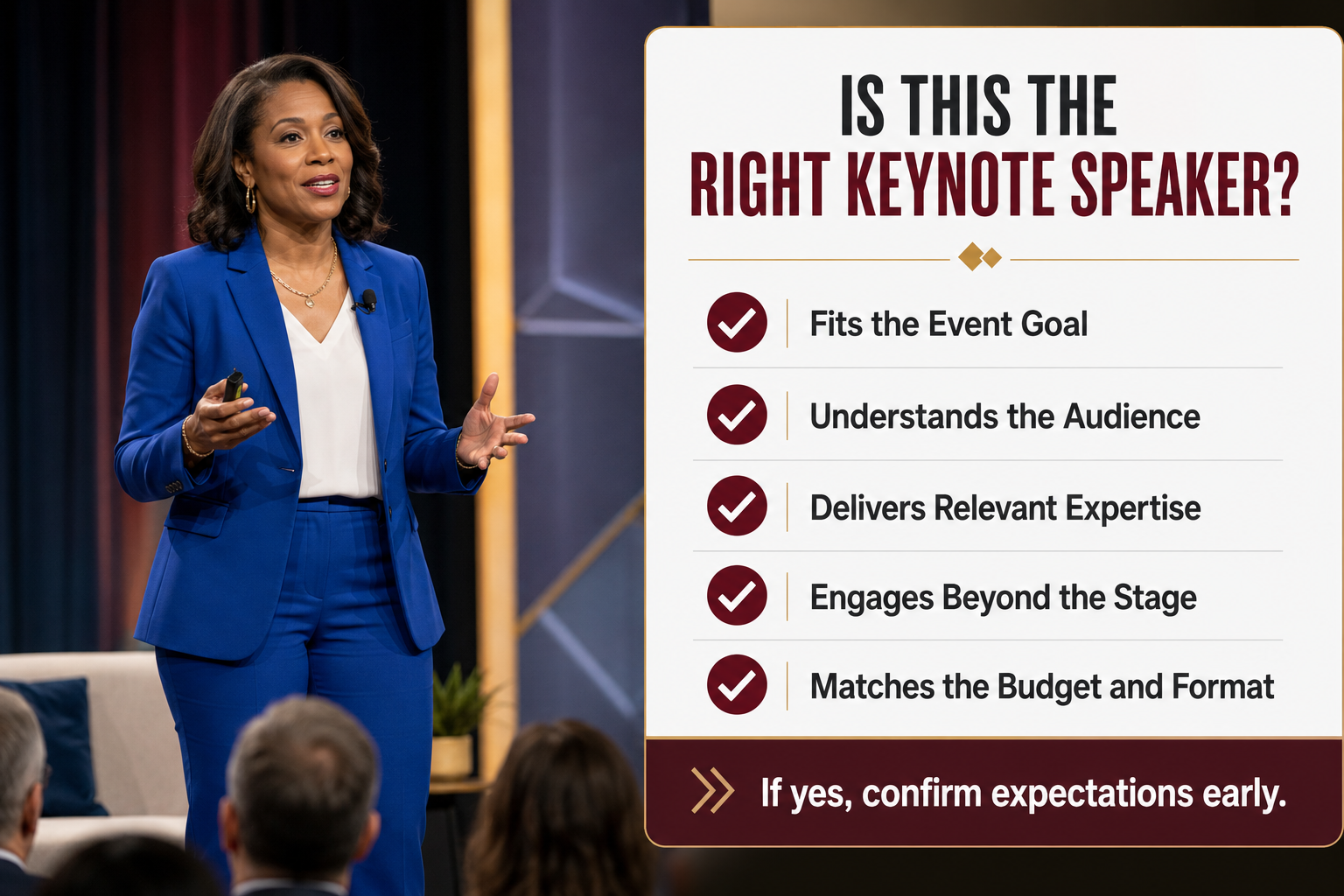
Selecting a keynote speaker is a decision about audience fit, topic expertise, credibility, customization, format, and event outcomes. For universities and colleges, multinational corporations, professional associations, and school districts, that choice affects audience engagement, the event’s credibility, and whether the program actually supports the organization’s goals.
Drew Rhoden works with organizations seeking a professional keynote speaker who can connect leadership, communication, education, law, athletics, and business in ways that fit the audience and the purpose of the event. This page is built to help planners evaluate and choose the right speaker for different organizational needs and event formats. Speaking engagements are planned through DrewRhoden.com with the broader professional insight of Masterly Consulting Group.
The Wrong Speaker Can Weaken a Strong Event
Event teams make major investments before a speaker reaches the stage. They secure the venue, coordinate travel, manage registration, communicate with sponsors, plan the agenda, and promote the program. The keynote often becomes one of the most visible parts of that work.
When the speaker is not aligned with the event, the effect can spread beyond one session. Attendees may disengage early. Sponsors may question the value of the program. Association members may feel the agenda did not address their needs. Employees may view the event as disconnected from their daily work. Students and educators may struggle to see how the message applies to their environment.
That experience can affect the organization’s reputation. Attendees often remember how a keynote made them feel and whether the message respected their time. They may use that experience when deciding whether to attend another event, renew a membership, participate in professional development, or recommend the program to others.
A strong keynote should support the event’s purpose, not compete with it.
Audience Fit Should Come Before Speaker Popularity
Different audiences bring different experiences, pressures, and expectations into the room. A message designed for corporate executives may not connect with college students. A presentation for association members may need a different tone from one delivered to a school district leadership team.
Audience fit means understanding who will attend, including audience demographics, what they already know, what they are facing, and why they agreed to participate.
Before a speaking engagement, useful context may include, and some event teams use a simple process or scoring rubric to evaluate fit more consistently:
- Audience demographics
- The roles and experience levels represented
- The organization’s current priorities
- The event theme and purpose
- Challenges affecting the audience
- Messages attendees have already received
- Cultural or industry considerations
- The desired tone of the session
- What participants should think, feel, or do afterward
Drew Rhoden works with event leaders to understand this context before finalizing the message. This allows the presentation to meet the audience at the right level while remaining connected to the larger program.
A Keynote Speaker Should Support Clear Event Goals and Outcomes
An event outcome is the change an organization wants the presentation to support, which is why the importance of defining that result before choosing a speaker is hard to overstate. The goal may be stronger leadership, clearer communication, better decision-making, greater resilience, renewed accountability, or a more practical understanding of professional responsibility.
These outcomes should influence the speaker selection.
A keynote cannot solve every organizational problem in one session. It can, however, give the audience a shared language, introduce a useful perspective, challenge an unhelpful assumption, or create momentum for continued work.
The strongest event outcomes are clear enough to shape the presentation, and the right choice is the speaker whose message supports them. Instead of requesting a general talk about success, an organization might want leaders to communicate expectations more clearly during change. A university may want students to connect personal choices with long-term professional credibility. An association may want members to leave prepared to address uncertainty within their organizations.
Clarifying the desired result helps turn a speech into a purposeful, high-relevance part of the event.
Topic Expertise Must Extend Beyond a Presentation Title
Many keynote speakers can deliver a polished talk. Fewer can connect the topic to real situations that the audience recognizes.
Topic expertise includes more than knowing common principles, and it should include reviewing a speaker’s past engagements to verify how that expertise has been applied. It requires the ability to explain why an issue matters, how it appears in different settings, and what people should consider when they return to their work.
Drew Rhoden brings experience across legal practice, education, athletics, business, executive leadership, and professional communication. This cross-disciplinary background supports presentations for audiences that need practical connections between leadership principles and real responsibilities.
Depending on audience fit and event goals, topics may address areas such as:
- Leadership and decision-making
- Communication and professional credibility
- Accountability and team performance
- Resilience during change
- Preparing for larger responsibilities
- Organizational culture and trust
- Professional growth
- Lessons from law, education, athletics, and business
The final topic and scope should be confirmed through a fit conversation and interview with the speaker to assess alignment with the event. This gives the organization an opportunity to discuss its priorities and, when practical credibility matters, to look for evidence-based insights supported by research so the presentation remains focused.
Credibility Helps an Audience Trust the Message
Audiences quickly notice when a speaker relies on broad statements without practical understanding. They may enjoy the stories but question whether the lessons apply outside the room.
Credibility comes from experience, preparation, sound judgment, authenticity, emotional intelligence, and the ability to communicate complex ideas clearly. These traits help create trust with the audience. It also requires honesty about what a single keynote can and cannot accomplish.
Drew Rhoden’s professional background allows him to speak from several perspectives. His work has included legal, executive, educational, business, and athletic environments. These experiences help him address leadership and communication as practical responsibilities rather than abstract ideas.
This range can be especially useful for events with mixed audiences. A professional association may include executives, managers, educators, entrepreneurs, and emerging professionals. A university audience may include students, faculty, administrators, and community partners. A multinational corporation may bring together leaders from different functions, regions, levels of experience, or backgrounds that reflect diversity.
A credible speaker should find the shared issue without pretending every participant faces the same situation.
Customization for Organizational Culture Makes the Keynote Relevant
Customization is a deliberate strategy, not a full rewrite of every idea from the beginning. It means connecting the core message to the specific audience, event, and desired result.
A customized presentation may reflect the organization’s terminology, industry, audience roles, event theme, current priorities, or recent changes, and strong speakers can adjust their presentation style in real time when the room requires it. It may also account for topics that should receive greater attention or subjects that are outside the intended scope.
This preparation helps prevent a presentation from feeling generic. It also allows the keynote to support other parts of the agenda.
For example, an opening keynote may establish a shared theme that later sessions develop and align with the overall theme of the event. A closing keynote may help participants connect ideas from the event and carry them forward. A professional-development presentation may need clear points that managers can reinforce after the program.
DrewRhoden.com works with event organizers before the engagement to discuss the audience, objectives, format, and message. This collaborative planning process supports a more relevant experience without placing the full burden of content development on the client.
The Right Format Depends on the Event
The format of a keynote affects how the audience receives the message across the event or wider gathering. A large conference opening has different needs from an executive retreat, campus program, association meeting, or district-wide professional-development event.
Organizations may need:
- An opening keynote that establishes direction
- A closing keynote that connects ideas to future action
- A conference keynote speaker for a general session
- A presentation for a university or college audience
- An executive or leadership address
- A professional-association keynote
- A school district or staff-development presentation
- A virtual or hybrid speaking format
- A keynote paired with a moderated conversation, sometimes with room for networking or social media engagement around the session
- A keynote connected to a workshop or smaller session
The best format depends on the audience size, room setup, schedule, technology, learning goals, and role of the presentation within the event.
A fit conversation allows both parties to confirm whether the requested format supports the intended outcome and helps the speaker engage the audience in the right way.
Keynote Speaking for Universities and Colleges
Higher-education events may bring together students, faculty, administrators, alumni, or community leaders. Each group has different needs, but many campus programs share concerns related to leadership, professional identity, communication, resilience, responsibility, mental health, and preparing for future opportunities.
A university keynote should respect the intelligence and experience of the audience while making the message clear and useful. An inspirational speaker for a campus audience should connect ideas to students’ and educators’ real circumstances, not just deliver general motivation. Students may need examples that connect present choices to future credibility. Faculty and administrators may need a message that recognizes the complexity of leading institutions and serving diverse communities.
Drew Rhoden’s experience in education, law, athletics, and leadership provides a broad foundation for conversations across a campus community.
Speaking for Multinational Corporations
Multinational corporations and companies often include employees from different roles, regions, cultures, and levels of authority. A professional keynote speaker must communicate a clear central message without assuming that every participant shares the same experience.
Leadership, accountability, communication, innovation, and decision-making can provide common ground, but examples and language should remain respectful of the audience’s range.
Drew works with event leaders to understand the organization’s priorities, participant profile, and desired result before shaping the presentation, including whether business audiences expect data-driven insights. This supports a message that feels connected to the event without relying on narrow assumptions about the audience.
Conference Keynotes for Professional Associations
Professional associations need programs that respect their members’ time and knowledge. Attendees may be looking for practical ideas, new perspectives, professional connection, inspiration, or renewed clarity about their responsibilities.
A conference keynote speaker can help establish a shared direction across members from different organizations. The presentation should complement the technical sessions and give attendees a broader idea they can continue discussing throughout the conference, using storytelling and humor to help the message resonate without repeating technical content. Effective conference keynotes often engage through storytelling, visuals, and humor while still serving the conference theme.
Drew Rhoden can work with association leaders to connect the keynote to the conference theme, member needs, and intended outcomes. The focus remains on serving the audience rather than placing the speaker at the center of the event.
Keynote Engagements for School Districts
School districts serve many groups, including administrators, teachers, coaches, support professionals, and community leaders. A district-wide event may need a message that connects these roles without oversimplifying the demands placed on educators.
Relevant topics may include leadership, communication, accountability, resilience, trust, leadership development, professional responsibility, and the influence adults have on students and colleagues.
Drew’s background in education, athletics, law, and leadership supports presentations that recognize both the human and professional sides of educational work, including the role of overcoming adversity in how educators serve students and one another. The engagement can be discussed around the district’s audience, purpose, and program format.
Why Organizations Consider Drew Rhoden
Organizations hiring keynote speakers need confidence they are making the right choice for their next event and that the presenter will prepare, communicate clearly, and respect the event’s purpose.
Drew Rhoden offers a combination of professional experience and cross-sector perspective. As a great speaker for cross-sector audiences, he brings experience from law, education, athletics, business, leadership, and communication. This allows him to connect with audiences that may not fit into one narrow industry category.
Through DrewRhoden.com and Masterly Consulting Group, clients receive a coordinated engagement focused on:
- Audience and event alignment
- Clear topic definition
- Practical examples
- Message customization
- Format planning
- Professional communication
- A keynote speech connected to the desired event outcomes
The first step is a fit conversation. This allows the organization to explain the event, audience, goals, date, location, and format before either party confirms the engagement and determine whether Drew is the perfect match for the event.
Frequently Asked Questions About Hiring a Keynote Speaker
What does a keynote speaker do?
A keynote speaker delivers the key note or central message that supports the event’s theme, audience, and intended outcomes, setting the tone for the overall gathering. The keynote often opens, closes, or anchors the program to inspire the audience.
What types of organizations can book Drew Rhoden?
DrewRhoden.com welcomes qualified inquiries from universities and colleges, corporations, professional associations, school districts, thought leaders, and other organizations planning leadership or professional programs, including association audiences and business programs for the entrepreneur.
Can the keynote be customized?
Yes. Customization can reflect the audience, event theme, organizational priorities, and desired outcomes so the keynote stays relevant to the audience and event goals. The final scope is discussed before the engagement, with the aim of creating a presentation that will resonate with the audience.
What topics does Drew Rhoden address?
Potential topics include leadership, communication, accountability, decision-making, resilience, professional credibility, culture, and lessons drawn from law, education, athletics, and business.
Can Drew serve as a conference keynote speaker?
Yes. Organizations may request Drew for opening, closing, or general-session conference presentations over the course of a conference, subject to audience fit, scheduling, agreed scope, and alignment with the overall theme.
Does Drew offer virtual presentations?
Virtual or hybrid formats may be considered based on the event’s goals, technology, schedule, and audience.
How long is a keynote presentation?
The appropriate length depends on the program and desired outcome. Timing and format are confirmed during event planning.
How far in advance should an organization inquire?
Organizations should inquire as early as practical, especially for major conferences or fixed event dates. Availability depends on the schedule and engagement requirements.
How much is the speaking fee to hire a professional keynote speaker?
Speaking fees depend on the event format, location, preparation, travel, customization, and related requirements, and the speaking fee should be weighed against your budget during planning. The lowest speaking fee does not automatically make someone the perfect keynote speaker. A fit conversation is needed before pricing can be confirmed, so organizations can balance fee, fit, and event impact.
What information should be included in an inquiry?
Helpful details include the event date, location, audience, expected attendance, format, theme, desired outcomes, and requested presentation length.
Request Speaking Availability and a Fit Conversation With Drew Rhoden
Choosing the best keynote speakers begins with a clear conversation about fit, including the audience, event purpose, topic, format, and desired result, rather than name recognition alone.
If your university, college, corporation, professional association, or school district is considering a professional keynote speaker, contact DrewRhoden.com to discuss audience fit, customization, event outcomes, and availability, and to find a speaker whose message will leave a lasting impression on attendees.
Visit DrewRhoden.com or call (888) 209-4055 to request speaking availability and a fit conversation with Drew Rhoden for your next event.
share this
Related Articles
Related Articles