


Motivational Speakers for College Students: What Campuses Should Look for Before Booking
Booking a motivational speaker for college students is one of the highest-impact decisions a campus event planner can make-and one of the easiest to get wrong. This guide walks student-affairs teams through a step-by-step process for choosing a speaker who genuinely fits your students, your goals, and your budget.

Why Motivational Speakers for College Students Still Matter in 2026
College students face various challenges that can hinder their potential, and the data confirms the urgency. The American College Health Association's Fall 2024 National College Health Assessment found that roughly 30% of students reported anxiety negatively impacting their academic work, while just over 65% agreed they feel they belong at their institution. Meanwhile, a Gallup-Lumina 2024 study revealed that 35% of current college students have considered leaving their program in the last six months-with emotional stress (54%) and mental health issues (43%) leading the way.
Retention numbers reinforce the problem. For four-year colleges, nearly one in five first-year students did not return for their second year between 2022 and 2023, according to Gallup's education research. That's a staggering loss of talent, tuition revenue, and community momentum.
The right motivational speaker does more than deliver a pep talk. Resilience helps students navigate challenges in college and life, and a well-chosen speaker can reinforce that resilience while strengthening campus engagement, supporting career readiness, and reducing dropout risk. The difference lies in strategic programming: talks connected to student-affairs goals-retention, first-year success, student leadership, first generation college student support-rather than one-off feel-good keynotes that generate energy in the moment but no measurable change afterward.
This article will walk campus event planners through every step: clarifying goals, assessing audience fit, picking resonant topics, identifying high-impact qualities, and budgeting for real ROI.
Clarify Your Campus Goals Before You Book a Speaker
If you're on a student-affairs team, orientation committee, or student activities board, the most important work happens before you ever review a speaker's reel. Start by defining what you want students to do, feel, and know after the event-and connect that to institutional priorities.
- First-year welcome and orientation - help new university students see themselves as members of campus and start strong academically and socially.
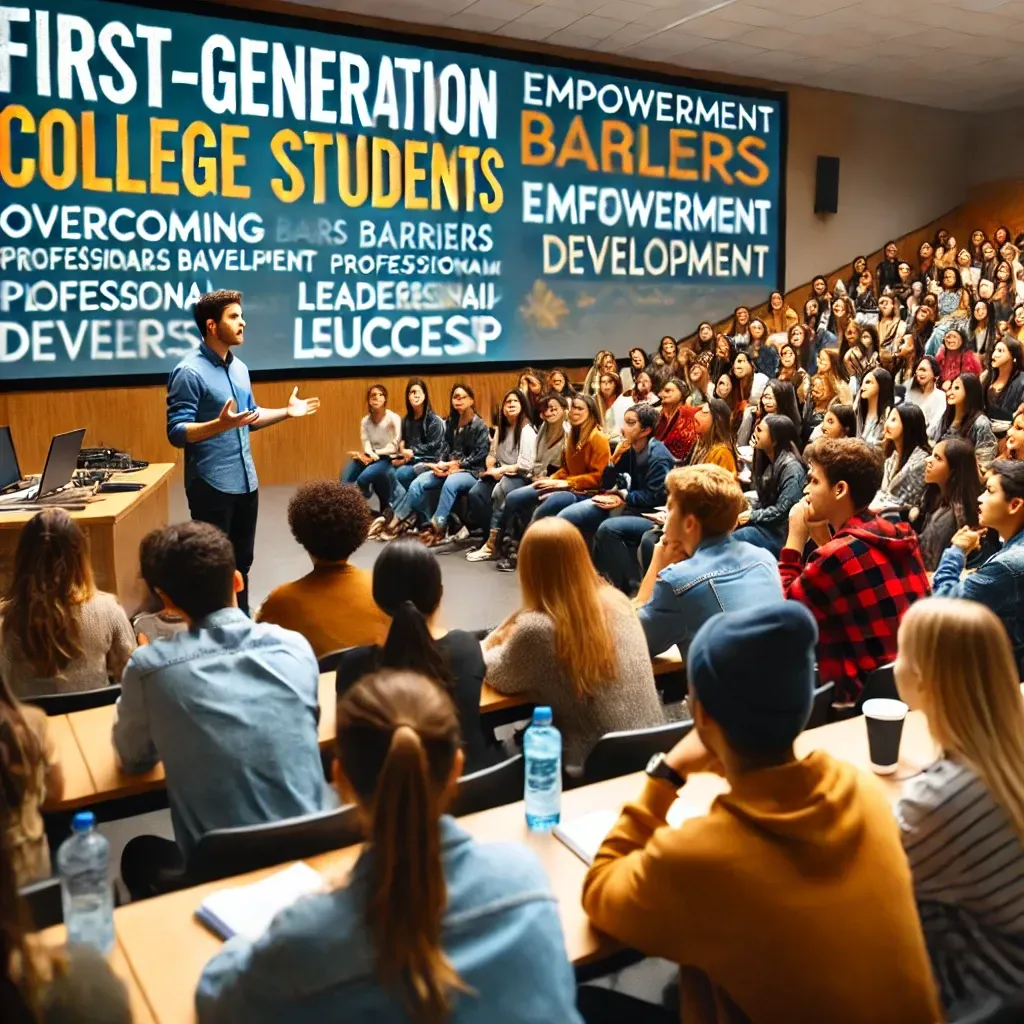
- First Generation College Student Success Week (November) - spotlight first-gen identity, resources, and confidence building during a dedicated campus program.
- Mental health awareness month - normalize anxiety and teach coping tools that students can carry through the semester.
- Student leadership retreats - develop inclusive leadership, help student leaders navigate team dynamics and emotional labor.
- Career-readiness week - cover internships, networking, and managing imposter syndrome for students approaching the job market.
- Transfer and commuter student integration - build connection to campus life for populations that often feel invisible.
Define two to three measurable outcomes for the event: survey scores on belonging before and after, sign-ups for counseling or career services, or increased participation in leadership positions. Create a one-page event brief that includes your audience breakdown-class year, majors, commuter vs. residential, percentage of first-generation students, and known pain points. This clarity makes it far easier to compare campus motivational speaker options and justify budgets to deans and funding committees.

Audience Fit: What Today's College Students Actually Respond To
Most people assume a famous name guarantees a successful event. It doesn't. Today's college students are digital natives with mainstream mental health literacy, high expectations for social awareness, and shorter attention spans shaped by TikTok and YouTube. They judge a speaker not by celebrity status but by how much that person "gets them."
College students prefer speakers who are relatable and authentic. Effective motivational speakers for college students share personal vulnerabilities-not just polished success stories. Students benefit from seeing relatable success in speakers' backgrounds, and they respond to two-way interaction far more than passive lectures. A study from a Hispanic-serving university (N=263) found that first-gen and female students demonstrated the greatest investment in guest speakers who were passionate, knowledgeable, and shared concrete industry examples.
Specific student segments need nuanced attention:
- First generation college student audiences deal with the "hidden curriculum," family expectations, and imposter syndrome.
- Transfer students may feel like outsiders who are behind socially.
- International students need to feel seen across cultural divides.
- Student leaders carry the emotional labor of leading peers.
- Athletes face performance pressure and identity questions beyond sport.
- Graduate students navigate burnout and career transitions.
Speakers should connect their expertise with student interests and challenges. Before you book, ask prospective guest speakers for recent recordings with student audiences-not corporate crowds-and watch how the room actually looks. Are students engaged? Are phones down? Also consider running a quick pre-event poll with resident assistants or student government to confirm the topics and tone will land.
Core Topics That Resonate: From Resilience to Career Readiness
Here is a menu of proven, high-demand themes for motivational speakers for college students in 2024–2026. The best speakers can tailor content to first-year orientation, senior send-off, or specialized cohorts like STEM scholars, honor programs, or TRIO participants.
- Resilience and mental health - coping with anxiety, academic pressure, social comparison, and burnout. Resilience is essential for career success according to Forbes, and resilience and curiosity together form the foundation of long-term career success. The right talk helps young people realize that resilience can turn giving up into standing out in life. Speakers like Summer Owens help students overcome obstacles with practical strategies that go beyond generic positivity.
- Student leadership development - leading clubs, navigating positional vs. informal leadership, and inclusive leadership for diverse students. Leadership programs help students identify their unique strengths, and students can turn self-doubt into impactful leadership when given the right framework. Women face unique challenges in leadership roles, and strong speakers address this directly.
- Career readiness - internships, LinkedIn presence, networking for first generation college student populations, and managing imposter syndrome in competitive majors. Practical takeaways are essential for student engagement in motivational talks-students want actionable steps they can use the next day.
- Identity and belonging - race, gender identity, first-gen status, commuter vs. residential experience, and navigating bias on campus. Dr. Mae Jemison became the first woman of color in space in 1992, and her story illustrates the power of representation for university students dealing with systemic barriers.
- Personal development and mindset - helping students take ownership of their own lives, develop a positive attitude, and build self esteem through daily habits rather than abstract motivation.
Signs of a High-Impact Campus Motivational Speaker
Credentials alone-degrees, books, media appearances-don't predict whether a speaker will connect with student audiences. Empowering students builds confidence and leadership skills, but only when the person on stage has proof of engagement and transformation, not just a polished bio.
Look for these indicators:
- Repeat college bookings - a speaker rebooked by similar campuses is a strong signal.
- Video of live Q&A with students - not just the keynote reel, but the unscripted interaction.
- Recent testimonials - feedback from student affairs professionals dated within the last two to three years.
- Feedback metrics - did attendance at follow-up workshops rise? Did first-year retention improve in programs that included the speaker?
Speakers should be credible and relevant to the event's goals. Cody Keenan's commencement addresses were highlighted as some of the year's best, and Lisa Ling received a standing ovation at University of Louisiana-Monroe-but the question isn't whether they can wow a room. It's whether they create a lasting impact that extends beyond the hour.
Flexible speakers adjust their content for diverse audiences and specific campus needs. Ask for sample agendas, learning outcomes, and follow-up resources like reflection guides, advisor toolkits, and RA discussion prompts. Strong campus motivational speakers can shift from a keynote speaker format to workshops, student focus groups, or retreats when needed.

Key Questions to Ask Before You Book a Speaker
Use this as a pre-booking checklist you can paste directly into your internal planning doc. Customization of the speaker's message enhances audience relevance, and these questions will help you evaluate that before signing a contract.
- What experience do you have speaking to an audience like ours (first generation college student, commuter, international, student leaders)?
- Can you provide recent video or audio recordings of presentations with college students, preferably a similar demographic?
- How do you handle sensitive topics such as mental health, substance abuse, trauma, or peer pressure? What's your approach to content warnings and inclusive language?
- If technology fails-microphone, slides, online platform-what is your backup plan?
- How will you customize your message to our campus culture, values, and recent challenges or milestones? Do you include local touchpoints like campus traditions or student voices?
- How do you involve student leaders or volunteers during the event-live polls, role play, student panels, or live coaching?
- What is your in-person vs. virtual pricing? What's included in your fee (travel, lodging, prep time)? Are there discounts for multiple sessions in the same day?
- Can you share examples of campus programs or organizations you've supported where you delivered measurable outcomes?
Balancing Inspiration with Evidence-Based Strategy
High-energy keynotes deliver enthusiasm, but most people walk away from pure hype without changing a single behavior. The most effective college motivational speakers ground their talks in student development theory and learning science-translating research into language young people actually use.
A growth mindset includes resilience and curiosity as key components, and speakers who explicitly draw on frameworks like Carol Dweck's growth mindset research, belonging theory, or trauma-informed practices tend to produce more durable outcomes. Gretchen Rubin's book
The Secrets of Adulthood inspires life management through habit formation rather than willpower alone-an approach that resonates with students dealing with the transition to independence. However, negative messaging about effort alone can be unhelpful for students; effective speakers pair challenge with support.
Ask your speaker: "What frameworks inform your content, and how do you make them accessible to a 19-year-old?"
Align talks with existing campus initiatives-counseling services, career services, multicultural affairs, and student leadership programs-so the event becomes part of a broader learning arc. Consider building a mini arc across the year: a fall resilience keynote, a spring student leadership retreat, and recurring workshops. This creates a ripple effect that a single event cannot achieve on its own.
Making It Engaging: Format, Interactivity, and Humor
Format can make or break a speaker's connection with college students who consume content in 30-second clips. A single lecture-style talk rarely holds an auditorium's attention for an hour.
- Consider a mix of formats: student assemblies, small-group workshops, interactive retreats, and Q&A sessions designed specifically for student leaders.
- A speaker who brings humor and storytelling can lower defenses while still addressing serious topics like mental health, identity, and failure. Engaging speakers incorporate storytelling to maintain attention far better than slide decks full of bullet points.
- Interactive elements help maintain attention from college students. Use live polls, brief reflection exercises, and short peer-to-peer conversations to keep large rooms engaged.
- High engagement from the speaker is necessary to keep students interested-energy management during speeches is crucial for engaging college audiences, especially in late-afternoon or post-dinner time slots.
- Guest speakers should be comfortable with hybrid or virtual options for commuter campuses or multi-campus systems, where not every person can be in the room.
A highly engaging talk encourages students to stay, participate, and carry the message forward.
Serving First Generation College Students and Other Underrepresented Groups
First Generation College Student Week is in November, and First Generation Celebration Day is on November 8th. These observances-along with identity-based programming throughout the year-underscore the need for speakers who don't just represent underrepresented identities but address their unique challenges explicitly.
- First-generation students often face unique challenges in college, including family expectations, financial pressure, and frequent imposter feelings. They may lack familial guidance in higher education, meaning they navigate bureaucracy, office hours, and internship searches without inherited mentorship.
- First-generation students are often motivated by personal and community goals-honor, family, and the desire to create opportunity for others. The right speaker names this motivation and builds on it.
- Prioritize speakers who have lived experience as a first generation college student, or who have a track record working with TRIO, EOP, Puente, and similar programs.
- Topics that resonate: navigating office hours, finding internships without networks, financial aid literacy, and designing a college journey that honors home responsibilities.
- Similar care applies when choosing speakers for students of color, LGBTQ+ students, parenting students, and students with disabilities-each audience deserves representation and nuance.
- Speakers should respect inclusivity and cultural backgrounds of students. Cultural competence is important for speakers engaging with college audiences, and this goes beyond surface-level references.
- Concrete program examples: first-gen welcome banquets, November celebration weeks, summer bridge programs, and ongoing mentorship tied to the speaker's content.

Budgeting, Logistics, and Measuring ROI
Student affairs budgets remain tight in 2026, and programming boards face real pressure to justify every dollar. Here's how to think about cost and value.
- Under $10,000 - typically local or regional speakers, shorter prep, possibly virtual delivery. Good for single sessions or smaller cohorts.
- $10,000–$25,000 - national speakers with moderate customization, some travel, and the ability to deliver multiple engagements in one visit.
- $25,000+ - high-profile names, full customization, multi-day engagements with keynote plus workshops and retreats.
- Stretch budgets by co-sponsoring across departments (leadership, wellness, diversity, career services), booking a speaker for multiple sessions, or mixing in virtual engagements during tight years.
- Logistical musts: AV checks well before the event, accessibility accommodations (captioning, mobility access), a clear run-of-show, student volunteers for meet-and-greets, and coordination with campus security and facilities.
- Measure ROI through attendance numbers, post-event surveys (before/after belonging scores), and tracking engagement with related campus resources in the weeks following. Capture photos and short video testimonials on event day for assessment reports and future education programming.
How to Prepare Students and Amplify the Impact Afterward
Impact depends as much on what happens before and after the event as the hour on stage.
- Pre-event build-up: Social media campaigns led by student leaders, short teaser videos from the speaker, class and RA announcements, and framing questions for students to consider ("What fears do I carry into this semester?").
- Post-event actions: Reflection prompts embedded in first-year experience courses, discussion guides for residence halls, follow-up emails with key takeaways and links to campus resources (counseling, career center, mentorship programs).
- Tangible next steps: Encourage sign-ups for student leadership roles, counseling service workshops, career center appointments, or mentoring programs. Concrete actions for students post-talk increase speech effectiveness and help inspire students to take the next step.
- Same-day capture: Collect photos and short video testimonials from participants immediately to use in future marketing, social media, and assessment reports for deans and funders.
The goal is to create a world where the speaker's message lives well beyond the event-embedded in campus culture and daily student life.

Working with DrewRhoden.com to Serve Your Campus
We built DrewRhoden.com around one focus: serving college students and university audiences-not generic business events. Our speaking and programs are designed for the school, the campus, and the community that lives there. We work with campuses on new-student convocations, First Generation College Student Week programming in November, student leadership retreats, RA trainings, and career-readiness series.
Our content is built around resilience, student leadership, and campus engagement, with every talk tailored to first generation college student communities and diverse young people. We don't deliver the same talk twice. We prioritize audience fit by meeting with campus planners and student leaders in advance to understand your campus culture, challenges, and goals-because that understanding is what turns a good talk into a positive impact that students recognize for years.
We believe most people achieve more when someone helps them see their own ability and power. That's our approach: empower students to take ownership of their journey and engage with the education, career, and life they're building.
Ready to book? Request speaking availability for your college or university audience at DrewRhoden.com. We encourage early booking for high-demand dates in August, September, and January-the windows when campuses need speakers most and availability fills fast.
share this
Related Articles
Related Articles