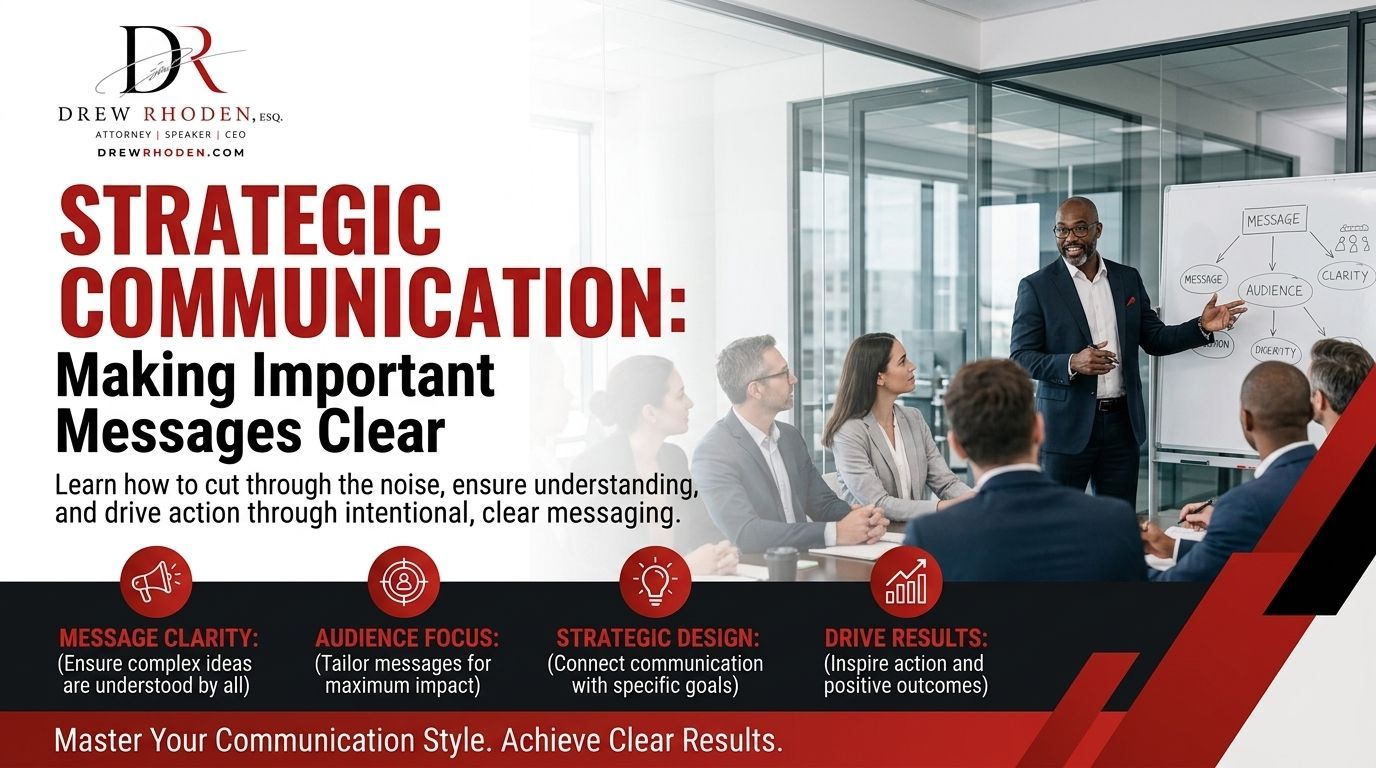





Corporate Keynote Speaker: Choosing a Practical Message Leaders Can Use After the Event
A corporate keynote speaker can transform events from ordinary to extraordinary-but only when the message survives past the closing reception. In 2026, event planners, association executives, HR and L&D leaders, and conference producers face the same question: will the keynote deliver big ideas that actually change how leaders operate, or will it be a motivational moment that fades by Monday?
The difference matters. Effective keynote speakers inspire audiences with personal stories, yes. But the best ones also provide actionable strategies for immediate implementation. Think about speakers like Simon Sinek, whose books include Start with Why and The Infinite Game, or Brené Brown, who emphasizes authenticity and empathetic leadership. What separates them from forgettable podium fillers is that their messages become operating language inside organizations. A skilled keynote speaker ignites passion and purpose in attendees-and gives them something to carry back to their teams.
Andrew Rhoden brings a rare combination to the stage: an attorney's precision, a business leader's strategic instinct, and years of experience as a conference keynote speaker and business keynote speaker working with leadership teams. This article walks you through how to choose, align, and maximize the impact of a corporate keynote speaker so leaders actually use what they hear.
"If your keynote can't be used in Tuesday's leadership meeting, it didn't earn its stage time."
Ready to explore what that looks like? Start by requesting Andrew Rhoden's speaking topics and availability.

What a Corporate Keynote Speaker Actually Does for Today's Organizations
The keynote has evolved from a one-way motivational business speaker slot into a strategic tool inside leadership development ecosystems. Effective speakers command attention and set the event's tone, but in 2026, organizations expect more: concrete shifts in behavior, alignment around strategic priorities, and shared language that outlasts the event.
According to Speakers Inc's 2026 trends report, keynote briefs now start with a business objective before a speaker name. Planners want measurable outcomes-not just memorable moments. Leadership experts and thought leaders are expected to demonstrate relevance to the audience's industry and challenges, and keynote speakers shift attendees' perspectives and broaden horizons through content designed for real application.
Corporate event formats where keynotes create the most leverage include annual leadership summits, global sales kickoffs, association conventions, and executive offsites. Unlike a workshop facilitator (who runs small-group skill practice) or an internal executive presenter (who may lack external perspective), a leadership keynote speaker delivers a single, high-impact session that primes the entire audience for change. Speakers should present in an engaging manner and interact with audiences, and great speakers challenge assumptions and introduce fresh perspectives. Creating opportunities for audience interaction enhances engagement significantly.
Adam Grant's TED talks have millions of views on motivation precisely because his content offers diverse perspectives grounded in research. Matt Tenney aims to reach 1 million leaders by 2030 through a similar approach: practical frameworks, not platitudes.
Here are the key functions a corporate keynote speaker fulfills:
- Set the tone: Signal strategic priorities-risk, culture, innovation, trending topics-from the opening moment.
- Translate strategy into leadership behaviors: Connect a digital transformation roadmap or governance initiative to what managers do differently tomorrow.
- Model leadership behaviors: Demonstrate decision making under uncertainty, risk awareness, and accountability.
- De-risk change efforts: Ease anxiety and give leaders practical tools to navigate transformation.
- Unify culture: Create shared language and fresh perspectives across divisions, reinforcing purpose and accountability.
Consider a Fortune 500 tech company launching its digital transformation roadmap for 2027–2030. A keynote speaker might translate that roadmap into specific collaboration behaviors for product, legal, and operations leaders-then provide a decision framework those leaders reference for months.
From Inspiration to Implementation: Choosing a Practical Leadership Keynote
The central promise of this page is simple: move beyond feel-good stories to a leadership keynote that drives decisions, conversations, and behaviors after the event. Keynote speakers provide actionable strategies for immediate implementation-or they should. Keynote speeches should be customized for specific events, and speakers should demonstrate relevance to the audience's industry and challenges. Avoid speakers who deliver a rigid, one-size-fits-all speech; that's how messages die on the drive home.
"Practical" means frameworks leaders can apply immediately, decision tools they can reuse in one-on-ones, and question sets that structure team meetings. It means actionable insights, not abstract encouragement.
Compare two hypothetical agendas:
- Generic motivational talk: 60 minutes of high energy storytelling, broad leadership clichés, emotional uplift. A regional VP leaves inspired but uncertain what to change. By Thursday, the message is gone.
- Practical leadership keynote: 60 minutes with tailored case studies, a decision-making framework, built-in reflection, and a take-home checklist. The same VP returns with three specific behaviors to implement-integrating risk conversations, aligning cross-team KPIs, leading with psychological safety-and coaches direct reports accordingly.
Here's a checklist for testing whether a keynote is truly actionable:
- Does the speaker spend meaningful time on case studies specific to your sector, or rely on generic stories?
- Is there a clear framework or model attendees can apply immediately in their own context?
- Are practical tools, checklists, or templates provided (digital or print) that leaders can reuse?
- Are reflection or small-group activities built into or recommended alongside the keynote?
- Has the speaker researched your organization's strategic goals, audience profile, and challenges?
Leadership development topics that benefit most from this practical framing include navigating digital transformation, managing legal and regulatory risk, rebuilding trust after restructuring, and strengthening corporate culture. When planners select the right leadership keynote speaker, they select someone who leaves actionable lessons behind-not just applause.

How to Align Your Corporate Keynote Speaker with Strategic Goals
Selecting a keynote speaker involves finding someone who supports event goals-which means the event planning process needs to start 60 to 180 days before the event itself. Define your event goals before selecting a speaker, and define the primary goal of the conference when selecting a speaker. Only then can you find the right speaker.
Begin by mapping the keynote against specific strategic priorities: integrating a major acquisition, launching international expansion, or hitting digital transformation milestones for 2027. Align the speaker's expertise with your event's theme so the content reinforces what your leadership team is already working toward.
Leadership teams should co-create a short "success brief" with the speaker. This brief includes the audience profile (seniority, functional mix, mindset), top three business challenges, and two to three behaviors the organization wants to see change by a specific quarter. Customize speeches by incorporating company terminology and internal challenges so the message feels native, not imported. Cross-functional input from HR, Legal, Operations, and Finance ensures the keynote reflects real constraints leaders work within.
A speaker with both legal and business experience, like Andrew Rhoden, can translate complex risk, compliance, or governance themes into accessible leadership tools-risk assessments, compliance checklists, decision matrices-that an executive leadership speaker with only a motivational background simply cannot.
Questions to Align the Keynote with Strategy:
- What are the top three strategic priorities my leadership team must own in the next 12–18 months?
- Which leadership behaviors (cross-functional collaboration, risk awareness, trust) will deliver on the event's goals?
- What internal constraints (legal, regulatory, budget, market) should the speaker understand?
- How will we reinforce the keynote after the event (leader meetings, follow-up metrics, accountability)?
Budget & Fee Range: Paying for Impact, Not Just a Name
Speaker fee range dynamics depend on experience, visibility, subject-matter expertise, customization depth, and format. According to Talkadot's 2026 data, the median corporate team speaker fee is $4,500, while Headliner Bureau reports tiers ranging from $2,500 for emerging experts to $100,000+ for top-tier authorities.
High-profile names-a former ceo, former director, bestselling author, co founder of a celebrated startup, venture capital investor, New York Times bestselling author, world champion athlete, nfl player, visiting professor, or social entrepreneur-command higher fees. Celebrity speakers and york times bestsellers bring name recognition, but lesser-known leadership experts may deliver more tailored, practical value. Alison Levine, who led the first American Women's Everest Expedition, and Jocko Willink, who teaches Extreme Ownership principles for leadership, prove that real authority comes from lived experience-but the best keynote speakers for your event may be practitioners rather than celebrities.
How to Think About Fee Range and Value:
- Calculate cost per leader impacted (e.g., $15,000 fee ÷ 300 attendees = $50/leader for potentially career-changing frameworks).
- Higher customization (pre-event interviews, tailored case studies) adds cost but multiplies relevance.
- In person events involve travel and production; virtual or hybrid formats shift costs toward tech and engagement design.
- Compare keynote fee to total event budget (venue, production, travel). Underfunding the central message undermines the whole investment.
- Don't tie budget to a name alone. A president of a recognized firm or an innovation expert might deliver less actionable content than a speaker whose genuine experience enhances their subject-matter expertise.
For Andrew's fees, request a custom quote based on your event size, format, and preparation requirements.
What Sets Andrew Rhoden Apart as a Corporate Keynote Speaker
Andrew Rhoden is a corporate event speaker whose career bridges law, business leadership, and organizational strategy. With years in legal practice advising companies on risk, compliance, and governance-and parallel experience leading and advising leadership teams-Andrew brings a dual lens that most professional speakers simply don't have.
What separates Andrew is his ability to translate complex legal and regulatory realities into language leaders can use on the spot. A great speaker uses storytelling to make themes relatable, and Andrew does this by grounding every framework in real scenarios from his own career. Exceptional speakers can pivot their pacing depending on the audience, and Andrew's comfort with C-suite rooms, manager cohorts, and association audiences means his delivery adapts without losing depth.
He delivers straight talk, not theory.
As a leadership speaker and business keynote speaker, Andrew has spoken at corporate events, association conferences, and executive retreats in both in person and virtual formats since 2020. His keynotes are known for high energy delivery paired with substantive, reusable content.
Andrew's hallmark keynote strengths:
- Clarity: Avoids jargon; delivers frameworks leaders can actually apply.
- Audience engagement: Uses stories, interactive reflection, and case studies that encourage people to think differently.
- Tailored content: Conducts pre-event research to customize for each organization's context.
- Post-event usability: Frameworks, decision tools, and reflection guides that leaders reference long after the event.
- Legal-business integration: Risk awareness, compliance, governance woven into leadership development conversations.
- High energy storytelling grounded in real experience: Real authority in speakers comes from lived experience, and Andrew's career delivers that.

Sample Leadership Keynote Themes Andrew Delivers
Andrew's keynote themes are built around problems companies face right now. Each can be adapted for C-suite summits, manager academies, or association conferences, and Andrew collaborates with internal stakeholders to customize stories and examples. Keynote topics include innovation, emotional intelligence, and change management-and Andrew's library covers the topics where leadership meets legal and strategic complexity.
- Leading Through Legal and Market Uncertainty: For c suite exec and senior leaders in regulated industries. Provides scenario-planning tools, risk-calibration frameworks, and decision making structures for navigating ambiguity. Leaders walk away with a repeatable process for evaluating risk and innovation together-overcoming adversity with clarity, not guesswork.
- AI Governance and Responsible Digital Transformation: For operations, compliance, and technology leaders. Informed by the 2026 Global Leadership Study showing 53% of organizations expect leaders to use AI in strategic decision making. Covers the role of a global ai advisor mindset, behavioral science principles, and cross-functional collaboration. Draws from insights typically discussed at harvard business school–level forums and organizational psychology research.
- Rebuilding Trust After Change: For teams navigating mergers, restructuring, or leadership turnover. Focuses on how to build trust, restore psychological safety, and re-establish accountability. Keynote speakers address topics like resilience and employee engagement-this theme does both. Military leaders share insights on resilience and team cohesion; Andrew draws parallel frameworks from corporate contexts.
- Embedding Ethical Decision-Making into Organizational Culture: Equips managers with frameworks for ethical trade-offs and governance moments. Leadership speakers often focus on corporate culture and team dynamics, and this theme gives leaders language for embedding ethics into everyday decisions and team building conversations. Explores human behavior, peak performance under pressure, and sustainable accountability.
- Performance and Accountability Under Pressure: For sales leadership and division heads. Covers decision making under ambiguity, building resilience, and maintaining performance. Leaders leave with actionable lessons they can apply immediately to drive results while managing risk. Relevant across industries facing uncertainty, from finance to healthcare, supporting diversity of application.
Full topic descriptions and current availability are available by request.
Designing Your Event Around the Keynote for Maximum Carryover
A corporate keynote speaker's message sticks only when the broader event program reinforces it. Keep the keynote's messages reinforced after the conference for lasting impact. Integrating the keynote into the broader conference improves the attendee experience and ensures the content doesn't evaporate after lunch.
Interactive experiences can extend the inspiration beyond the stage. Great keynote speakers help forge lasting connections among attendees when breakout sessions and roundtables build on the keynote's frameworks. Generating audience anticipation before the event-through pre-reading materials or a short video from Andrew-can enhance engagement during events. Optimize lighting and visual branding to enhance speaker presence during delivery.
Sample Event Flow:
- Pre-event (1–2 weeks before): Short video or reading from Andrew to prime audiences and surface expectations.
- Opening remarks (CEO or sponsor) → Andrew's keynote (45–60 minutes, in person or hybrid).
- Breakout labs (small groups apply the keynote's framework to their own challenges).
- Lunch networking (attendees discuss takeaways; the keynote creates a sense of community among attendees).
- Internal leadership panel referencing the same language and actionable strategies from the keynote, creating a lasting impression across sessions.
- Closing commitments: Attendees write action steps and identify accountability partners.
- Post-event (within 48 hours): Reflection questions and leader discussion guides sent to attendees-ensuring lasting impact and sustained application.
- Follow-up sessions (30–60 days later): Virtual check-in to revisit action plans, measure progress, and reinforce actionable lessons.
DrewRhoden.com coordinates with internal event production teams and agencies to ensure alignment with your existing event marketing and communications plans.
Working with Andrew Rhoden: Process from First Call to Standing Ovation
Here's how organizations typically engage Andrew as a corporate event speaker and executive leadership speaker. Professional speakers ask detailed questions about event setups-Andrew is no exception.
Engagement Timeline:
- 90–120 days out: Discovery call to understand your audience, strategic priorities, and challenges. Co-create a success brief covering audience profile, business context, top challenges, and desired leadership behaviors. Tailor the offer to outline expectations and logistics clearly.
- 60 days out: Proposal with topic options, outline, frameworks, and sample case studies. Agree on customization depth and materials. Professionalism in speakers includes responsiveness and clarity in communication-expect both throughout.
- 30 days out: Pre-event briefing and content finalization. Internal stakeholder review ensures the message uses your language and references your initiatives. Pre-reading or prep materials distributed to attendees.
- Event week: A/V run-through, tech check (critical for virtual or hybrid formats), and final alignment with the event theme.
- Delivery: The keynote itself-interactive, reflective, and packed with frameworks leaders will reference for months.
- Post-event (30–90 days): Follow-up resources including decision frameworks, question sets, and action-planning prompts. Post-event sentiment should be captured to measure impact. Post-event evaluations can include surveys and metrics to assess effectiveness.
Andrew's commitment to practical takeaways means every engagement is designed to leave leaders with tools, not just memories.
Ready to start the conversation? Request Andrew Rhoden's speaking topics and availability.

FAQs for Hiring a Corporate Keynote Speaker
Below are common questions corporate planners and associations ask when considering Andrew or any comparable speaker for your event.
- How far in advance should we book a corporate keynote speaker? Ideally three to six months before the event. This allows time for alignment, customization, and strategic planning. Interview candidates to gauge their passion and fit before committing.
- How long should a keynote run? Typically 45 to 60 minutes for a full plenary, with Q&A extending to 75 minutes. Virtual formats may benefit from shorter sessions with more built-in interaction to combat screen fatigue.
- What customization options are available? The right keynote speaker will research potential speakers' past engagements and reviews-and you should do the same. Look for speakers who conduct pre-event interviews, tailor case studies, and adapt frameworks to your sector. Evaluate speaker credibility through references from similar organizations.
- How do virtual and hybrid keynotes differ from in person events? Virtual formats demand more frequent audience interaction, tighter pacing, and technical coordination. Hybrid events require dual-format design so remote audiences experience the same engagement as those in the room.
- How do conference keynote speakers handle sensitive topics like regulation or risk? Experienced speakers balance being informative without giving legal advice. A legal-business background (like Andrew's) adds credibility and nuance to governance, compliance, and risk content.
- What is a typical fee range? Fees depend on event scope, audience size, format, and customization level. Market ranges span from $2,500 for emerging experts to $100,000+ for top authorities. Contact DrewRhoden.com for a specific quote.
- How do we measure success? Track feedback scores immediately. Then measure leadership follow-through: are frameworks being used in subsequent meetings? Are behaviors shifting? Culture metrics and engagement data at 30, 60, and 90 days tell the real story.
More specific questions can be addressed on a discovery call once you share event details and leadership goals.
share this
Related Articles
Related Articles