




The Power of Motivation in Sports: Preparing Athletes for a Winning 2025 Season

June 26, 2025


The Role of Motivation in Athletic Success

Behind every championship win is a team driven by purpose, mindset, and belief. Motivation is more than a buzzword in sports—it is the fuel that drives athletes to train harder, recover faster, and perform at their peak. Whether on the field, court, or track, motivated athletes consistently outperform those who are simply going through the motions.


In 2025, sports organizations and individual competitors are placing even more emphasis on mindset. A top-tier motivational speaker can ignite the drive needed to elevate performance from average to elite. With the right inspiration, athletes don’t just meet expectations—they break records.


From Locker Room to Podium: Motivation at Every Level

Success in sports is not just about skill and strategy—it's about mental strength. A seasoned motivational keynote speaker brings perspective and energy that resonates with athletes and coaches alike. These sessions help shape focus, resilience, and determination across an entire team.


Programs led by an inspirational or motivational speaker don’t just aim to fire up emotions. They deliver practical techniques for setting goals, staying mentally tough, and working through adversity. This is essential in building winning cultures.


How Motivational Speakers Influence Team Culture

Great teams share more than a uniform—they share values, focus, and belief. Motivational speaking helps unify diverse personalities into one mission-driven unit. Speakers like Andrew Rhoden use compelling storytelling and real-world insights to create cohesion and clarity.

By encouraging eye contact, team-building, and strategic body language, speakers influence not just how athletes feel, but how they perform together. These shared experiences elevate locker room culture and strengthen leadership at every level.


The 2025 Season Demands a New Level of Mental Readiness

As competition gets tougher and pressure intensifies, athletes need mental tools to manage expectations and bounce back from setbacks. That’s where a strong life coach or motivational speaker becomes invaluable. They help athletes reconnect with their purpose and rebuild confidence in moments of doubt.


This year, mental health and performance are no longer separate topics. The best inspirational speakers address both, promoting balance, well-being, and long-term success.


Empowering Athletes Through Stories That Stick

From tales of underdogs to high-profile wins, powerful stories are at the heart of any inspirational speaker's message. Andrew Rhoden, a recognized speaker author, shares experiences that resonate with both rookie athletes and seasoned pros.


His background brings authenticity and strength, positioning him among the top motivational speakers in the sports world. His ability to connect, engage, and inspire audiences makes his events memorable and results-driven.


Real Impact from Real Experience

Andrew Rhoden is more than a voice behind the mic—he is a catalyst for growth. As a motivational speaker, he draws from personal challenges and triumphs to offer strategies that work under pressure. His messages aren’t scripted; they’re earned.


Unlike many popular motivational speakers, Andrew speaks from deep experience, offering lessons that translate directly into performance improvements. His presence in virtual events, camps, and team seminars delivers transformation, not just motivation.


Leadership Development for Coaches and Captains

Motivation doesn’t stop with athletes. Coaches, captains, and staff also benefit from a renewed mindset. Through targeted speeches, keynote speaker sessions, and interactive workshops, leadership at all levels becomes sharper and more impactful.


Andrew Rhoden's sessions emphasize leadership development, communication, and team accountability—tools every coach and team leader needs heading into 2025.


Lessons That Turn Motivation Into Real-World Results

Across industries, the connection between mindset and achievement has proven to be one of the most powerful drivers of personal and professional success. From business and leadership to sports and education, the ability to think with clarity, act with confidence, and push through resistance consistently separates high performers from the rest.


Andrew Rhoden embodies this principle. As a bestselling author and accomplished entrepreneur, his messages are rooted in experience and transformation. His talks deliver more than inspiration—they equip individuals with the success principles that elevate careers, improve performance, and lead to lasting breakthroughs.

Motivational speaker addressing a group of athletes in blue jerseys, with bold text above reading “The Power of Motivation in Sports: Preparing Athletes for a Winning 2025 Season


A Motivational Speaker with Reach and Credibility

With influence from platforms like the soul series, the Ohio House, and appearances in success magazine, Andrew Rhoden reaches beyond sports and speaks to human potential. He has worked with athletes, teams, and organizations across the country.


His collaborations with self help authors, co founders, and performance experts make his content actionable and relevant to today’s athletic culture.


Mental Health and Motivation Are Now Teammates

Gone are the days when toughness meant silence. Today’s teams recognize the connection between mental health and performance. Andrew Rhoden emphasizes this intersection in every keynote, blending motivation with support for emotional resilience.


Athletes now see motivational speakers as resources for strength, not just hype. This shift is shaping how entire programs prepare for long seasons and high expectations.


The Secret Weapon of Championship Teams

What separates top teams from average ones? Many times, it's mindset. The best motivational influence happens behind the scenes—at team retreats, in pre-season training, and at key moments of doubt. These moments are where popular speakers and coaches collaborate to turn good teams into great ones.


Andrew Rhoden has helped sports programs build this edge by blending mindset strategies, performance tools, and emotional clarity.


How Motivation Helps Individual Athletes Thrive

From scholarship hopefuls to Olympic contenders, individual athletes carry the weight of performance on their shoulders. Motivational keynote speakers help them center their focus and channel pressure into peak execution.


Rhoden's work with individual athletes highlights how tailored strategies improve daily habits, restore motivation, and support goals both on and off the field.

Motivational speaker addressing a group of athletes in blue jerseys, preparing them for the 2025 sports season with an inspiring message about mindset and success


Speaking to the Next Generation of Champions

Student-athletes and youth programs also benefit from early exposure to motivational speaking. Andrew Rhoden's ability to connect with younger athletes helps establish foundational habits, vision, and personal finance awareness that serve them well beyond the game.

These sessions provide early exposure to tools that the best motivational speakers promote—confidence, resilience, and personal accountability.


A Speaker Who Inspires Action, Not Just Applause

It’s one thing to deliver a rousing speech. It’s another to shift mindsets long after the event ends. Andrew Rhoden is known for creating meaningful change. His background as a life coach, co author, and trusted speaker helps athletes move forward with purpose.

His combination of strategy and authenticity makes him one of the top motivational leaders preparing teams for the challenges of 2025 and beyond.


Why 2025 Demands More Than Talent

Next season will be defined by discipline, mental strength, and clarity. Every athlete and coach who wants to lead must work on the internal game as much as the external one. With schedules tightening and expectations rising, mindset is the deciding factor.


Motivational speakers are more than event guests; they are performance partners who create momentum before the first game begins.

Motivational speaker Andrew Rhoden engaging a group of young athletes in blue shirts, with a banner behind him reading “Speaking to the Next Generation of Champions


What Sets Top Motivational Speakers Apart in the World of Sports

In the crowded field of performance coaching and keynote events, only a few rise to the level of impact and influence that define the top motivational speakers. These leaders go beyond surface-level encouragement to deliver powerful, actionable tools that athletes and coaches can apply immediately. Their expertise, storytelling ability, and presence create lasting shifts in mindset and performance.


Andrew Rhoden stands confidently among these industry leaders, recognized for his ability to connect deeply with teams, inspire personal growth, and equip athletes with the mental strategies they need to win. His blend of real-world experience and compelling delivery is what makes him a go-to name when organizations seek the top motivational speakers for sports success.


A Popular Speaker Who Delivers Substance Over Hype

Being a popular speaker means more than drawing crowds—it means delivering messages that leave a lasting impact. In sports, where mindset can define a season, teams need more than excitement—they need someone who can inspire discipline, belief, and performance under pressure. Andrew Rhoden has become a popular speaker across athletic programs and leadership conferences not because of trends, but because his words lead to real transformation.


His sessions go beyond motivational moments. They serve as catalysts for behavior change, team unity, and focused leadership—making him a trusted name for teams preparing to take their performance to the next level.


Motivation That Travels: Reaching Teams Through Virtual Events

In a world where travel, schedules, and logistics can complicate in-person sessions, virtual events have become a powerful way to deliver motivation without compromise. Whether working with remote athletic programs or multi-location organizations, Andrew Rhoden brings the same energy, insight, and presence to virtual keynotes and workshops as he does on stage.


Through high-impact presentations, breakout coaching, and interactive dialogue, Andrew turns virtual events into immersive experiences that inspire athletes, coaches, and leaders alike. His ability to engage audiences through a screen ensures that distance is never a barrier to building winning mindsets.
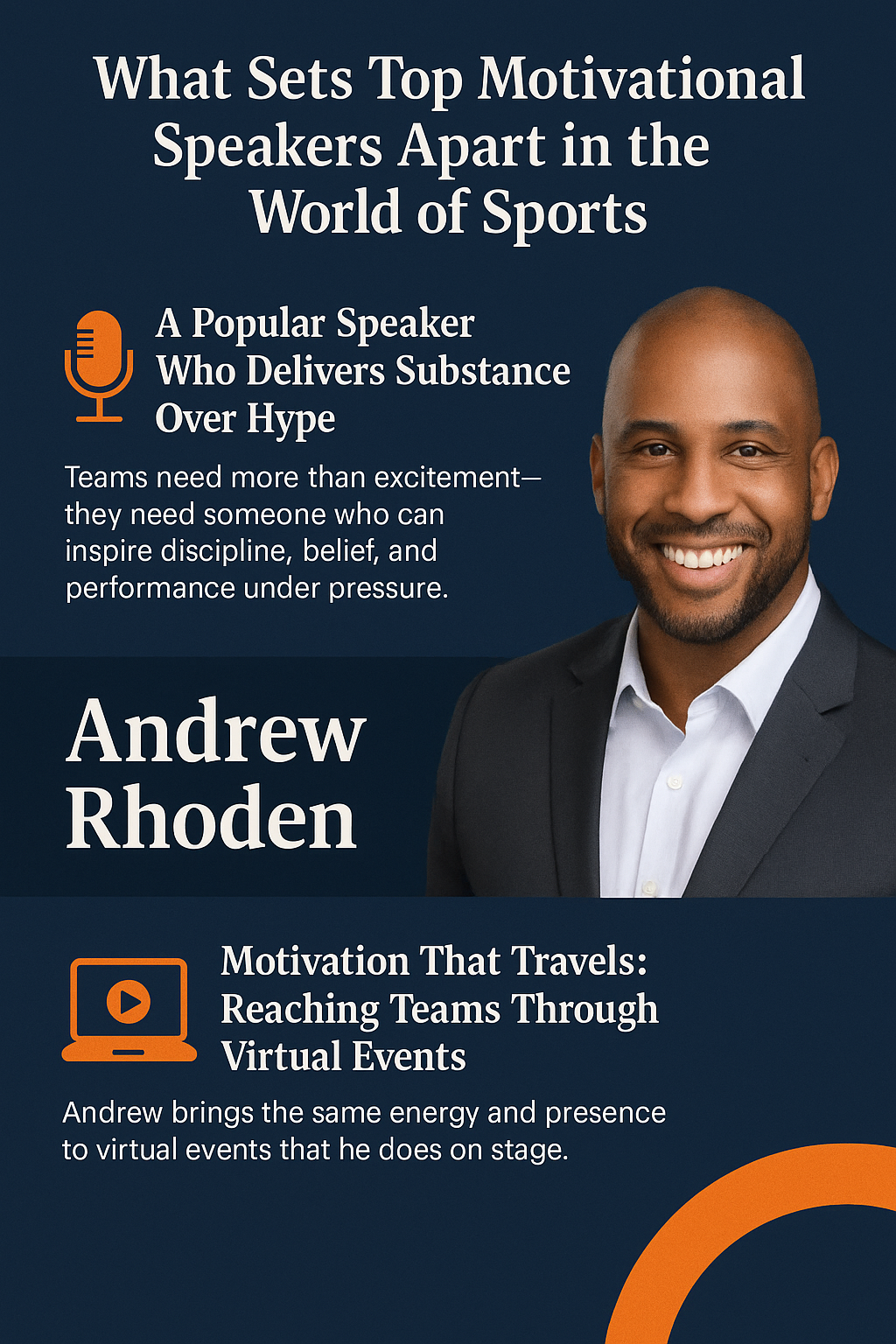
A digital promotional infographic titled “What Sets Top Motivational Speakers Apart in the World of Sports” featuring Andrew Rhoden. The layout has a navy blue background with orange and white accents. The top section includes a headline and an orange microphone icon next to the subheading “A Popular Speaker Who Delivers Substance Over Hype,” explaining that top speakers inspire discipline and belief. The middle section showcases a professional photo of Andrew Rhoden in a dark suit and white shirt, smiling confidently. The bottom section includes a laptop icon with a play button and the subheading “Motivation That Travels: Reaching Teams Through Virtual Events,” highlighting Rhoden’s ability to energize virtual audiences with the same impact as live events. An orange curved design element adds visual interest to the corner.


Connecting with Every Audience, From the Bench to the Boardroom

A truly effective motivational speaker knows how to read the room and adapt their message to any audience. Whether speaking to high school athletes, collegiate teams, professional coaches, or athletic directors, Andrew Rhoden customizes each experience to ensure his message resonates deeply. His ability to speak the language of sports while addressing the emotional and mental challenges athletes face makes him stand out.


From start to finish, he creates a space where the audience feels seen, understood, and empowered to take action. That connection—genuine, personal, and motivating—is what turns a good session into a transformational experience.


More Than Hype: Strategies That Truly Motivate Athletes

To motivate an athlete is to unlock something deeper than just short-term excitement—it’s about instilling belief, focus, and resilience. Andrew Rhoden understands how to tap into each athlete’s internal drive, using storytelling, mindset frameworks, and leadership principles that spark lasting commitment. His approach goes beyond motivational clichés and gets to the heart of what keeps competitors pushing forward.


Whether he’s working with an entire team or one-on-one with individuals, his goal is to motivate action and transformation, both on and off the field. That’s what makes his message powerful and enduring.


The Power of Words to Transform Performance

There’s real power in the right message delivered at the right time. When athletes hear words that speak directly to their challenges, doubts, and aspirations, it creates a shift—mentally and emotionally. Andrew Rhoden understands the power of language, presence, and purpose in unlocking an athlete’s peak performance.


His motivational sessions harness this power to ignite confidence, reset focus, and unify teams around a common goal. It’s not just talk—it’s transformation that athletes carry into every practice, game, and moment of pressure.


High-Impact Seminars That Leave a Lasting Mark on Athletes

While speeches can inspire, interactive seminars offer deeper engagement, hands-on learning, and real-time breakthroughs. Andrew Rhoden leads dynamic seminars for teams, athletic departments, and coaching staffs that combine storytelling, guided exercises, and performance coaching. These immersive sessions go beyond hype—they equip participants with tools to stay focused, lead effectively, and push through mental blocks.


Whether held in person or virtually, Andrew’s seminars empower athletes to take ownership of their goals and give coaches fresh strategies to support growth and resilience in their programs.


Searching for a Motivational Speaker Near Me? Make It Count

If you've been searching for a motivational speaker near me to energize your team or athletic program, it's important to choose someone who does more than just deliver a speech. You need a speaker who understands performance pressure, team dynamics, and how to activate lasting change. Andrew Rhoden brings all of that—and more—to every session.


Whether you're hosting a live event or exploring virtual options, Andrew works with sports organizations across the country, delivering high-impact keynotes and workshops that motivate athletes to dig deep, push further, and compete with purpose.
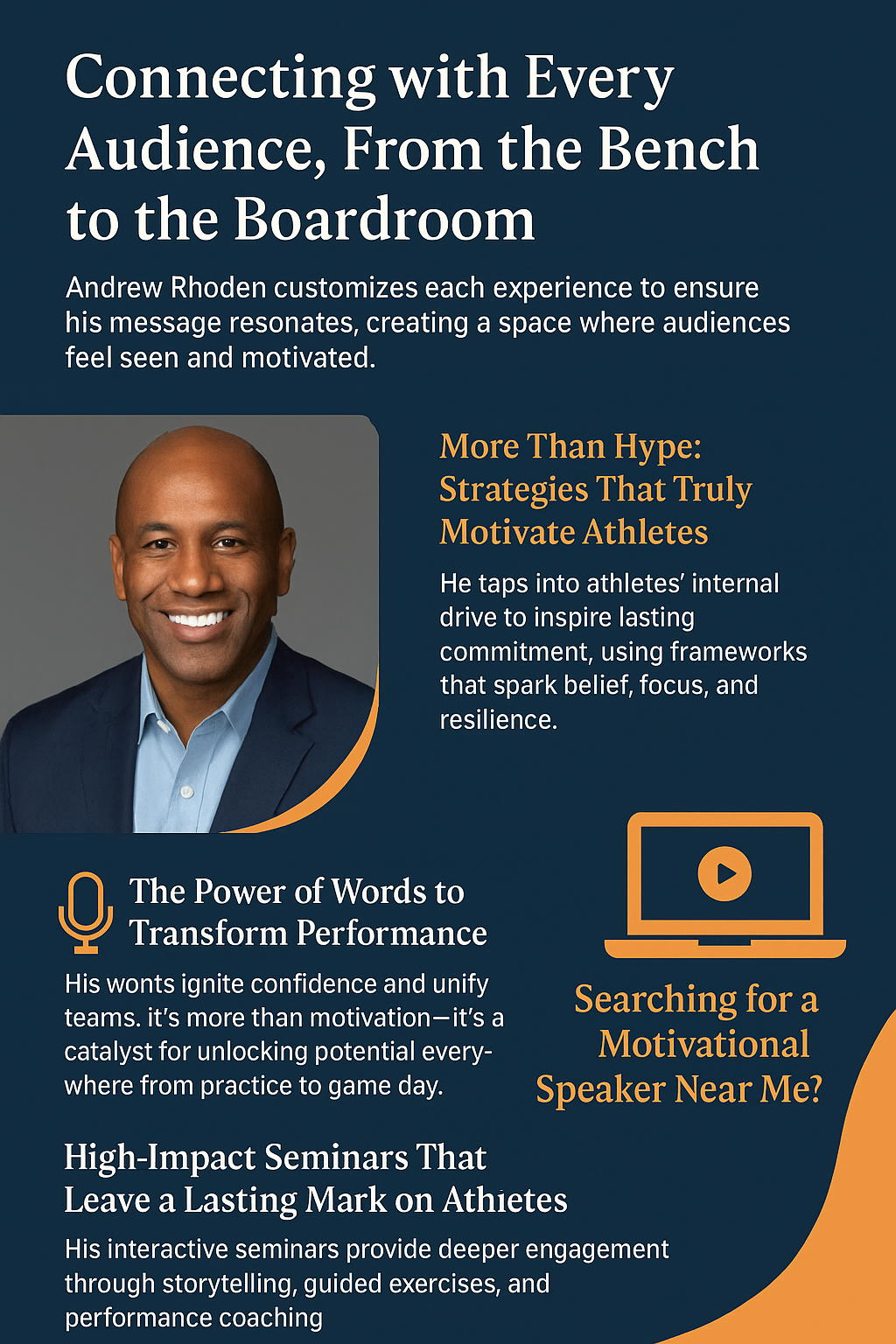
Main Header and Introductory Text – Highlights Andrew Rhoden’s ability to tailor messages for different audiences, from athletes to boardroom leaders.


What Makes a Football Player Motivational Speaker So Impactful?

Athletes connect most with someone who’s walked in their cleats. A football player motivational speaker brings firsthand experience to the locker room—understanding the grit, pressure, and discipline the sport demands. When that experience is combined with the ability to inspire, the result is a speaker who resonates deeply with both players and coaches.


Andrew Rhoden knows how to deliver messages that hit home with football teams, drawing from the same mental toughness, teamwork, and leadership needed on the field. His sessions help athletes not only believe in the win but prepare for it with focus and heart.


The Impact of a Motivational Sports Speaker on Team Performance

In high-pressure seasons, teams often need more than drills and strategies—they need inspiration. A motivational sports speaker brings the energy, clarity, and mindset training that athletes crave when preparing for peak performance. Andrew Rhoden understands the emotional and mental challenges of competition and delivers powerful messages that resonate on a personal and team level.


As a trusted motivational sports speaker, Andrew helps athletes reset their focus, reconnect with their purpose, and walk into every game with renewed confidence. His impact goes beyond the moment—it fuels a winning mentality that lasts all season.


Ready to Elevate Your Team? Book a Motivational Speaker Today

If you're preparing your athletes for their best season yet, now is the time to book a motivational speaker who understands what drives performance on and off the field. Andrew Rhoden works with teams, coaches, and athletic programs to deliver customized keynotes, workshops, and seminars that go beyond motivation—they inspire commitment, leadership, and results.


Whether you're organizing a pre-season kickoff, a leadership retreat, or a virtual training, Andrew brings the insight, energy, and experience to move your team forward. Don't wait—book a motivational speaker who knows how to spark real momentum.


When It’s Time to Hire a Motivational Speaker for Your Team

If your athletes are stuck in a slump, struggling with focus, or just need that extra spark before a big season, it might be time to hire a motivational speaker. The right speaker brings more than energy—they bring strategies, mindset shifts, and inspiration that turn hesitation into hunger for success. Andrew Rhoden is known for delivering this type of impact with every team he meets.


Whether you're a coach, athletic director, or program leader, the decision to hire a motivational speaker could be the most pivotal investment in your team’s 2025 performance. It's not just about hype—it’s about creating lasting belief and competitive edge.


Empowering the Next Generation: A Motivational Speaker for Students

Young athletes face intense pressure—balancing academics, competition, and expectations from coaches and peers. A motivational speaker for students like Andrew Rhoden understands how to reach them with messages that inspire confidence, purpose, and resilience. He connects with student-athletes through relatable stories, high-energy delivery, and proven mental strategies they can use on and off the field.


Andrew’s sessions are ideal for school districts, youth leagues, and college programs looking to build leadership, accountability, and motivation among their athletes. As a trusted voice for the next generation, he equips students to think bigger, train harder, and believe in their own potential.


Looking for a Motivational Speaker in Dallas, TX? Meet Andrew Rhoden

If you're searching for a motivational speaker Dallas TX sports organizations trust, Andrew Rhoden brings the passion and experience to deliver. Known for his engaging presence and transformative messages, he works with teams and athletic programs across Dallas and beyond, helping them prepare mentally and emotionally for high-performance seasons.


Whether you're hosting a team event, leadership workshop, or full-season kickoff, Andrew delivers content that’s timely, relevant, and inspiring. His sessions leave athletes ready to lead, compete, and win—making him a top choice for programs throughout Texas.


From Locker Room to Boardroom: The Value of a Motivational Business Speaker

The mindset principles that drive athletes to greatness are just as essential in the world of business. A skilled motivational business speaker knows how to translate resilience, teamwork, and leadership into strategies that elevate performance in corporate environments. Andrew Rhoden brings this crossover expertise—equipping business leaders with the same focus and drive he instills in athletes.


His background makes him uniquely suited to address both athletic and executive audiences, making him a powerful resource for companies seeking to inspire employees, sharpen leadership, and build a results-driven culture.


Motivation at the Intersection of Education, Business, and Leadership

Motivation isn’t exclusive to athletics—it’s a critical asset in business, education, and leadership. Andrew Rhoden brings his perspective as both an educator and motivational speaker, weaving together practical theories of performance, leadership, and human behavior that apply across industries.


His work speaks not only to athletes, but also to CEOs, executives, and professionals aiming to cultivate lasting wealth—in mindset, strategy, and outcomes. Motivation isn’t exclusive to athletics—it’s a critical asset in business, education, and leadership.

His approach is ideal for athletic directors, corporate partners, and community leaders who want their teams to think like champions and lead like top performers in every arena.


Book a Speaker That Makes a Difference

If you're preparing athletes, coaches, or an entire sports organization for success in 2025, don't overlook the mindset piece. Whether for team events, virtual meetings, or one-on-one coaching, Andrew Rhoden delivers motivational content that empowers action and builds lasting confidence.


Contact us today at (888) 209-4055 to book a free consultation. Whether you need a keynote for a national conference, a season launch session, or a focused workshop, Andrew Rhoden brings the energy, experience, and insight to make it unforgettable.


We work with sports programs across the country, helping leaders, athletes, and teams transform motivation into results.

(888) 209-4055

share this

Related Articles

Related Articles
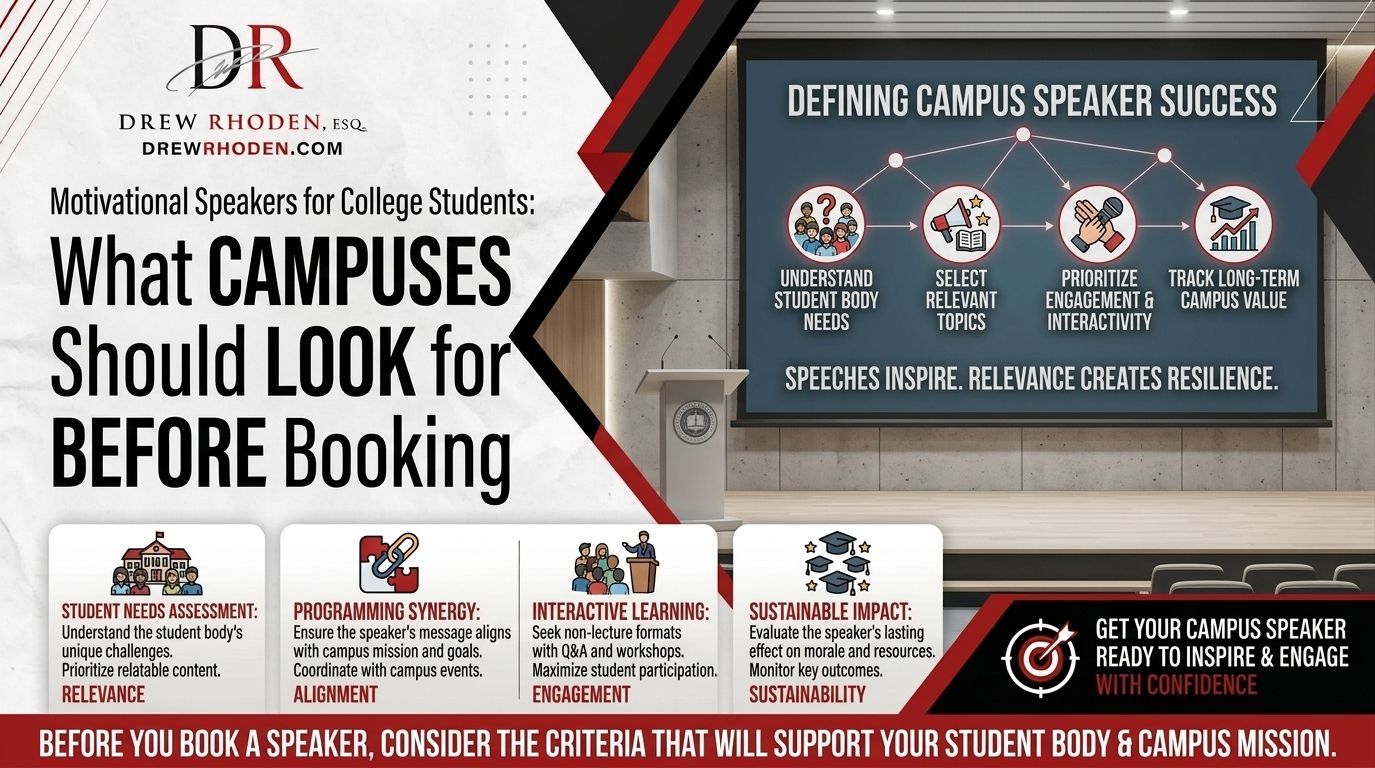
By Andrew Rhoden July 6, 2026
Key Takeaways Drew walked away from a $250K Big Law salary after COVID hospitalizations, losing his sister and aunt, and an ER visit with chest pains made the hidden cost of "success" impossible to ignore. Entrepreneurship and starting a law firm were not glamorous-early months involved surviving on near-expiration chicken from Fiesta and a first client from a car dealership dispute. The core lesson is ownership of time: a high paying job without health, family, and purpose is not real success. The story is not anti-corporate or anti-salary; it is about honestly weighing your financial situation, your mental health, and what your current job is actually costing you beyond the paycheck. Why I Quit My Job (And Why Time Became the Real Issue) People ask me all the time: why did you leave? You were making around $250,000 a year as an attorney. You had a full time job with prestige, a clear career trajectory in Big Law, and the kind of steady paycheck most professionals spend a decade chasing. On paper, it looked like I had won. But I quit my job. And the reason had almost nothing to do with money. The reality behind the surface was brutal. I had no ownership of my time. Billable hour pressure ran my calendar, my weekends, and my health. I was not building anything for myself-I was functioning as a revenue generator inside someone else's machine, logging long hours so the firm could hit its numbers. Many employees quit due to dissatisfaction with responsibilities, and I was no different. I could not picture myself in the same role for another five or ten years, and that realization changed everything. If you are living paycheck to paycheck emotionally-trading your health, your relationships, and your identity for a number on a deposit slip-then you already understand why I quit my job, even if you have not said it out loud yet. This is not a motivational speech. This is an honest breakdown of what it cost me to leave, what it cost me to stay, and why ownership of time became the only currency I cared about.  The Wake-Up Call: COVID, the Hospital, and a Laptop on Oxygen In 2021, I was hospitalized with COVID. I was on oxygen. I did not know if I was going to make it home. The fear was not abstract-it was the kind that sits on your chest at 3 a.m. when you realize you might not see your family again. While I was in that hospital bed, my employer arranged to have a laptop sent to me so I could continue billing hours. That image-me on oxygen, a laptop open beside the IV pole-became the defining picture of everything that was wrong. Toxic workplaces can lead to physical health issues, and mine nearly killed me before the virus did. That moment cracked something open. Burnout can snowball into anxiety or depression, and I was deep into both without fully recognizing it. My physical and mental health were deteriorating under a system that measured my value in six-minute billing increments. Poor mental health leads to job insecurity, but in Big Law the opposite also holds: the insecurity of always needing to perform feeds the mental health spiral. If you are in a similar place, seek professional help if anxiety or depression feels overwhelming. I wish I had done it sooner. That hospital stay was when I first seriously thought: I might need to quit my job. I did not have a plan. I just had a warning my body was no longer willing to whisper. Loss, Grief, and Redefining Success In October 2021, I lost my sister to COVID. Shortly after, I lost my aunt. Back-to-back funerals. Back-to-back hospital rooms. Back-to-back moments where I realized that no bonus, no partnership track, and no job offer could buy back a single conversation I would never have again. Grief does not wait for your billable targets to reset. It arrives and demands your full attention, and if your personal life has been hollowed out by years of "always on" culture, you have nothing left to absorb the blow. Chronic job dissatisfaction can lead to mental health issues on its own, but layering unprocessed grief on top of it creates something close to collapse. I started thinking about the moments I had missed or nearly missed with family members because of work calls, deadlines, or the invisible leash of availability. I thought about the vacations cut short, the dinners interrupted, the phone always face-up on the table. It is perfectly normal to reevaluate your priorities after loss. In fact, it may be the healthiest thing you ever do. Give yourself permission to grieve and process the transition, whatever that transition looks like for you. That season is when money truly stopped feeling like enough. Purpose, presence, and legacy became non-negotiable. Leaving Big Law for a Smaller Firm (And Finding a Different Kind of Bad) After the losses and the hospital stay, I did not immediately quit law. I tried a compromise. I left Big Law for a smaller firm, hoping for a better work environment-lower billable targets, more humane expectations, and some actual say over my schedule. The reality was one of the worst professional experiences of my life. I moved into a new position at a new employer with a new boss, and the pressure was worse, not better. The pay was lower, the demands were higher, and the culture was a toxic workplace dressed up in a smaller package. High turnover rates often indicate a toxic work environment, and the revolving door at that firm told the full story. Micromanagement was constant. Under-compensation can lead to employees considering resignation, and under-compensation can also reflect a mismatch in perceived value-I was generating significant revenue while being paid a fraction of what I brought in. I watched colleagues cycle through in months. Workplace bullying can lead to severe mental health decline, and I saw it firsthand. The unethical behavior I witnessed made it clear that sometimes leaving a six figure job for another firm does not fix the core problem. My previous role in Big Law had been demanding, but this was a different kind of bad. The issue was never which firm I worked for. The issue was that someone else owned my time. The ER Visit That Made the Decision for Me Then came the chest pains. I went to the emergency room. While I was lying in the ER bed, my phone rang repeatedly-the firm calling. Not to check on me. To check on a file. A doctor looked at me and said something I will never forget: if you do not leave this environment, you may not make it to your 40th birthday. That sentence was the final straw. It cut through every rationalization I had constructed about staying just one more year, building just a little more savings, waiting for just one more opportunity. Toxic workplaces lead to poorer mental and physical health, and my body had been sending every warning sign for months. Chronic job insecurity affects concentration and productivity, and chronic job insecurity can manifest as mental health issues that go far beyond the office. I knew I had to quit my job, even though there was no new job lined up yet. No offer letter. No backup plan. Just a doctor's warning and a clarity I could not un-hear. No job is worth your heart, your sleep, or your physical or mental health, regardless of salary. Realizing I Was Making Millions for Others While Losing Myself Before I left, I did the math. I was bringing in millions of dollars in billables and settlements for the firms I worked at. My calendar, my energy, and my decisions were all property of someone else's business. The vast majority of the value I created went to people whose names were on the door, not to me. I took work calls on vacation. I rewrote briefs at family dinners in my head. I carried stress into every room I entered. Surveys show that 49% of job seekers want to earn more money, and another 13% of job seekers want to switch careers for better opportunities-but for me, the issue was not more money. It was that no amount of money justified what I was losing. Leaving a six figure job and leaving a corporate job are phrases that sound dramatic until you realize you were already paying a higher price to stay. I did not just want a bigger paycheck. I wanted business ownership. I wanted to own my time. That distinction-between earning more money for someone else and building something that was mine-became the pivot point. Almost Walking Away from Law Completely I seriously considered leaving the legal profession entirely. After the hospital, the ER, the grief, and the smaller firm disaster, I had every reason to walk away. I remembered my earlier life as a football coach-a part of my identity that had nothing to do with law-and I thought about what it would mean to change careers and start over in a completely different field. But I also had to evaluate my next move honestly: was I running toward something better, or just running away from something bad? I needed to weigh all the factors. I looked at other jobs, other career paths, and my future career with clear eyes. Evaluating your career goals through a self-assessment of your strengths and interests is critical before you make a move that big. The endless possibilities outside of law were tempting, but I also knew that walking away entirely might waste the platform and skills I had built over years of training and practice. This was not a clean or easy entrepreneurship journey. It was messy, emotional, and uncertain. The Conversation with My Mother That Changed the Plan My mother said something that reframed everything. She told me not to abandon law after everything I had sacrificed to become an attorney-the years of school, the bar prep, the sleepless nights. Her perspective was not about staying stuck. It was about changing how I operated within the field, not throwing the field away. Family voices matter. Faculty members, mentors, and the people who watched you grow can sometimes see your potential more clearly than you can in a moment of burnout. Her advice pushed me to network strategically with former colleagues and industry connections, to maintain positive relationships for future references, and to channel my frustration into something productive instead of destructive. That conversation became the bridge into starting my own law firm in faith. Starting a Law Firm in Faith, Not Certainty When I finally made the decision, I did it properly. I wrote a formal resignation letter to my employer. I gave two weeks notice-giving ample notice and giving at least two weeks' notice is not just professional, it protects your reputation. I created a handover document that detailed daily duties and project statuses. I made sure to document my work and assist with knowledge transfer for colleagues so the transition would be clean. Before I walked out, I took care of the practical side: I clarified my current company's policy on accrued Paid Time Off and ensured I would be paid out. I audited my benefits to check remaining unused paid time off and health insurance options. I understood my final paycheck and any unused vacation payout. I initiated benefits rollovers for retirement and health insurance options. I understood my benefits including health insurance, retirement accounts, and unemployment eligibility. I gathered personal data by downloading files and relevant contact information before access was gone. I participated in an exit interview to give constructive feedback professionally. I created a transition plan to help my team after leaving. There was no corporate safety net. No guaranteed client pipeline. No investor money. I did not have enough savings by textbook standards, and I did not have a full emergency fund. But I had clarity, and I had the resignation letter in my hand. The mental health impact was real-fear, relief, anxiety, and a strange peace all showed up at once as I stepped into business ownership and filed the paperwork to start my own business. My First Client and the Humbling Beginning My first client came from a car dealership dispute. Not a multimillion-dollar corporate matter. Not a headline case. A car dealership. The firm was just me, a laptop, and a belief that this could work. That first small case felt bigger than many six-figure matters from my old job because it represented proof of concept. It was the first job I did entirely on my own terms. There was no downtown high-rise office. No paralegal army. Just focused work and a commitment to serve well. If you are considering a career change, your new job or own business may start small. That is not a big deal-small does not mean insignificant. Some people explore temporary income sources such as part time job work or freelance projects to bridge the gap. I bridged it with faith and a willingness to take whatever came through the door. Surviving on Discounted Chicken and Faith There was a stretch during the early months where I bought near-expiration chicken from Fiesta to stretch every dollar. That is not a metaphor. That is what it looked like to leave a six figure job and bet on yourself when the bank account does not agree with your vision. My financial situation required honesty. I had to assess my finances immediately by reviewing savings and creating a budget. I created a temporary budget by listing essential and discretionary expenses-what I needed to pay rent, keep the lights on, and eat versus what I could cut entirely. I had to protect my credit by making minimum payments on debts during financial tightness. Financial insecurity is real, and no amount of inspirational thinking eliminates it. You need financial support systems in place, even if that support is just discipline and a spreadsheet. These months tested whether I actually believed in what I was building or whether I should crawl back to my previous job. The financial position was uncomfortable. But the clarity of purpose-knowing I was working for myself, for something I owned-made the discomfort bearable. Leaving a high paying job often means a step backward financially before you step forward in freedom and alignment. The Two People Who Believed Before the Money Showed Up The firm did not start as a solo operation for long. A mentee and a close friend joined me early. One helped with cases. The other answered phones, managed intake, and kept the mission alive through the days when nothing seemed to move. They contributed without watching the clock or obsessing over immediate pay. They trusted the long-term vision. We communicated through every channel available-phone, email, group chat-making decisions in real time with no bureaucracy. These co workers were not employees in the traditional sense. They were believers. Those early days laid the foundation for what later became a growing firm and the broader Masterly brand ecosystem. If you are considering a leap, think about who might stand with you. Endless possibilities open up when you have even two people who see what you are building before the world does. Building a Team, a Firm, and Then a Brand Over a year after launching, the firm had grown from three people into a real operation. Each new hire represented not just more help, but another life impacted by my decision to leave my former job. I was creating growth opportunities-jobs, mentorship, creative projects-for people who believed in the mission. The progression moved from a small law firm into the wider Masterly brand across law, consulting, media, technology, publishing, and creative production. New skills were built. New team members brought perspectives I never would have found inside a BigLaw conference room. My last job had taught me how to bill hours. My own business taught me how to build something that mattered. Drew Rhoden, Esq. is an attorney, CEO, founder, entrepreneur, creative director, and former football coach. Through his work across these verticals, Drew focuses on helping professionals, entrepreneurs, and organizations think strategically, build with structure, and make decisions that support long-term growth. The Real Reward: Ownership of My Time The biggest win was not replacing the $250K salary. It was owning my time. I took my parents on vacation again-without answering client emails from the beach or reviewing contracts at dinner. I had free time that was actually free. I could maintain a structured daily routine that combined work with rest, exercise, and presence. I was no longer tethered to someone else's calendar. Having control over your day lets you protect your mental health, invest in family, and pursue purpose-driven work. My old job gave me money. Ownership of time gave me life after big law that actually felt like living. I moved into a better position-not on a corporate ladder, but in my own life. Freedom does not mean I stopped working hard. It means I choose how and why I work. That distinction is everything. Entrepreneurship Is Not the Escape People Think Let me push back on a narrative I see constantly. Quitting your job and starting a business is not a glamorous escape from hard work. After the money started coming in, I still had to show up daily, make difficult decisions, and carry responsibility for a growing team. Discipline did not become optional once revenue stabilized. Managing cash flow, saying no to misaligned opportunities, and protecting my own well being as a leader-these are daily demands. High turnover rates often indicate a toxic work environment, and as a business owner, I had to make sure I was not accidentally recreating the same culture I fled. Entrepreneurship is just a different set of problems. But I chose these problems because they aligned with my purpose and values. If you are considering this path, think honestly about whether you want ownership of a business-with all its weight-or whether you simply want to escape a bad boss or a current job that no longer fits. The True Currency: Time, Not Just Salary The core lesson of this entire story is simple. The true currency of your adult life is time. Not a high paying job. Not an impressive title. Not the number on your W-2. The cost of staying was measured in hospital beds, funerals, ER visits, missed memories, and constant anxiety. That is what my whole life had become inside corporate america. The cost of leaving was measured in financial uncertainty, discounted groceries, doubt, and months of proving myself from scratch. But it also came with reclaimed health, reclaimed presence, and the ability to look at my day and know it belonged to me. People quit jobs for all kinds of reasons. Some want more money. Some want respect. Some just want to stop dreading Monday. Whatever your reason, the question is the same: what is your current job costing you beyond the paycheck? And is that cost one you are willing to keep paying? Do not be afraid to push for greatness. But make sure the greatness you are chasing does not cost you your life-just your comfort zone. How This Applies to You (Even If You Don't Want to Be an Entrepreneur) Not everyone reading this wants to start a law firm or launch a company. That is fine. The lesson is not "quit your job and become an entrepreneur." The lesson is: take ownership of your time and choices, whatever path you choose. If you are a professional, attorney, or one of the many job seekers evaluating your next move, here is what I would encourage: Evaluate your mental health honestly. If your work environment is damaging your physical and mental health, that is not a phase-it is a warning sign. Talk to your hr department or human resources team about mental health resources available to you. Audit your digital presence by updating your resume and LinkedIn profile. Polish your profiles to emphasize achievements and quantifiable results so you are ready whether you pursue a new employer or your own venture. Build a structured job search by setting application goals and tracking progress. Set realistic daily job hunting goals to make the job hunt and job search sustainable, not overwhelming. Talk to people. Speak with trusted mentors, former co workers, and future employers who have walked similar career paths. A job interviews process is easier when you are prepared and supported. Know your numbers. Understand your financial situation before making any move. Whether you are planning a career change, chasing a job offer, or starting something new, clarity about money reduces panic. The goal is not to convince you to quit. It is to push you to evaluate what your current job is costing you-and whether you are willing to keep paying. Visit DrewRhoden.com to learn more about building strategically for long-term growth. FAQ These are common questions from professionals considering quitting a high paying job, planning a career change, or weighing whether the cost of staying outweighs the cost of leaving. How did you know it was really time to quit your job and not just "push through"? The combination of a COVID hospitalization, an ER visit with chest pains, family loss, and a doctor's warning created a threshold I could not rationalize away. My internal test was this: when the job requires you to trade your health and relationships for income, and no internal change-no lateral move, no raise, no new boss-fixes it, it is time to leave. If you are experiencing consistent physical symptoms like sleeplessness or chest tightness, chronic dread before work, and repeated boundary violations from your employer, those are not rough patches. Those are your body and mind telling you the next job needs to be somewhere else-or something entirely different. Did you have a specific amount of savings before you resigned? Honestly, I did not hit the textbook "three to six months of expenses" target before I pulled the trigger. I adjusted by cutting nonessential spending aggressively, being transparent with my family about the financial dip, and making every dollar stretch. I would encourage anyone considering this to build as much runway as possible-but do not delay indefinitely if your physical or mental health is on the line. Your life is worth more than a perfectly padded savings account. What surprised you most about life after Big Law? The biggest shock was losing built-in structure and status. In Big Law, your identity is partially constructed for you: your title, your firm name, your compensation band. When that disappears, you have to redefine who you are beyond your previous role and salary. The positive surprises were deeper-more presence with family, the ability to design my workday, and realizing I could generate my own opportunities instead of waiting for someone to assign them. The mental adjustment took months. Freedom can feel deeply uncomfortable before it starts to feel normal. How did you handle fear and doubt in the first year of your firm? I leaned on routines: early-morning planning, prayer, workouts, and honest conversations with the small team around me. When cases were slow or bills were due, my mentee and my close friend talked me through the doubt. I would encourage anyone preparing to leap to build a support system first-coaches, therapists, peers who understand the weight of a career change and the isolation of entrepreneurship. You do not have to figure it out alone, and pretending you do will break you faster than any slow month will. Should everyone who hates their job start a business? No. Entrepreneurship is a calling and a responsibility, not just an escape hatch from a bad situation. Some people will be happier finding a healthier employer, stepping into a new role, or negotiating different boundaries in their current job. The universal lesson is not "quit and start a company." It is: take ownership of your time and choices, whatever career paths make sense for your life. Evaluate whether you are running toward something meaningful or just running from something painful. Both feelings are valid, but they lead to very different outcomes.
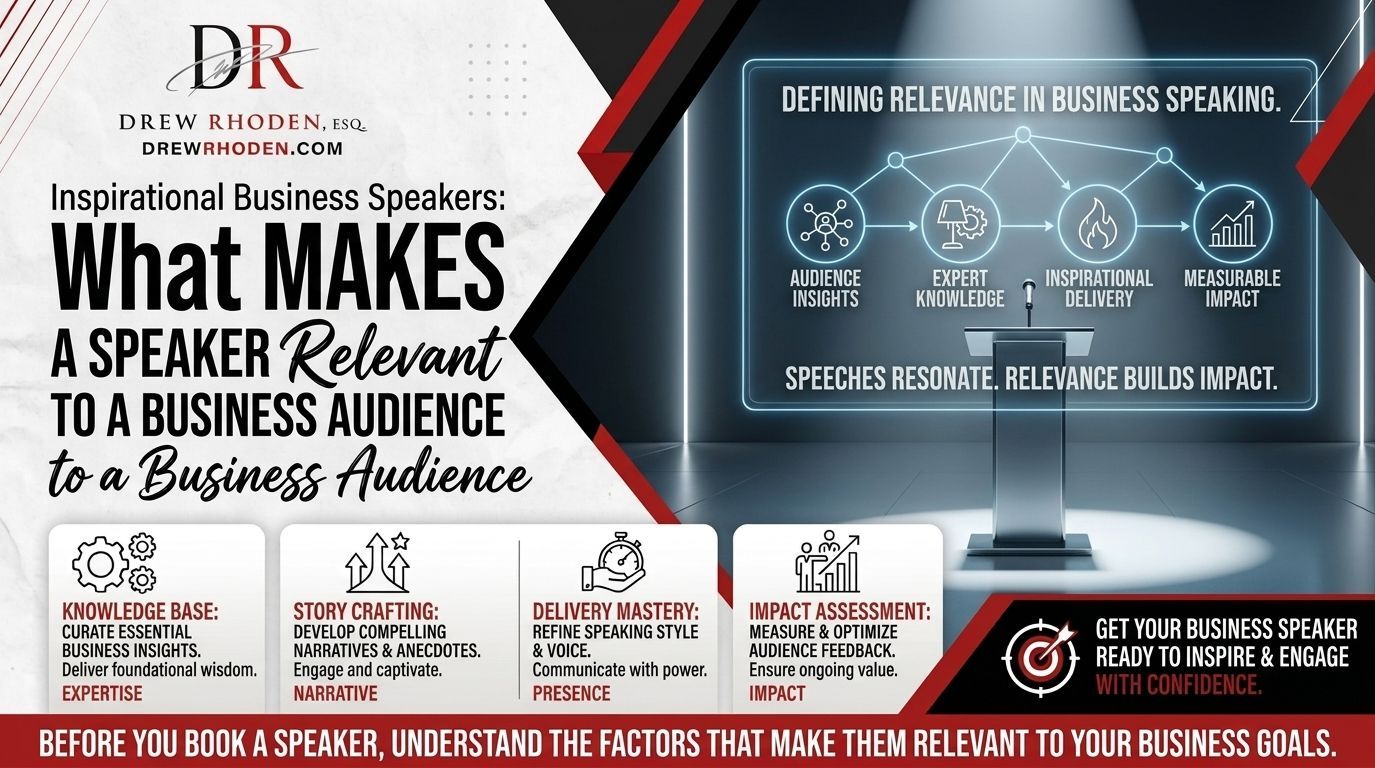
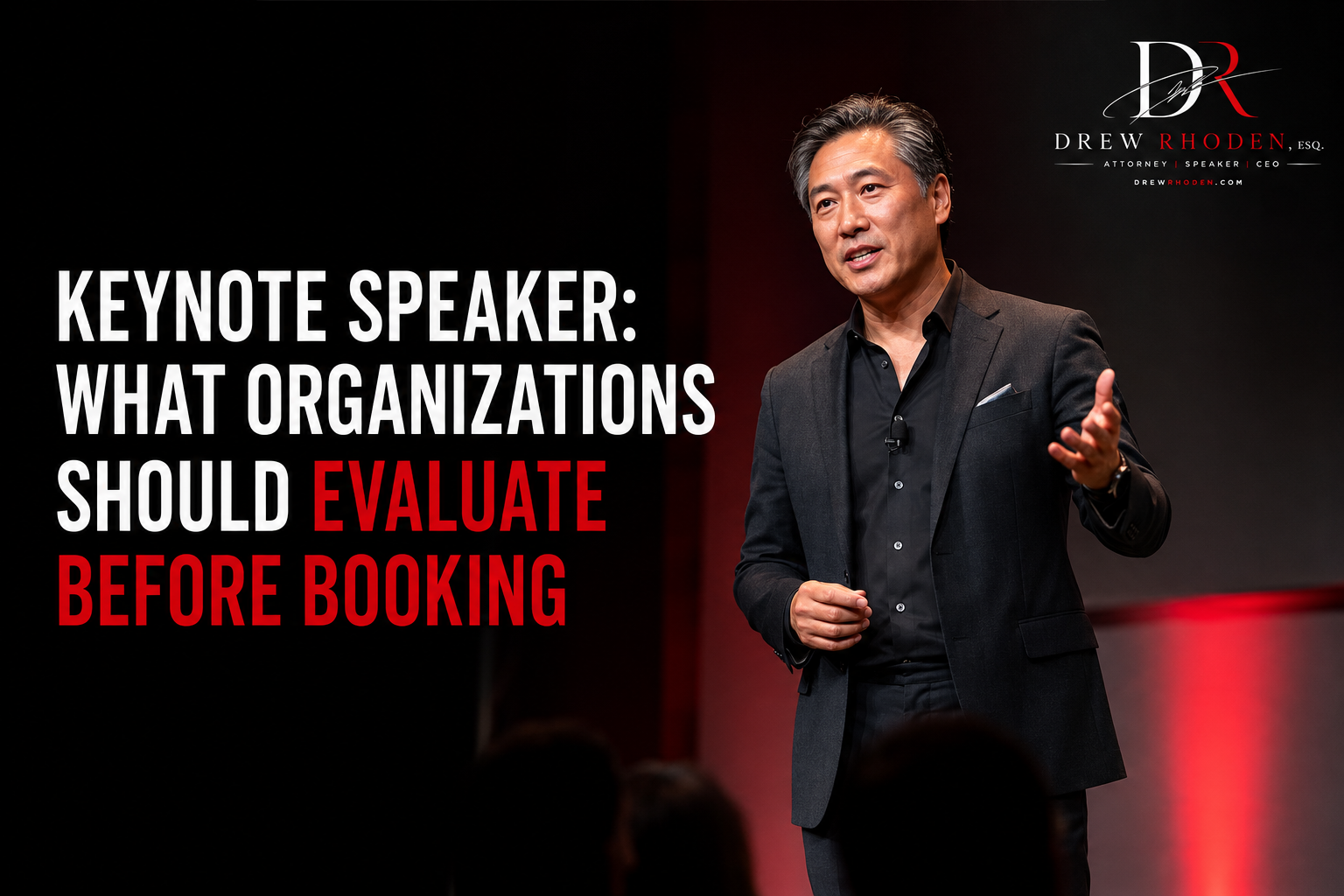
Professional keynote speaker presenting to a business leadership audience at a corporate conference.
July 6, 2026
Book a professional keynote speaker to deliver an engaging keynote that inspires leadership, strengthens communication, builds teams, and drives lasting success.
College speaker presenting to university students.
July 3, 2026
College speakers inspiring students through leadership, motivation, and education. Book expert speakers for colleges and universities to create lasting impact.
ALL ARTICLES