


Educational Speakers for Colleges: Empowering First-Generation Students to Succeed
First-generation college students often face unique challenges that can impact their academic and personal success. These students may lack the guidance or confidence needed to navigate the complexities of higher education. Educational speakers can play a critical role in helping first-generation students overcome these obstacles, inspiring them to embrace new opportunities and build the resilience needed to thrive in college and beyond.
In this article, we will explore how motivational speakers and educational speakers can empower first-generation students, providing them with the tools and confidence they need to succeed academically and personally.
The Importance of Educational Speakers for First-Generation Students
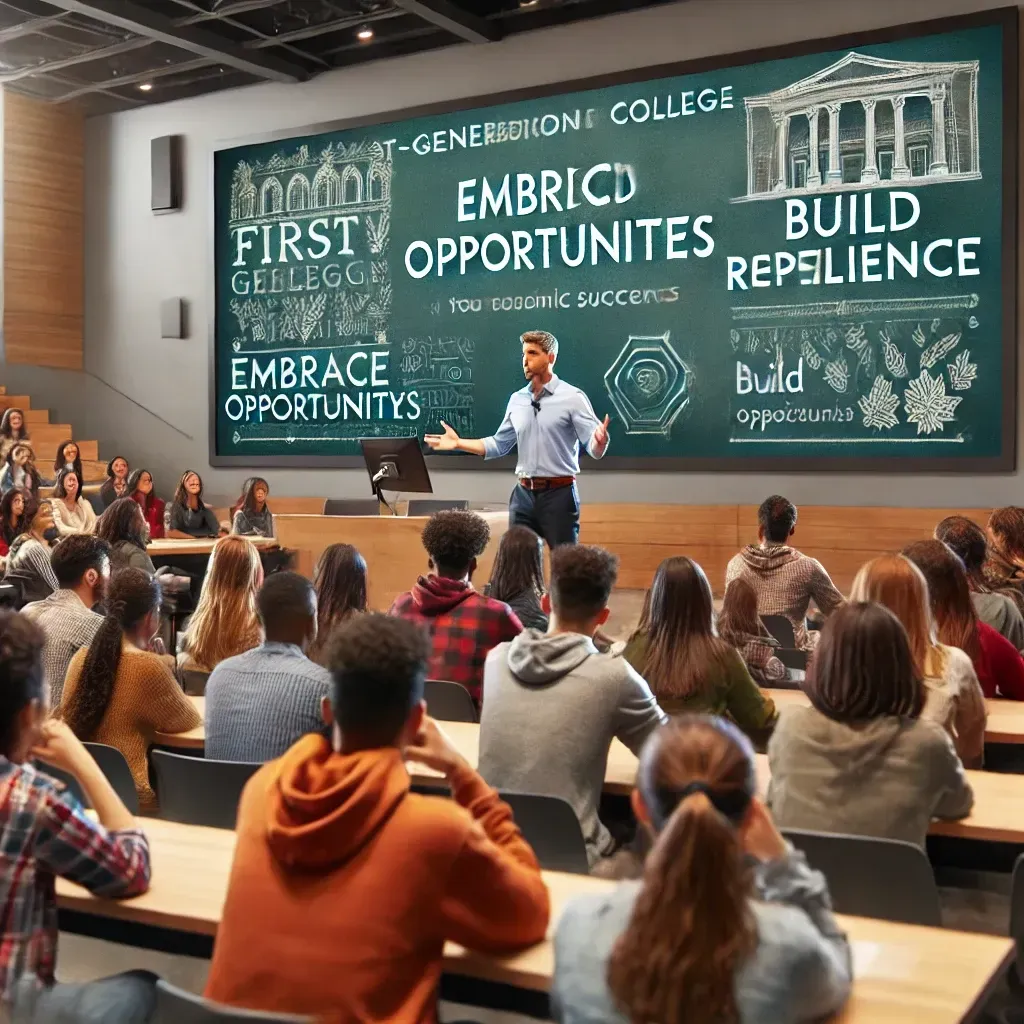
First-generation students often enter college with limited knowledge of how to navigate the academic and social landscape of higher education. They may lack the support networks that other students take for granted. Educational speakers can bridge this gap, providing practical advice, inspiration, and strategies to help students find their footing and develop the confidence needed to succeed.
By sharing their own experiences and offering guidance on essential educational practices, motivational speakers can motivate students to set and achieve their academic goals. These speakers help students see that their challenges are not insurmountable and that they can succeed with the right mindset and support.
Key Ways Educational Speakers Can Help:
- Inspiring students to overcome obstacles and pursue success.
- Offering practical strategies for academic success and personal development.
- Addressing the unique challenges first-generation students face.
- Building confidence and resilience through personal stories.
How Motivational Speakers Can Drive Student Engagement
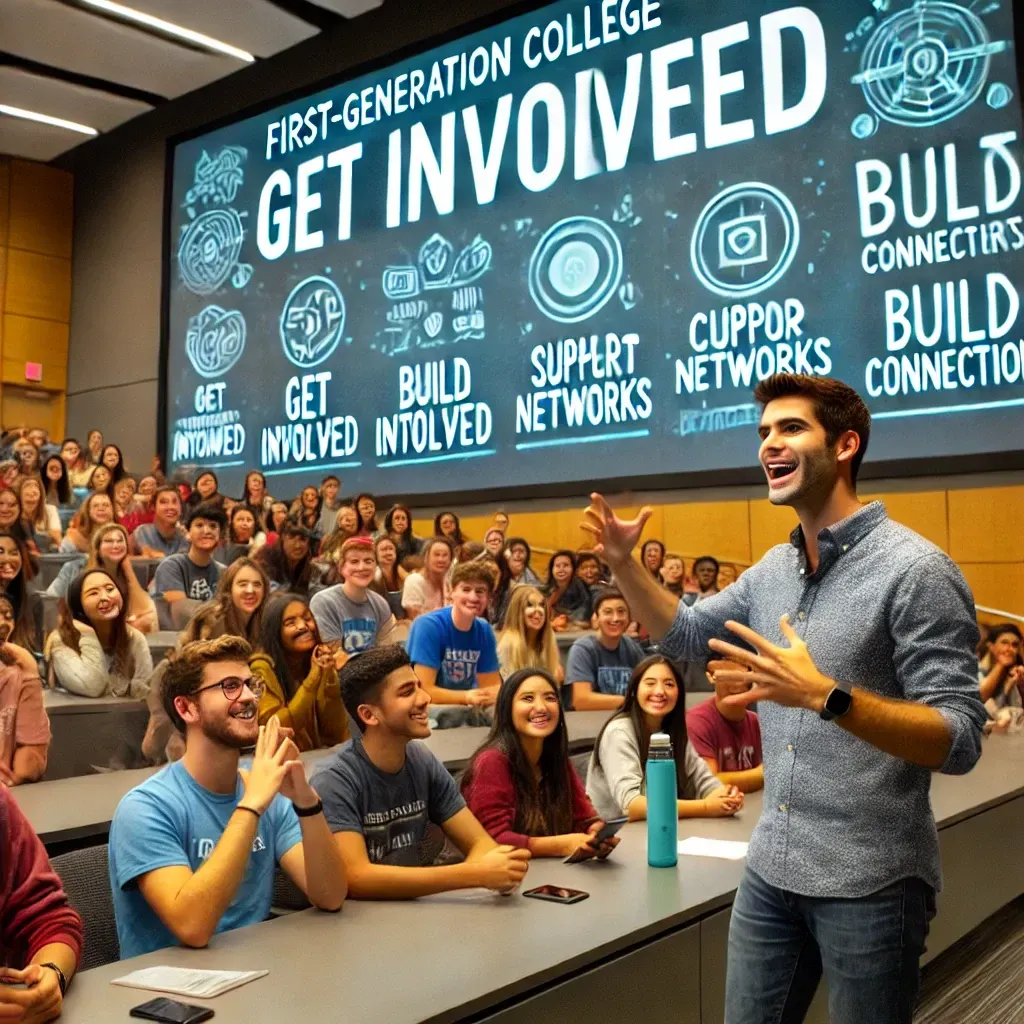
Engaging first-generation students in the college experience is critical to their success. Many first-generation students may feel disconnected or unsure of how to engage with their peers, professors, and campus resources. Motivational speakers can inspire these students to get involved in campus life, helping them understand the importance of building a support network and taking advantage of the resources available to them.
Speakers who specialize in student engagement can share their own journeys, illustrating how involvement in campus organizations, internships, and academic support services can open doors to future opportunities. These talks can provide first-generation students with a roadmap for fully participating in their college experience and making the most of their time in school.
How Motivational Speakers Foster Student Engagement:
- Encouraging students to take advantage of campus resources and opportunities.
- Sharing personal stories of overcoming disengagement and isolation.
- Motivating students to build connections with peers, mentors, and professors.
Addressing Mental Health Challenges for First-Generation Students
Mental health is often a significant challenge for first-generation students who may feel overwhelmed by academic pressures and family expectations. Educational speakers can address the importance of maintaining mental and emotional well-being throughout college. By sharing strategies for managing stress, anxiety, and other mental health concerns, sought-after experts can offer students valuable tools for balancing their academic and personal lives.
Speakers who focus on mental health can provide practical advice on self-care, time management, and seeking help when needed. These talks encourage students to prioritize their well-being, which is essential for long-term success in college.
How Educational Speakers Address Mental Health:
- Offering guidance on managing stress and mental health challenges.
- Encouraging students to seek help and use available mental health resources.
- Sharing personal stories of overcoming mental health obstacles.
Leadership Development for First-Generation Students
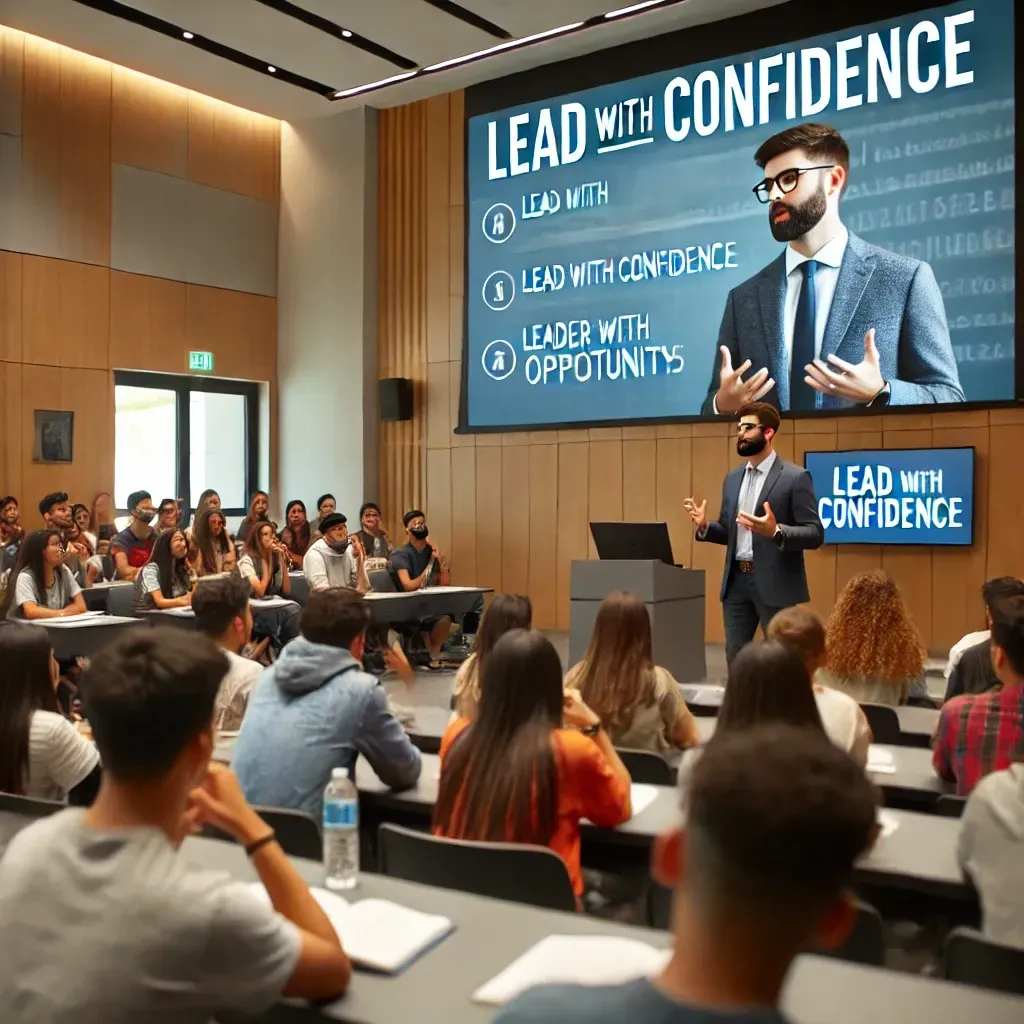
Leadership opportunities can be a transformative experience for first-generation students. However, many may not see themselves as leaders or may feel uncertain about taking on leadership roles. Educational speakers who specialize in leadership development can help these students build the confidence and skills they need to become effective leaders.
Through motivational talks and workshops, leadership development experts provide first-generation students with practical leadership strategies, encouraging them to take on leadership roles in campus organizations, student government, and community initiatives. These experiences not only enhance their college experience but also prepare them for leadership roles in their future careers.
Leadership Development Through Educational Speakers:
- Teaching leadership skills to first-generation students.
- Encouraging students to pursue leadership opportunities on campus.
- Offering strategies
for becoming confident and effective leaders.
Preparing First-Generation Students for Professional Success
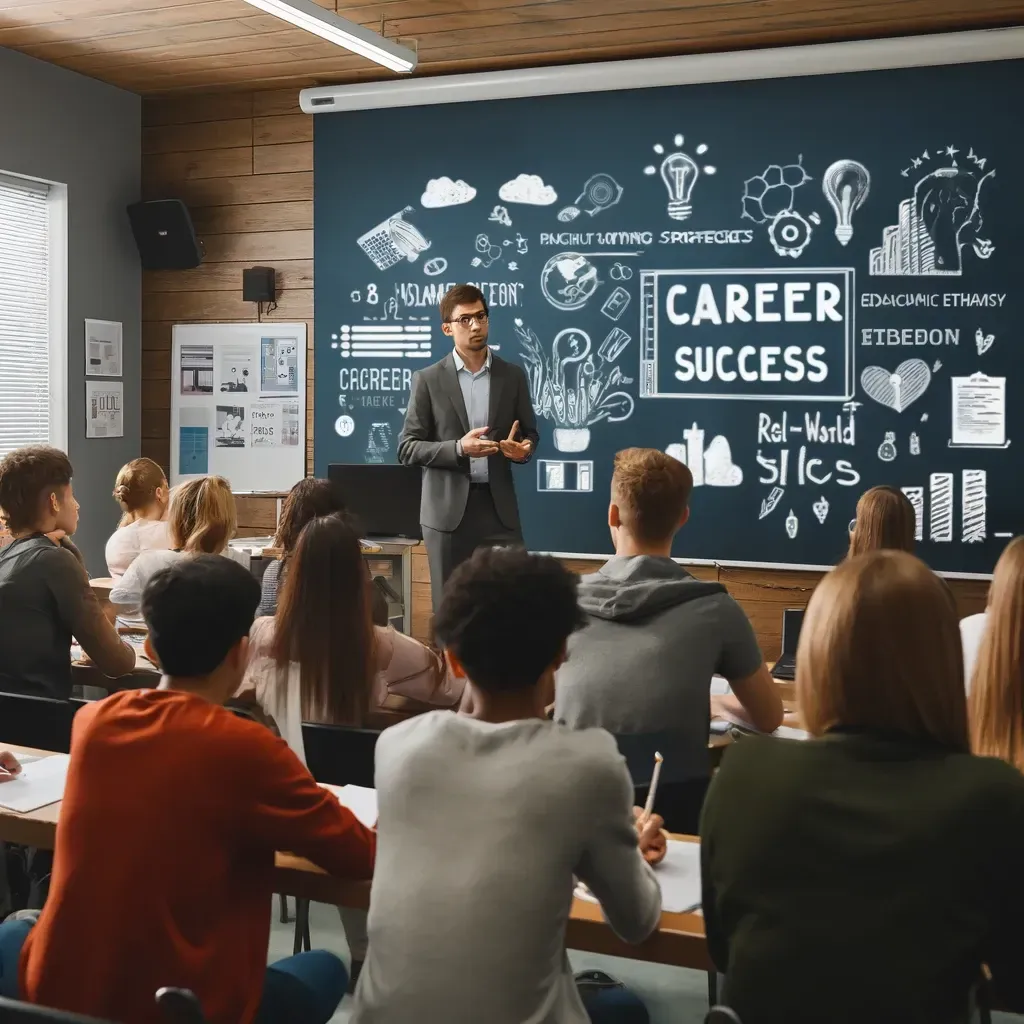
For many first-generation students, navigating the transition from college to career can be daunting. They may lack the professional networks or guidance that others have. Educational speakers can help bridge this gap by offering career development advice and sharing strategies for building a successful career path.
Many top motivational speakers and business leaders bring real-world insights into career development, networking, and personal branding. These speakers can offer first-generation students practical advice on how to stand out in the job market, build connections, and pursue their professional goals.
How Educational Speakers Prepare Students for Career Success:
- Providing career advice tailored to first-generation students.
- Offering insights on networking, internships, and job search strategies.
- Sharing success stories and inspiring students to pursue their career goals.
The Role of Educational Speakers in Promoting Inclusivity on Campus
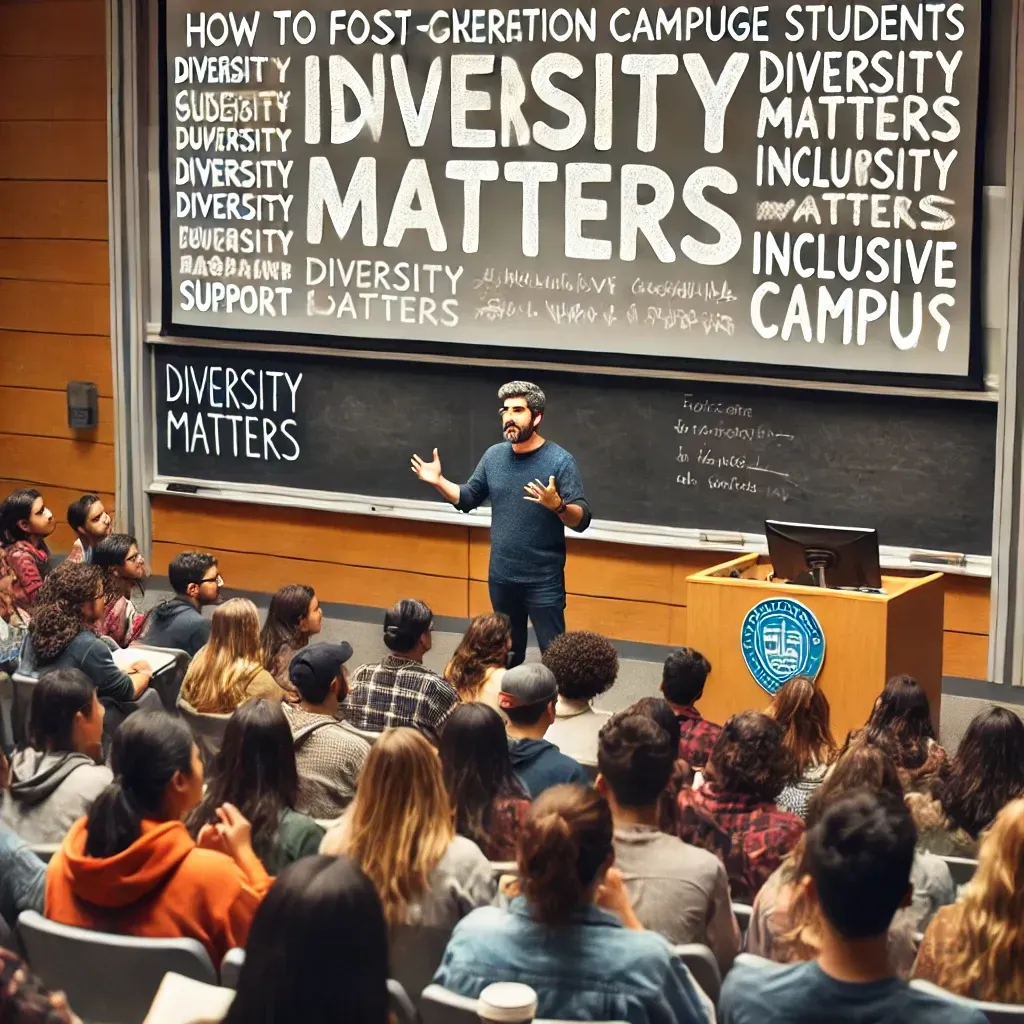
First-generation students often face unique challenges related to feeling included and valued on campus. Educational speakers can promote a culture of inclusivity by addressing these challenges directly. By focusing on education policy, diversity, and inclusion, speakers can help first-generation students feel more connected to their campus and more confident in their ability to succeed.
These talks not only benefit first-generation students but also raise awareness among faculty, staff, and other students about the unique experiences of first-generation students. This helps create a more inclusive and supportive campus environment for all students.
Promoting Inclusivity Through Educational Speakers:
- Addressing the unique challenges first-generation students face.
- Raising awareness about diversity and inclusion on campus.
- Fostering a more supportive and inclusive campus culture.
Choosing the Right Educational Speaker for Your Next Event
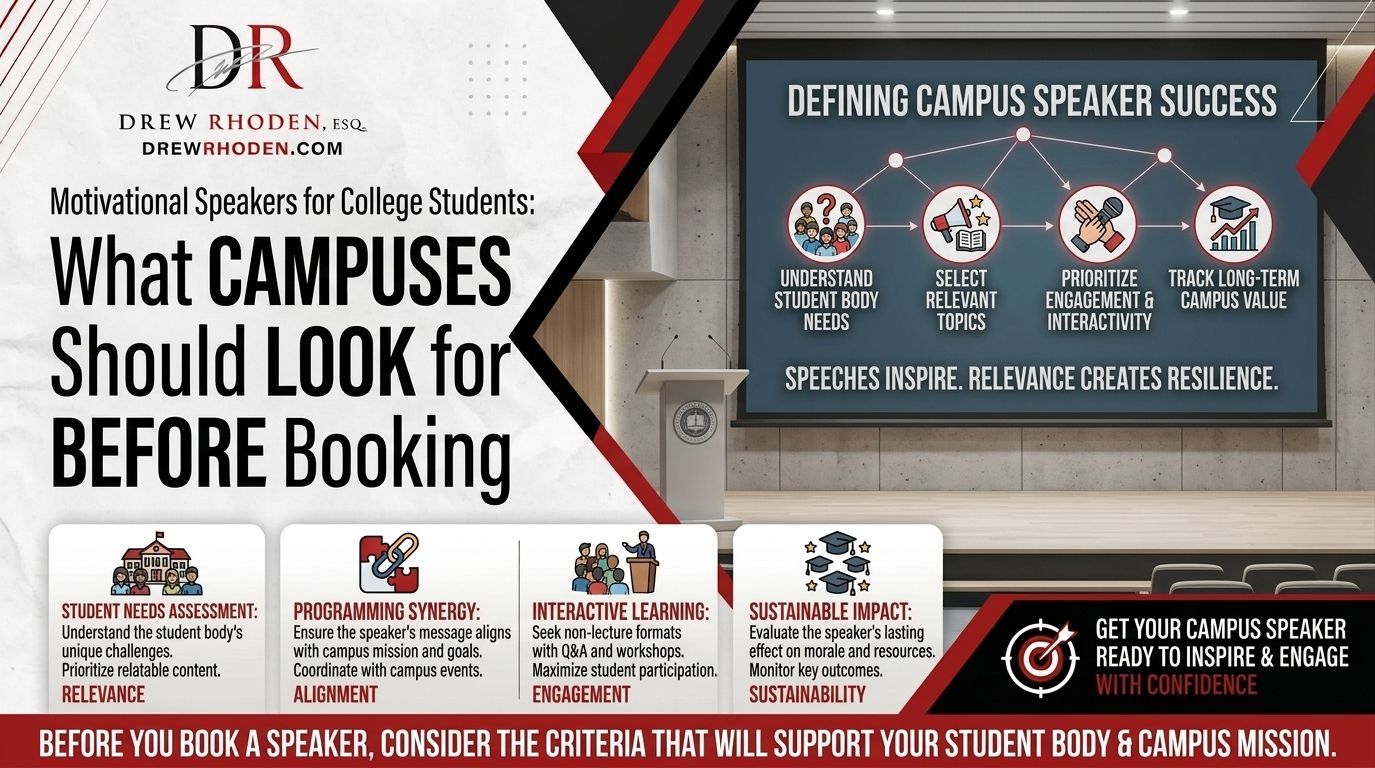
When planning an upcoming event aimed at empowering first-generation students, finding the perfect speaker is essential. Universities should look for educational motivational speakers who have experience working with diverse student populations and who can relate to the challenges that first-generation students face.
A speaker search focused on finding experts in first-generation student success, mental health, and leadership development can ensure that your event provides the maximum impact. Whether you're planning a workshop, seminar, or education conference, the right speaker can inspire your students to achieve their full potential.
Factors to Consider When Choosing an Educational Speaker:
- Experience working with first-generation students.
- Expertise in leadership development, mental health, or career success.
- Ability to engage and inspire a diverse student audience.
Empowering First-Generation Students with Motivational and Educational Speakers
Bringing a motivational speaker to campus can significantly inspire and uplift first-generation students, offering them the guidance and confidence they need to navigate the challenges of higher education. Education speakers play a crucial role in helping students overcome barriers within educational institutions by providing tools for both academic and personal success. Through engaging talks, these speakers address topics ranging from professional development to leveraging education technology for better learning outcomes.
A leadership development expert can further empower students, helping them realize their leadership potential and fostering the skills they need to succeed both in college and their future careers.
Inspiring First-Generation Students Through Motivational Speakers’ Journeys
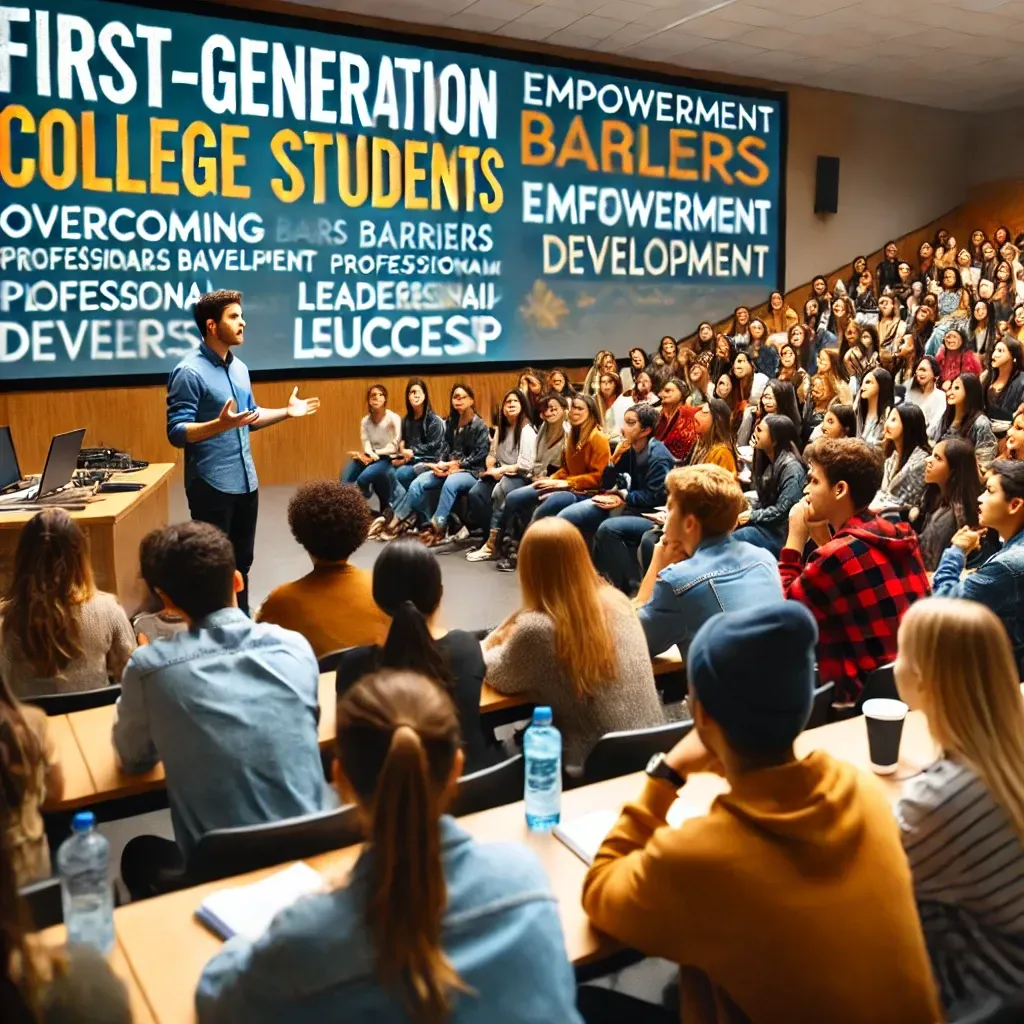
Educational speakers have the power to inspire students through their inspiring journeys of overcoming adversity and meeting high expectations. These stories serve as a true testament to the resilience and determination required to succeed. For first-generation students, hearing from dedicated teachers and educators who have also faced challenges can be transformative.
At universities and schools, these speakers help students see that their hard work will lead to success, fostering a sense of belonging and motivation. Through training sessions and educational events, speakers engage students and educators alike, offering practical tools for handling the unique needs of first-generation students and creating a lasting impact on their academic and personal growth. The power of these talks lies in their ability to inspire both students and professors to push beyond limits and embrace innovation in learning.
Best Practice for Teacher and Professor to Support First-Generation Students
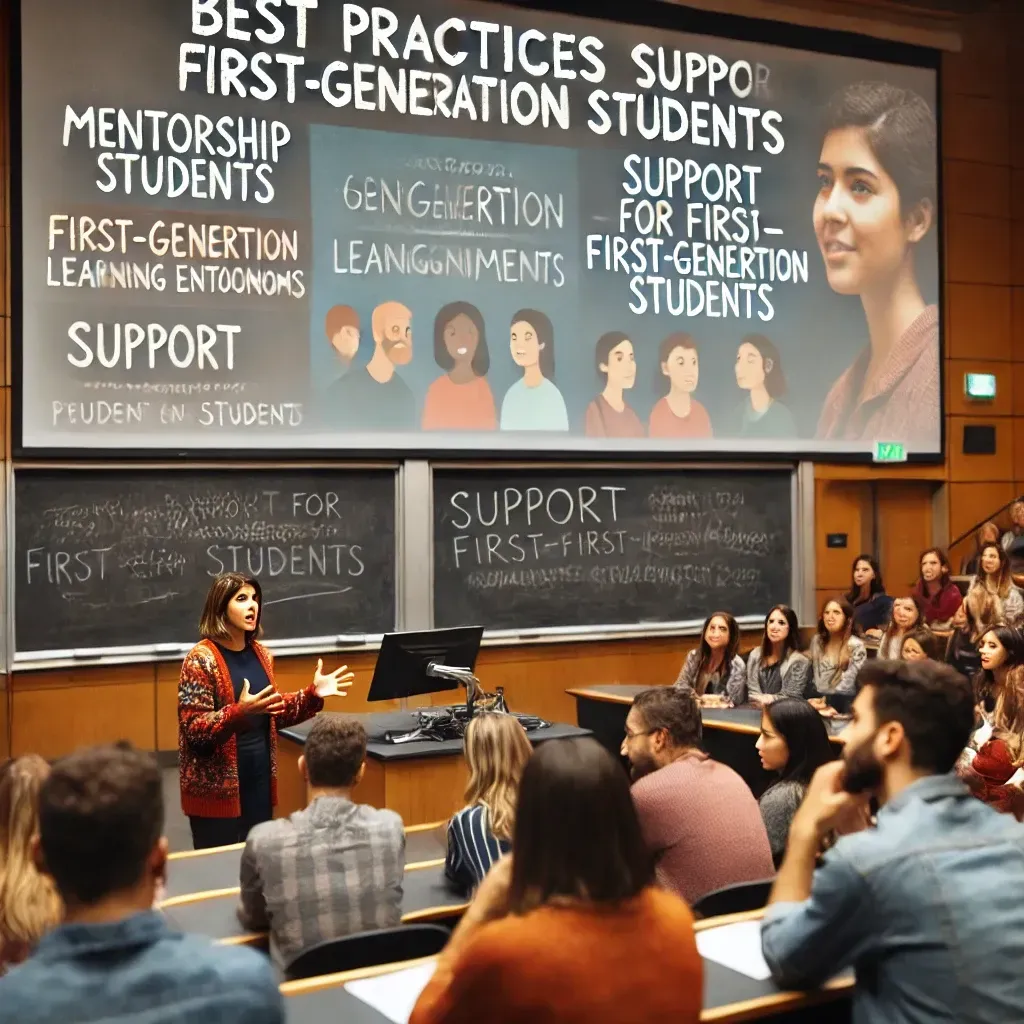
Educational speakers offer valuable insight into the best practice for a teacher or professor to support first-generation students. These speakers share strategies that help educators create more inclusive and engaging learning environments. By addressing the unique challenges faced by first-generation students, speakers equip faculty with the tools needed to foster academic success and personal growth.
Whether through mentorship or targeted classroom approaches, a professor and teacher can better guide students on their academic journeys by learning from experienced educational speakers. These practices not only improve student outcomes but also strengthen the overall support system within colleges and universities.
How Educational Speakers Empower First-Generation Students at Universities
At any university, first-generation students face unique challenges that can impact their academic journey. Educational speakers play a crucial role in empowering these students by offering guidance, inspiration, and practical strategies to navigate university life. Through motivational talks and tailored advice, these speakers help first-generation students build the confidence needed to succeed academically and personally.
By addressing topics such as overcoming barriers, fostering resilience, and embracing opportunities, educational speakers help students thrive in the university environment. Their insights not only uplift students but also contribute to a more inclusive campus culture that supports the diverse needs of all learners.
Empowering Students Through Inspiring Journeys of Educational Speakers
Educational speakers often share their inspiring journey of overcoming obstacles and achieving success, which resonates deeply with first-generation students. By connecting personal challenges with professional achievements, these speakers offer relatable experiences that encourage students to believe in their own potential.
For first-generation students facing unique struggles, hearing about an educational speaker’s perseverance and determination provides motivation and guidance. These stories show students that success is possible, regardless of their starting point, and help them build confidence as they pursue their academic and personal goals.

The Impact of Education Keynote Speakers on First-Generation Students' Success
Education keynote speakers bring valuable insights and motivation to first-generation students by sharing their expertise and personal stories. A powerful education keynote speaker can address the unique challenges these students face, offering them strategies to overcome obstacles and build confidence in their academic journey.
Through engaging presentations, keynote speakers help first-generation students connect with their educational goals, inspiring them to persevere and achieve success. These impactful education keynotes are designed to foster resilience, guide students toward resources, and empower them to navigate the complexities of college life with confidence and clarity.
Empower First-Generation Students with Inspiring Educational Speakers at Your University
If you're ready to bring an educational speaker to your campus to empower your first-generation students, we're here to help. Contact us at (888) 209-4055 to learn how we can assist you in finding the right speaker for your next event.
Our speakers are experienced in inspiring and supporting first-generation students, helping them build the confidence and skills needed to succeed academically and personally. Let’s work together to make a lasting positive impact on your campus!
share this
Related Articles
Related Articles