





Why Your Next Event Needs a Motivational Speaker Focused on Overcoming Adversity
In life, everyone faces challenges, but it’s how we deal with these obstacles that shapes our personal and professional growth. Having a motivational speaker who specializes in overcoming adversity can transform your event, inspiring your audience to turn setbacks into opportunities. Andrew Rhoden, an experienced speaker, delivers powerful talks that emphasize resilience and the importance of pushing beyond limits.
Inspiring Audiences to Overcome Adversity
Turning Adversity into Opportunity
Adversity comes in many forms, whether it’s financial difficulties, emotional challenges, or struggles with low self-esteem. People who have overcome adversity know that hardships can serve as catalysts for growth. When a speaker shares personal stories of triumph over mental adversity, it offers a tangible example of how to navigate tough times.
Motivational speeches focused on overcoming adversity teach practical problem-solving skills and inspire audiences to cultivate a growth mindset. These lessons resonate deeply, helping attendees understand that setbacks are not roadblocks but stepping stones to success.
Building Resilience Through Real-Life Examples
The Psychological Phenomenon of Resilience
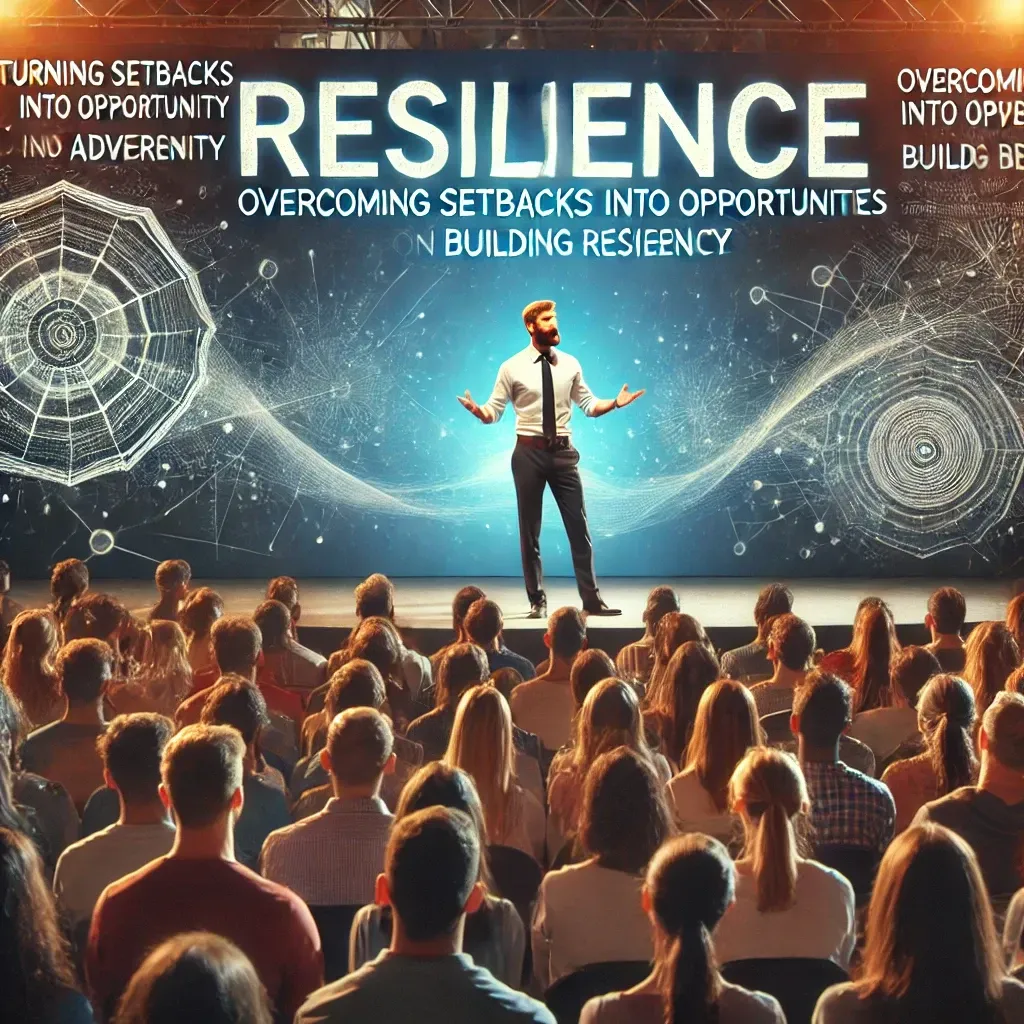
Resilience isn’t just a buzzword; it’s a critical skill for enduring life’s ups and downs. Andrew Rhoden uses his own life experiences to illustrate how to build resilience, turning misfortune into triumph. This psychological phenomenon enables human beings to bounce back from difficult times and emerge stronger.
Hearing about real-world examples of overcoming adversity helps audiences develop a positive outlook and understand that everyone has the inner strength to keep moving forward. Rhoden’s message emphasizes the power of resilience, making it a key takeaway for attendees.
The Importance of a Growth Mindset
Adopting a Positive Outlook
A growth mindset is essential for overcoming life’s challenges. Motivational speeches focused on this concept help attendees see the potential for personal development in every obstacle they face. By embracing a positive outlook, individuals can transform adversity into an opportunity for growth.
Andrew Rhoden teaches that setbacks are inevitable but don’t have to define your life. By focusing on continuous learning and self-improvement, your audience will be motivated to face their current situations with determination and hope.
Addressing Mental and Emotional Adversity
Conquering Mental Health Challenges
Many people struggle with mental health issues, including persistent feelings of self-doubt and stress. A motivational speaker who has faced and overcome these challenges can offer strategies to reduce stress and build self-confidence. Rhoden’s talks are designed to connect with people on a personal level, showing that mental adversity can be conquered.
Hearing strategies for managing mental and emotional struggles provides actionable insights for your audience. Techniques like mindfulness meditation, cultivating a supportive network of positive people, and seeking professional help are explored to give attendees a well-rounded approach to dealing with life’s challenges.
Finding Inner Strength in Difficult Times
The Process of Building Resilience
Building resilience is a process that requires time, patience, and the willingness to face fears. Andrew Rhoden’s motivational speeches emphasize the importance of self-awareness, reflecting on past experiences, and using those lessons to grow. By sharing how he has endured setbacks, he motivates others to do the same.
This message is especially relevant for those who have experienced grief or the loss of a loved one. Rhoden’s ability to connect deeply with his audience helps them understand that overcoming emotional adversity is possible and that they can find the strength to move forward.

Strategies for Navigating Tough Times
Practical Approaches to Overcoming Adversity
Overcoming adversity isn’t easy, but there are proven strategies to make the process manageable. Rhoden’s talks focus on actionable steps, such as developing a strong support system, practicing self-compassion, and engaging in problem-solving. These methods empower individuals to tackle life’s obstacles head-on.
By providing clear, practical guidance, Rhoden inspires attendees to be proactive about their personal growth. He shows that no matter how daunting a challenge may seem, there are ways to cope and move forward with confidence.
Motivational Speeches for Corporations, Universities, and Trade Associations
Why Organizations Need a Speaker Who Focuses on Adversity
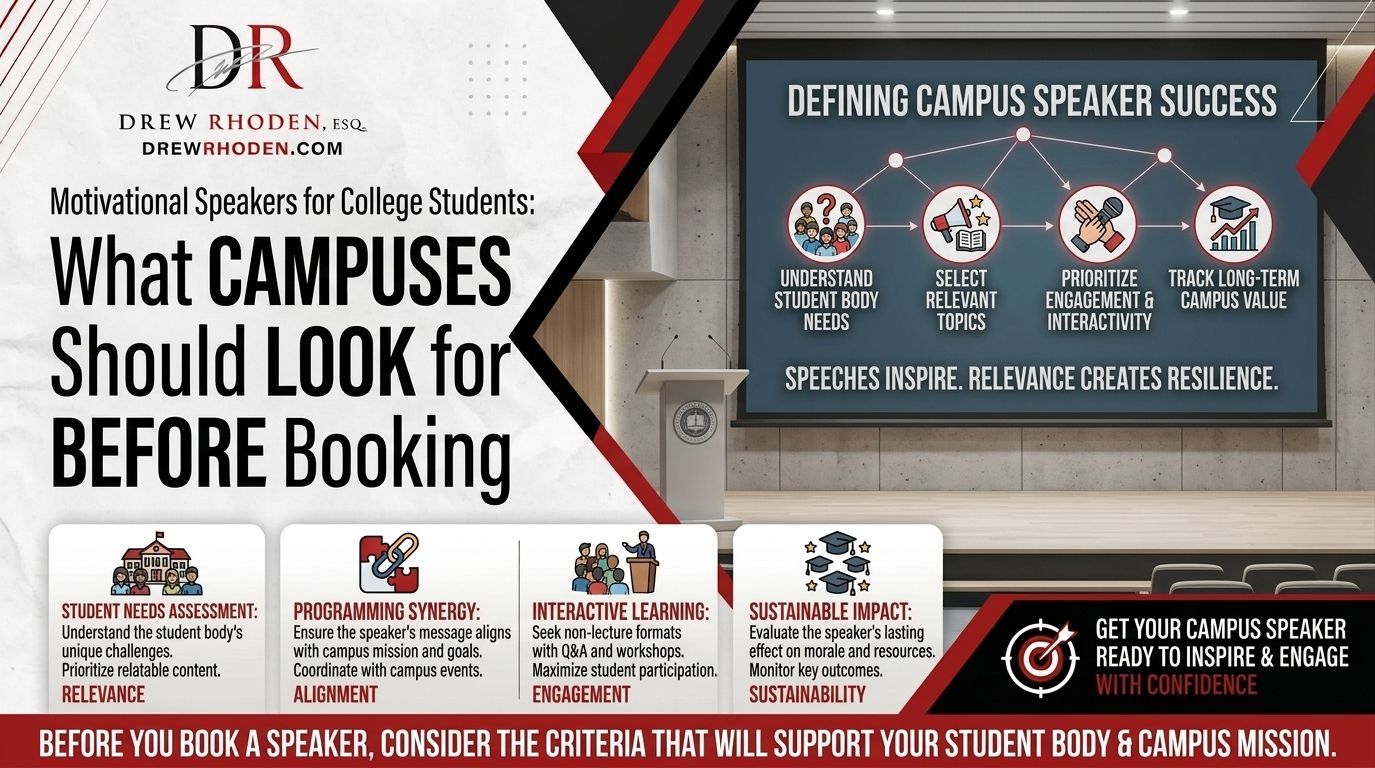
Corporations, universities, and trade associations can benefit immensely from having a speaker who understands the complexities of overcoming adversity. Employees and students alike face challenges daily, from job-related stress to academic pressures. Rhoden’s talks are tailored to address these issues, offering inspiration and actionable solutions.
Motivational speeches at corporate events can boost morale and improve workplace well-being, while university audiences may find guidance in managing the emotional challenges of academic life. Trade associations can learn how resilience contributes to long-term success, making Rhoden’s message universally impactful.
Personal Development and Leadership Coaching
How Overcoming Adversity Translates to Leadership
Andrew Rhoden’s speeches aren’t just about surviving tough times; they’re about thriving afterward. By sharing insights on how to build resilience and embrace a growth mindset, he equips leaders with the tools they need for personal development. Whether you’re an executive dealing with setbacks or a student facing uncertainty, the lessons on leadership are applicable across all walks of life.
This emphasis on personal and professional growth makes Rhoden’s talks a valuable resource for anyone looking to elevate their leadership abilities and inspire those around them.
A Message of Hope and Perseverance
Why Hope Matters in Difficult Times
During tough times, maintaining hope can seem impossible. Rhoden’s motivational speeches are rooted in the belief that hope is the key to overcoming life’s greatest challenges. By emphasizing the importance of a positive outlook and perseverance, he leaves audiences feeling empowered and ready to tackle whatever comes their way.
His stories of overcoming hardship remind people that setbacks don’t have to define their journey. Instead, they can be moments that strengthen resolve and inspire meaningful change.

How a Motivational Speaker Can Help Your Audience Endure and Overcome Adversity
When facing adversity, many people struggle with fear, blame, or overwhelming emotions that make it difficult to see a way forward. A motivational speaker focused on overcoming hardship can guide your audience to reflect on their current situation and find strength within themselves. By sharing stories of successful people who have turned their struggles into victories, a speaker can inspire listeners to adopt healthier thought patterns and build resilience.
For those dealing with learning disabilities or the emotional impact of losing loved ones, the speaker emphasizes the importance of having a strong support group and seeking help when needed. They encourage listeners to seek professional guidance, whether from a leadership coach, a therapist, or supportive family members and friends. Motivational talks can foster deeper relationships and create a community of support, empowering each person to face challenges with courage and determination.
Why This Moment Calls for a Motivational Speaker Focused on Overcoming Adversity
In challenging times, the present moment often feels overwhelming, making it hard to see a path forward. A motivational speaker who specializes in overcoming adversity can inspire your audience to take a step back and find purpose in the now. By addressing the difficulties people face and reframing them as opportunities for growth, a speaker can help attendees make the most of this critical moment.
Through personal stories and practical strategies, a speaker guides individuals to focus on what they can control, helping them transform this moment of hardship into a catalyst for positive change. This message is powerful and timely, reminding people that even in their toughest times, they have the strength to move forward.
Ready to Inspire Your Audience with a Message of Resilience and Growth?
Andrew Rhoden is more than just a motivational speaker—he’s a motivator who speaks from experience, offering real-world insights that empower audiences to push beyond their limits. His speeches have transformed countless lives, inspiring individuals to face challenges with courage and a sense of purpose.
Contact us at (888) 209-4055 to book a free consultation and discover how Andrew Rhoden can make your next event unforgettable. Let’s talk about how his powerful message of overcoming adversity can uplift and inspire your audience.
share this
Related Articles
Related Articles