




Boosting Team Performance Through Motivational Speakers: A Guide for Sports Coaches
As a sports coach, you understand that building a successful team goes beyond athletic skills and physical training. Creating a winning mindset, fostering resilience, and motivating athletes to push through challenges are just as critical to achieving excellence. One powerful way to enhance team performance and morale is by introducing motivational speakers into your training regimen. These professionals can inspire athletes, help them build mental strength, and guide them toward a more resilient and focused mindset. Whether you're coaching a college football team or managing an entire athletic department, a motivational speaker can be a game-changer in achieving consistent success on and off the field.
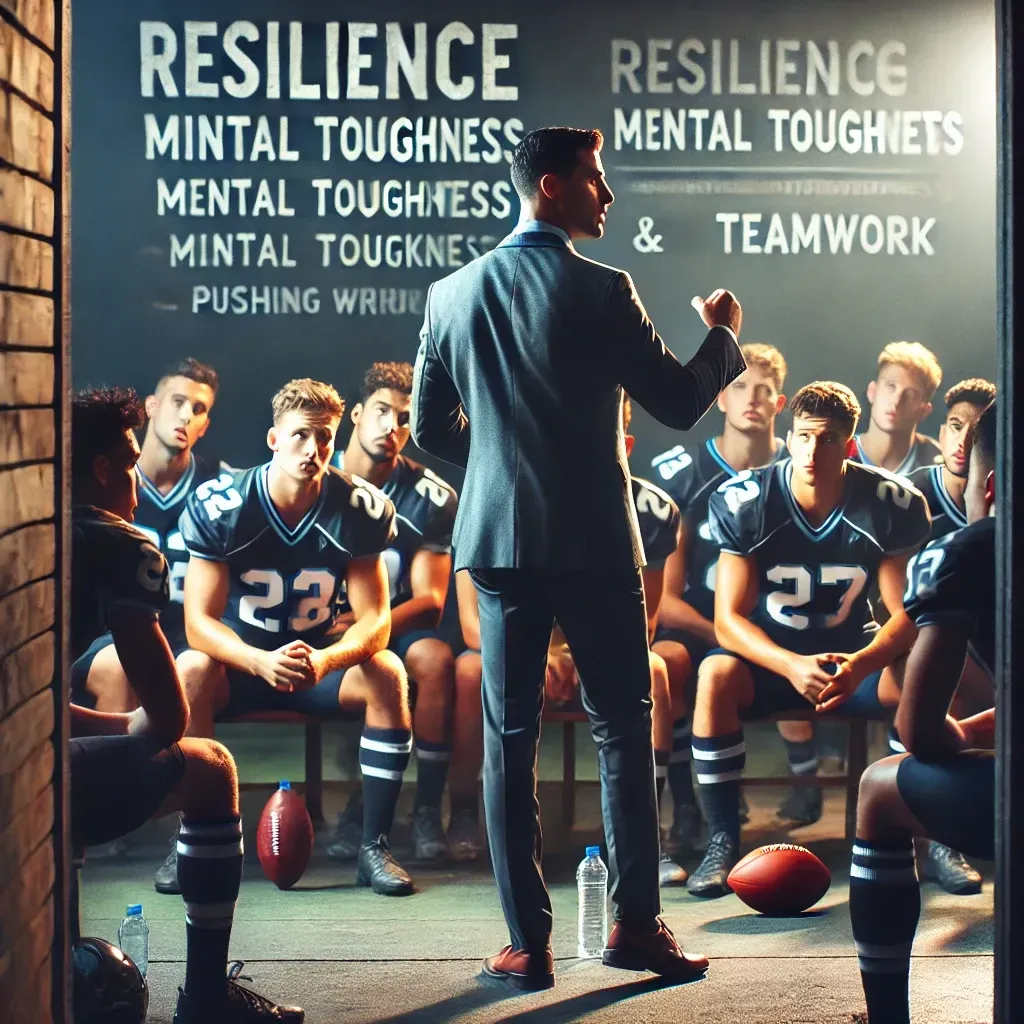
The Role of Motivational Speakers in Sports Performance
Incorporating a motivational speaker into your team’s training program can provide athletes with new perspectives, motivation, and tools for dealing with mental blocks. Many top motivational speakers are former athletes themselves, understanding firsthand the importance of resilience, mental toughness, and goal-setting in achieving success.
1. Inspiring Athletes to Build Mental Toughness
Mental toughness is often what separates the great from the good in sports. Motivational speakers can help athletes develop the resilience to push through difficult times, recover from setbacks, and maintain focus under pressure. Whether it's a football player motivational speaker or an inspirational speaker who has overcome personal adversity, their stories inspire athletes to stay determined and focused even when the odds seem stacked against them.
Some key points motivational speakers address include:
- Overcoming self-doubt and building self-confidence.
- Embracing challenges as opportunities for growth.
- Maintaining mental focus during high-stakes situations.
2. Creating a Winning Mindset
A motivational business speaker or motivational speaker for students can bring valuable insights to athletes by showing them how to adopt a winning mindset. By teaching athletes to focus on their strengths, remain positive in the face of setbacks, and visualize success, these speakers help teams cultivate a mental edge that translates into better performance during competitions.
Motivational speakers encourage athletes to:
- Set clear, achievable goals.
- Develop a positive mental attitude.
- Visualize success to improve performance.
3. Enhancing Team Cohesion and Communication
Strong communication is essential for any successful team. A motivational speaker for business or sports can foster better teamwork by emphasizing the importance of collaboration, trust, and open communication among team members. This approach not only helps athletes build strong relationships with one another but also enhances their ability to work together under pressure.
Topics that motivational speakers address for team-building include:
- Building trust and accountability within the team.
- Enhancing communication between coaches and players.
- Fostering a sense of unity and shared purpose.
4. Overcoming Adversity and Building Resilience
Athletic careers are filled with obstacles, from injuries to performance slumps. Motivational sports speakers often draw from their personal experiences of overcoming adversity to inspire athletes to persevere. These speakers share practical strategies for staying motivated during tough times and pushing through barriers that can seem insurmountable.
By sharing their stories, motivational speakers help athletes understand that setbacks are a natural part of the journey toward success. Their guidance helps players learn to:
- Develop resilience in the face of failure.
- Use setbacks as motivation to improve.
- Maintain a long-term perspective on success.
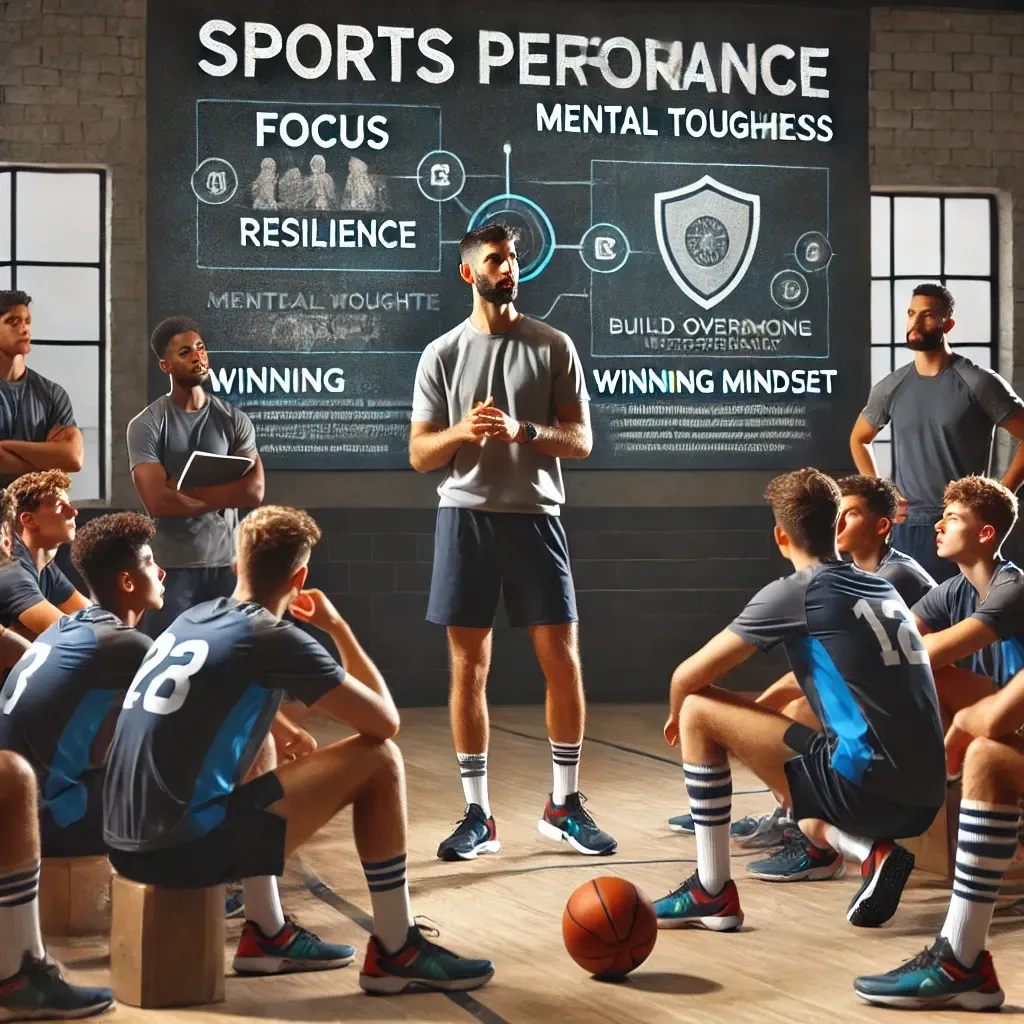
Key Traits of the Best Motivational Speakers for Sports Teams
Not all motivational speakers are the same, and it’s important to select the right speaker for your team's needs. Top motivational speakers for sports teams often share a few key traits that make them effective in boosting performance and creating lasting change within a team’s mindset.
1. Sports-Specific Expertise
The best motivational speakers for sports teams often have a background in athletics, whether as former players, coaches, or professionals who have worked closely with athletes. This experience allows them to speak directly to the challenges athletes face and provide relevant advice. For example, a motivational speaker Dallas, TX, with a background in football may have a deeper understanding of the pressures faced by athletes in highly competitive environments.
2. Engaging and Dynamic Delivery Style
An effective motivational keynote speaker uses an engaging and dynamic delivery style to captivate the audience and inspire action. Whether speaking to a large crowd or a small team, these speakers know how to maintain the attention of their listeners and make their message resonate.
3. Relatable Stories and Experiences
Many popular motivational speakers use personal stories of triumph, perseverance, and hardship to connect with their audience. These stories not only provide valuable lessons but also inspire athletes to push through their own challenges. A speaker with experience in overcoming injuries, for example, can provide athletes with hope and practical advice for recovery.
4. Practical Takeaways for Athletes
Motivational speaking is not just about inspiration; it’s about giving athletes practical tools they can use to improve their performance. Whether it's advice on goal-setting, mental conditioning, or communication, the motivational speaker provides actionable steps that athletes can integrate into their daily routines.
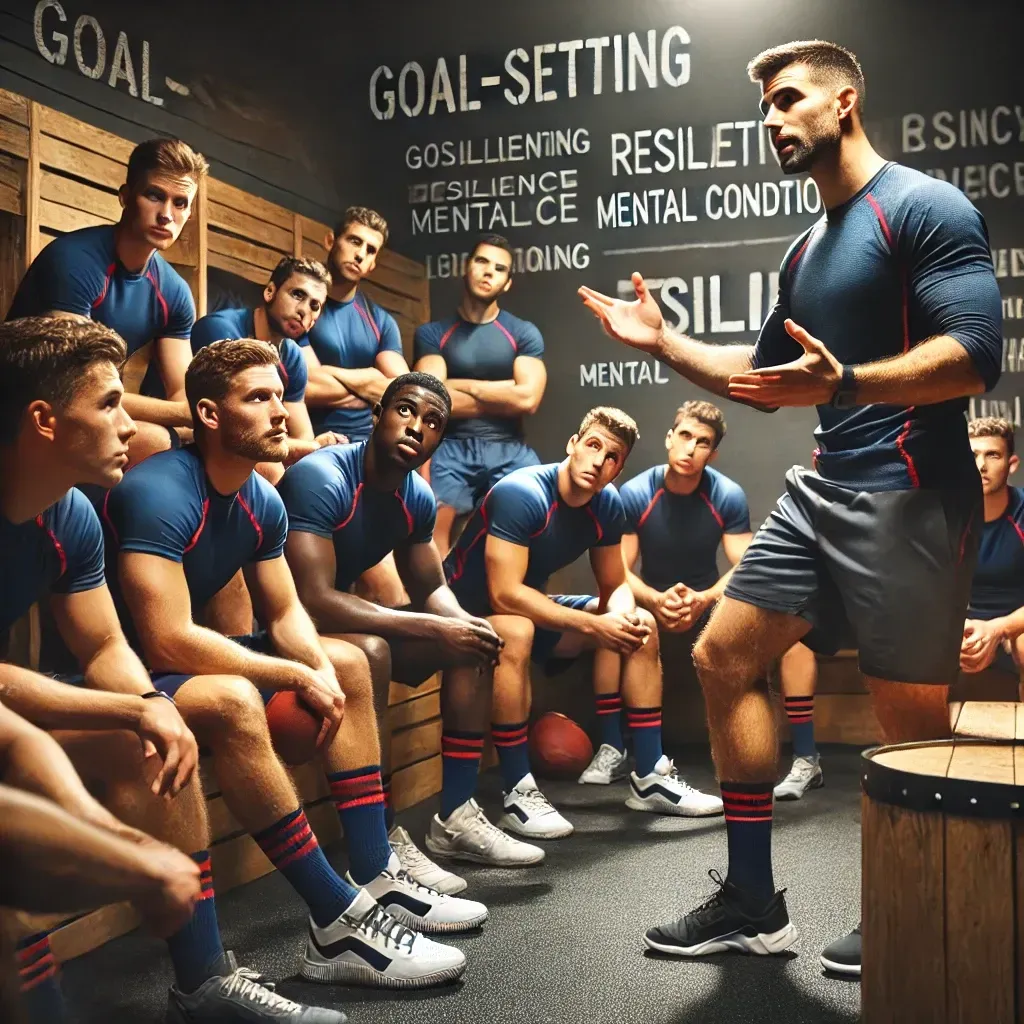
How to Choose the Right Motivational Speaker for Your Team
Choosing the right motivational speaker can make all the difference in your team's performance. Here are a few factors to consider when selecting a speaker for your athletic department or team.
1. Match the Speaker’s Expertise with Your Team’s Needs
Different speakers bring different strengths to the table. A motivational speaker for students may offer a different approach than a speaker focused on professional athletes. It’s important to choose a speaker who aligns with your team’s specific challenges and goals.
2. Consider the Speaker’s Background and Experience
Look for motivational speakers who have experience in working with sports teams or who have a background in athletics themselves. For example, a football player motivational speaker will bring a different perspective than a general business speaker, especially if your team is focused on a sport like football.
3. Evaluate the Speaker’s Impact and Track Record
Check testimonials, reviews, and case studies from other teams or organizations that have worked with the speaker. Top motivational speakers often have a proven track record of helping teams improve their performance and overcome challenges.
4. Look for a Dynamic and Engaging Delivery Style
Choose a speaker who can engage your athletes and keep them motivated throughout the presentation. A motivational speaker near me with a strong delivery style can leave a lasting impact on your team, helping them retain and apply what they’ve learned.
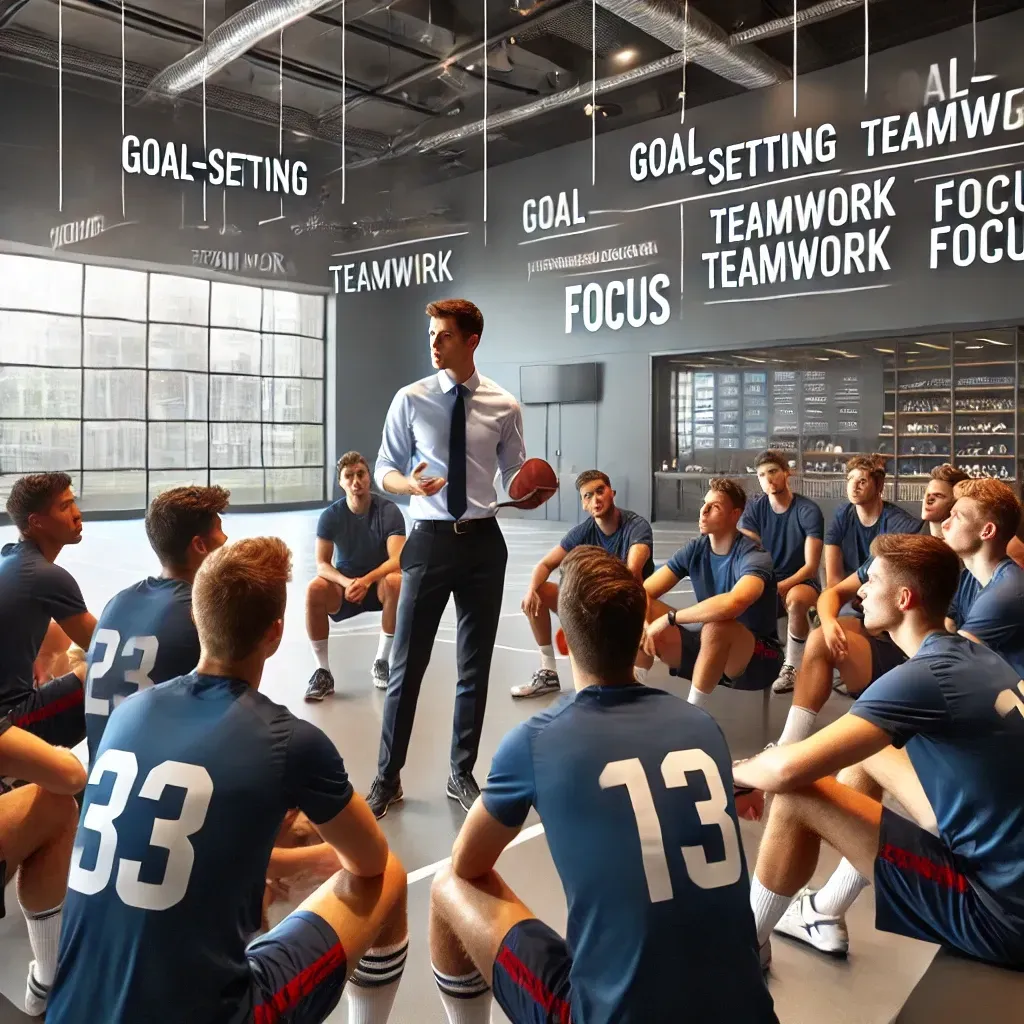
Benefits of Motivational Speakers for Athletic Departments
Hiring a motivational speaker goes beyond improving performance on the field; it can also enhance the overall culture of your athletic department. From improving communication to building a resilient mindset, the benefits of motivational speaking extend throughout the entire team.
1. Boosting Team Morale and Energy
Bringing in a motivational keynote speaker can provide a much-needed boost to team morale, especially during challenging seasons or after setbacks. These speakers can reinvigorate a team’s energy and enthusiasm, helping athletes regain focus and drive.
2. Strengthening Leadership Skills
Leadership is critical for any successful team, and motivational speakers often address key leadership principles that can help athletes and coaches alike. Whether discussing how leaders eat last or emphasizing the importance of accountability, these speakers help develop strong leaders within your team.
3. Enhancing Mental Conditioning and Focus
Mental conditioning is just as important as physical training in sports, and motivational speakers can provide athletes with the mental tools they need to stay focused, motivated, and mentally tough. These lessons help athletes handle the pressures of competition and improve their overall performance.
4. Fostering a Positive Team Culture
A positive team culture is key to long-term success. Motivational speakers help foster an environment of support, resilience, and shared goals, which can lead to stronger team cohesion and better results on the field.
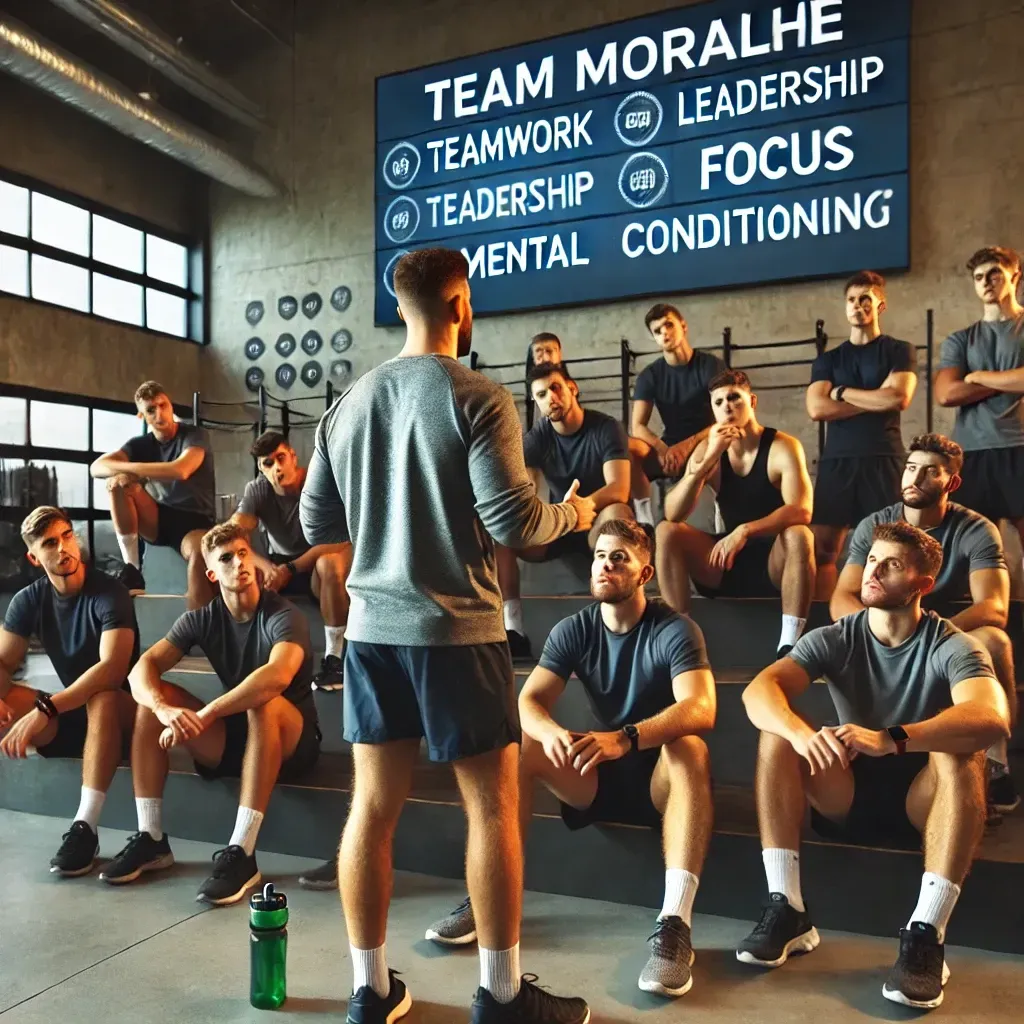
Leveraging Professional Speakers and Life Coaches to Boost Team Performance
When seeking out motivational speaker gigs for sports teams, it's important to focus on professional speakers and life coaches who have a track record of enhancing performance and resilience. These founders and CEOs, many of whom are recognized in the Hall of Fame for their contributions to business success, offer invaluable insights that can help athletes develop mental toughness and strategic thinking. Drawing from their experience as some of the world's leading experts, these speakers not only inspire athletes but also provide actionable advice that can improve focus and team cohesion, leading to better results on the field.
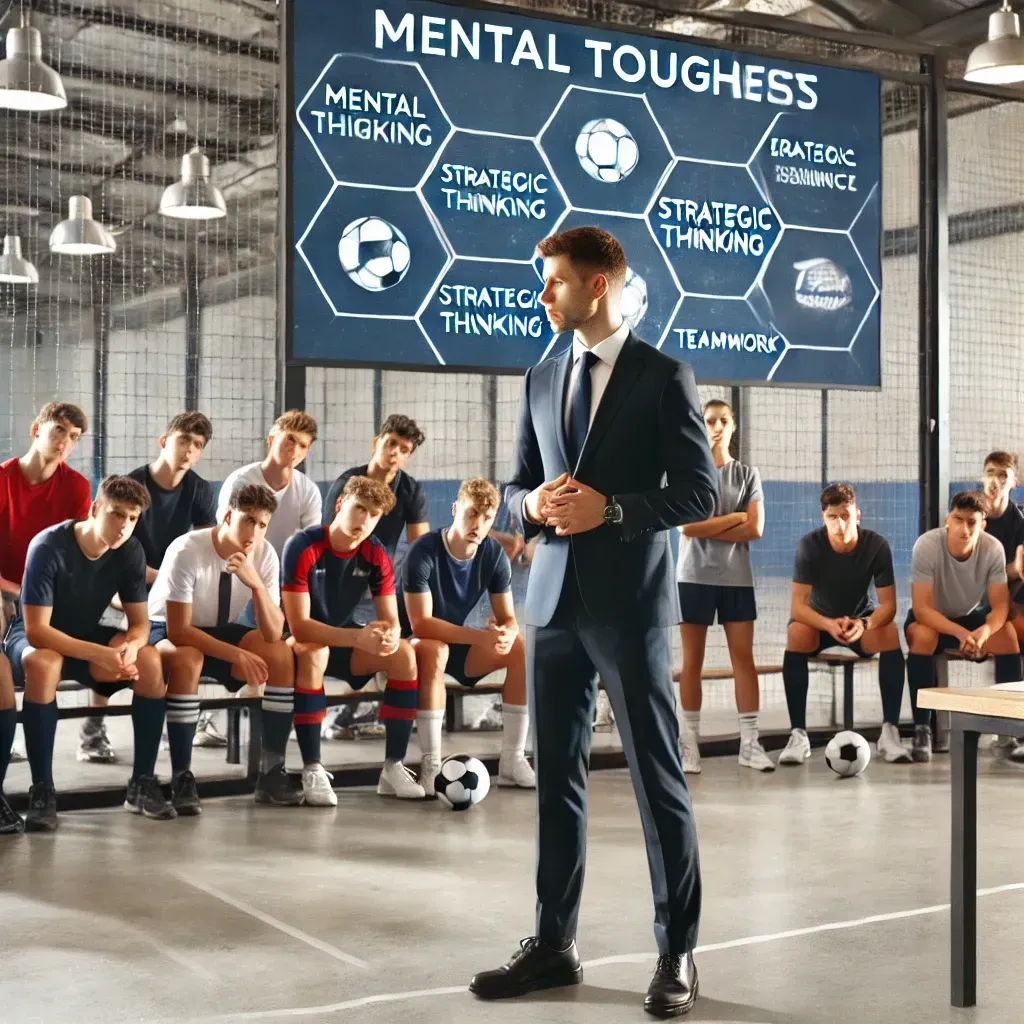
How Professional Speakers and Life Coaches Help Athletes Develop Mental Toughness and Focus
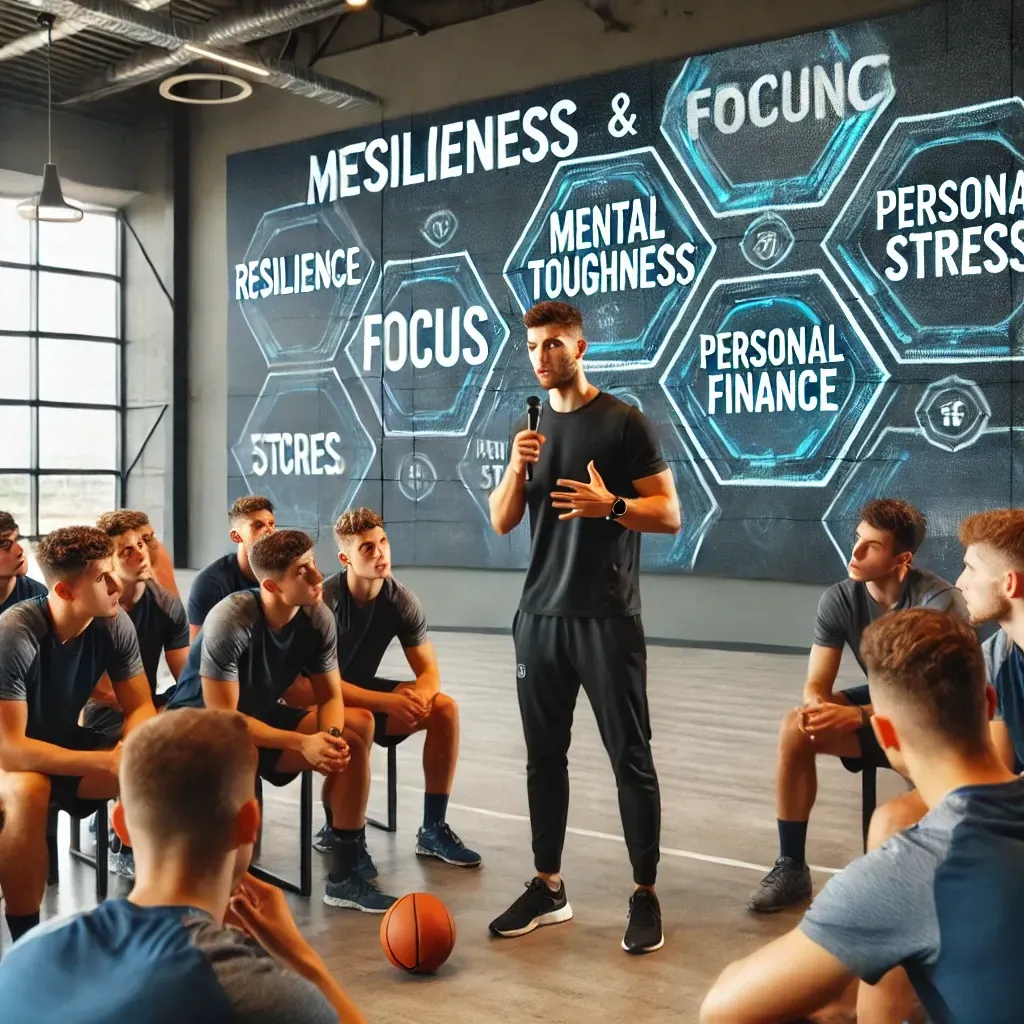
A professional speaker with expertise in both leadership and personal development can provide athletes with essential tools to build mental resilience and stay focused under pressure. Many of these speakers, including prominent life coaches and founders and CEOs, share strategies that not only improve athletic performance but also equip athletes with skills for managing personal finance and handling the stresses of daily life. By addressing both the personal and professional aspects of an athlete's journey, these speakers help foster a well-rounded mindset that contributes to success both on and off the field.
Enhancing Athletic Development Through Success Principles and Body Language
Incorporating professional development strategies into athletic training can significantly boost team performance. Popular speakers and co-founders of successful companies often share success principles that align with both personal and athletic growth. These speakers highlight how mastering body language can improve communication and confidence on the field, while focusing on mental and physical athletic development. By emphasizing how non-verbal cues and strategic thinking contribute to overall performance, motivational speakers help athletes refine their skills and foster a mindset for long-term success.
New Paragraph
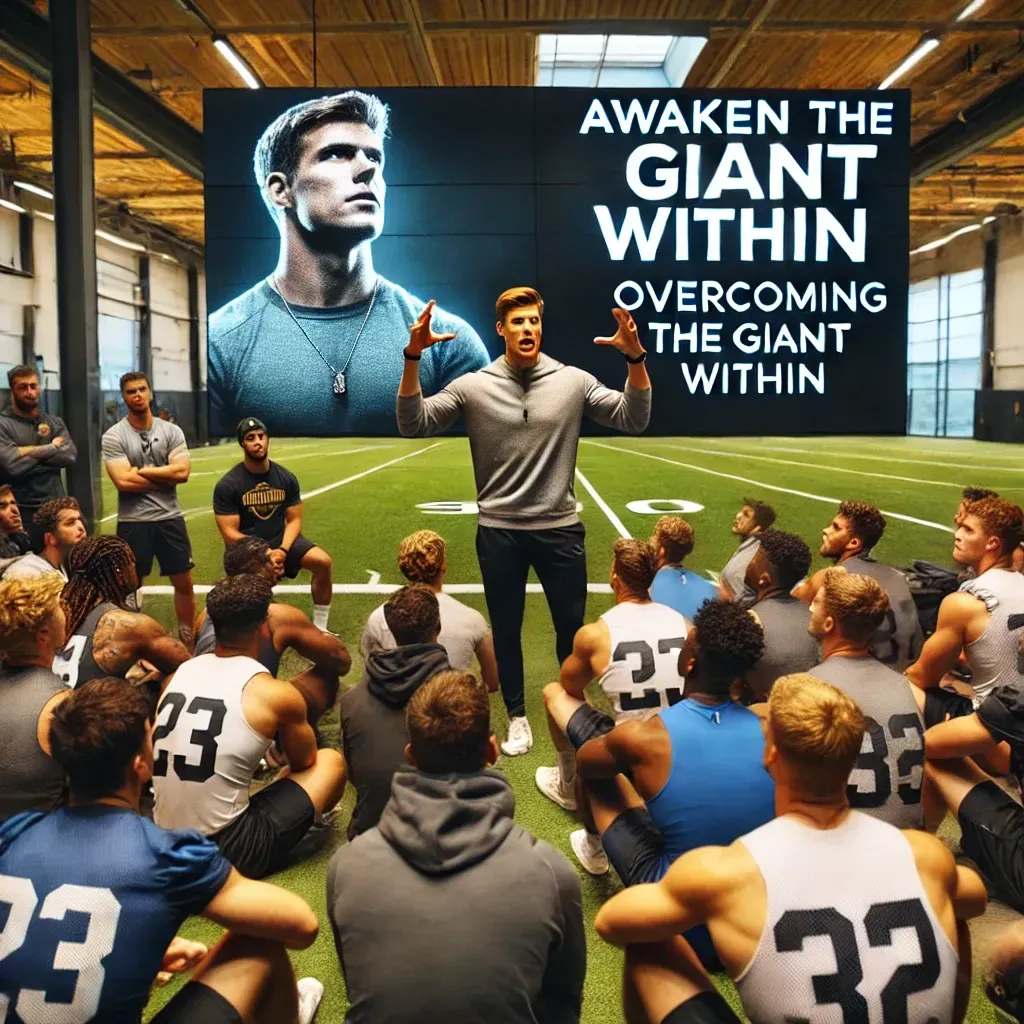
Why You Should Book a Motivational Speaker to Boost Team Performance in Dallas, TX
If you're looking to elevate your team's performance, it's time to book a motivational speaker who specializes in sports motivation. When you hire a motivational speaker with experience in guiding athletes, especially in competitive markets like Dallas, TX, you bring fresh energy and perspective to your team. These speakers offer strategies for mental resilience, teamwork, and focus that can transform how athletes approach challenges on and off the field. A motivational speaker in Dallas, TX understands the unique pressures of competitive sports and can inspire your team to reach their full potential through engaging and impactful presentations.
Contact Us to Boost Your Team’s Performance with Motivational Speakers
Is your team ready to reach new heights? Bring in a motivational speaker to help foster resilience, create a winning mindset, and boost performance. Whether you’re looking to inspire a football team, a group of student-athletes, or an entire athletic department, we can connect you with the perfect speaker.
Call us at (888) 209-4055 for a free consultation and let us help you book a motivational sports speaker that will inspire your athletes to overcome challenges and achieve success. Let’s work together to help your team become stronger, more focused, and ready for victory.
share this
Related Articles
Related Articles