


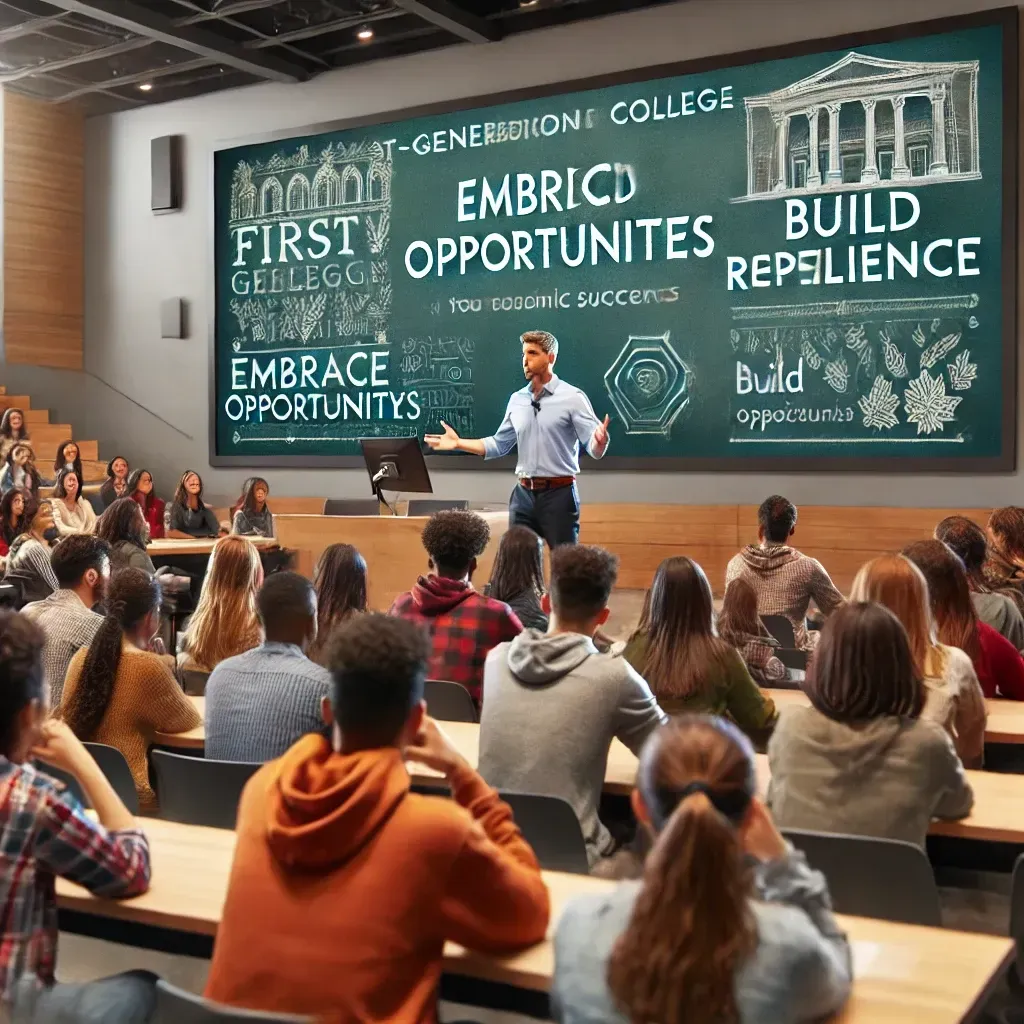


What Makes a Great College Speaker? The Essential Qualities to Look For
Choosing the perfect speaker for a university event is a crucial decision. Whether for a commencement ceremony, a student leadership summit, or a faculty development session, the best speaker will leave a lasting impact on students, educators, and event organizers. An outstanding college speaker is more than just someone who can deliver an engaging talk—they must inspire, educate, and provide actionable insights that resonate with the audience long after the event ends.
With so many options available, how can universities and event professionals identify the right motivational speaker? Here are the key qualities that define an exceptional college speaker and why these attributes matter in creating a memorable and impactful event.
1. Expertise and Experience Matter
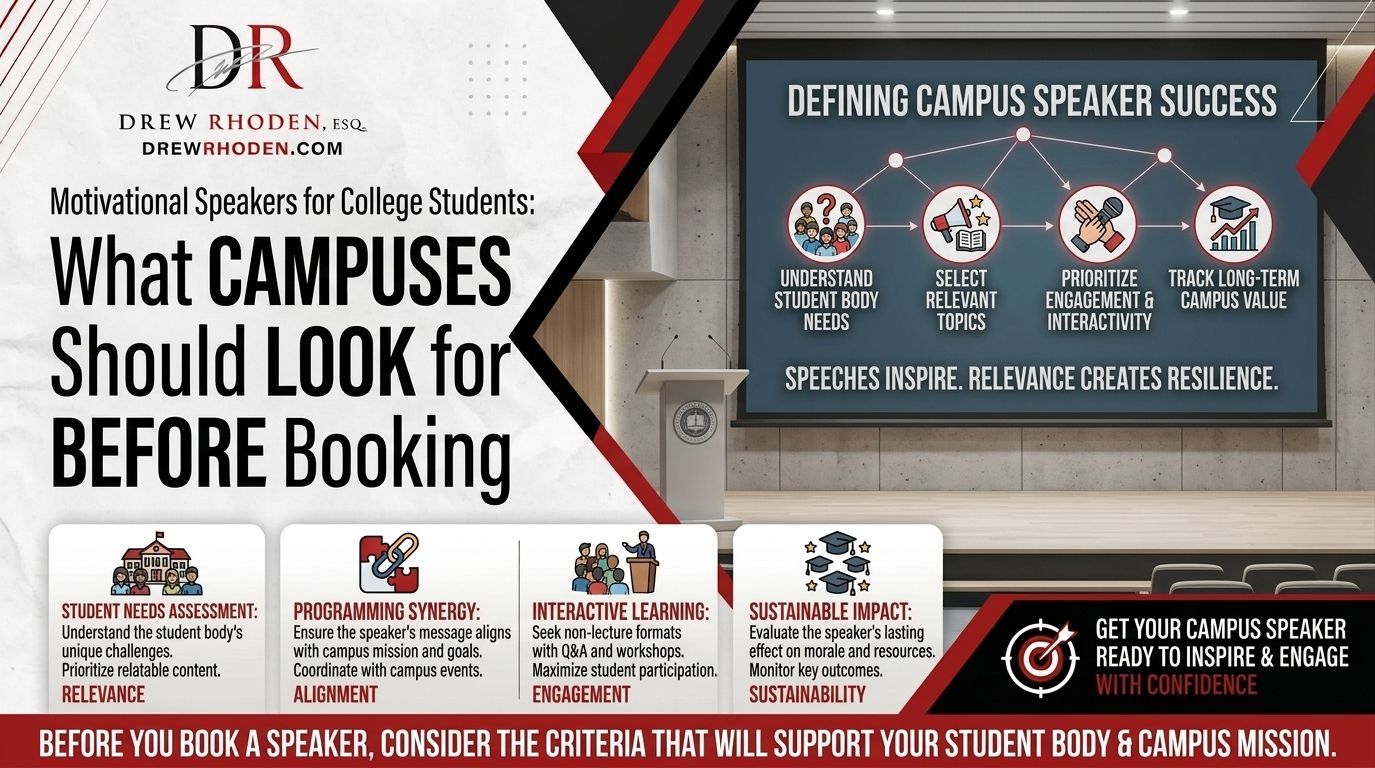
A great college speaker should have substantial experience in their field and a track record of engaging campus audiences. Whether they are a bestselling author, a business consultant, or an award-winning educator, their background should align with the needs of the university and its students.
Speakers Who Make an Impact:
- New York Times bestselling author status brings credibility and expertise.
- Olympic gold medalist speakers can share stories of discipline and perseverance.
- Political commentators and civil rights activists offer thought-provoking discussions.
- Entrepreneurs and business professionals provide insights into business success and innovation.
Universities should look for motivational college speakers with real-world achievements that reflect the values and goals of the institution.
2. The Ability to Connect with College Students
College students seek inspiration and guidance from those who understand their aspirations, struggles, and future goals. The best college speakers possess an innate ability to engage with their audience, speaking to their challenges while providing motivation for their career, education, and personal growth.
How the Best College Speakers Connect:
- Relatable storytelling that speaks directly to young minds.
- Interactive discussions rather than passive lectures.
- Real-world examples that align with student experiences.
- Clear, actionable takeaways that empower them beyond campus.
Campus speakers like Andrew Rhoden bring personal and professional experiences that inspire students while keeping them engaged through dynamic presentations.
3. A Strong Message with a Lasting Impact
A great motivational speaker doesn’t just deliver an entertaining talk—they instill a powerful message that stays with the audience long after the event. Their speeches should have a clear purpose, whether about leadership, growth mindset, or education advocacy.
Themes That Resonate with College Audiences:
- Education and personal development.
- Overcoming adversity and achieving success.
- Leadership and professional growth.
- Mental resilience and mental health.
- Preparing for the future in a competitive world.
Speakers affiliated with organizations like the Freedom Writers Foundation or Walt Disney University often bring impactful storytelling that encourages students to take meaningful steps toward their goals.
4. Versatility for Various College Events
Different events require different tones, delivery styles, and themes. The best college speakers can adapt their message to fit diverse campus settings and audiences, from student leadership workshops to commencement speakers addressing thousands.
Events That Benefit from a College Speaker:
- Commencement speakers who leave graduates inspired.
- Campus leadership events focused on empowerment.
- Professional development seminars for faculty and staff.
- Career and networking sessions preparing students for success.
A truly award-winning speaker tailors their presentation to meet the needs of each university and its unique audience.
5. An Engaging and Dynamic Delivery
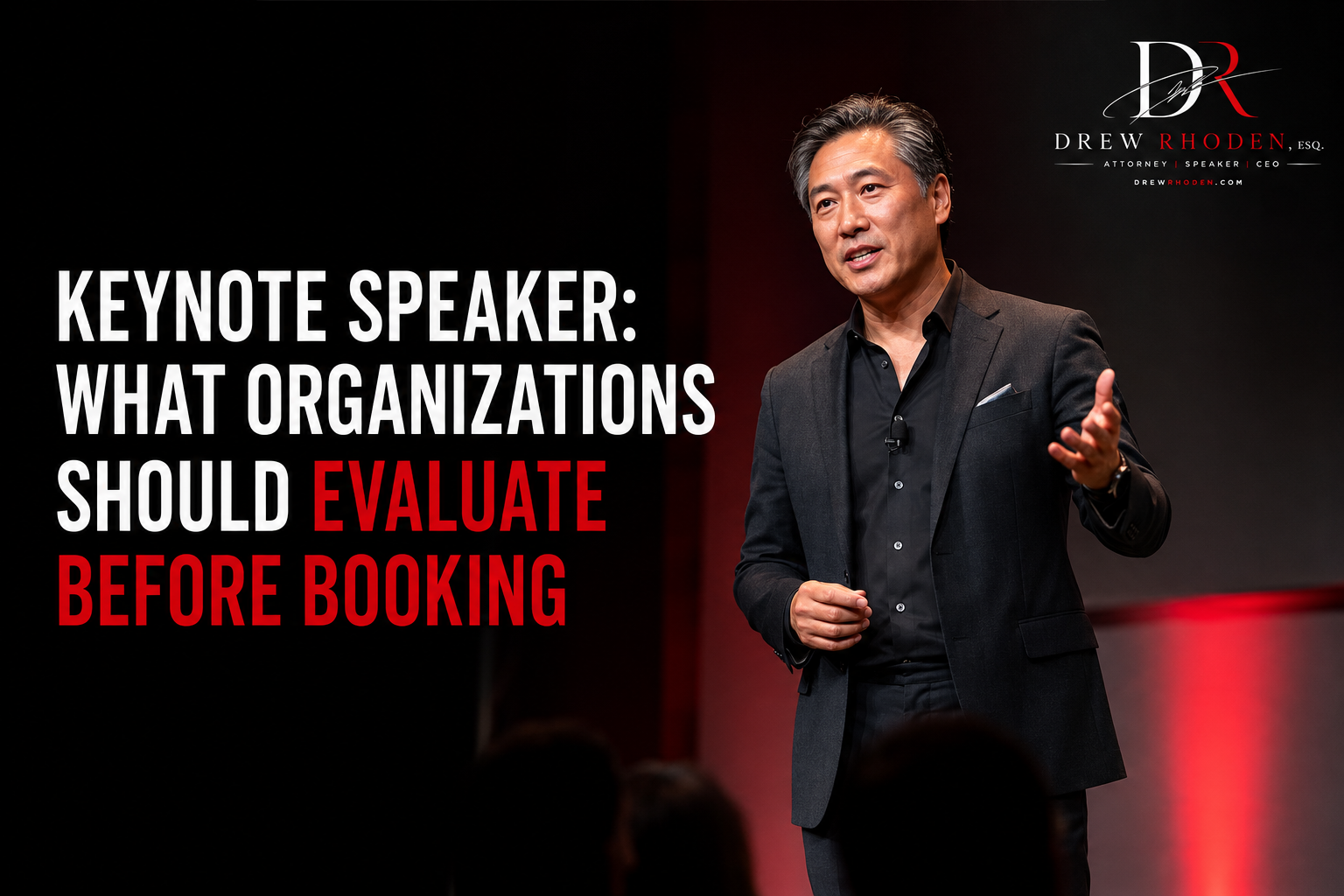
A monotonous, uninspiring speech can lose an audience quickly. The best college speakers use their voice, gestures, and stage presence to keep audiences engaged. Whether it’s a bestselling author, a co-founder of a major company, or a political strategist, an engaging presentation style ensures the message is not just heard but felt.
Traits of an Engaging Speaker:
- Uses humor, emotion, and storytelling to connect with the audience.
- Encourages interaction through Q&A sessions.
- Adapts speech delivery based on audience engagement levels.
- Creates a sense of urgency and inspiration through compelling narratives.
An engaging college speaker understands that connection is key and ensures that every attendee leaves feeling motivated and equipped with new ideas.
6. A Background in Leadership and Advocacy
A top college speaker often has a strong foundation in leadership, advocacy, or social impact. Many award-winning speakers hold titles such as executive director, business consultant, or education advocate and have worked with organizations that drive meaningful change.
Notable Speaker Backgrounds:
- Co-founder of an influential education or social justice initiative.
- CEO of a company that empowers young people.
- Environmental advocate with a mission to educate about sustainability.
- Political strategist guiding the next generation of leaders.
These experiences allow speakers to provide students with valuable life lessons, professional insights, and the motivation to take action in their own lives.

Elevate Your Next College Event with the Right Speaker
Finding the perfect speaker for your college or university event requires careful consideration. A great college speaker has the expertise, engagement skills, and passion necessary to create an unforgettable experience for students, faculty, and event organizers alike. Whether you’re looking for a motivational speaker, an award-winning expert, or a bestselling author, choosing the right speaker can make all the difference in inspiring your audience and leaving a lasting impact.
What Makes a Great College Speaker? The Essential Qualities to Look For
A great college speaker does more than just deliver a speech—they inspire, educate, and leave a lasting impact on students. Motivational college speakers have the unique ability to connect with diverse audiences, sharing powerful stories and insights that encourage personal and academic growth. The best speakers are engaging communicators, adaptable to different campus environments, and skilled at making complex topics relatable. Whether discussing leadership, career success, or overcoming adversity, an effective college speaker fosters meaningful discussions that resonate beyond the lecture hall.
Elevate Your Campus Event with an Inspiring Speaker
Andrew Rhoden is an award-winning college speaker known for captivating students, faculty, and university leaders with powerful, thought-provoking messages. His dynamic speaking style and ability to inspire have made him a top choice for campus events, leadership seminars, and graduation ceremonies across the country. With experience speaking at renowned institutions like Georgetown University and high-profile events in San Francisco and beyond, Andrew delivers engaging, high-energy presentations that leave a lasting impact.
Whether you're planning a commencement address, a student leadership summit, or an academic success workshop, Andrew will tailor his message to resonate with your audience. Take the first step in creating an unforgettable event—schedule a free consultation today.
Call (888) 209-4055 to book Andrew Rhoden for your next college event.
share this
Related Articles
Related Articles