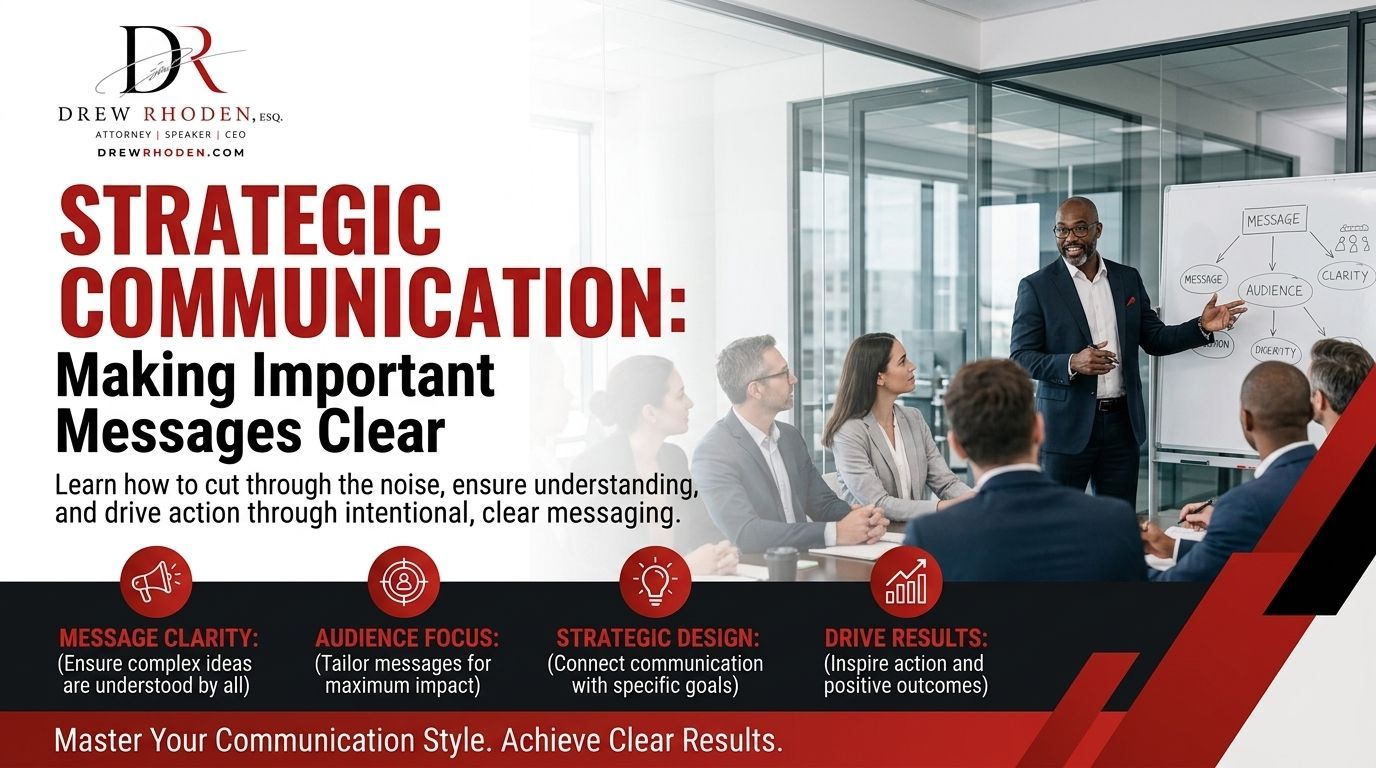





The Intersection of Business and Wealth: A Keynote Speaker’s Guide to Legacy Planning
Building and protecting wealth is not just about financial management—it is about ensuring long-term prosperity for future generations. Many business leaders and successful entrepreneurs focus on immediate growth but fail to establish a strategy for legacy planning. This is where keynote speaking plays a crucial role in educating professionals on how to merge business success with sustainable wealth preservation.
A skilled keynote speaker brings practical insights, real-world experiences, and actionable advice that empower audiences to think beyond short-term gains and develop strategies that protect financial legacies. Whether speaking at a conference, sales meeting, or corporate leadership event, a well-structured keynote speech can provide the knowledge needed to ensure generational wealth endures.
The Importance of Legacy Planning in Business
Why Business Leaders Must Prioritize Wealth Protection
Many leaders build empires only to see them diminish due to poor planning. A lack of structured wealth management often results in family disputes, tax burdens, and lost assets. Effective leadership development includes financial literacy and generational wealth strategies to secure a sustainable future.
The Role of a Keynote Speaker in Shaping Financial Mindsets
A motivational speaker who specializes in business and legacy planning helps inspire audiences to adopt wealth-building strategies that align with long-term goals. A great keynote speaker presents innovative financial solutions in an engaging, digestible manner, making complex wealth preservation strategies more accessible.
Aligning Leadership and Wealth Growth
A leadership keynote speaker understands that financial legacy is closely tied to strong leadership within families and organizations. When leaders cultivate a generational mindset, they develop habits that sustain wealth through smart investments, business continuity planning, and legal protection strategies.
Key Principles of Legacy Planning for Business Leaders
Building a Financial Roadmap That Lasts Generations
To ensure wealth lasts beyond a single lifetime, business owners must establish clear financial roadmaps. This includes:
- Structuring businesses with succession planning in mind
- Setting up trusts and legal frameworks to protect assets
- Educating family members about financial responsibility
A guest speaker with expertise in financial legacy planning can provide deep insights into how these steps lead to lasting success.
Integrating Leadership Excellence with Wealth Strategy
Strong leadership is essential for maintaining financial legacies. A leadership keynote speaker teaches strategies such as:
- Creating wealth-building habits within organizations
- Encouraging financial discipline among future generations
- Developing a leadership succession plan that includes wealth management
The Role of Keynote Speaking in Financial Education
How a Keynote Speech Can Transform Perspectives on Wealth
A keynote speech that focuses on wealth preservation can reshape the way audiences view financial security. A closing keynote speaker can highlight stories of successful entrepreneurs who failed to secure their financial legacies and contrast them with those who created lasting wealth through strategic planning.
Bringing Future Trends and Innovation to Wealth Management
A top keynote speaker will address future trends in financial planning, business growth, and wealth management. Emerging technologies such as AI-driven investment strategies and blockchain financial tools are transforming the industry. A guest speaker can educate attendees on how these innovations can be leveraged to sustain long-term wealth.

Leadership and Wealth: Bridging the Gap
How Leadership Keynote Speakers Inspire Financial Confidence
A leadership keynote speaker not only discusses financial strategies but also instills confidence in leaders to take charge of their financial futures. Through effective communication, business leaders can:
- Teach financial literacy within their organizations
- Develop sustainable growth strategies
- Align corporate values with long-term wealth goals
Public Speaking as a Tool for Wealth Education
Public speaking plays a crucial role in spreading knowledge about wealth-building principles. A public speaker specializing in financial legacy planning can engage with a variety of audiences, from corporate executives to young entrepreneurs, ensuring that the message resonates widely.
Lessons from Thought Leaders on Wealth and Leadership
The Best Keynote Speakers Share Real-World Strategies
The best keynote speakers do more than provide generic advice; they share real-world examples, challenges, and solutions. They offer a unique perspective on how financial success is tied to leadership excellence and business growth.
Achieving Greatness Through Smart Financial Planning
To achieve greatness, business leaders must align their financial goals with actionable strategies. A perfect speaker on legacy planning emphasizes:
- The importance of early financial planning
- How to create wealth that benefits future generations
- The role of innovation in sustaining wealth
How to Choose the Right Keynote Speaker for Your Event
Finding a Great Speaker Who Matches Your Event Goals
The right keynote speaker for a financial or business-focused conference should have deep knowledge, engaging delivery, and the ability to inspire audiences. When selecting a speaker, consider:
- Their experience in business and financial planning
- Their ability to connect with diverse audiences
- Their expertise in leadership and legacy-building strategies
Engaging Audiences with an Inspiring Keynote Address
An inspiring keynote must captivate attendees while offering actionable advice they can apply immediately. A bestselling author or award-winning financial expert often makes a compelling keynote speaker due to their depth of experience.
Final Thoughts
Wealth is not just about earning—it’s about sustaining and growing financial legacies that impact future generations. A keynote speech on business and legacy planning provides audiences with valuable insights into structuring wealth for long-term success. Through expert keynote speaking, leaders gain the confidence and knowledge to make informed financial decisions.
Organizations looking to educate their executives, business owners, and entrepreneurs about financial sustainability will benefit greatly from a keynote speaker with expertise in business, leadership, and wealth management.
Building Wealth and Legacy: Insights from a Keynote Speaker
An opening keynote speaker brings valuable insights into the connection between business success and long-term legacy planning. True wealth isn’t just measured in financial terms—it’s built through strategic leadership, strong team dynamics, and fostering a culture of employee engagement that ensures the organization’s sustainability for generations.
Effective legacy planning requires aligning business growth with values that support employees, communities, and future leaders. By prioritizing strategic wealth management and leadership development, business owners and executives can create a lasting impact. Whether you’re planning for succession or seeking to strengthen your company’s foundation, a clear vision of business and wealth will help secure a meaningful legacy.
Creating a Lasting Legacy: The Role of Team, Inspiration, and Leadership
A strong team is the foundation of any successful business and plays a crucial role in legacy planning. An opening keynote speaker can provide the inspiration needed to help leaders cultivate an environment where employees are engaged, motivated, and aligned with long-term goals. The way a leader nurtures their team determines the most impact they will have on the future of their business and the people within it.
Legacy planning goes beyond financial wealth—it’s about building a business that continues to thrive and make a difference in people’s lives. By fostering team collaboration, encouraging employee engagement, and aligning business values with long-term vision, leaders can leave a meaningful and lasting mark. The true measure of success is not just in profits but in the ability to create a team that carries forward a legacy of innovation, growth, and purpose.
The Power of a Closing Keynote Speaker in Legacy Planning
A closing keynote speaker has the unique ability to bring an event full circle, reinforcing the importance of legacy planning in business and wealth creation. As leaders navigate their careers, ensuring their impact lasts beyond their tenure requires strategic decision-making, fostering a strong team, and embracing long-term vision. A well-delivered closing keynote can leave attendees with actionable insights, renewed inspiration, and a commitment to building a meaningful legacy.
A powerful closing keynote doesn’t just summarize key discussions—it provides a call to action that encourages leaders to implement sustainable growth strategies in their professional and personal lives. By emphasizing employee engagement, strong team dynamics, and long-term planning, the final message of an event can have the most impact, motivating business owners and executives to take charge of their future and create lasting wealth.
Choosing the Best Speaker for Business and Legacy Planning
Selecting the best speaker for a business event can make a significant difference in the way leaders approach legacy planning and long-term success. A compelling closing keynote speaker delivers inspiration that resonates beyond the stage, encouraging business owners to focus on wealth-building strategies, team leadership, and employee engagement that ensures sustainability.
The best speaker not only shares insights but also provides practical steps for creating lasting impact. Whether delivering an opening keynote speaker address or a powerful closing keynote, their message should help leaders align their professional and personal lives with their long-term goals, making the most impact on their teams, businesses, and communities.
Finding the Perfect Match: Personal Experiences in Legacy Planning
A compelling closing keynote speaker understands that personal experiences shape the way business leaders approach legacy planning. By sharing real-life challenges and successes, they create a perfect match between inspiration and actionable strategies, helping attendees connect their own journeys to long-term wealth and impact.
Whether you're a social entrepreneur or a corporate executive, aligning your vision with the right values, leadership style, and financial strategies ensures that your business makes the most impact. A well-delivered closing keynote highlights how strong team dynamics, employee engagement, and thoughtful decision-making contribute to a meaningful legacy that extends far beyond individual success.
Understanding Audience Demographics and the Role of a Social Entrepreneur in Legacy Planning
A successful closing keynote speaker tailors their message to the event’s audience demographics, ensuring that their insights resonate with business leaders, investors, and change-makers. When discussing legacy planning, understanding who is in the room is crucial—whether they are corporate executives, small business owners, or aspiring social entrepreneurs looking to make a lasting impact.
A social entrepreneur is uniquely positioned to bridge business success with social responsibility, aligning wealth-building with meaningful change. By fostering strong team leadership, promoting employee engagement, and inspiring future generations, they ensure that their business efforts leave a positive and lasting legacy. Through a well-crafted closing keynote, leaders can gain the inspiration needed to build a future that benefits both their enterprises and the communities they serve.
Contact Us for a Keynote Speaker Who Inspires and Educates
Andrew Rhoden’s ability to inspire audiences and drive them to action sets him apart as a motivational speaker in business, leadership, and wealth-building strategies. His engaging presentation style delivers unique insights and practical knowledge that help organizations secure long-term financial success.
Andrew has delivered inspiring keynotes at leading conferences and corporate events around the world, making him the perfect speaker for:
- Corporate leadership events
- Business development seminars
- Academic and professional conferences
Book Andrew Rhoden today to bring an impactful and thought-provoking keynote speech to your next event. Contact us at (888) 209-4055 for a free consultation and let us help make your next conference an unforgettable success.
share this
Related Articles
Related Articles