




Preventing Student Burnout Through the Guidance of a Mental Health College Speaker
The Growing Mental Health Crisis on College Campuses
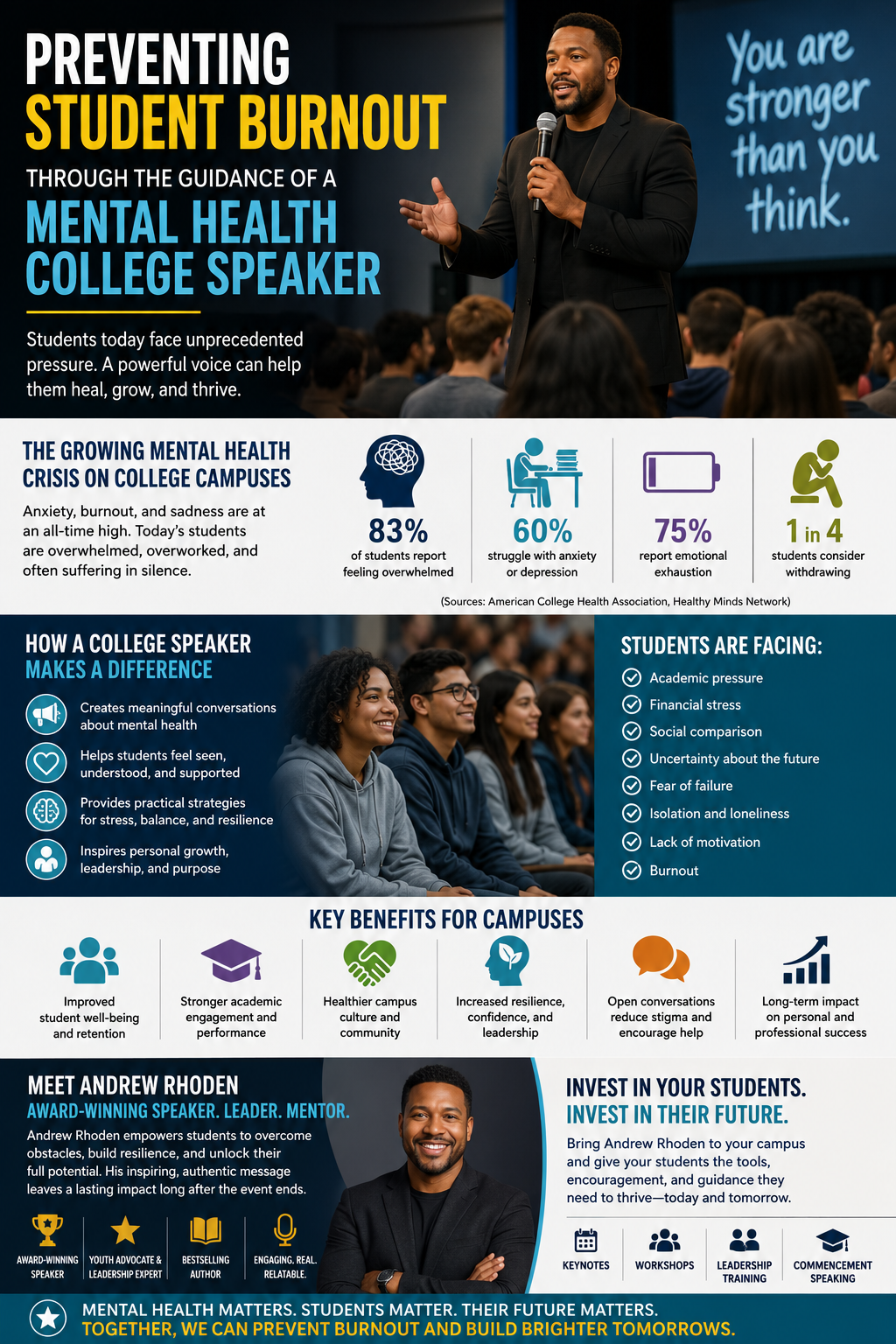
Across the country, college students are facing emotional pressure at levels many schools have never seen before. Academic stress, financial pressure, social expectations, and uncertainty about the future are affecting students in ways that often remain hidden until burnout becomes overwhelming. Many students try to balance demanding schedules, jobs, relationships, internships, and personal struggles while still attempting to maintain high grades and strong social lives.
College burnout is no longer something affecting only a small group of students. It has become a serious issue impacting nearly every college campus and university environment. Professors, administrators, and student leaders are seeing increased anxiety, emotional exhaustion, and disengagement among students who once entered higher education full of excitement and ambition.
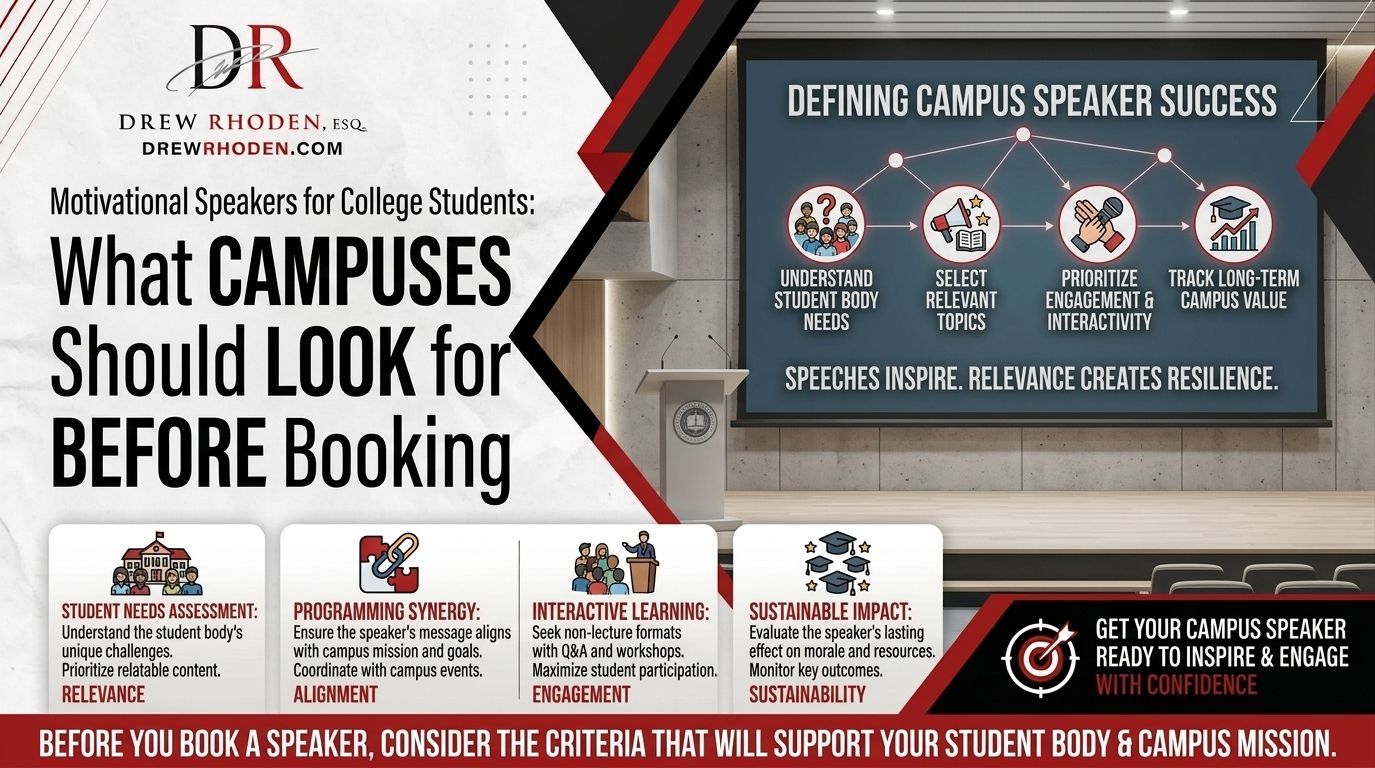
At Masterly, we believe a powerful college speaker can help create meaningful conversations around mental health, resilience, and personal growth. Andrew Rhoden has become an award winning speaker known for helping students recognize their value, overcome obstacles, and rediscover purpose during difficult moments in life.
Why Students Are Experiencing Burnout Earlier Than Ever
Years ago, many college students entered school with a slower pace of life and fewer digital distractions. Today’s students face constant comparison through social media, nonstop communication, and overwhelming expectations regarding academic achievement and career success.
Many young people feel pressure to succeed immediately after entering college. Some students fear failure so intensely that they overwork themselves while ignoring emotional exhaustion. Others struggle quietly because they believe asking for help makes them appear weak.
A keynote speaker focused on mental health can help normalize these conversations while encouraging students to develop healthier habits and realistic expectations. Student audiences often respond more openly when a speaker shares authentic stories and practical experiences rather than delivering generic lectures.
The Role of a College Speaker in Student Wellness
A professional college speaker does more than stand on a stage and deliver information. The right speaker can create a lasting impact by helping students feel seen, understood, and encouraged during difficult moments in their educational journey.
Andrew Rhoden’s mission is centered around helping students unlock their full potential while navigating real challenges facing today’s college environment. His talks combine inspiration, actionable advice, leadership lessons, and emotional intelligence in ways that connect deeply with student audiences.
Many campus events focus heavily on entertainment while overlooking emotional wellness. However, schools are beginning to recognize the importance of bringing in speakers who can address stress, burnout, emotional resilience, and personal development in relatable ways.
Why Mental Health Conversations Matter on Campus
Mental health conversations are no longer optional within modern education systems. College students are dealing with emotional struggles that often affect academic performance, relationships, and long term success.
Many students experience:
- Anxiety
- Emotional exhaustion
- Fear of failure
- Isolation
- Depression
- Loss of motivation
- Academic burnout
Without support, these struggles may affect both personal and professional growth. A highly engaging keynote speaker can help students understand they are not alone while also encouraging positive change across the campus community.
How Burnout Affects Academic Performance
Burnout often begins gradually before becoming severe. Students may initially lose motivation, struggle to focus in the classroom, or begin missing assignments. Over time, emotional exhaustion may affect memory, creativity, and problem solving abilities.
Professors at many university campuses report that students are increasingly overwhelmed by pressure connected to grades, internships, leadership responsibilities, and social expectations. Some students feel trapped in a cycle where rest feels impossible because they fear falling behind.
Mental health focused speakers help students recognize these warning signs early. Through relatable storytelling and practical strategies, students may begin understanding how to balance achievement with emotional wellness.
The Importance of Relatable Speakers for Students
Students often disconnect from speakers who appear distant or disconnected from real life experiences. Today’s student audiences respond more strongly to authenticity, vulnerability, and honesty.
Andrew Rhoden’s speaking style is highly engaging because he combines motivation with genuine experiences students can relate to. Instead of speaking at students, he speaks with them in a way that creates trust and emotional connection.
This approach helps inspire students while encouraging them to think differently about stress, personal growth, and emotional health. Many students leave his event feeling more hopeful, focused, and motivated to make positive adjustments in their daily lives.
Why Campus Events Should Include Mental Health Speakers
Many schools invest heavily into sports, entertainment, and social campus events while overlooking emotional wellness programming. However, the emotional health of students directly affects retention, classroom performance, and campus culture.
Mental health speakers bring value to campus events by helping students:
- Develop healthier coping strategies
- Build resilience
- Improve communication
- Strengthen leadership skills
- Learn emotional balance
A professional college speaker focused on wellness can help create an environment where students feel supported both academically and personally.
The Connection Between Leadership and Emotional Wellness
Leadership is not only about achievement or titles. Strong leadership also involves emotional intelligence, communication, and self-awareness. Students struggling with burnout often lose confidence in their ability to lead effectively.
Andrew Rhoden encourages students to understand that leadership begins with how they care for themselves mentally and emotionally. Burnout affects decision-making, relationships, and personal confidence in ways many students fail to recognize until they feel completely overwhelmed.
College speakers who address both leadership and mental wellness help students develop healthier foundations for long term success in both school and future careers.
Why Students Need More Than Motivation Alone
Many motivational speakers create temporary excitement without offering realistic guidance students can actually apply to daily life. Students need more than emotional hype. They need practical strategies that help them manage stress, priorities, and emotional pressure.
Andrew Rhoden focuses on helping students create sustainable habits that support emotional balance and personal growth. His presentations combine inspiration with realistic advice students can implement immediately.
This combination helps students feel encouraged while also providing tools that improve emotional resilience long after the event ends.
The Pressure Facing Modern College Students
Today’s college environment looks very different from previous generations. Many students now balance:
- Full academic schedules
- Part-time jobs
- Financial stress
- Social pressure
- Family responsibilities
- Career uncertainty
At the same time, students constantly consume information through technology and social media. The nonstop digital environment often leaves little room for emotional rest or reflection.
A keynote speaker focused on mental health can help students slow down mentally while learning healthier ways to manage pressure and expectations.
Why Universities Are Investing in Mental Health Programming
Many university leaders are realizing that emotional wellness directly affects academic outcomes. Students struggling emotionally may disengage from education entirely if they feel unsupported or overwhelmed.
As a result, schools are increasingly bringing speakers to campus who can address topics involving mental health, burnout prevention, and student engagement. These conversations help create healthier campus cultures while showing students that emotional health matters.
Andrew Rhoden’s message resonates strongly because he understands the emotional challenges students face while also encouraging accountability, resilience, and personal responsibility.
The Power of Storytelling in Student Engagement
One reason great speakers create such strong connections with students is storytelling. Stories allow students to feel emotionally connected to the message rather than simply hearing information presented in a lecture format.
Many bestselling author speakers and commencement speakers use storytelling to inspire audiences because stories create emotional memory. Students are more likely to remember personal experiences and relatable examples than statistics alone.
Andrew Rhoden uses real-world experiences to create inspiration while helping students recognize their own potential for growth and transformation.
Why Students Need Encouragement About Their Future
Many college students quietly fear they are not prepared for the future. Some worry about career goals, financial pressure, or whether they are capable of achieving success after graduation.
A college speaker who understands these fears can help students develop confidence while shifting their mindset toward growth and possibility. Students need reminders that setbacks, stress, and uncertainty are normal parts of personal development.
Encouraging a growth mindset may help students view challenges as opportunities to learn instead of signs of failure.
The Impact of Burnout on Campus Culture
Burnout does not only affect individual students. It affects the entire campus community. Emotional exhaustion often reduces student engagement, weakens relationships, and creates disconnection within the university environment.
Students experiencing burnout may stop participating in activities, avoid leadership opportunities, or withdraw socially. Over time, this affects the energy and culture of the entire campus.
Mental health speakers can help rebuild connection by creating spaces where students feel safe discussing emotional wellness openly and honestly.
Why Interactive Sessions Matter
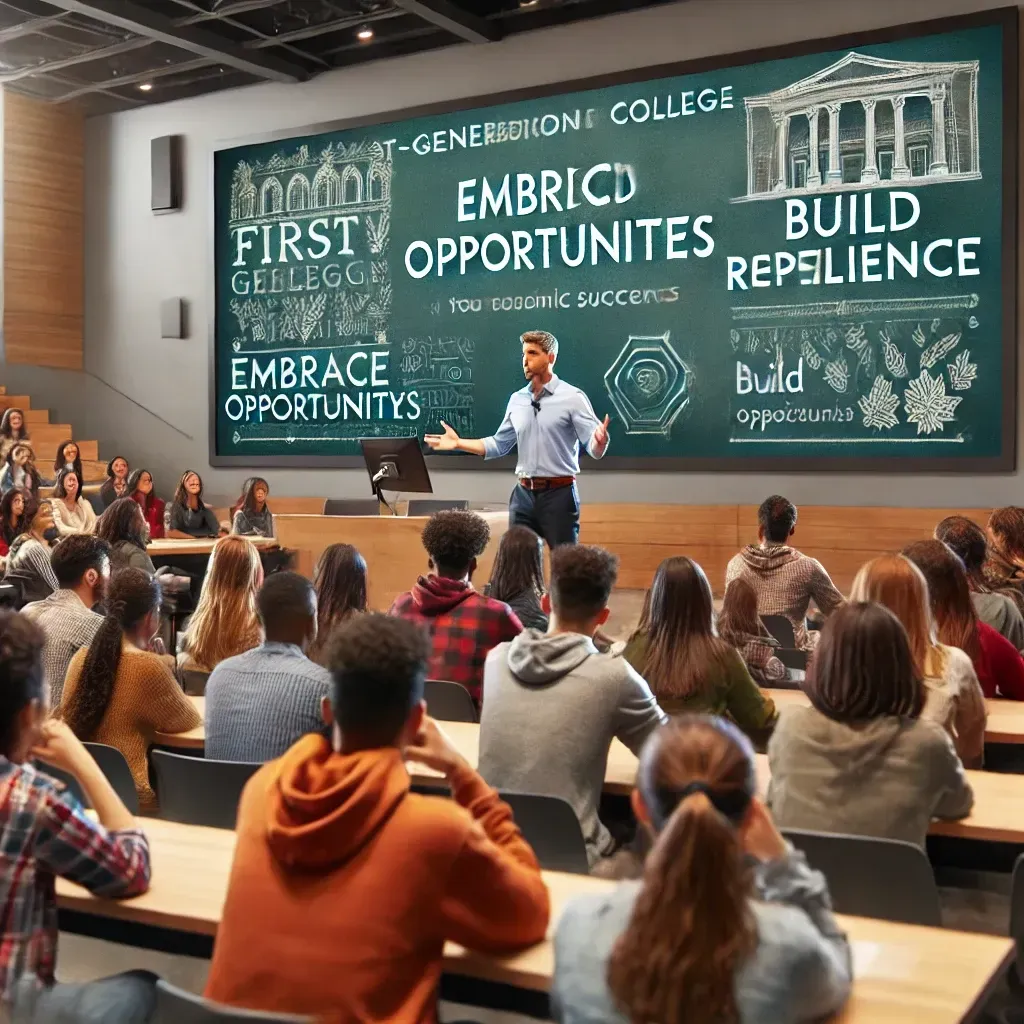
Students are more engaged when speakers create interactive sessions instead of one-sided presentations. Modern student audiences respond better when they feel included in the conversation.
Interactive workshops allow students to ask questions, reflect on personal experiences, and participate actively in discussions involving stress, leadership, and emotional wellness.
Andrew Rhoden’s interactive approach helps students feel connected while encouraging open communication and reflection during campus events.
How Burnout Affects Creativity and Innovation
Students experiencing burnout often lose creativity, passion, and curiosity. Emotional exhaustion may cause students to stop exploring new ideas or taking healthy risks.
This is especially concerning in a world increasingly driven by innovation, creativity, and adaptability. Students who constantly feel overwhelmed may struggle to develop the confidence needed for future leadership roles.
A mental health college speaker helps students understand the importance of emotional balance in maintaining creativity and long term personal development.
Why Student Audiences Respond to Authenticity
Authenticity matters greatly when speaking to students. Young people are highly aware of insincerity and often disconnect from speakers who feel overly scripted or disconnected from reality.
Andrew Rhoden’s presentations resonate because students recognize genuine passion and authenticity in his message. He speaks openly about overcoming challenges while encouraging students to believe they are capable of creating meaningful change in their own lives.
Authentic communication often creates stronger emotional connection and greater lasting impact for student audiences.
The Importance of Emotional Intelligence in Education
Education should involve more than academic instruction alone. Emotional intelligence plays a major role in communication, leadership, relationships, and future workplace success.
Students who learn emotional resilience and self-awareness often perform better both academically and professionally. Unfortunately, many schools focus heavily on performance while spending very little time discussing emotional wellness.
College speakers who address mental health help students develop emotional intelligence alongside academic growth.
Why Students Need Practical Strategies for Stress Management
Many students hear generic advice about stress management but never receive practical guidance that feels realistic within a demanding college schedule.
Students benefit from learning practical strategies such as:
- Time management techniques
- Healthy boundaries
- Mindfulness habits
- Rest and recovery routines
- Communication skills
- Prioritization methods
These skills may help students improve focus while reducing emotional exhaustion.
The Influence of Inspirational Speakers on Campus
Great speakers often leave a lasting emotional impact on students long after the event ends. Some students remember a single talk for years because it changed how they viewed themselves or their future.
Many award winning commencement speakers become influential because they combine inspiration with honesty about real life struggles. Students appreciate hearing from individuals who acknowledge challenges while still encouraging hope and resilience.
Andrew Rhoden’s message focuses on helping students understand their value while encouraging them to continue moving forward even during difficult seasons.
Why Burnout Prevention Should Begin Early
Burnout prevention should begin before students reach emotional crisis points. Many students wait too long before seeking help because they believe stress is simply part of the college experience.
Schools can reduce burnout by introducing mental health education early through orientation programs, campus events, leadership workshops, and speaker presentations.
Creating early awareness may help students recognize unhealthy patterns before emotional exhaustion becomes severe.
The Connection Between Community and Mental Health
Strong community support often plays a major role in emotional wellness. Students who feel isolated are more likely to experience anxiety, depression, and burnout.
College speakers help strengthen campus community by encouraging open conversations, empathy, and emotional support between students. These conversations remind students they are not alone in their struggles.
A healthier campus community creates stronger emotional support systems for students navigating academic and personal pressure.
Why Colleges Need Speakers Who Understand Young People
Young people face challenges previous generations never experienced in quite the same way. Constant social media exposure, rising financial pressure, and academic competition create emotional strain that many students struggle to process.
Speakers who understand modern student experiences are more effective at building connection and trust. Students want to hear from individuals who understand their reality rather than dismissing their concerns.
Andrew Rhoden’s approach connects with today’s students because his message reflects the real emotional and social pressures affecting modern campus life.
The Value of Diverse Perspectives in Student Events
Students benefit from hearing different perspectives during campus programming. Exposure to varied life experiences often expands understanding, empathy, and critical thinking.
Many successful speakers bring unique personal backgrounds to their presentations. Students may hear from business leaders, a bestselling author, a former editor, a co founder, or even a black female combat pilot whose story demonstrates resilience and determination under pressure.
These experiences help students understand that success often involves overcoming setbacks, uncertainty, and personal obstacles.
Why Mental Health Discussions Create Positive Change
Open conversations about mental health create positive impact throughout the university environment. Students who feel emotionally supported are more likely to remain engaged academically and socially.
Mental health focused campus events also help reduce stigma surrounding counseling, emotional wellness, and seeking support. This may encourage more students to ask for help before burnout becomes overwhelming.
Positive change often begins when students realize emotional struggles do not make them weak or incapable of achieving success.
The Role of Commencement Speakers in Student Inspiration
Graduation represents both excitement and uncertainty for many students. Commencement speakers often play an important role in helping graduates feel encouraged about the future.
The best commencement speakers balance inspiration with honesty. Students appreciate hearing realistic advice instead of overly polished speeches disconnected from real life experiences.
Andrew Rhoden’s speaking style helps graduates feel empowered while encouraging resilience, leadership, and confidence as they move into the next stage of life.
Why Mental Health Affects Professional Growth
Burnout during college years may continue affecting students long after graduation if emotional wellness is ignored. Stress management, emotional intelligence, and resilience are essential for professional growth in nearly every industry.
Students entering the professional world need tools that help them navigate workplace culture, leadership responsibilities, and long term personal development.
Mental health speakers help prepare students not only for graduation, but also for healthier and more balanced professional lives.
How Universities Can Build Stronger Student Support Systems
Universities strengthen student support systems by combining academic excellence with emotional wellness programming. This may include:
- Counseling resources
- Wellness workshops
- Leadership events
- Interactive workshops
- Mental health speakers
- Peer mentorship programs
Students perform better when schools invest in both education and emotional support.
Why Inspiration Matters During Difficult Seasons
Students often encounter moments where they question their abilities, purpose, or direction in life. During these seasons, inspiration can create meaningful emotional breakthroughs.
A powerful keynote speaker may help students rediscover confidence, motivation, and hope when they feel emotionally drained. Inspiration alone cannot solve every challenge, but it can remind students that growth remains possible even during difficult moments.
Andrew Rhoden’s talks are designed to inspire while helping students recognize the strength they already possess.
How Speakers Create Lasting Impact Beyond the Event
Great speakers influence students long after leaving the stage. A meaningful message may continue affecting decisions, relationships, leadership habits, and emotional wellness for years.
Students often remember speakers who helped them feel understood while encouraging practical growth. This lasting impact is one reason colleges continue investing in mental health and leadership focused campus events.
A speaker who creates emotional connection may help students approach challenges with greater confidence and resilience.
Why Schools Are Looking for the Perfect Speaker
Universities carefully search for the perfect speaker because they understand how much influence one event may have on students. Schools want speakers who are relatable, informative, inspiring, and capable of creating meaningful engagement.
Students respond best to speakers who combine practical experience, emotional intelligence, and authentic communication. A highly engaging speaker creates stronger audience connection while encouraging deeper reflection.
Andrew Rhoden’s presentations are designed to motivate, inspire, and help students feel more prepared for both academic and personal challenges.
Learning to Thrive Instead of Simply Survive
Many students enter college focused entirely on survival. They push themselves constantly while neglecting rest, emotional balance, and personal wellness.
Mental health education encourages students to move beyond survival mode and begin building healthier habits that support long term growth. Students who learn emotional balance often experience stronger leadership development, healthier relationships, and improved academic focus.
Helping students thrive instead of simply survive creates stronger outcomes for both individuals and the broader university community.
Bringing Meaningful Inspiration to Your Next Campus Event
A meaningful campus event has the power to transform perspectives, strengthen community, and create lasting inspiration for students navigating difficult challenges. Mental health conversations are no longer secondary topics within education. They are essential discussions affecting academic performance, emotional wellness, and future success.
Andrew Rhoden is a college speaker committed to helping students unlock their full potential through authentic storytelling, actionable advice, and highly engaging presentations. His mission is simple: to inspire students, encourage resilience, and help young people navigate the real challenges affecting modern campus life. Whether speaking to freshmen, graduates, leadership groups, or student organizations, Andrew’s message is designed to connect deeply with every audience.
If your college, university, or campus organization is looking for a keynote speaker who can motivate students while creating a positive impact, Masterly is here to help. Contact us at (888) 209-4055 to book a free consultation and learn how Andrew Rhoden can bring inspiration, leadership, and meaningful student engagement to your next event.
share this
Related Articles
Related Articles