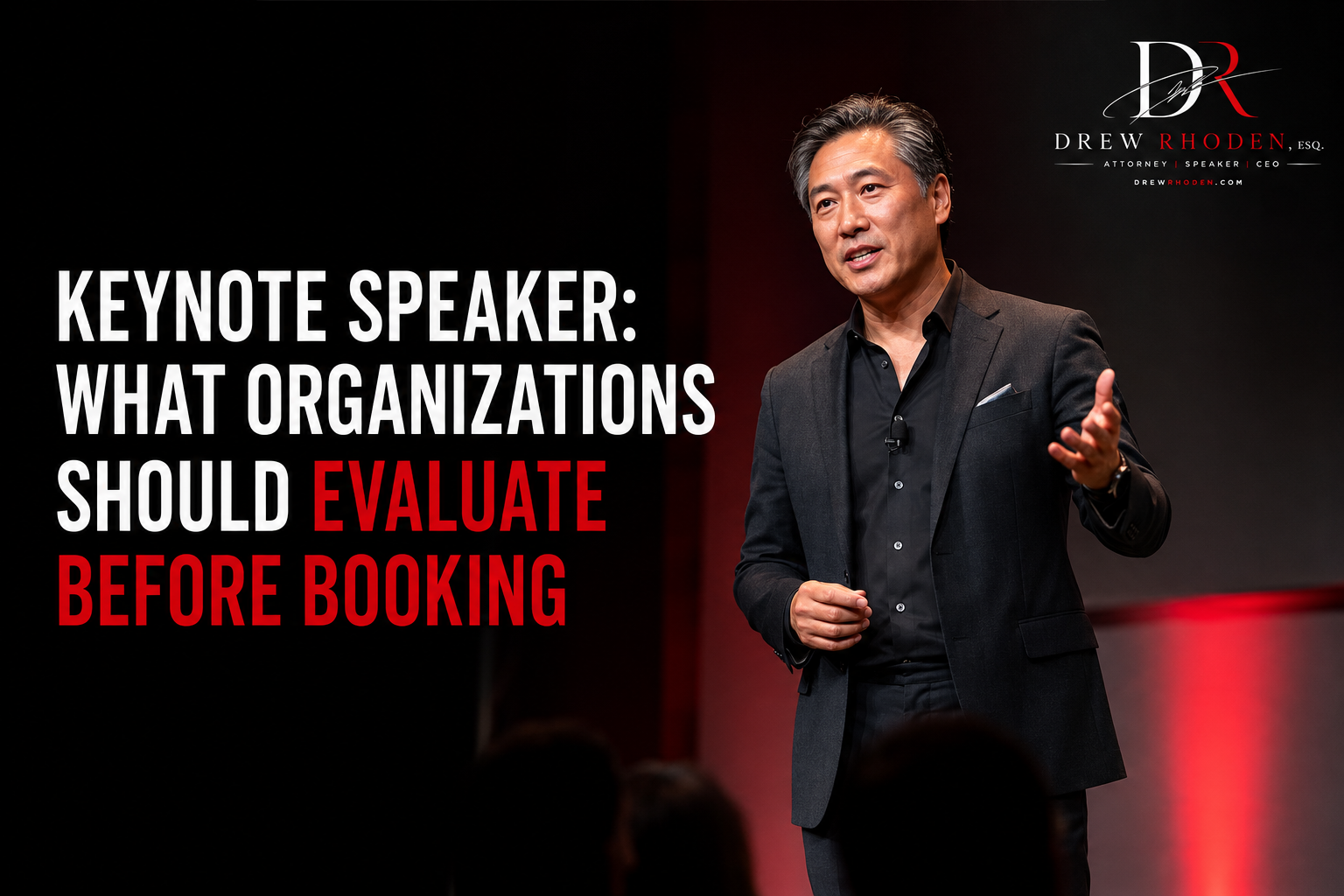





How Leadership and Public Speaking Training Helps Companies Retain and Develop Top Talent
The Growing Challenge of Keeping Top Talent
In today’s competitive business environment, organizations are facing a challenge that goes beyond hiring. Retaining top talent has become just as important as finding it. Many leaders notice that even skilled employees eventually disengage or leave, often not because of salary, but because they feel unheard, undervalued, or uninspired. This is where leadership and public speaking training begins to play a critical role.
A strong speaker within a company can do more than present information—they can inspire action, build trust, and create a deeper sense of connection. When employees see leaders who can speak clearly, lead confidently, and deliver a meaningful message, it changes the entire corporate culture. That influence directly impacts how people feel about their work and their future with the organization.
Why Communication Is the Foundation of Leadership
Leadership is not just about making decisions; it is about communicating those decisions in a way that motivates others. Public speaking is a core skill that separates average leaders from those who truly inspire teams.
The Role of a Leader as a Speaker
Every leader, whether they realize it or not, is a speaker. Whether addressing a room during a meeting, delivering a keynote speech at a conference, or presenting ideas to stakeholders, their ability to speak effectively shapes perception and outcomes. A great speaker can influence how ideas are received and how teams respond.
The Impact on Employee Engagement
When leaders communicate with clarity and confidence, employees feel more connected to the mission of the business. This level of engagement leads to higher performance, better collaboration, and stronger team building. Employees are more likely to stay with organizations where they feel heard and inspired.
The Power of Leadership Keynote Speakers
A leadership keynote speaker brings a unique energy to any corporate event. Unlike routine presentations, a keynote address is designed to inspire, challenge conventional thinking, and provide new perspectives.
What Sets a Great Keynote Speaker Apart
The best keynote speakers understand how to connect with an audience on a deeper level. They use real-world examples, storytelling, and data driven insights to deliver a message that resonates. A great keynote speaker does not just talk—they create an experience.
How Keynotes Influence Company Culture
An opening keynote or closing keynote can set the tone for an entire event. These keynotes influence how attendees think, feel, and act long after the conference ends. When done correctly, they reinforce leadership development and align teams around shared goals.
Developing Leadership Through Public Speaking Training
Public speaking training is not just about standing on a stage. It is about building confidence, improving emotional intelligence, and enhancing decision making skills.
Skills That Transform Leaders
Leadership training combined with public speaking helps individuals:
- Communicate ideas clearly and confidently
- Build trust with their audience
- Handle challenges and objections effectively
- Inspire teams to achieve peak performance
These skills are essential for leaders who want to grow within their organizations.
From Manager to Influential Leader
Many professionals are promoted into leadership roles without formal training in communication. Public speaking training bridges that gap, helping them transition from managers into leaders who can truly inspire others.
The Role of Keynote Speakers in Corporate Events
Corporate events, conferences, and sales meetings often rely on keynote speakers to deliver impactful messages. These speakers bring fresh perspectives and energy that internal teams may not always provide.
Choosing the Right Keynote Speaker
Selecting the right keynote speaker is critical. Event planners and event organizers must consider the speaker’s expertise, speaking style, and ability to connect with the audience. The perfect keynote speaker aligns with the goals of the event and delivers a message that resonates.
What Attendees Expect From a Keynote Speech
Attendees expect more than just information. They want a keynote speech that is engaging, inspiring, and actionable. A great speaker delivers a presentation that leaves a lasting impression.
How Leadership Training Improves Retention
Employees are more likely to stay with organizations that invest in their growth. Leadership development programs that include public speaking training show employees that the company is committed to their success.
Creating Opportunities for Growth
When employees are given the chance to develop their skills, they feel valued. This sense of recognition and support encourages them to stay and grow within the organization.
Building a Strong Corporate Culture
A culture that prioritizes leadership and communication fosters collaboration and innovation. Employees feel more connected to the organization and its mission.
The Connection Between Public Speaking and Business Success
Public speaking is not just a soft skill—it is a business advantage. Leaders who can effectively present ideas, pitch strategies, and engage audiences drive better outcomes.
Driving Sales and Performance
A strong speaker can influence sales, improve performance, and create opportunities for growth. Whether speaking at a sales meeting or delivering a keynote address, communication plays a key role in success.
Inspiring Teams to Achieve More
Inspirational speakers and motivational speakers bring energy and enthusiasm that can transform teams. Their ability to inspire creates momentum that drives results.
Event Planning and Speaker Selection
Event planning involves more than logistics. It requires careful consideration of the speakers who will shape the experience.
Factors to Consider
- Speaker’s track record and expertise
- Relevance to the audience and industry
- Ability to engage and inspire
- Alignment with event goals
These factors help ensure a successful event.
Managing Speaker Logistics
Speaker logistics, including scheduling, technology requirements, and speaking fee considerations, are essential for a smooth experience. Working with a speaker's bureau can simplify this process.
The Value of Thought Leaders and Industry Experts
Thought leaders and industry experts bring credibility and insight to events. Their knowledge and experience provide valuable perspectives for attendees.
Learning From the Best
Hearing from the best speakers in the world can be a transformative experience. These individuals often share lessons learned from overcoming adversity and achieving success.
Expanding Perspectives
Exposure to new ideas and strategies helps attendees think differently and approach challenges with fresh solutions.
How Andrew Rhoden Inspires Leadership and Growth
Andrew Rhoden stands out as a leadership keynote speaker who brings a unique blend of expertise and inspiration. As a legal luminary and bestselling author, his ability to engage audiences sets him apart.
A Speaker Who Connects With Audiences
Andrew Rhoden’s keynote speeches combine real-world experience with forward-thinking strategies. His presentations are designed to inspire action and create lasting impact.
Experience Across Industries
From corporate leadership events to academic conferences, Andrew Rhoden has worked with organizations across the world. His recognition, including connections to prestigious institutions like the national women's hall, reflects his influence and credibility.
The Lasting Impact of a Powerful Keynote
A powerful keynote speech does more than fill time on a schedule. It creates a sense of purpose and direction that attendees carry with them.
Inspiring Action Beyond the Event
The best keynote speakers inspire attendees to take action. Whether it is improving leadership skills or embracing new strategies, the impact extends far beyond the event.
Building Momentum for Change
A well-delivered keynote can spark momentum that drives organizational change. It encourages leaders and teams to move forward with confidence.

Take the Next Step Toward Stronger Leadership
Investing in leadership and public speaking training is one of the most effective ways to retain and develop top talent. It equips leaders with the skills they need to inspire, engage, and lead with confidence.
At Masterly Consulting Group, we understand the importance of strong leadership in today’s business world. We work with organizations to provide impactful keynote speaking services and leadership development programs.
From an Invited Talk to Lasting Impact: Workshops, Research, and Real-World Growth
An invited talk can often be the moment that shifts how an audience sees leadership, communication, and their role within an organization. When combined with experienced workshop facilitators, these sessions go beyond inspiration and move into practical development that people can apply in both their professional and personal life. Drawing on research and insights often highlighted by respected sources such as the New York Times, these presentations help build awareness around the skills leaders need today. Attendees who attend these sessions gain more than just information—they gain perspective, confidence, and tools that can influence how they lead, communicate, and grow moving forward.
Connect With a Leadership Keynote Speaker Who Delivers Results
If you are planning your next event and want to create a meaningful impact, now is the time to act. Join the journey with Andrew Rhoden, a celebrated keynote speaker and legal expert known for his ability to inspire audiences and drive results.
Andrew Rhoden is the right keynote speaker for corporate leadership events, business development seminars, and professional conferences. His ability to deliver engaging keynote speeches ensures that your audience leaves motivated and ready to take action.
Contact us at (888) 209-4055 to book a free consultation. Let us help you create an unforgettable event that inspires leadership, strengthens teams, and drives success.
Disclaimer:This article is for informational purposes only and does not constitute professional advice. Results may vary depending on the organization and its goals.
share this
Related Articles
Related Articles