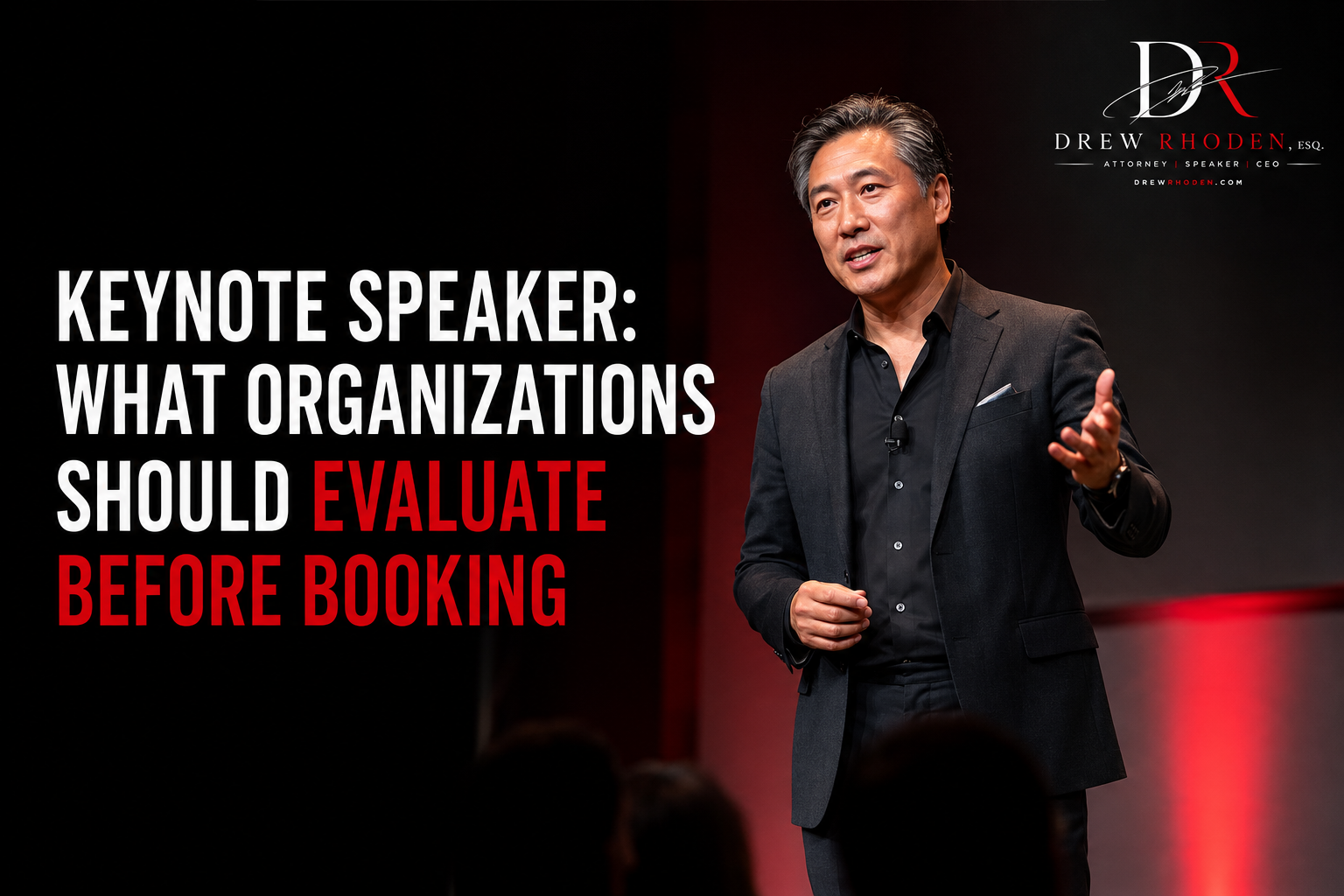





How Leadership and Public Speaking Training Eliminates Miscommunication and Improves Team Productivity
In today’s fast-paced workplace, teams don’t just need strong leaders—they need leaders who can speak, connect, persuade, and communicate with clarity and confidence. As organizations grow, miscommunication becomes one of the biggest threats to productivity, performance, and collaboration. That’s where leadership and public speaking training becomes essential. When leaders learn to communicate effectively, teams gain direction, employees feel supported, and organizations make faster, better decisions.
This article will help you understand how improving communication skills directly improves productivity, enhances collaboration, and reduces costly mistakes. It’s worth reading because businesses that invest in leadership communication experience stronger morale, smoother project management, and a culture built on trust. If your organization is feeling the pressure of unclear messages, team conflict, or low employee engagement, this is the moment to take action.
How Does Leadership Training Help Leaders Speak with Confidence?
Leadership training helps individuals speak with purpose by teaching them structure, clarity, and delivery. When leaders develop the ability to communicate effectively, they reduce confusion and inspire team members to take aligned action. Confident communication creates trust and clarity in high-pressure environments.
Leaders learn how to craft messages that resonate with their teams and motivate action. This includes learning to speak with impact, maintain executive presence, and show authority without creating fear. Strong communication becomes a foundation for all leadership decisions.
Confidence grows through practice, guided instruction, and personalized feedback—something most leaders rarely receive without formal leadership communication training.
What Public Speaking Skills Do Modern Executives Need?
Modern executives need public speaking skills that help them lead change, address challenges, and communicate expectations clearly. They must be able to present ideas persuasively, speak with confidence, and ensure every team member understands the message.
Executives also need the ability to adapt their communication depending on stakeholders. Speaking to senior leadership requires a different approach than speaking to frontline employees. Developing a range of skills ensures messages reach the right people with maximum impact.
A strong executive understands how to use tone, body language, and storytelling to create meaningful conversations that move the organization forward.
How Can Leadership Training Strengthen Executive Communication?
Leadership training strengthens executive communication by teaching leaders how to craft messages, simplify complexity, and express themselves with clarity. Leaders develop communication strategies that reduce confusion and help teams stay aligned with organizational goals.
Training also helps executives handle difficult conversations, deliver constructive feedback, and facilitate productive discussions. These communication skills reduce misunderstandings and improve teamwork.
Executive training programs prepare leaders to communicate effectively not just during presentations, but in meetings, one-on-one sessions, and cross-department collaborations.
What Presentation Skills Improve Team Productivity?
Effective presentation skills help leaders present complex information in a way that teams understand. When leaders can deliver presentations with clarity and confidence, employees waste less time interpreting goals and more time executing them.
Presentation skills also help leaders communicate direction during deadlines, changes, and high-impact decisions. Teams that receive clear presentations feel more prepared and engaged.
Mastering presentation skills ensures leaders can influence others, drive momentum, and reduce friction within teams.
Which Leadership and Communication Tools Reduce Miscommunication?
Clear leadership and communication are essential for minimizing errors and confusion. Tools commonly taught in communication training include:
- Message structuring
- Active listening
- Clarifying expectations
- Using storytelling to build emotional intelligence
These tools help leaders craft messages that stick. Leaders learn to communicate effectively so employees always understand direction, responsibilities, and processes.
Leadership and communication tools prevent teams from working in silos and help maintain alignment during fast-paced operations.
How Does Public Speaking Training Equip Leaders for High-Pressure Moments?
High-pressure leadership moments require clear messaging, calm decision-making, and strong communication skills. Public speaking training equips leaders to stay composed and confident during difficult conversations, presentations, and negotiations.
Leaders learn how to control tone, speak with clarity, and handle questions without losing authority. These communication skills help leaders deliver presentations with confidence even in stressful situations.
When leaders can speak effectively under pressure, teams remain calm and trust leadership decisions.
How Can Leaders Tailor Their Communication Style to Different Teams?
Effective communication requires leaders to tailor their approach based on audience needs. A message delivered to executives must be structured differently than one delivered to new employees.
Leadership and public speaking training teaches leaders how to read the audience, adjust tone, and adapt messaging styles. This flexibility helps teams stay aligned and prevents misinterpretation.
Tailored communication improves interpersonal relationships and strengthens team collaboration.
What Role Does Professional Public Speaking Training Play in Business Communication?
Professional public speaking training helps leaders become more persuasive communicators. By learning to speak with clarity and confidence, leaders improve business communication across the entire organization.
Training programs teach actionable techniques that help leaders navigate complex discussions and deliver messages with maximum impact. Sessions also focus on business communication skills that support project management, delegation, and strategic planning.
When leaders strengthen their communication skills, team productivity rises naturally.
How Do Teams Benefit When Leaders Develop Strong Presentation Skills?
Teams benefit when leaders build strong presentation skills because clarity reduces work delays and improves collaboration. With concise presentations, employees know exactly what needs to be done.
Presentation skills also help leaders captivate teams during meetings and inspire action around shared goals. Strong communicators empower employees and increase workplace satisfaction.
As leaders improve communication, teams experience fewer mistakes and stronger alignment.
How Can Training Programs Help Leaders Ask Better Questions?
Great leaders know how to ask powerful questions. Leadership training helps leaders craft questions that gather deeper insights, challenge assumptions, and uncover blind spots.
Learning how to ask better questions enhances meaningful conversations, makes team members feel valued, and improves decision-making. Asking questions is also essential for interpersonal communication.
With this skill, leaders become more thoughtful communicators and more effective problem-solvers.
Does Virtual Training Strengthen Leadership Capabilities?
Virtual training has become a flexible solution for leaders who need to develop communication skills without attending in-person sessions. Virtual learning offers tools, insights, and interactive coaching sessions that build public speaking confidence.
These programs help leaders practice presentation skills, refine their communication style, and improve executive presence through guided exercises. Whether in-person or live online, quality training creates lasting professional growth.
Virtual training ensures leaders can improve quickly regardless of time or location constraints.
How Can Organizations Find the Right Public Speaking Course?
Organizations must find a public speaking course that addresses their specific needs. A strong public speaking course will offer hands-on training, personalized feedback, and communication strategies tailored to different leadership styles.
Look for programs that teach public speaking skills, storytelling, executive communication, and leadership and communication fundamentals. The right course should help leaders speak with impact and influence others.
The best training programs include experiential learning, one-on-one coaching, and techniques that improve communication training long-term.
How Do Coaching Sessions Improve Executive Presence?
Coaching sessions provide personalized feedback and guidance that helps leaders hone their executive presence. During coaching, leaders practice delivering presentations, improving voice control, and structuring content with clarity.
This one-on-one coaching helps leaders develop self-confidence, influence others, and build essential skills that drive team performance. Leaders learn to communicate effectively and respond strategically to key stakeholders.
Developing executive presence helps leaders earn respect and credibility throughout the organization.
How Public Speaking Training Helps Leaders Inspire Action
Leadership and communication training helps leaders inspire action by teaching them how to communicate with purpose. Leaders learn techniques that help them persuade, engage, and influence in meaningful ways.
By mastering storytelling, leaders create messages that connect emotionally with teams. This builds trust and strengthens leadership capabilities.
Clear communication helps leaders deliver presentations that motivate employees and drive momentum within the organization.
What Steps Should Leaders Take to Elevate Their Communication Skills?
Leaders should consistently work to elevate their communication skills by practicing regularly, seeking professional feedback, and continuing education through online courses and live training.
Implementing communication strategies, developing emotional intelligence, and refining presentation skills all help leaders become more effective communicators. Leaders should also commit to leadership communication and content creation that drives clarity and collaboration.
Improving communication skills becomes a long-term investment that strengthens both personal and professional growth.
Important Takeaways
- Strong communication reduces misinterpretation and conflict.
- Leadership and public speaking training strengthens executive presence.
- Teams perform better when leaders deliver clear, structured presentations.
- Training programs help leaders build confidence and speak with authority.
- Virtual training and in-person programs both support long-term growth.
- Leaders who improve communication inspire action and accelerate productivity.

Transformative Leadership and Public Speaking Training
Unlock your potential with our leadership and public speaking training designed to create effective leaders in any environment. This program offers a unique opportunity for participants to develop their communication skills and gain the confidence to lead.
Our immersive training sessions focus on providing guidance and support to help individuals become impactful speakers. Whether you are a seasoned Toastmaster or just beginning your journey, this training will elevate your public speaking prowess.
Participants will learn to harness the power of persuasive communication, enabling them to achieve buy-in from their audience. This skill is crucial for entrepreneurs and high-potential leaders looking to make a significant impact in their organizations.
Join us to enhance your public speaking skills and become a more confident leader. Take advantage of this opportunity to grow and connect with like-minded individuals on the path to effective leadership.
Begin Your Leadership Communication Journey with Andrew Rhoden
If your organization is ready to eliminate miscommunication and boost team productivity, now is the perfect time to invest in leadership and public speaking training. Join the journey with Andrew Rhoden, a celebrated keynote speaker and respected legal professional known for transforming how leaders speak, present, and lead. Andrew’s training blends practical tools with real-world insights, empowering executives and emerging leaders to communicate with clarity, confidence, and impact.
From corporate leadership events to business development seminars and professional conferences, Andrew brings motivational energy and forward-thinking strategies that help leaders influence others and move organizations forward. He has partnered with world-recognized organizations and remains committed to helping teams improve communication, build collaboration, and achieve meaningful results.
If your organization is ready to strengthen communication, elevate leadership capabilities, and unleash the full potential of your team, Andrew Rhoden is prepared to support your goals.
Contact us at (888) 209-4055 to book a free consultation and explore training options tailored to your communication needs.
share this
Related Articles
Related Articles