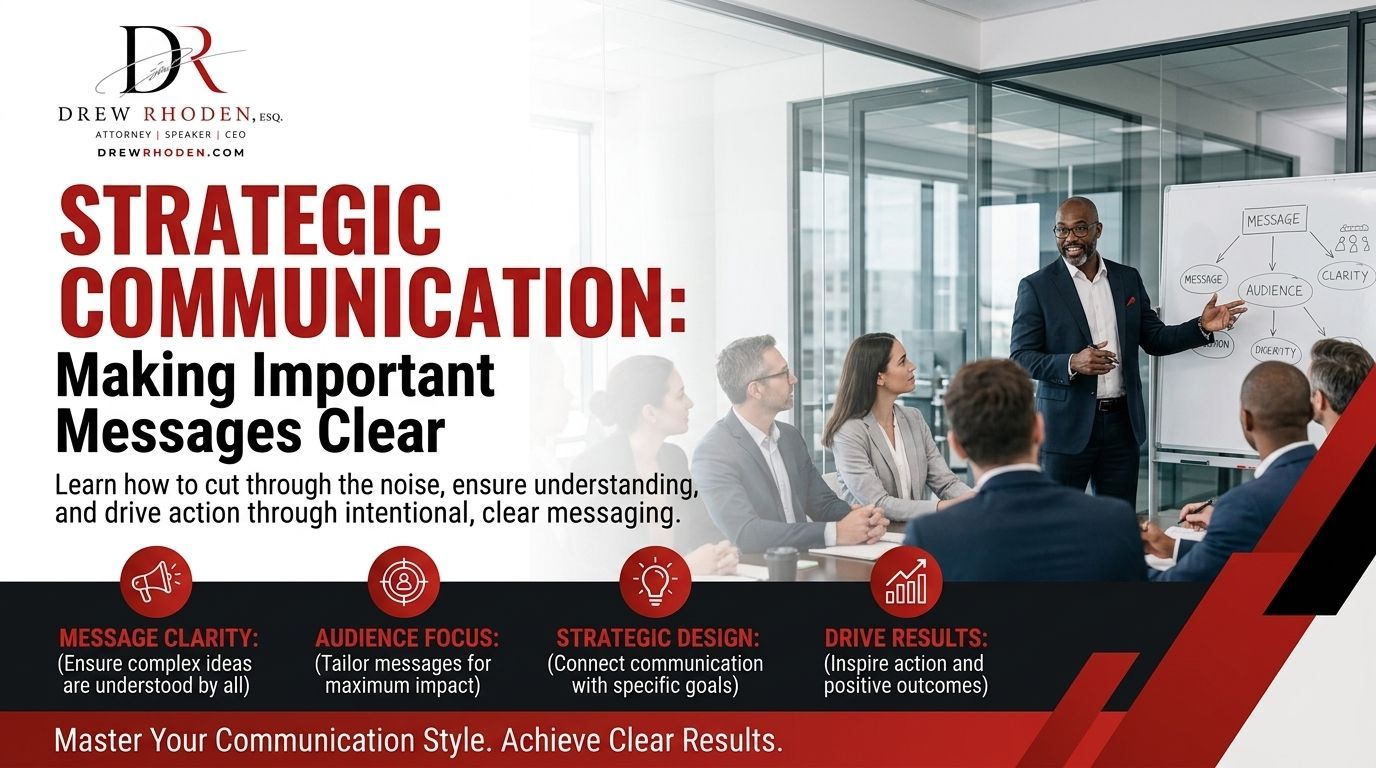





How Business Speaking Skills Can Inspire Transformational Leadership at Conferences
Every conference presents an opportunity to do more than share information. It creates a moment where leaders can influence how people think, communicate, and approach the challenges facing their organizations. While presentations often include valuable data and practical strategies, the speakers who leave the greatest impact are those who connect with people on a deeper level. Their words inspire action long after the event has ended.
Strong leadership begins with effective communication. A leader may have outstanding ideas, but those ideas cannot create change if they are not communicated clearly and confidently. This is why organizations increasingly invest in experienced speakers who understand how to educate, motivate, and engage audiences in meaningful ways.
An experienced business speaker helps attendees see familiar challenges from a new perspective. Instead of simply delivering facts, they create conversations that encourage collaboration, innovation, and personal accountability. The result is an audience that leaves motivated to improve both individual performance and organizational success.
Andrew Rhoden brings together extensive experience in law, leadership, and business strategy with an engaging presentation style that resonates with professionals across industries. His presentations are designed to help organizations strengthen communication, embrace change, and develop leaders who can guide teams through today's rapidly evolving business environment.
Leadership Starts With Meaningful Communication
Leadership is built on trust, and trust grows through consistent communication. Employees want leaders who explain goals clearly, listen actively, and communicate with confidence during both successes and challenges.
When communication improves, organizations often experience stronger collaboration, better decision-making, and increased employee engagement. Effective speakers help leaders recognize that communication is not simply a management skill—it is a leadership responsibility.
Conferences Create Opportunities for Lasting Change
Many organizations view conferences as networking events or educational sessions. While both are valuable, conferences also create opportunities to reshape organizational thinking.
A powerful presentation can inspire teams to adopt new ideas, strengthen workplace relationships, and approach challenges with renewed confidence. The lessons shared during one presentation often influence decision-making long after attendees return to work.
A Business Keynote Speaker Sets the Tone
The opening presentation often shapes the entire conference experience. An experienced business keynote speaker establishes energy, creates focus, and prepares attendees to fully engage throughout the event.
Rather than simply introducing a topic, an effective keynote creates momentum that carries through every breakout session, discussion, and networking opportunity. Organizations benefit when their event begins with a message that inspires both reflection and action.
Public Speaking Drives Organizational Growth
Public speaking influences much more than conference audiences. Strong communication encourages better teamwork, stronger leadership, and healthier workplace relationships.
When leaders communicate effectively, employees understand expectations more clearly, collaborate more confidently, and feel more connected to organizational goals. Communication becomes a competitive advantage rather than simply another workplace skill.
Company Culture Is Built Through Everyday Conversations
Healthy company culture develops one conversation at a time. Every meeting, presentation, and discussion contributes to how employees experience the workplace.
Leaders who communicate with clarity, consistency, and authenticity help create environments where employees feel respected and motivated. Conference presentations reinforce these values while encouraging organizations to strengthen communication across every level of the business.
Business Conversations Influence Leadership
Every important decision begins with a business conversation. Whether leaders are discussing strategic planning, employee development, or organizational change, productive conversations create better outcomes.
Strong speakers help professionals understand how intentional communication encourages collaboration rather than conflict. These conversations often become the foundation for stronger leadership throughout the organization.
Communication Strengthens Collaboration
Organizations achieve more when employees understand one another. Clear communication reduces misunderstandings, improves teamwork, and encourages people to contribute new ideas.
Leaders who communicate effectively create workplaces where collaboration becomes part of daily operations rather than an occasional initiative. Conference presentations often remind organizations that communication directly influences performance.
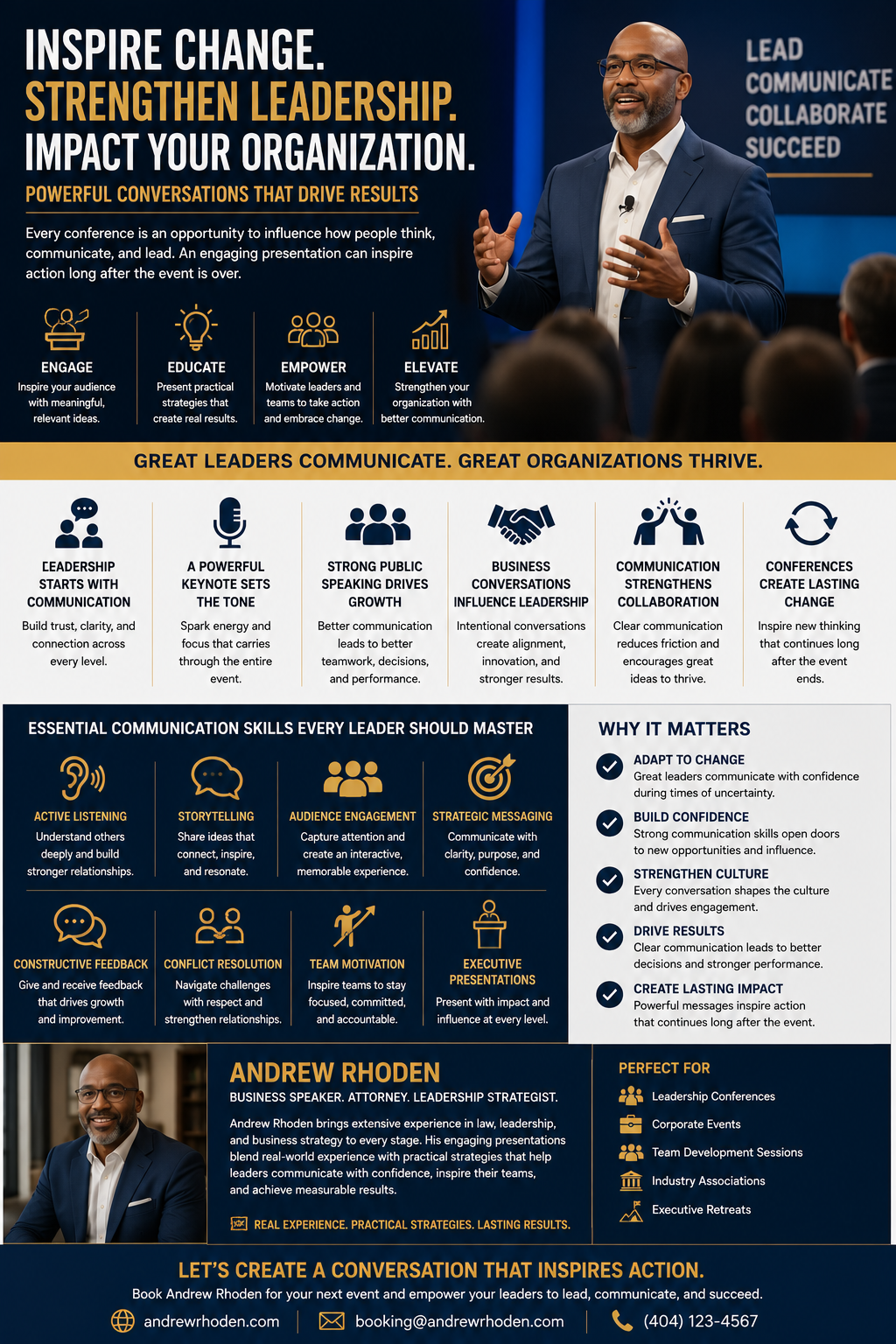
Communication Skills Every Leader Should Strengthen
Successful leaders consistently develop communication skills that improve both personal effectiveness and organizational performance. Important areas include:
- Active listening
- Storytelling
- Audience engagement
- Strategic messaging
- Constructive feedback
- Conflict resolution
- Team motivation
- Executive presentations
Strengthening these skills helps leaders inspire confidence while creating stronger relationships throughout the organization.
Leadership Requires Adaptability
Modern organizations operate in environments that change rapidly. New technology, evolving customer expectations, and shifting economic conditions require leaders who communicate effectively during periods of uncertainty.
Conference presentations help organizations understand how communication supports adaptability. Leaders who explain change with confidence help employees remain engaged instead of resistant.
Business Speaking Builds Confidence
Many professionals possess valuable expertise but hesitate to speak publicly. Developing presentation skills increases confidence while expanding leadership opportunities.
Whether addressing executive teams, employees, clients, or conference audiences, confident speakers communicate ideas more effectively. Improved public speaking often leads to stronger leadership presence across every area of the organization.
Andrew Rhoden Connects Leadership With Practical Business Strategy
Andrew Rhoden's presentations combine leadership principles with practical business insight. Drawing from extensive experience in law, business strategy, and organizational leadership, he helps audiences understand how communication directly influences business performance.
Rather than focusing only on theory, Andrew provides practical strategies leaders can apply immediately within their own organizations. His engaging presentation style encourages participation while helping attendees leave with ideas they can confidently implement.
Strong Communication Helps Organizations Navigate Change
Business environments rarely remain the same for long. New technology, changing customer expectations, economic shifts, and evolving workplace dynamics require leaders who know how to communicate with confidence. Employees are more likely to embrace change when leaders explain the purpose behind new initiatives and provide a clear vision for the future.
Andrew Rhoden helps organizations understand that effective communication reduces uncertainty and encourages collaboration during periods of transition. His presentations focus on practical leadership strategies that help businesses adapt while maintaining employee confidence and engagement.
Public Speaking Encourages Better Team Performance
The way leaders communicate directly influences how teams perform. Employees who clearly understand expectations, organizational goals, and individual responsibilities are better equipped to contribute meaningful results.
Conference presentations that emphasize communication skills help leaders recognize how every conversation affects productivity. Strong communication improves accountability while creating an environment where employees feel comfortable sharing ideas and solving problems together.
Business English Supports Professional Communication
Organizations often include professionals from different backgrounds, industries, and cultures. Developing strong business English communication skills helps employees express ideas more clearly while strengthening workplace collaboration.
Andrew discusses practical communication techniques that improve clarity during presentations, meetings, negotiations, and client interactions. Better communication reduces misunderstandings and creates stronger professional relationships across diverse teams.
Business English Conversation Skills Improve Leadership
Effective leaders know how to adapt their communication style to different audiences. Developing business English conversation skills helps professionals communicate confidently with colleagues, clients, and stakeholders regardless of the setting.
Whether leading executive meetings or presenting at conferences, strong communication allows leaders to explain complex ideas in ways that are easy to understand. These skills strengthen credibility while improving organizational effectiveness.
Practical Conversation Topics Build Confidence
Many professionals hesitate during meetings because they are unsure how to begin meaningful discussions. Learning effective business English conversation topics allows leaders to participate more confidently in workplace discussions.
Conference presentations often include practical examples that help attendees improve everyday communication. These strategies encourage stronger collaboration while making business conversations more productive.
Communication Topics That Strengthen Leadership
Professionals benefit from practicing communication around subjects such as:
- Leadership development
- Organizational change
- Customer relationships
- Employee engagement
- Innovation
- Strategic planning
- Conflict resolution
- Team collaboration
These conversation topics prepare leaders for discussions that influence business success every day.
Strong Communication Supports Company Growth
Growing organizations depend on leaders who can communicate a clear vision. Employees who understand long-term goals are more likely to remain engaged and contribute toward organizational success.
Andrew Rhoden demonstrates how effective presentations help organizations align teams around shared objectives. Clear communication creates consistency while strengthening trust across departments.
Leadership Development Extends Beyond the Stage
Conference presentations should inspire attendees long after the event ends. Lasting leadership development happens when professionals apply new communication techniques within their daily responsibilities.
Andrew encourages leaders to continue practicing effective communication through coaching, mentoring, and regular team discussions. Consistent improvement creates stronger organizations over time.
Business Trips Create Valuable Leadership Opportunities
Every business trip provides opportunities to strengthen professional relationships, exchange ideas, and represent an organization with confidence. Whether attending conferences, meeting clients, or participating in executive events, communication remains one of the most valuable leadership skills professionals can develop.
Andrew shares practical strategies that help leaders communicate effectively in unfamiliar environments while building credibility during every professional interaction.
Learning From Experienced Business Leaders
Many successful organizations continue learning from professionals who have built strong businesses and led teams through significant change. Conference audiences often benefit from hearing real experiences rather than theoretical concepts alone.
Andrew combines practical legal knowledge, business strategy, and leadership experience to deliver presentations that feel both authentic and actionable. His goal is to provide attendees with ideas they can confidently implement after returning to work.
Real Stories Inspire Real Action
People often remember stories long after they forget statistics. Effective speakers use real examples to illustrate leadership principles while making presentations more engaging and relatable.
Andrew incorporates practical business experiences into his presentations, helping audiences understand how communication influences organizational success. These stories encourage attendees to view leadership challenges from new perspectives.
Current Business Trends Demand Better Communication
Organizations that fail to adapt often struggle to remain competitive. Today's leaders must understand emerging technologies, changing workplace expectations, and evolving customer needs while communicating those changes effectively to their teams.
Andrew's presentations explore current business trends and provide practical strategies for responding with confidence. His sessions help organizations remain prepared while developing leaders who communicate with clarity during periods of change.
Leadership Creates a Lasting Organizational Impact
Strong leaders influence far more than quarterly results. Their communication shapes workplace culture, employee engagement, customer relationships, and organizational resilience.
By strengthening public speaking and leadership communication, organizations invest in skills that continue producing value long after the conference ends. Effective communication remains one of the most important tools for sustainable business success.
Business Communication Creates Stronger Workplace Relationships
Successful organizations are built on relationships, and those relationships depend on communication. Employees who feel heard are more likely to contribute ideas, collaborate with colleagues, and remain committed to organizational goals. Leaders who communicate with empathy and clarity create workplaces where trust continues to grow.
Andrew Rhoden teaches professionals that effective communication is not only about delivering presentations. It is about creating meaningful conversations that strengthen teamwork, improve morale, and encourage employees to perform at their highest level.
Inspiring Leaders Create Inspired Teams
Employees naturally look to leadership during periods of growth, uncertainty, and change. When leaders communicate with confidence and authenticity, they create stability that helps teams remain focused on shared objectives.
Conference presentations provide an opportunity to remind organizations that leadership is demonstrated every day through communication, decision-making, and personal example. Strong speaking skills help leaders inspire action instead of simply delivering information.
Every Conference Is an Investment in Future Success
Organizations invest significant time and resources into conferences because they recognize the value of continuous learning. Choosing the right speaker helps maximize that investment by giving attendees practical strategies they can immediately apply within their organizations.
A memorable presentation should do more than entertain an audience. It should provide clear direction, inspire fresh thinking, and encourage lasting professional growth.
Communication Skills Continue Paying Dividends
Unlike technical skills that may become outdated over time, communication remains valuable throughout every stage of a professional career. Leaders who communicate effectively build stronger relationships with employees, clients, business partners, and industry peers.
Improving presentation skills also increases confidence during meetings, negotiations, interviews, and executive discussions. These benefits continue long after a conference has ended.
Leadership Development Requires Ongoing Practice
Transformational leadership is not created during a single presentation. It develops through continuous learning, intentional communication, and consistent practice.
Andrew Rhoden encourages organizations to view leadership development as an ongoing commitment rather than a one-time event. Small improvements made consistently often produce meaningful long-term results across the entire organization.
Business English Topics Strengthen Everyday Communication
Many professionals benefit from expanding their confidence with practical business English topics that appear during meetings, presentations, negotiations, and leadership discussions. Improving communication around these everyday subjects helps employees express ideas more clearly while strengthening collaboration across departments.
Andrew incorporates practical communication strategies that improve workplace conversations without overwhelming participants. His presentations provide professionals with tools they can immediately apply in real business situations.
Andrew Rhoden Delivers Practical Leadership Solutions
Andrew Rhoden stands apart because he combines extensive experience in law, business strategy, and leadership into presentations that are both engaging and immediately useful. Rather than relying on motivational messages alone, he provides practical solutions that organizations can implement after the conference ends.
His dynamic presentation style encourages audience participation while making complex leadership concepts easier to understand. Every session is designed to leave attendees with actionable ideas that strengthen communication, improve collaboration, and support long-term business success.
Organizations Benefit From Andrew Rhoden's Presentations By Learning How To:
- Improve leadership communication across departments.
- Build stronger workplace collaboration.
- Address current business trends with confidence.
- Develop more effective presentation skills.
- Strengthen employee engagement and morale.
- Foster healthier business conversations.
- Adapt to organizational change.
- Inspire lasting leadership growth.
These practical lessons continue creating value long after the event has concluded.
Partner With Andrew Rhoden to Inspire Transformational Leadership
The most successful conferences leave attendees with more than notes and presentation slides—they leave them with new perspectives and practical strategies they can immediately apply. Andrew Rhoden helps organizations achieve exactly that by combining deep expertise in law, business strategy, leadership, and communication into presentations that educate, motivate, and inspire.
Whether your organization wants to strengthen leadership, improve communication, build a healthier company culture, or better prepare teams for today's rapidly changing business environment, Andrew delivers presentations that create meaningful and lasting impact. As a trusted business speaker and accomplished business keynote speaker, he equips audiences with practical tools that improve collaboration, decision-making, and organizational performance.
Andrew also helps professionals enhance business English conversation skills, develop stronger business English communication, confidently discuss essential business English conversation topics, and navigate important conversation topics that arise during meetings, conferences, and every business trip. His practical approach makes communication more approachable while helping leaders become more effective in every professional setting.
Inspired by the practical mindset often associated with a co founder building a successful organization and the engaging storytelling style of a bestselling author, Andrew's presentations blend strategic insight with real-world experience. Every keynote is designed to help organizations address current business trends, improve communication across teams, and inspire transformational leadership that continues long after the conference ends.
Leadership Presentations That Prepare Organizations for the Future
Success in today's business world depends on leaders who communicate with confidence, adapt to change, and inspire people to perform at their best. Andrew Rhoden is an experienced leadership speaker who helps organizations explore practical business discussion topics that address current events, artificial intelligence, digital transformation, remote work, risk management, corporate culture, work life balance, and other various topics affecting modern organizations. His presentations are equally valuable for executive teams, small businesses, universities, and business English students participating in a business English class or learning business English, because they encourage participants to discuss real-world discussion topics in different contexts, improve communication, and build rapport through meaningful small talk and collaborative exercises.
Andrew's engaging approach helps students feel more confident speaking in professional settings while giving every person practical skills that support career advancement, stronger leadership, and personal growth. Whether presenting in person or at an international conference, Andrew serves as the ideal keynote speaker for organizations seeking more than traditional motivational speakers or celebrity speakers. His background as a legal and business strategist, combined with experience comparable to that of a trusted managing partner, allows him to explain complex ideas in ways that truly matter to today's workforce.
He also addresses cultural differences, communication in global finance, and the key features of effective leadership, ensuring every presentation delivers lasting value regardless of the audience or job role. If you are planning your next event, securing the right speaker early is an excellent way to maximize attendance and engagement, so be sure to reserve your preferred event date well in advance. Andrew's experience as a presidential ambassador further reinforces his ability to connect with diverse audiences while inspiring transformational leadership across organizations of every size.
Schedule Your Free Consultation
If you're planning a conference, leadership retreat, executive meeting, or corporate event, now is the perfect time to bring in a speaker who can inspire meaningful change. Contact Andrew Rhoden today at (888) 209-4055 to schedule a free consultation. We'll discuss your organization's goals, answer your questions, and recommend a presentation tailored to your audience. Whether your event is local or national, Andrew Rhoden is ready to help your leaders communicate with greater confidence, inspire stronger teams, and drive lasting business success.
share this
Related Articles
Related Articles