



How a School Speaker Helps Schools Improve Attendance, Morale, and Student Focus
When Schools Need More Than Just Another Assembly
Every school reaches a point where something feels off. Attendance drops, students lose focus in the classroom, and teachers begin to notice a shift in energy. Even the best educators and administrators can feel the weight of these challenges, especially during a long school year or right after winter break when motivation is harder to rebuild.
This is where the right speaker can make a meaningful difference. A powerful school speaker does more than give a talk—they create moments that reconnect students, inspire teachers, and bring schools back to a place of purpose. At the center of that transformation is someone who understands both the human experience and the evolving landscape of education.
The Real Impact of Education Keynote Speakers in Schools
Beyond Entertainment and Into Transformation
Many schools have hosted guest speakers before, but not every experience leads to real change. The difference lies in the ability of the speaker to connect with the audience and deliver actionable strategies that go beyond surface-level motivation.
Education keynote speakers who understand student engagement and learning environments can influence how students think, behave, and interact. When done correctly, a single event can spark a shift that carries throughout the entire school year.
Addressing Pressing Challenges in Today’s Education System
Schools today face pressing challenges that go beyond academics. Issues like student mental health, lack of focus, and low morale are affecting students across the country.
A skilled education speaker addresses these concerns directly, offering insight and support that resonates with both students and educators. This level of understanding is what makes a keynote speaker a valuable addition to any school environment.
How a School Speaker Improves Attendance
Creating Excitement Around Learning
Attendance often reflects how students feel about being in school. When students are inspired and feel connected, they are more likely to show up consistently.
Youth motivational speakers bring energy and excitement that can shift the overall atmosphere. By helping students see value in their education and future, they begin to approach school with a renewed sense of purpose.
Building a Culture Students Want to Be Part Of
A strong school culture encourages students to participate and stay engaged. When a guest speaker creates a memorable experience, it becomes something students talk about with friends, parents, and peers.
This sense of belonging plays a key role in improving attendance and overall engagement.
Strengthening Student Focus in the Classroom
Helping Students Reconnect With Their Goals
Many students struggle with focus because they lack direction. A motivational speaker helps students reconnect with their goals and understand how their actions today shape their future.
Through goal setting and relatable examples, students begin to see the importance of staying focused in the classroom.
Turning Distraction Into Purpose
Distractions are everywhere, especially in a world driven by technology. An education speaker who understands these challenges can guide students toward better habits and stronger focus.
This shift not only improves academic performance but also supports long-term student success.
Boosting Morale Across the Entire School Community
Supporting Teachers and Educators
Teachers play a critical role in shaping student lives, but they also face daily challenges. A powerful keynote speaker can provide inspiration and support that helps educators feel valued and re-energized.
When teachers feel motivated, it positively impacts the entire classroom environment.
Reconnecting Administrators and Leaders With Their Mission
School leaders often carry the responsibility of guiding their communities through difficult situations. A strong presentation can help administrators reconnect with their purpose and leadership goals.
This renewed focus can lead to better decision-making and stronger school-wide outcomes.
The Role of Youth Motivational Speakers in Student Development
Encouraging Self Esteem and Self Belief
Youth motivational speakers are uniquely positioned to influence how students see themselves. By addressing topics like self esteem and self belief, they help students build confidence and resilience.
These qualities are essential for navigating both school and life challenges.
Promoting Positive Change and Leadership
Leadership starts with small decisions. A motivational speaker can show students how their actions impact their lives and the lives of others.
This message encourages positive change and helps students develop leadership skills that extend beyond the classroom.
Why Student Mental Health Must Be Part of the Conversation
Creating Safe Spaces for Open Dialogue
Mental health is a critical topic in today’s schools. Students need to feel safe discussing their experiences and challenges.
An experienced education keynote speaker can introduce these conversations in a way that feels approachable and meaningful.
Supporting Well Being and Long-Term Growth
Focusing on well being helps students develop healthy habits and coping strategies. This support is essential for both academic success and personal growth.
When schools prioritize mental health, they create an environment where students can thrive.
The Power of Storytelling in Education Speaking
Making Messages Relatable and Memorable
Storytelling is one of the most effective ways to connect with an audience. When a speaker shares real-life experiences, it creates a sense of human connection that resonates deeply.
This approach helps students remember the message long after the event is over.
Creating Lasting Impact Through Authenticity
Authenticity is what separates a good speaker from the best speaker. When students feel that a speaker is genuine, they are more likely to listen and engage.
This authenticity leads to a lasting impact that extends beyond a single presentation.
Andrew Rhoden as Your School Speaker
A Speaker Who Connects With Students and Educators
Andrew Rhoden is an experienced and passionate school speaker who understands the needs of today’s schools. As a bestselling author and education speaker, he brings a unique perspective that resonates with diverse audiences.
His ability to connect with students, teachers, and administrators makes him a strong fit for any school event.
Engaging, Relatable, and Impactful Presentations
Andrew’s presentations are designed to be engaging and inspiring. He uses relatable storytelling and interactive elements to keep students involved from start to finish.
His approach ensures that every moment of the presentation delivers value and inspiration.
What Makes Andrew Rhoden Stand Out
Authenticity That Builds Trust
Andrew’s authentic storytelling creates a connection that feels real. Students and educators respond to his honesty and willingness to share meaningful experiences.
This authenticity is key to creating lasting change.
Engagement That Keeps the Audience Involved
Interactive activities and discussions ensure that students and teachers are not just listening—they are participating. This level of engagement keeps the audience focused and invested.
Flexibility for Every School Environment
Each school has unique goals and challenges. Andrew tailors his presentations to align with those needs, ensuring maximum impact for every event.
Accessibility for Schools Everywhere
With options for virtual presentations, schools across the country can benefit from Andrew’s expertise. This flexibility makes it easier for organizations to bring high-quality speaking experiences to their communities.
Creating a School-Wide Transformation
Bringing Students, Teachers, and Parents Together
A powerful school speaker creates a shared experience that connects students, teachers, and parents. This sense of unity strengthens the entire school community.
When everyone is aligned, positive outcomes become more achievable.
Turning Inspiration Into Action
Inspiration is only valuable if it leads to action. A strong keynote speaker provides actionable strategies that students and educators can apply immediately.
This practical approach ensures that the impact of the event continues long after it ends.
Planning a Successful School Event
Aligning Goals With Your Speaker
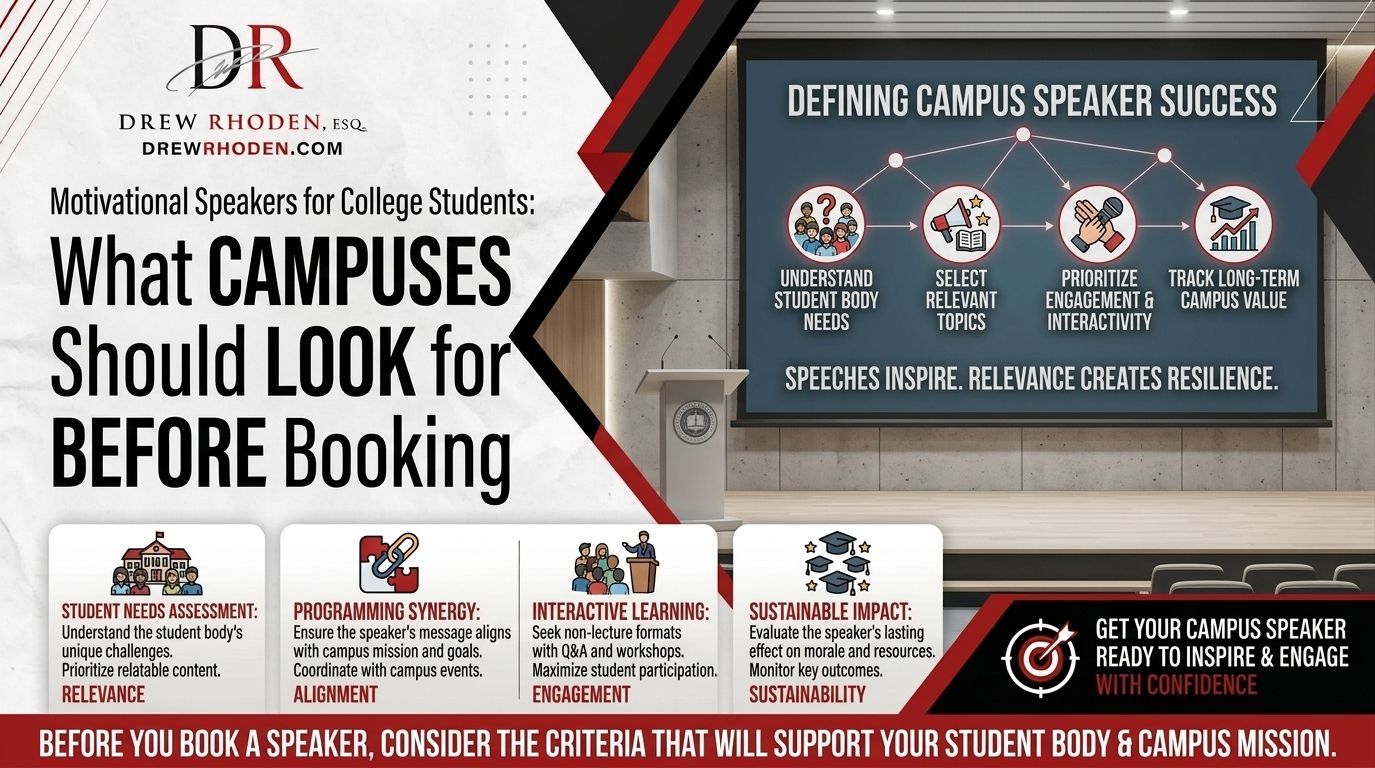
When planning an event, it is important to choose a speaker who aligns with your school’s goals. Whether the focus is on leadership, student engagement, or mental health, the right speaker can make all the difference.
Maximizing the Impact of Your Investment
Schools often work within a budget, so it is important to ensure that every event delivers value. Choosing an experienced speaker with proven expertise helps maximize the impact of your investment.

Expanding Impact Through Guest Speakers and Innovative School Programming
Bringing in guest speakers for schools is more than just planning an event—it is an opportunity to introduce education innovation that can reshape how students think, learn, and engage. Today’s education innovators understand that strong student outcomes come from a combination of character education, social emotional learning, and meaningful connection. When schools incorporate these elements into a district wide event, they create space for real growth that goes beyond the classroom. An award winning speaker can help bridge the gap between traditional education policy and the evolving needs of students, especially as technology integration becomes more important across both K-12 and higher education environments.
These experiences are not limited to a single moment. In one second, a message can shift a student’s perspective, spark hope, and influence how they approach their future. Through panel discussions, interactive sessions, and focused conversations, schools can address critical topics like suicide prevention while still encouraging innovation and leadership. A powerful speaker does not just deliver a message—they serve as a catalyst for change, reaching each person in the audience with purpose and clarity. When done right, these events become a foundation for long-term improvement, helping schools build stronger communities and support every student’s journey.
Bringing Inspiration Back Into Your School
When students feel disconnected, when teachers feel overwhelmed, and when leaders are searching for solutions, the right voice can change everything. A powerful education speaker does more than speak—they create a shift in mindset, energy, and direction.
Andrew Rhoden brings that shift. Through engaging storytelling, actionable strategies, and a deep understanding of today’s education challenges, he helps schools move forward with clarity and purpose. From middle school environments to college settings, his message reaches students at every stage of their journey.
If your school is ready to improve attendance, boost morale, and strengthen student focus, now is the time to take action. Contact us at (888) 209-4055 to book a free consultation and learn how Andrew Rhoden can bring meaningful impact to your next event. We work with schools and organizations nationwide, delivering experiences that inspire students, support educators, and create lasting change.
share this
Related Articles
Related Articles