





Education Speakers That Empower Schools to Achieve Greater Impact
The Expanding Role of Education Speakers in Today’s Schools
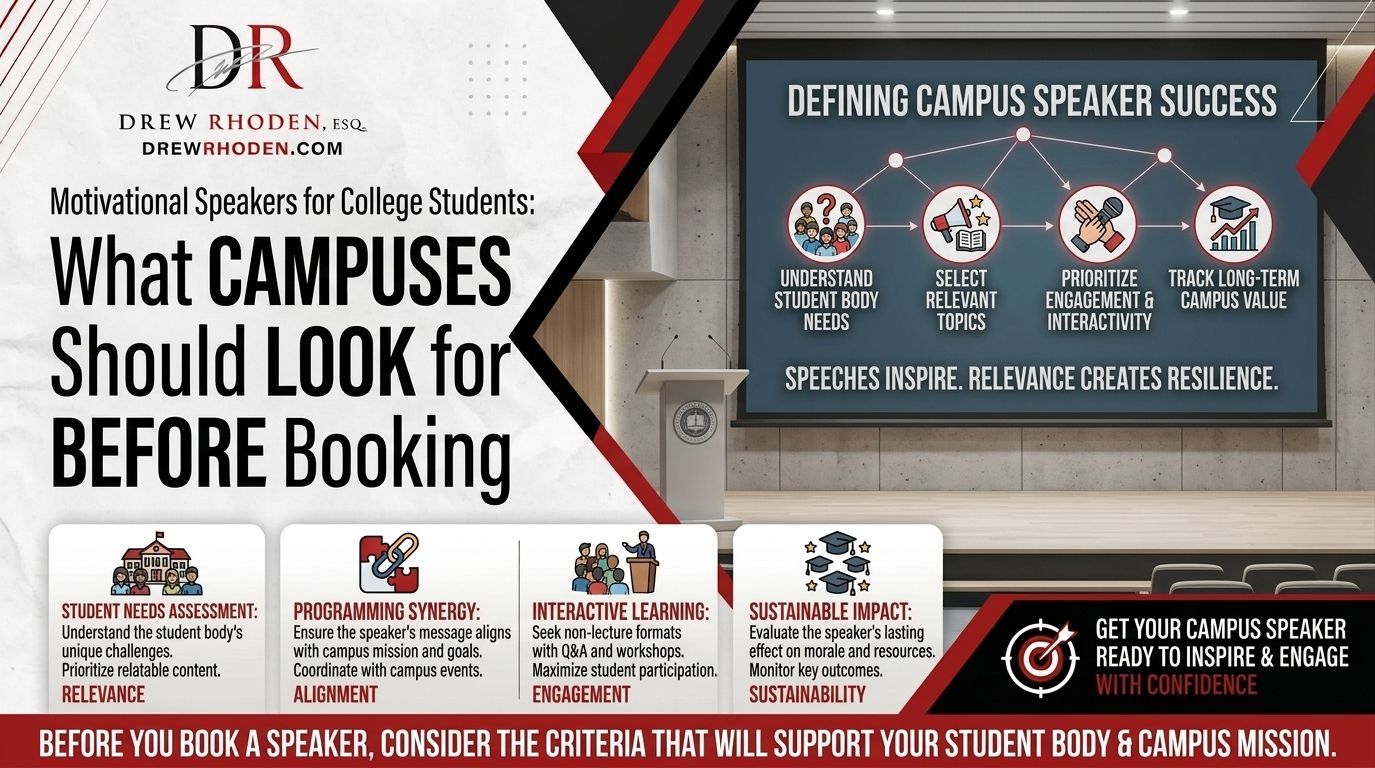
Across the world, schools are turning to powerful education speakers who understand how to motivate educators, inspire students, and strengthen the systems that shape learning. As demands on teachers and administrators grow, many schools recognize the need for voices that bring clarity, encouragement, and vision. Education keynote speaker professionals help schools reconnect with purpose and spark meaningful change. Their work blends storytelling, research, and real-world strategies to support educators in every stage of their journey. When delivered with authenticity, these messages create a lasting impact that resonates far beyond a single session.
How Education Keynote Speakers Strengthen School Culture
A keynote speaker delivers more than a speech—they offer a foundation for stronger connections between students, educators, and school leaders. Through engaging stories and actionable strategies, education speakers help schools improve student engagement and reinforce positive behaviors. Their insights guide institutions toward community connection and emotional wellness. As schools face new challenges in mental health, safety, and academic pressure, speakers provide clarity and direction. Their messages encourage a supportive environment where students feel seen and educators feel valued.
The Unique Power of Motivational Speakers in Education
Motivational speakers play an essential role in energizing school communities. They use their personal journey and life story to show others what is possible. Their stories of overcoming obstacles provide hope to students and educators facing their own challenges. Many speakers have experienced childhood trauma or adversity and use that experience to inspire positive change. When students learn strategies for resilience and well being, they gain confidence to transform lives—including their own.
Building Student Success Through Purposeful Messaging
Education speakers help strengthen student success by teaching essential skills like critical thinking, goal setting, and emotional intelligence. These lessons go far beyond the classroom. Students learn to connect their own life to their goals, dreams, and the world around them. Speakers help young people explore personal growth with authenticity, giving them tools to navigate difficult moments. This deeper understanding helps create safe spaces where students can thrive academically and emotionally.
Supporting Educators With Professional Development Experiences
Professional development is at its best when delivered by education keynote speaker experts who understand the realities of today’s classrooms. These sessions equip educators with practical strategies that enhance learning and strengthen their instructional approach. Teachers gain insights into trauma informed care, mental wellness, and student outcomes through relevant examples. With extensive experience in the education sector, speakers help educators transform their professional practice with confidence. Their guidance empowers teachers to motivate educators around them as well.
Addressing Mental Health and Trauma in School Communities
Schools are increasingly focused on mental health awareness, especially those serving high school students or early childhood learners. Education speakers trained in trauma informed care help educators recognize adverse childhood experiences and create safe spaces for students. These conversations foster a supportive environment that nurtures student engagement and well being. When schools prioritize emotional safety, student outcomes improve significantly. Speakers help educators build stronger connections and implement meaningful change across campuses.
How Education Speakers Influence Educational Leadership
Educational leaders face enormous pressure to meet academic benchmarks while fostering a supportive climate. Education speakers offer guidance rooted in educational leadership and education policy, helping leaders navigate complex decisions. Their insights support strategies that strengthen schools, support teachers, and move institutions toward greater impact. Leaders walk away with actionable strategies they can implement immediately. Strong leadership development fuels long-lasting organizational success.
Helping Students Build Confidence Through Inspiring Messages
Inspiring students requires more than motivational words—it requires intention, empathy, and real-life connection. Education speakers share a powerful story that validates student experiences and encourages resilience. They speak directly to students’ lives, acknowledging their struggles while highlighting their unique gifts. These moments of connection encourage students to embrace their potential. Schools benefit when students feel empowered to pursue their dreams and transform lives.
Why School Leaders Trust Education Speakers
School leaders rely on motivational speakers and education keynote speakers because they bring clarity during times of change. These professionals help school leaders see opportunities within challenges and equip educators with the strategies needed to improve student outcomes. Many speakers ground their work in cutting edge research and professional experience, making their insights both relevant and credible. Their ability to create meaningful change strengthens school culture at every level. Leaders value speakers who understand the world of education and its shifting demands.
The Transformative Power of Real Stories
Speakers like Andrew Rhoden demonstrate the transformative power of storytelling in education. His remarkable journey and personal experiences allow him to connect deeply with audiences. He speaks from his own life, sharing lessons that resonate with educators and students alike. Through authenticity and human connection, Andrew helps listeners embrace their purpose. His inspiring message not only uplifts but challenges audiences to take bold steps toward success.
Learning From Thought Leaders Across the Education Landscape
Thought leaders in education bring diverse perspectives that enrich conversations about learning, policy, and student development. Schools invite these leaders because they provide insight into how global trends shape the future of education. These experts help educators learn strategies that support students academically and emotionally. Thought leaders play a crucial role in helping schools understand multiple perspectives. Their work creates momentum for lasting improvement.
Why Many Speakers Draw From Life Experiences
Many speakers—including well-known figures like Doc Brown and Adolph Brown—use their life story to show the transformative power of perseverance. Their backgrounds help audiences see the humanity behind leadership and learning. They address topics like childhood trauma, mental wellness, and resilience with honesty and compassion. Their personal journey helps educators and students appreciate the importance of well being and personal growth. Through this vulnerability, speakers motivate audiences to embrace change.
Improving Student Engagement Through Relevant Content
Student engagement increases when speakers address themes that students can relate to. Topics such as overcoming obstacles, building emotional intelligence, and navigating the world equip students with practical life skills. These topics also support student outcomes by reinforcing the importance of hard work and determination. Speakers help students apply what they learn inside and outside of school. The result is a more motivated and confident student body.
How Education Keynote Speakers Support Higher Education
Higher education institutions also benefit from the expertise of education speakers. College students face intense pressures related to academics, mental health, and career planning. Speakers help them feel grounded by offering perspective and strategies for balance. Their messages bridge the gap between personal development and academic success. Higher ed environments thrive when students feel understood and supported. These experiences prepare them for life beyond graduation.
Using Actionable Strategies to Empower School Communities
Successful speakers do more than inspire—they deliver actionable strategies that schools can implement right away. This includes:
- Building safe spaces for vulnerable students
- Strengthening communication among educators
- Supporting positive behavior and mental health
These strategies help schools create systems that support better outcomes for all students. Actionable insights turn motivation into measurable improvement.
Promoting Mental Health Awareness in Education
Mental health remains one of the most urgent topics facing today’s schools. Education speakers help educators develop a deeper understanding of mental wellness and its impact on student performance. By focusing on well being from early childhood through high school, speakers encourage a more compassionate approach to teaching. Schools that prioritize mental health create environments where students feel safe and valued. This commitment improves academic and emotional outcomes.
Helping Schools Transform Through Professional Development
Professional development sessions led by skilled education speakers elevate the capacity of educators across all grade levels. These training experiences equip educators with strategies for supporting student success and navigating complex educational challenges. Educators rely on speakers for insights that improve communication, classroom management, and student outcomes. When schools invest in these sessions, they begin to see meaningful change across the organization. This investment strengthens both educators and students.
The Growing Need for Inspirational Voices in Public Education
Public education is at a crossroads, facing new expectations while balancing long-standing challenges. Schools need motivational speakers capable of energizing staff and reaffirming their purpose. These speakers remind educators why their work matters and how their influence shapes students lives. As the world continues to evolve, schools seek voices that promote resilience, innovation, and positive change. Inspirational speakers help institutions regain momentum.
How Education Speakers Empower Young People
Speakers who address young people directly have a unique ability to transform their outlook on life. They help students see themselves as capable, valued, and filled with potential. When students hear stories of perseverance and success, they feel motivated to create their own path. Speakers inspire students to strengthen their future through confidence and determination. These messages are essential for shaping well rounded students.
Why Schools Choose Speakers With Extensive Experience
Schools look for speakers who have extensive experience within education, leadership, or personal development. These speakers bring a blend of classroom insight, professional experience, and human connection. Their messages speak to many speakers’ shared challenges in education. Because of their background, they can motivate educators in ways that feel genuine and practical. Schools trust speakers who understand their struggles and provide realistic solutions.
The Lasting Impact of Strong Educational Messages
When delivered with sincerity, educational messages echo long after the event ends. Speakers encourage schools to create meaningful change by inspiring hope, compassion, and determination. Their words promote positive impact across classrooms, hallways, and entire districts. This lasting impact helps shape the future of education. Schools that prioritize these experiences see measurable benefits in engagement and morale.
Andrew Rhoden: A Voice of Empowerment and Transformation
Andrew Rhoden embodies the qualities of the most impactful education speakers today. His professional development experiences and motivational keynotes reflect deep empathy, real-world understanding, and a commitment to student success. Andrew’s remarkable journey and powerful story inspire educators and students to push beyond their limits. He blends emotional intelligence, lived experiences, and practical strategies to help audiences grow. His work continues to transform lives across the education landscape.
How Andrew Rhoden Uses His Life Story to Teach and Inspire
Andrew’s life story is a testament to resilience, determination, and purpose. He openly shares his personal life challenges and the growth that shaped him into one of the top motivational speakers in the country. His ability to connect with young people, educators, and educational institutions is unmatched. Through authenticity and passion, he helps audiences gain insights that uplift their spirits and strengthen their resolve. Andrew’s messages motivate others to transform lives—including their own.
Creating Safe Spaces and Building Human Connection
A core part of Andrew’s approach is creating safe spaces for honest dialogue. He believes human connection is essential for learning and well being. By encouraging vulnerability and authenticity, he empowers students and educators to engage deeply with the material. His sessions help schools prioritize emotional wellness and the supportive environment students need. Through connection, Andrew fosters a culture where meaningful change becomes possible.
Helping Schools Strengthen Educational Leadership
Educational leaders benefit from Andrew’s perspective on leadership, communication, and personal growth. His sessions emphasize the importance of empathy, clarity, and community engagement. These qualities help leaders confidently guide their schools toward higher impact. When leadership teams feel inspired and supported, they perform at their best. Andrew’s message reinforces the vision needed to build strong, resilient school systems.

Encouraging Students to Embrace Their Unique Gifts
Andrew reminds students that their unique gifts are powerful tools for shaping their future. His encouraging words help students build confidence and embrace their potential. He teaches them to face adversity with courage and optimism. Students walk away understanding they are capable of extraordinary achievement. This belief strengthens both academic performance and personal growth.
Helping Educators Navigate the Changing World of Education
Educators today face rapid changes in education policy, technology, and student needs. Andrew’s keynotes help teachers adapt with grace and resilience. He provides actionable strategies that enhance learning while promoting mental wellness. Educators leave feeling energized and fully equipped to meet the demands of their classrooms. This support strengthens the world of education as a whole.
Inspiring Meaningful Change Through Every Message
Meaningful change begins with a message that challenges, inspires, and encourages action. Andrew’s speeches offer that and more. His dedication to inspiring students and motivating educators sets him apart from many speakers. Schools that bring Andrew in for their next event witness a renewed sense of purpose across their community. His impact is both immediate and lasting.
Connect With Masterly Consulting for Transformational Education Speakers
If you’re seeking education speakers who inspire, motivate, and empower your school community, our team is here to support you. Whether you're planning professional development, student assemblies, or leadership sessions, we help schools bring in voices that create lasting impact. Andrew Rhoden and our network of education keynote speakers work with clients nationwide to strengthen learning environments and uplift entire communities.
Contact us at (888) 209-4055 to book a free consultation and discover how the right speaker can transform your next event.
share this
Related Articles
Related Articles