



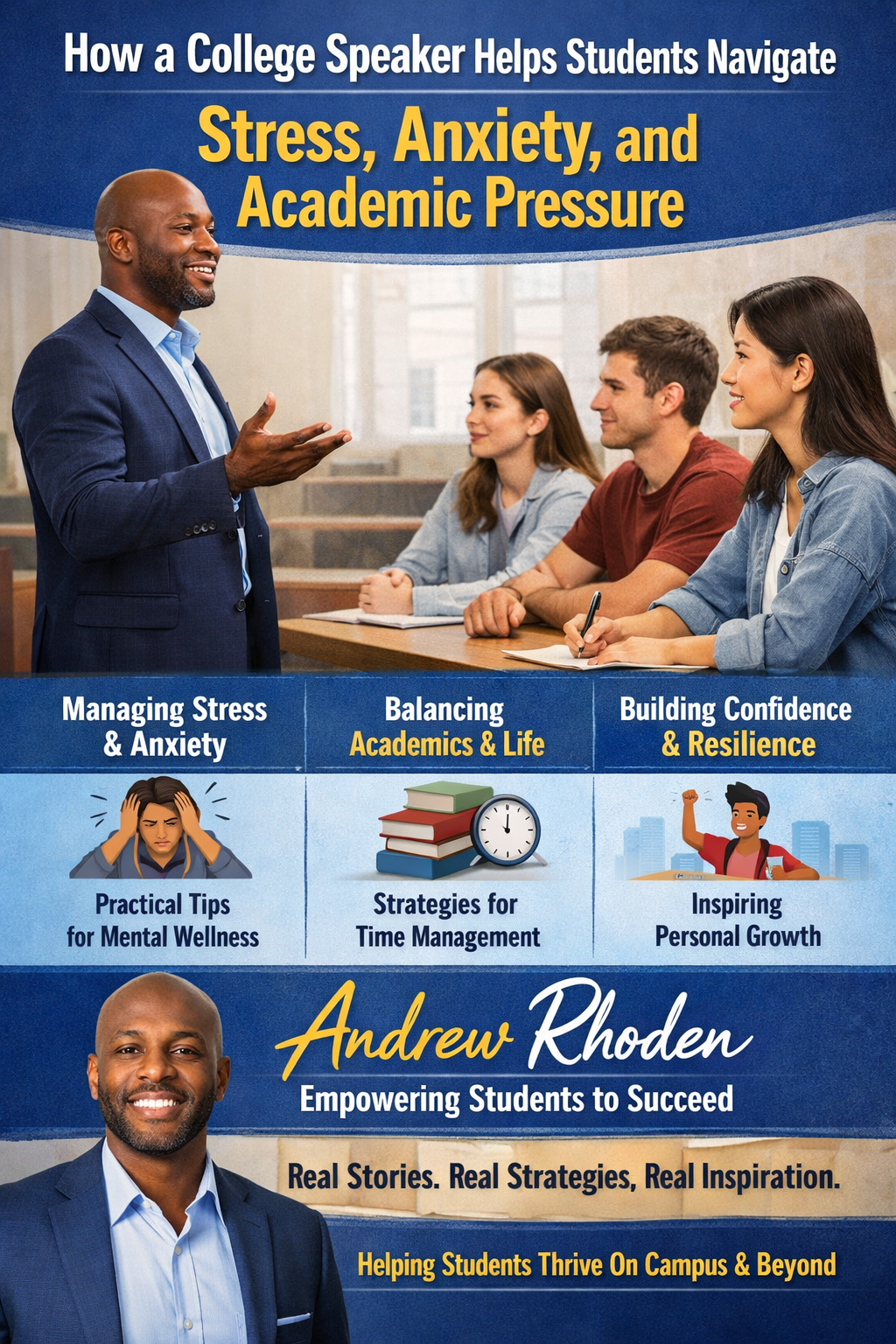
How a College Speaker Helps Students Navigate Stress, Anxiety, and Academic Pressure
Meeting Students Where They Are
The transition into college life can feel overwhelming for many students. Between academic expectations, social adjustments, and personal responsibilities, the pressure can build quickly. This is where experienced college speakers step in, offering guidance that feels both relatable and actionable. Instead of generic advice, they bring real-world insights that connect with today's students in meaningful ways.
At universities and colleges across the country, bringing in a keynote speaker is becoming an essential part of student success initiatives. These events are not just motivational—they are strategic moments designed to help students reset, refocus, and move forward with confidence. When done right, the impact goes far beyond the stage.
The Role of a College Speaker in Student Wellness
Supporting Mental Health and Academic Balance
A skilled motivational speaker understands the emotional and academic challenges that college students face. From stress and anxiety to time management and self-doubt, these concerns are common across campus environments. By addressing these issues directly, college speakers help normalize the conversation and reduce stigma.
Through practical strategies, speakers provide tools that students can use immediately. Whether it’s improving focus, managing deadlines, or building resilience, these lessons are designed to support both academic and personal growth.
Creating a Safe and Engaging Environment
The most effective speakers create a space where students feel seen and heard. Their approach is often highly engaging, blending storytelling with real-life examples. This helps build trust with the audience and encourages participation.
By fostering a sense of community, these events help students realize they are not alone in their experiences. That sense of connection can make a lasting difference in how they approach their college journey.
Andrew Rhoden: Inspiring Students to Reach Their Potential
A Voice That Resonates Across Campuses
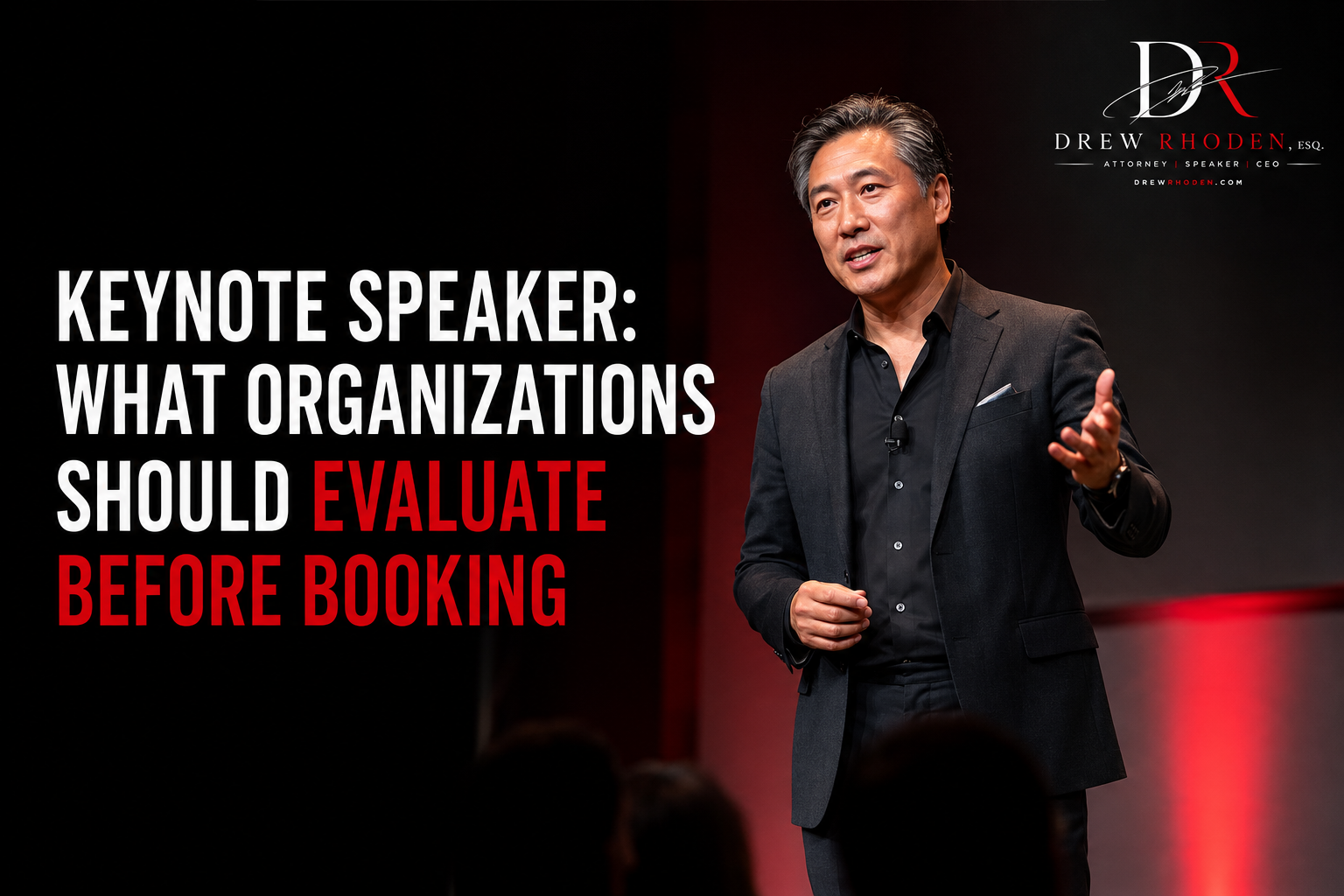
Andrew Rhoden is more than just a keynote speaker—he is a leader, an entrepreneur, and a founder committed to empowerment. His work spans leadership, business development, and protecting generational wealth, making him a unique voice in the world of college speakers.
With a background that blends legal expertise and real-world experience, Andrew brings a perspective that resonates with students across universities. His ability to connect on a personal level ensures that his message is both impactful and memorable.
A Mission Focused on Transformation
Andrew’s mission centers on inspiring students to unlock their full potential. His talks are not just about motivation—they are about transformation. He challenges students to rethink their goals, embrace their passion, and take ownership of their future.
As a founder and advocate for personal development, he delivers content that encourages students to take action. His sessions often leave a lasting impact that extends well beyond the event itself.
The Power of Storytelling in Campus Events
Connecting Through Real-Life Experiences
Storytelling is one of the most powerful tools used by college speakers. By sharing personal journeys, challenges, and successes, speakers create a deeper connection with their audience.
Andrew Rhoden’s approach includes stories that reflect both struggle and achievement. This balance helps students see what is possible while also understanding the effort required to succeed.
Learning From Influential Figures
Many engaging speakers draw inspiration from well-known figures such as new york times contributors, york times bestselling author leaders, and even public figures like President Joe Biden. References to individuals like Angelina Jolie, a well-known actor and humanitarian advocate, help bring broader context to important conversations.
These connections show students how leadership, resilience, and purpose can shape success in any field.
Addressing Academic Pressure Head-On
Helping Students Manage Expectations
Academic pressure is one of the most common concerns among students. Balancing coursework, extracurricular activities, and personal responsibilities can feel overwhelming.
A college event focused on these challenges gives students the tools they need to stay organized and focused. These sessions often include actionable advice that can be applied immediately.
Encouraging Healthy Habits
Speakers emphasize the importance of maintaining a healthy balance between academics and personal well-being. This includes managing time effectively, setting realistic goals, and seeking support when needed.
By promoting these habits, college speakers help students build a foundation for long-term success.
Building Leadership and Confidence
Developing the Next Generation of Leaders
Leadership development is a key focus for many college speakers. Through engaging presentations, students are encouraged to step into leadership roles both on and off campus.
Andrew Rhoden’s experience as a co founder and entrepreneur allows him to provide valuable insights into what it takes to lead effectively in today’s world.
Empowering Students to Take Action
Empowerment is at the core of every impactful presentation. Speakers challenge students to take ownership of their decisions and pursue their goals with confidence.
This focus on empowerment helps create a positive impact that extends beyond the classroom.
The Value of Diverse Perspectives
Learning From Experts Across Industries
Many college speakers come from diverse backgrounds, including award winning journalist professionals, acclaimed author experts, and even harvard professor educators. This diversity enriches the learning experience for students.
Exposure to different perspectives helps students think critically and expand their understanding of the world.
Highlighting Innovation and Creativity
Innovation is a recurring theme in many campus events. Speakers often discuss how creativity and adaptability can lead to success in various fields.
This emphasis on innovation encourages students to think outside the box and explore new possibilities.
Creating Lasting Impact on Campus
Strengthening Campus Culture
A well-planned college event can have a significant impact on campus culture. It brings students, professors, and organizations together in a shared experience.
These events foster a sense of unity and purpose, contributing to a more supportive academic environment.
Inspiring Continued Growth
The lessons learned from these events often stay with students long after the presentation ends. Whether it’s a shift in mindset or a new approach to challenges, the impact is long-lasting.
Choosing the Perfect Speaker for Your Event
What to Look For in a Speaker
Selecting the perfect speaker requires careful consideration. Institutions should look for individuals who are not only knowledgeable but also relatable and engaging.
A strong speaker should be able to connect with the audience and deliver content that is both informative and inspiring.
Building a Curated List of Speakers
Creating a curated list of potential speakers allows colleges and universities to choose the best fit for their needs. This process ensures that each event delivers maximum value.
The Broader Impact of College Speakers
Preparing Students for the Future
The ultimate goal of bringing in college speakers is to prepare students for the future. By addressing real-world challenges and opportunities, these events equip students with the tools they need to succeed.
Bridging Education and Real-World Experience
Speakers like Andrew Rhoden bridge the gap between academic learning and real-world application. Their insights help students understand how their education translates into career opportunities.
Take the Next Step Toward Inspiring Your Campus
Transforming Lives Through Meaningful Events
When you invest in the right college speakers, you are investing in the future of your students. These events create opportunities for growth, connection, and transformation.
Andrew Rhoden’s approach to inspiring students goes beyond motivation—it delivers real value that resonates long after the event ends.
Learning From Influential Voices Across Media, Leadership, and Education
Today’s most impactful college speakers often draw from a wide range of experiences across media, leadership, and public influence. Many have backgrounds connected to respected organizations like a national association, or have been recognized alongside individuals who have earned honors such as an academy award, tony award, or even a grammy award. These connections highlight the level of excellence and credibility that top speakers bring to a college event. Some speakers have also collaborated with institutions like georgetown university or worked alongside a harvard professor, adding academic depth to their message. Others may have experience as a political commentator, a published writer, or even a co host of widely followed platforms, giving them a well-rounded perspective that resonates with students.
The Power of Storytelling, Media Experience, and Real-World Impact
Many modern speakers are not limited to one role—they often serve as a host, producer, and director, shaping content that reaches global audiences. Some have created work that has generated billion views, demonstrating their ability to connect with people across the world. These experiences allow them to speak authentically about building a successful career, navigating challenges, and finding purpose beyond a traditional job. Speakers may also highlight stories tied to social justice, personal resilience, or even unique perspectives like a deaf superhero, showing how diverse voices can inspire meaningful change. Whether they are a york times bestseller author or someone who has built a reputation through impactful storytelling, their ability to connect with each person in the room creates a lasting impression that continues beyond the school environment.
Contact Us for a Free Consultation
If you are planning a college event and want to bring in a keynote speaker who can truly connect with your audience, we invite you to reach out. Andrew Rhoden is your trusted college speaker to inspire and motivate, delivering impactful presentations that resonate with students and create meaningful change.
Contact us at (888) 209-4055 to book a free consultation and learn how we can support your upcoming campus events. We work with colleges and universities nationwide, helping create experiences that leave a lasting impression and empower the next generation of leaders.
share this
Related Articles
Related Articles