



College Speaker Insights Into the Rising Mental Health Needs of Today's Students
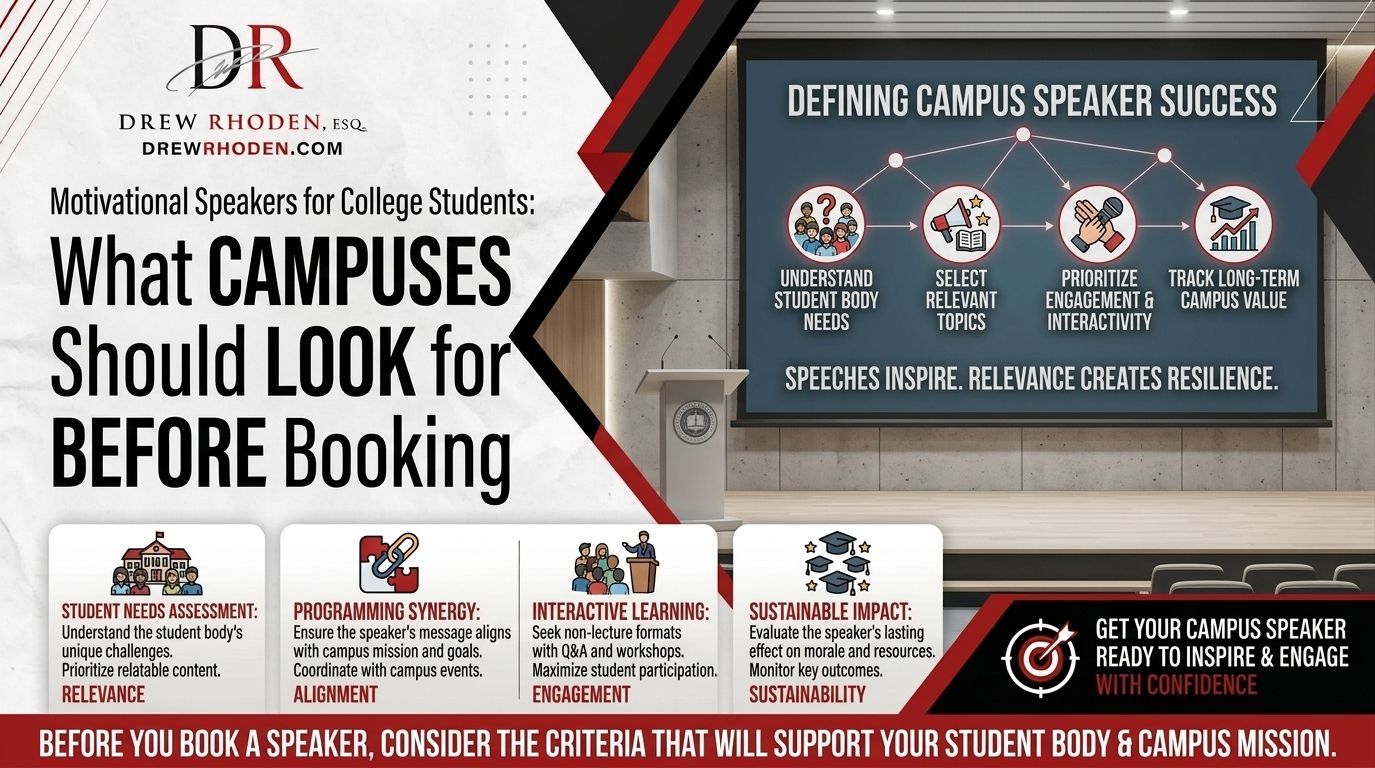
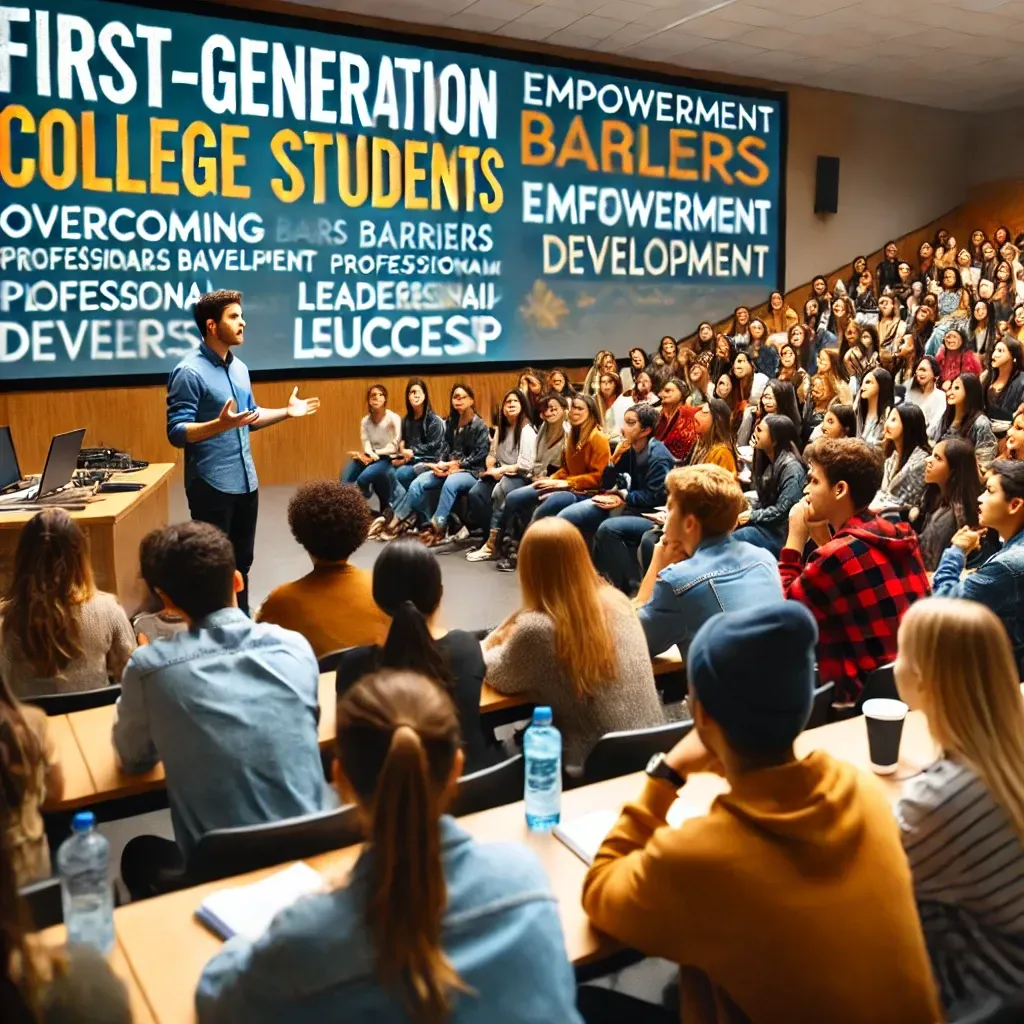
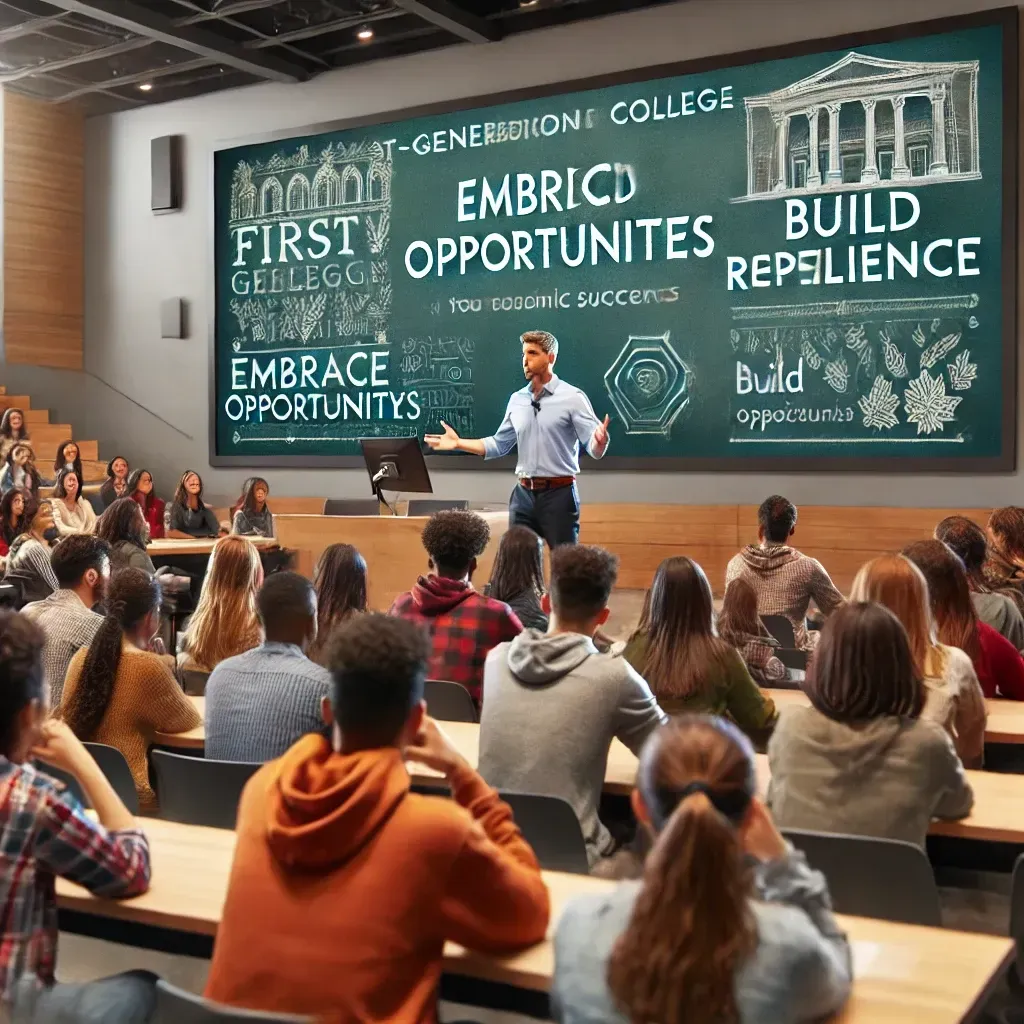
College campuses have always been places of learning, discovery, and personal transformation. Today, however, they are also environments where many students face increasing levels of stress, anxiety, loneliness, and uncertainty about the future. Academic expectations, financial concerns, social pressures, and constant digital connection have created new challenges that affect how students learn, interact, and grow. As a result, colleges and universities are looking beyond traditional support systems and recognizing the value a skilled college speaker can bring to campus conversations.
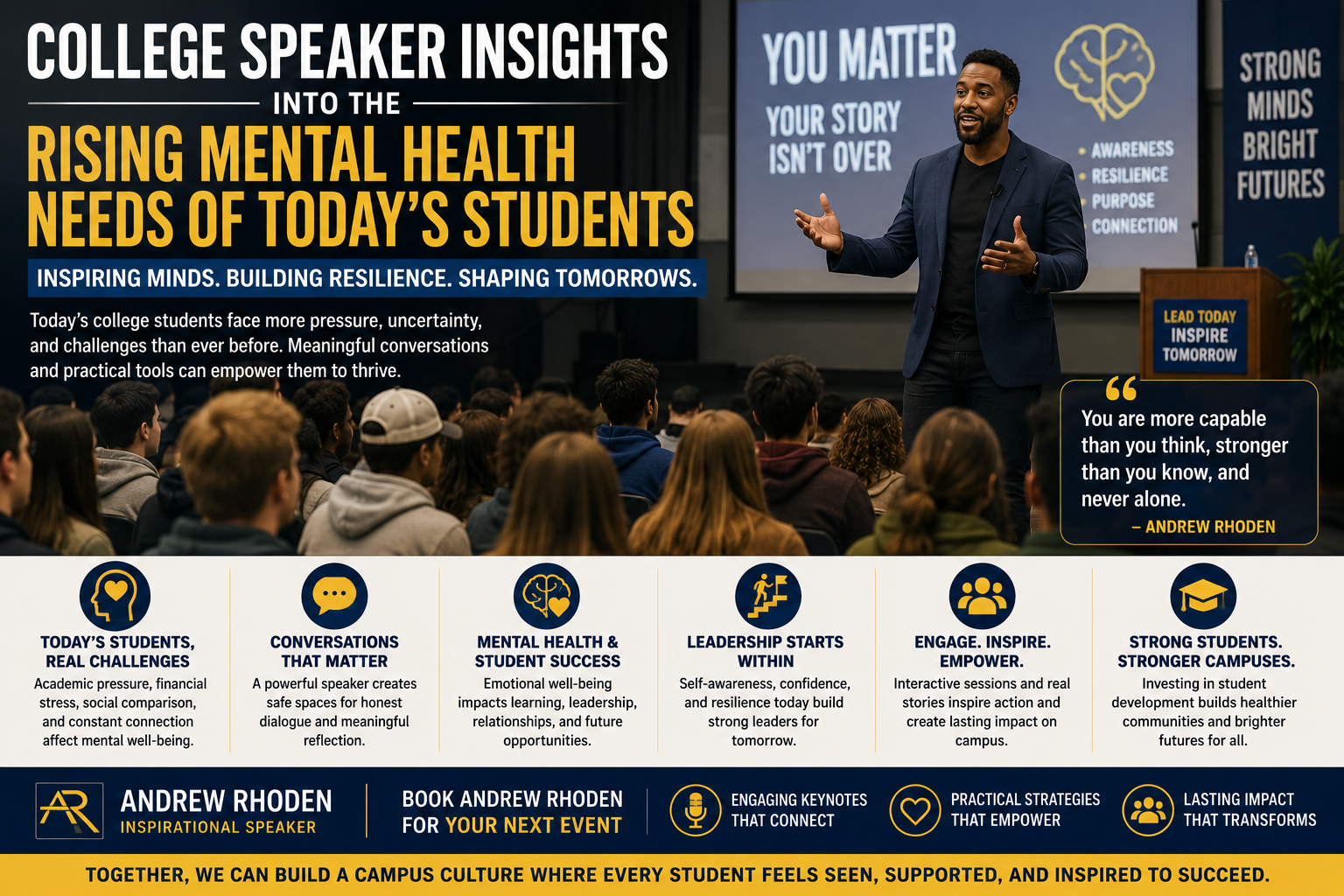
Andrew Rhoden believes that meaningful change begins with honest conversations. His mission is simple: to inspire students to recognize their potential while providing practical tools they can use long after the event ends. Rather than relying on temporary motivation, Andrew connects with college students through authentic stories, actionable lessons, and relatable experiences that encourage resilience, leadership, and personal growth.
Mental health discussions are no longer limited to counseling centers. They are becoming an essential part of orientation programs, leadership conferences, student organization events, and campus-wide initiatives. Schools increasingly understand that helping students develop confidence, emotional resilience, and healthy decision-making contributes to stronger student outcomes both inside and outside the classroom.
At a time when students face rapid social change and increasing expectations, a powerful message delivered by the right education speaker can create lasting value. A memorable presentation encourages reflection, opens important conversations, and reminds students that asking for help is a sign of strength rather than weakness.
Today's Students Face Different Challenges Than Previous Generations
Every generation encounters obstacles, but today's students navigate a world that changes faster than ever before. Technology has expanded opportunities while also increasing pressure to remain constantly connected, productive, and successful.
Many students compare themselves to carefully curated online images, creating unrealistic expectations about achievement and personal worth.
Social Pressure Extends Beyond Campus
Students no longer leave social interactions behind when classes end.
Social media, messaging platforms, and online communities continue influencing emotions, confidence, and relationships throughout the day.
Academic Success Alone Is Not Enough
Students also need emotional resilience, communication skills, and healthy coping strategies.
Supporting these areas contributes to stronger academic performance and overall well-being.
College Speakers Create Conversations That Matter
Students often remember meaningful experiences more clearly than lectures filled with statistics.
An engaging keynote speaker creates opportunities for reflection while encouraging open discussion about real-life challenges.
Stories Build Human Connection
Authentic personal experiences help students recognize they are not facing challenges alone.
These stories create trust while making difficult topics feel approachable.
Practical Advice Inspires Action
Students benefit most when inspiration is combined with realistic strategies they can immediately apply.
Simple, practical advice often creates lasting impact.
Mental Health Is Connected to Student Success
Mental well-being influences far more than emotional health.
It affects learning, leadership, relationships, decision-making, creativity, and future career development.
Emotional Health Supports Academic Growth
Students who feel supported often demonstrate greater confidence and stronger engagement in the classroom.
Healthy emotional habits also improve long-term learning.
Resilience Encourages Future Success
Learning how to respond to setbacks prepares students for challenges they will encounter throughout life.
Developing resilience becomes an investment in future success.
Leadership Begins With Self-Awareness
Many students believe leadership begins after graduation.
In reality, leadership starts with understanding personal values, communication, and decision-making while still in college.
Confidence Grows Through Experience
Students become stronger leaders by practicing responsibility and learning from challenges.
Growth rarely happens without stepping beyond familiar situations.
Every Student Has Leadership Potential
Leadership is not limited to elected officers or organization presidents.
Every student has opportunities to influence others positively.
Inspiration Becomes More Powerful When It Feels Genuine
Students quickly recognize presentations that feel scripted or disconnected from their experiences.
Authenticity creates stronger engagement than polished speeches without personal meaning.
Relatable Messages Matter
Students respond to speakers who understand modern campus life.
Real conversations create stronger emotional connections.
Honest Communication Builds Trust
Sharing both successes and struggles demonstrates resilience rather than perfection.
Authenticity encourages students to remain open throughout the presentation.
Interactive Experiences Increase Student Engagement
Students participate more actively when presentations include discussion rather than one-way communication.
Interactive activities encourage reflection while strengthening audience participation.
Encourage Meaningful Participation
Questions, discussion opportunities, and reflection exercises help students connect lessons with personal experiences.
Participation improves retention.
Engagement Extends Beyond the Event
Students often continue discussing impactful presentations long after the program ends.
Those conversations reinforce important messages.
Campus Events Can Create Lasting Change
A successful campus event should do more than entertain attendees.
It should encourage meaningful conversations that continue throughout the academic year.
Every Event Has an Opportunity
Orientation programs, leadership conferences, wellness initiatives, and graduation events all provide opportunities to encourage personal development.
Each event can strengthen campus culture.
Lasting Impact Requires Practical Guidance
Students remember presentations that combine inspiration with actionable advice.
Simple strategies often create meaningful long-term change.
Colleges Benefit From Investing in Student Development
Supporting students extends beyond academics alone.
Leadership, resilience, communication, and emotional well-being all contribute to stronger educational experiences.
Holistic Development Matters
Students thrive when institutions support personal as well as academic growth.
Balanced development prepares graduates for future success.
Strong Students Build Strong Communities
Confident students contribute positively to campus organizations, classrooms, and future workplaces.
Investing in students benefits the entire university community.
Inspiring Students to Build a Growth Mindset
A strong growth mindset helps students view setbacks as opportunities to learn instead of reasons to give up. College life is filled with new responsibilities, unexpected obstacles, and moments of uncertainty, making resilience an essential skill for long-term success. When students understand that progress comes through consistent effort and reflection, they become more willing to embrace challenges with confidence.
Growth Happens One Decision at a Time
Success is rarely built through one life-changing moment. Instead, it develops through daily habits, intentional choices, and a willingness to keep moving forward even when circumstances become difficult.
Encouraging Positive Change
An inspiring message can become the starting point for positive change. Students often leave a presentation with renewed motivation, practical strategies, and a clearer vision for their future.
Human Connection Makes Every Presentation More Meaningful
Students are surrounded by information every day, but information alone does not always inspire action. What they often remember most is the feeling of being understood and encouraged by someone who genuinely connects with their experiences.
Real Conversations Leave a Lasting Impression
Honest conversations about overcoming challenges create meaningful human connection. They remind students that asking for help, adapting to change, and learning from setbacks are all part of personal growth.
Authentic Stories Build Trust
Andrew Rhoden shares relatable experiences that resonate with diverse student audiences, allowing students to see possibilities beyond their current circumstances. Authenticity makes the message memorable long after the event has ended.
Preparing Students for Life Beyond Graduation
College prepares students academically, but it should also prepare them for life after earning a degree. Employers increasingly value communication, resilience, leadership, and problem-solving alongside technical knowledge.
Professional Skills Matter
Students who develop confidence, emotional intelligence, and adaptability are often better prepared to succeed in today's changing workplace. These qualities also contribute to stronger teamwork and healthier workplace relationships.
Leadership Continues After College
Leadership does not begin with a job title. It develops through everyday choices, responsibility, and a willingness to positively influence others wherever opportunities arise.
Supporting Educators and Campus Leaders
Student success is strongest when faculty, administrators, and guest speakers work together toward common goals. An engaging presentation complements the work already being done by educators, teachers, professors, counselors, and student affairs professionals.
Reinforcing Campus Initiatives
Whether the focus is leadership, wellness, resilience, or student engagement, keynote presentations can strengthen ongoing campus programs by introducing fresh perspectives and encouraging continued discussion.
Professional Development for Campus Teams
Many institutions also include speaking programs as part of professional development, helping faculty and staff better understand the evolving needs of today's students while strengthening collaboration across campus.
Every Campus Has a Unique Story
No two colleges or universities face exactly the same opportunities and challenges. Student demographics, campus culture, institutional goals, and current priorities all influence the type of presentation that will create the greatest impact.
Customized Presentations Matter
Andrew Rhoden works with schools to understand their goals before every event. This collaborative approach helps ensure each presentation is relevant, engaging, and aligned with the needs of the audience.
Meaningful Conversations Continue After the Event
The most successful presentations inspire conversations that extend into classrooms, residence halls, student organizations, and leadership programs. Those continued discussions often reinforce the lessons students remember most.
The Right Speaker Creates More Than Motivation
Motivation is valuable, but long-term transformation requires practical action. Students benefit most when inspiration is paired with clear strategies they can immediately begin applying in their academic and personal lives.
Action Leads to Lasting Results
Students appreciate presentations that provide realistic steps for improving confidence, communication, resilience, and leadership rather than relying solely on inspirational messages.
Practical Guidance Builds Confidence
When students leave with tools they can actually use, they are more likely to apply those lessons throughout college and beyond graduation.
Helping Students Discover Strength They Already Possess
Every student arrives on campus carrying different experiences, expectations, and challenges. While no single presentation can solve every problem, the right message at the right moment can encourage someone to view their future with renewed confidence. Sometimes students simply need to hear that setbacks do not define them, that growth is possible, and that asking for support demonstrates strength rather than weakness.
Andrew Rhoden's presentations are built on that belief. By combining authentic storytelling, practical guidance, and meaningful audience engagement, he creates experiences that encourage students to think differently about leadership, resilience, and their ability to overcome obstacles. His goal is not simply to motivate students for one afternoon but to provide ideas they continue applying throughout college and into their professional lives.
When colleges invest in meaningful conversations about mental health, leadership, and personal development, they invest in the future success of their students. Those conversations strengthen campus communities, encourage healthier relationships, and remind students that their potential extends far beyond the classroom. A memorable presentation can become the beginning of a journey that influences not only individual lives but the entire campus culture for years to come.
Bringing Fresh Perspectives to Campus Through Meaningful Conversations
Today's colleges are looking for more than traditional education keynote speakers. They want presenters who can connect with students while addressing the pressing challenges facing young people in an engaging and practical way. While some events feature a New York Times or York Times bestselling author, a best selling author, an award winning educator, a former editor, or a co founder and founder of a successful organization, lasting impact comes from the ability to inspire meaningful action rather than impressive titles alone. Many institutions also invite commencement speakers, business leaders, thought leaders, and experts in education policy or current affairs to encourage discussion about leadership, resilience, and the future of education.
An effective campus program often extends beyond a keynote presentation by including interactive workshops, panel discussions, or opportunities for students and faculty to talk directly with the speaker. Colleges continue to recognize the value of technology integration, innovation, and professional growth as they prepare students for rapidly changing careers and communities. Whether an institution is partnering with a speaker connected to Georgetown University, a recognized director, a respected co host, or another accomplished professional, the importance of authentic communication remains the same.
Andrew Rhoden's presentations are designed to create a positive impact by helping students build confidence, strengthen leadership skills, and develop meaningful workplace culture habits that will serve them well long after graduation. His message resonates with audiences across the country, from New York to campuses nationwide, because it focuses on practical growth, genuine connection, and empowering students to become leaders within their own communities.
Choosing a Speaker Who Connects With Today's Students
Selecting the right keynote speaker can shape the success of an entire campus event. While many institutions consider well-known education keynote speakers, accomplished business leaders, or even a York Times bestseller author, the most memorable presentations are those that genuinely connect with students and inspire meaningful action. An experienced education speaker understands that lasting impact comes from relatable stories, practical guidance, and authentic conversations that encourage students to build confidence, strengthen resilience, and prepare for the opportunities ahead. Andrew Rhoden delivers presentations that go beyond motivation by helping students apply what they learn long after the event has ended, creating an experience that benefits both the audience and the campus community.
Contact Andrew Rhoden for Your Next Campus Event
If your institution is searching for a college speaker who genuinely connects with students while delivering meaningful, practical guidance, Andrew Rhoden is ready to help. His presentations are designed to inspire students, encourage resilience, strengthen leadership, and support healthier conversations around mental health and personal growth.
Andrew works with colleges, universities, student organizations, leadership conferences, orientation programs, commencement events, and campus leadership teams throughout the country. Every presentation is thoughtfully customized to meet the goals of your institution while creating an experience that students remember long after the event ends.
Whether you are planning a leadership conference, a wellness initiative, a freshman orientation program, or another campus gathering, Andrew provides engaging presentations that combine inspiration with actionable strategies. His mission is to help students recognize their potential while equipping them with practical skills that support lifelong success.
Contact Andrew Rhoden today at (888) 209-4055 to book a free consultation. We would be happy to answer your questions, discuss your upcoming event, and help you create an experience that inspires students and leaves a lasting impact across your campus community.
share this
Related Articles
Related Articles