




Booking an Overcoming Adversity Speaker for Your Event: What to Expect
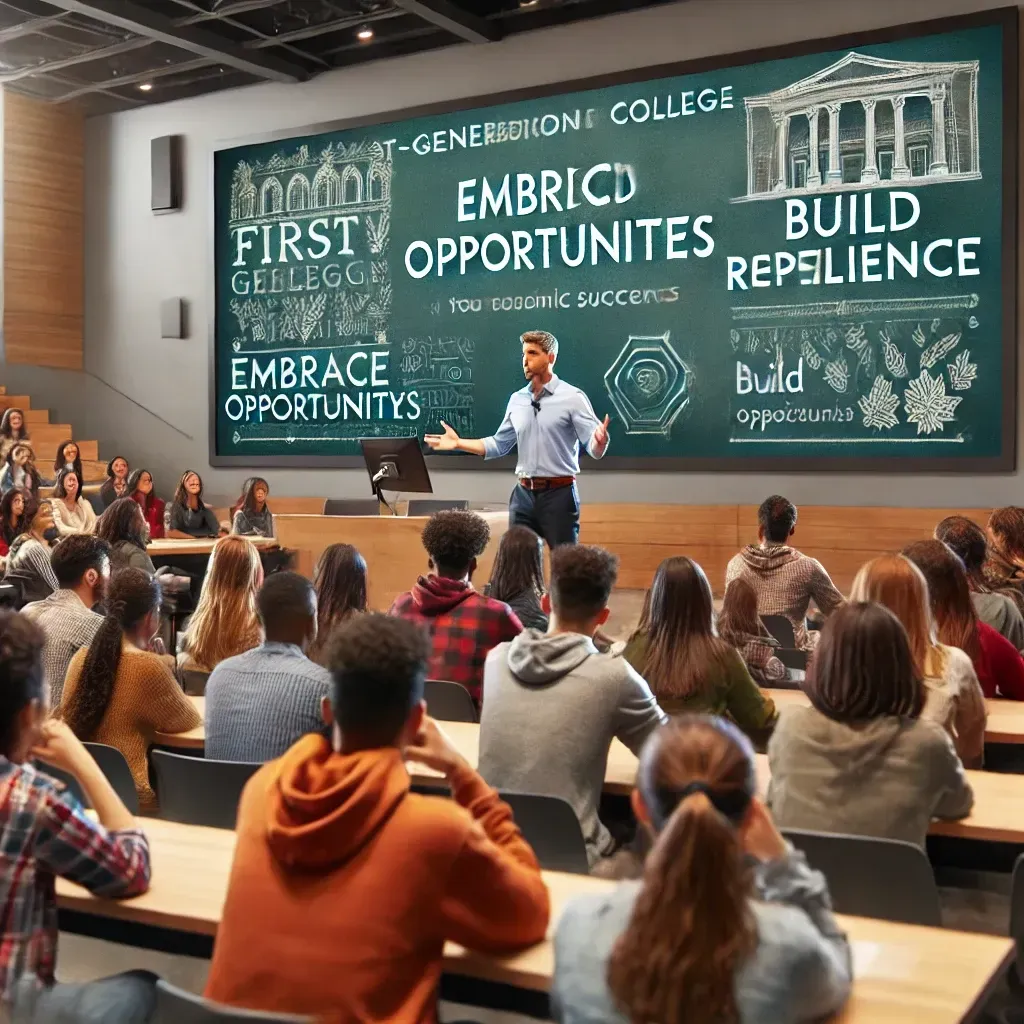
Life presents countless challenges, from financial difficulties and emotional adversity to physical adversity and mental health struggles. Whether in business, sports, or personal life, people must learn how to overcome obstacles and develop a resilience mindset. Bringing in an overcoming adversity speaker like Andrew Rhoden to your event provides inspiration and actionable strategies to help attendees navigate tough times with confidence.
A powerful speaker transforms adversity into an opportunity for growth, fostering a positive outlook that can redefine an individual’s journey. Through personal experiences, interactive storytelling, and research-backed insights, a skilled speaker helps attendees face adversity and build inner strength to handle life’s challenges.
Benefits of Hiring an Overcoming Adversity Speaker
Elevating Corporate Events with a Resilience Mindset
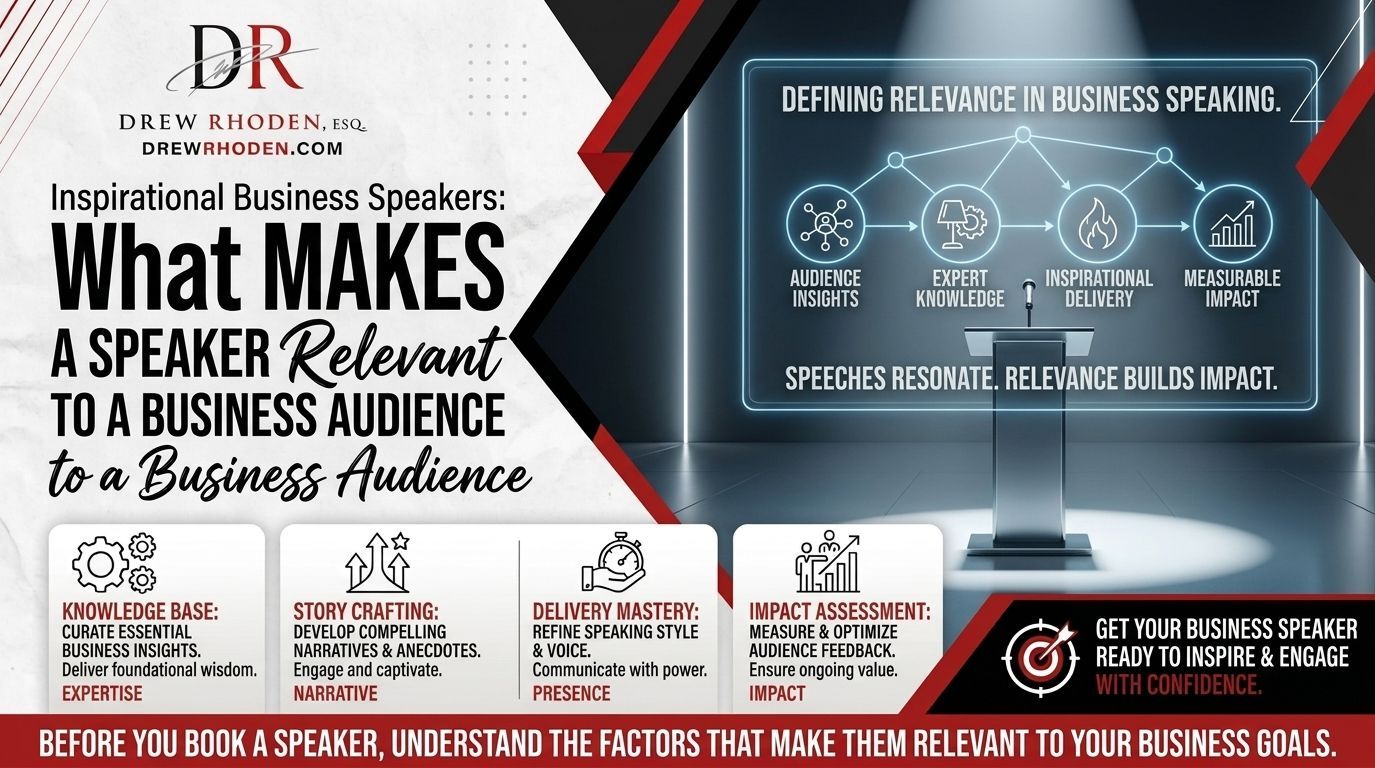
In the corporate world, adversity strikes in many forms—market downturns, leadership transitions, and workplace stress. Companies that equip their teams with the tools to overcome setbacks see improved problem-solving skills, higher self-confidence, and a stronger support system. Andrew Rhoden tailors his speeches to:
- Help employees develop a growth mindset and adapt to industry shifts
- Encourage leaders to use self-reflection to make impactful decisions
- Inspire teams to reduce stress and enhance their problem-solving abilities
- Provide tools to overcome career setbacks and personal challenges
Motivating Athletes to Push Beyond Limits
Athletes constantly face challenges, from injuries to self-doubt and persistent feelings of failure. A seasoned overcoming adversity speaker understands how to help sports professionals build resilience and move forward after setbacks. Andrew Rhoden’s talks focus on:
- Strengthening mental health and performance through mindfulness meditation
- Developing an ability to adapt under pressure and recover from losses
- Encouraging a balanced diet and stress management techniques for sustained well-being
- Teaching athletes how to face adversity with determination and grit
Empowering Youth to Build Resilience in Everyday Life
Young individuals often struggle with low self-esteem, learning disabilities, and social adversity. Without guidance, these obstacles can significantly impact their future. Andrew’s dynamic approach helps young audiences understand how to:
- Develop strong self-esteem to navigate social and academic pressures
- Stay connected with positive people who foster personal growth
- Learn ways to overcome negative emotions and adversity through self-discipline
- Emphasize the importance of role models and having a reliable support system
How Andrew Rhoden Customizes His Message for Different Audiences
Personalizing Content for Maximum Impact
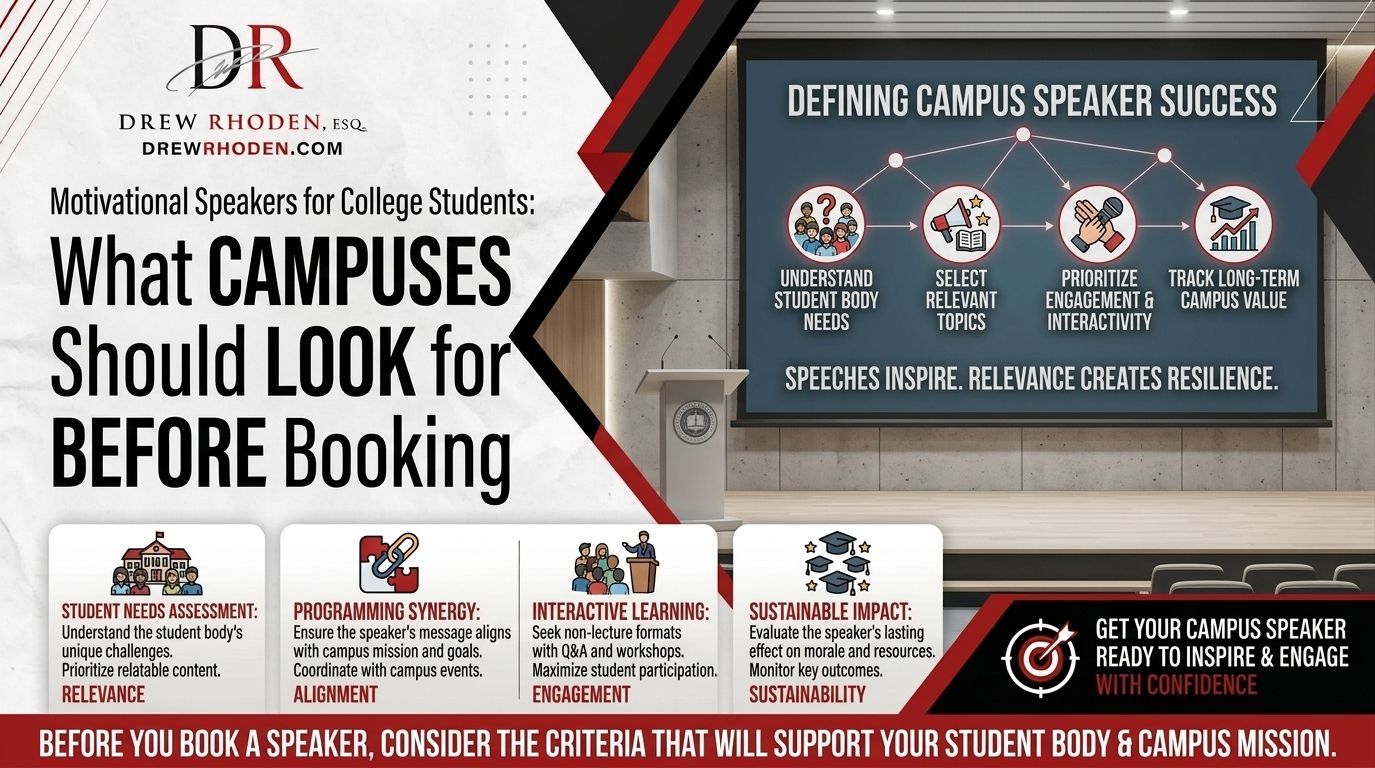
Every audience is unique, and a one-size-fits-all approach does not work when addressing adversity. Andrew Rhoden takes time to understand the specific challenges his audience faces, ensuring his speech resonates deeply. His ability to adapt makes him a sought-after overcoming adversity speaker for a variety of events.
- Corporate audiences: Focuses on leadership, teamwork, and performance under pressure
- Athletes: Addresses mental adversity, staying motivated, and bouncing back from injuries
- Youth audiences: Empowers young minds to build confidence, self-worth, and resilience
The Science Behind Resilience and Overcoming Challenges
Andrew incorporates proven psychological strategies that promote resilience. Research shows that overcoming setbacks strengthens an individual’s ability to handle future difficulties. He educates audiences on:
- How problem-solving and self-reflection build resilience
- The role of the nervous system in handling stress and negative emotions
- Techniques like deep breathing to reduce stress and improve focus
- How thought patterns influence our ability to overcome obstacles

The Impact of Live Storytelling and Personal Experiences
Connecting Emotionally with the Audience
Live storytelling is a psychological phenomenon that creates a deep, lasting connection between speaker and audience. Andrew’s personal stories of overcoming adversity provide attendees with a sense of empowerment and drive. His speeches include:
- Real-life accounts of financial adversity and social adversity
- Insights into overcoming chronic illness, health issues, and mental health conditions
- Examples of successful people who turned hardships into triumphs
Inspiring Lasting Change and Growth
Attending a motivational event should be more than just an emotional experience—it should create actionable change. Andrew ensures his audience leaves with:
- Practical steps to overcome personal and professional challenges
- A renewed sense of self-confidence and self-reflection
- Tools to handle stress, improve well-being, and adopt a positive outlook
Booking an Overcoming Adversity Speaker for Your Event: What to Expect
When life feels overwhelming, it can be hard to find a way forward. Many people encounter emotional challenges and physical adversity, whether due to illness, injury, or the lasting effects of past experiences. A skilled speaker on overcoming adversity will help audiences reflect on their struggles and recognize the power of resilience. They share strategies for coping with different types of adversity, from natural disasters to personal setbacks, while emphasizing the role of social support from friends, family, and mentors. Understanding how adversity impacts both the mind and immune system is crucial, and these speakers often encourage individuals to seek professional guidance when necessary. No matter the difficult situation, every person has the strength to push forward. Booking the right speaker ensures the process of overcoming obstacles becomes an empowering and transformative experience.
Booking an Overcoming Adversity Speaker for Your Event: What to Expect
When life feels overwhelming, it can be difficult to see a way forward. Many people face emotional challenges due to various types of adversity, including financial hardships, health struggles, or even natural disasters. An experienced speaker on overcoming adversity helps audiences reflect on their past experiences and find strength in their personal journeys. These speakers provide insights into resilience, the role of social support like friends and family,
and when to seek professional guidance to navigate a difficult situation. They emphasize how challenges affect not just the mind but also the immune system, reinforcing the importance of professional help when necessary. Through their stories, attendees will learn that every person has the potential to grow, no matter the obstacles they face. Booking the right speaker ensures that the process of overcoming adversity becomes a transformative experience, inspiring individuals to push forward with renewed strength.
Transform Your Event with Andrew Rhoden
If you want to inspire your audience and provide them with the tools to overcome adversity, Andrew Rhoden is the speaker you need. With a background in personal development, leadership, and resilience training, he delivers impactful speeches that leave a lasting impression.
Whether you’re organizing a corporate summit, athletic conference, or youth empowerment seminar, Andrew will tailor his message to fit your audience’s needs. His expertise in handling adversity, inspiring resilience, and fostering growth ensures that every event is both engaging and transformational.
For a free consultation and to find out how Andrew Rhoden can provide your event with strong inspiration, call us at (888) 209-4055.
share this
Related Articles
Related Articles