



The Importance of Motivational College Speakers for Freshman Orientation Programs
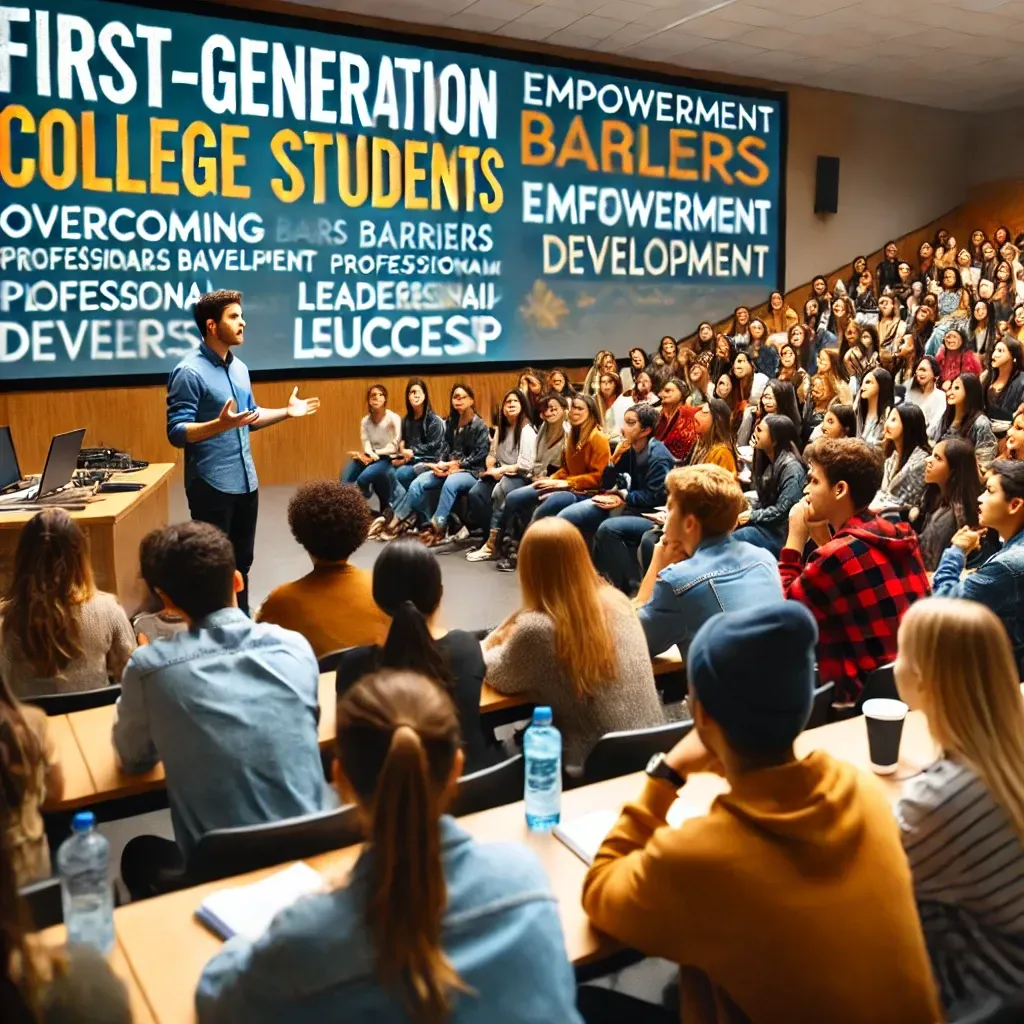
Starting college is an exciting but often overwhelming experience for new students. Many arrive on campus filled with ambition but also uncertainty about their academic and personal growth. This is why incorporating motivational college speakers into freshman orientation programs is essential. A keynote speaker with the ability to inspire students can set a positive tone for their entire college journey.
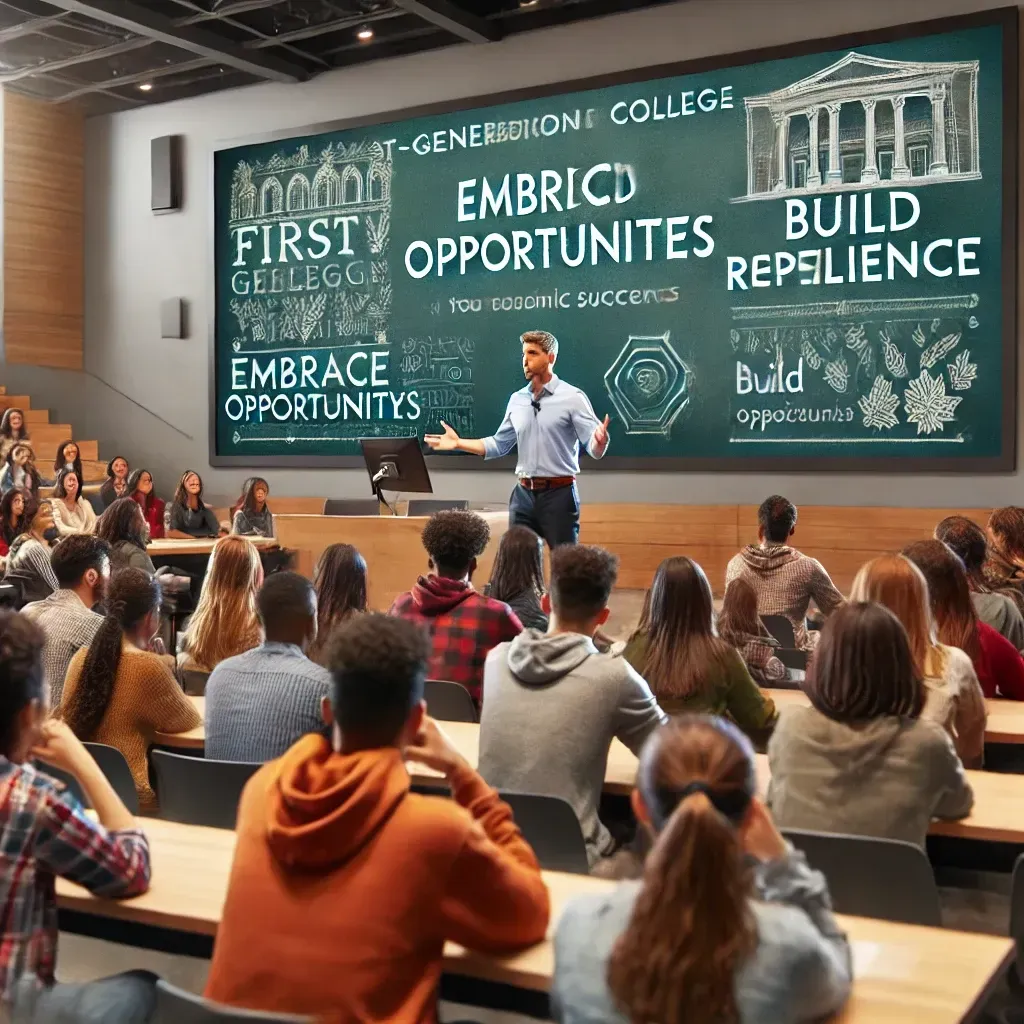
A well-delivered motivational talk during orientation provides students with the encouragement they need to embrace challenges, build resilience, and take advantage of their university experience. An experienced college speaker, such as Andrew Rhoden, not only engages audiences but also equips students with the mindset and tools to navigate their academic and personal journeys successfully.
The Role of a Motivational Speaker in Freshman Orientation
1. Inspiring Students to Overcome Challenges
The transition to college can be overwhelming, especially for first-year students. Many struggle with time management, independence, and academic expectations. A powerful motivational speaker can address these challenges head-on, providing inspiration and real-life strategies to help students navigate this transition smoothly.
2. Encouraging Leadership and Growth
Freshman orientation isn’t just about introducing students to campus life—it’s about fostering future leaders. A dynamic keynote speaker who specializes in leadership and personal growth can empower students to take on leadership roles in organizations, student government, and extracurricular activities.
3. Setting the Tone for Academic and Personal Success
Bringing in a bestselling author or award-winning speaker to freshman orientation ensures that students start their college journey with a success-oriented mindset. These speakers emphasize the importance of goal setting, discipline, and embracing a growth mindset, helping students understand the value of perseverance and continuous learning.
Why Colleges Should Invest in Motivational Speakers for Orientation
1. They Help Students Feel Connected and Engaged
Many first-year students arrive on campus feeling disconnected or unsure about their place in the university community. A motivational college speaker bridges this gap by fostering a sense of belonging and shared purpose among incoming students.
2. They Motivate Students to Take Initiative
A great college event isn’t just about orientation logistics—it’s about inspiring action. Students who hear from an award-winning author, an entrepreneur, or a New York Times bestselling author are more likely to take ownership of their educational journey.
3. They Promote Diversity and Inclusion
Freshman orientation is an opportunity to highlight the inclusion and diversity initiatives that are vital to campus life. Having a motivational speaker with a background in equity, social change, or overcoming adversity helps set a strong foundation for a welcoming and inclusive student environment.

How Andrew Rhoden Elevates College Orientation Events
Andrew Rhoden is a perfect speaker for any university or college event, offering an engaging and transformative approach to motivating students. His experience as a college speaker enables him to connect with students from all backgrounds, guiding them through personal and academic growth.
1. Engaging Storytelling that Resonates with Students
Andrew’s talks are not just motivational—they are deeply relatable. Through storytelling, he shares real-life experiences of overcoming obstacles, achieving business success, and fostering a positive impact in communities.
2. Actionable Advice for Long-Term Student Success
Unlike many university speakers who deliver generic speeches, Andrew provides students with practical steps they can implement immediately. His topics focus on building self-discipline, leadership skills, and resilience—crucial elements for long-term success.
3. Tailored Topics for a Lasting Impact
Every college event is different, which is why Andrew customizes his talks to fit the specific needs of each university. His inspirational topics range from business leadership and entrepreneurship to mental health and self-improvement, ensuring that every speech leaves a lasting impact.
What Colleges Gain by Hiring an Award-Winning Speaker for Orientation
1. Strengthening Campus Culture
A powerful keynote speaker can help set the tone for a vibrant, engaged, and motivated campus culture. When students hear from an award-winning author or a bestselling author, they are more likely to participate in university programs, clubs, and leadership activities.
2. Enhancing Student Retention and Engagement
Many universities struggle with student retention. Bringing in motivational college speakers at the start of a student's journey ensures they feel invested in their education and are more likely to stay engaged.
3. Aligning with Institutional Goals
Whether a university wants to promote innovation, technology, social change, or business success, hiring a speaker like Andrew Rhoden ensures that orientation messaging aligns with institutional objectives.
Inspiration That Stays Beyond Orientation
Freshman orientation is just the beginning of a student’s college experience. While faculty, educators, and university programs play crucial roles, the words of an impactful motivational speaker can stick with students long after orientation week.
A well-crafted keynote speech can inspire students to push through challenges, seek learning opportunities, and take advantage of all that college has to offer. With the right university speakers, orientation programs can become a transformative experience that students remember throughout their academic journey.
How Motivational College Speakers Inspire the Next Generation of Leaders
Freshman orientation is a pivotal moment for college students, setting the stage for their academic and personal growth. Bringing in a commencement speaker who has inspired thousands can help students develop confidence, resilience, and a sense of purpose. Whether it’s a black female combat pilot sharing stories of perseverance, an environmental advocate discussing sustainability, or a political commentator providing insights on leadership, impactful speakers shape the perspectives of the next generation.
Many of today’s most influential figures, from social scientists to Fortune 500 CEOs, started their journeys with the right motivation during their early academic years. Having a dynamic speaker at orientation, such as a bestselling writer, entrepreneur, or industry founder, ensures that students gain valuable wisdom from real-world experiences. Colleges that host powerful speakers give their students a competitive edge, helping them see beyond the classroom and into the world of opportunities that await.
Andrew Rhoden is an experienced college speaker known for empowering students, faculty, and administrators alike. As a co-founder of initiatives promoting leadership and growth, he brings valuable motivation to orientation programs. His talks inspire students to embrace challenges, take ownership of their futures, and strive for success in their academic and professional lives. Whether addressing students, professors, or teachers, Andrew delivers compelling messages that leave a lasting impression on every school and university he visits.
Choosing the Best Speaker for Freshman Orientation: Inspiring College Students from Day One
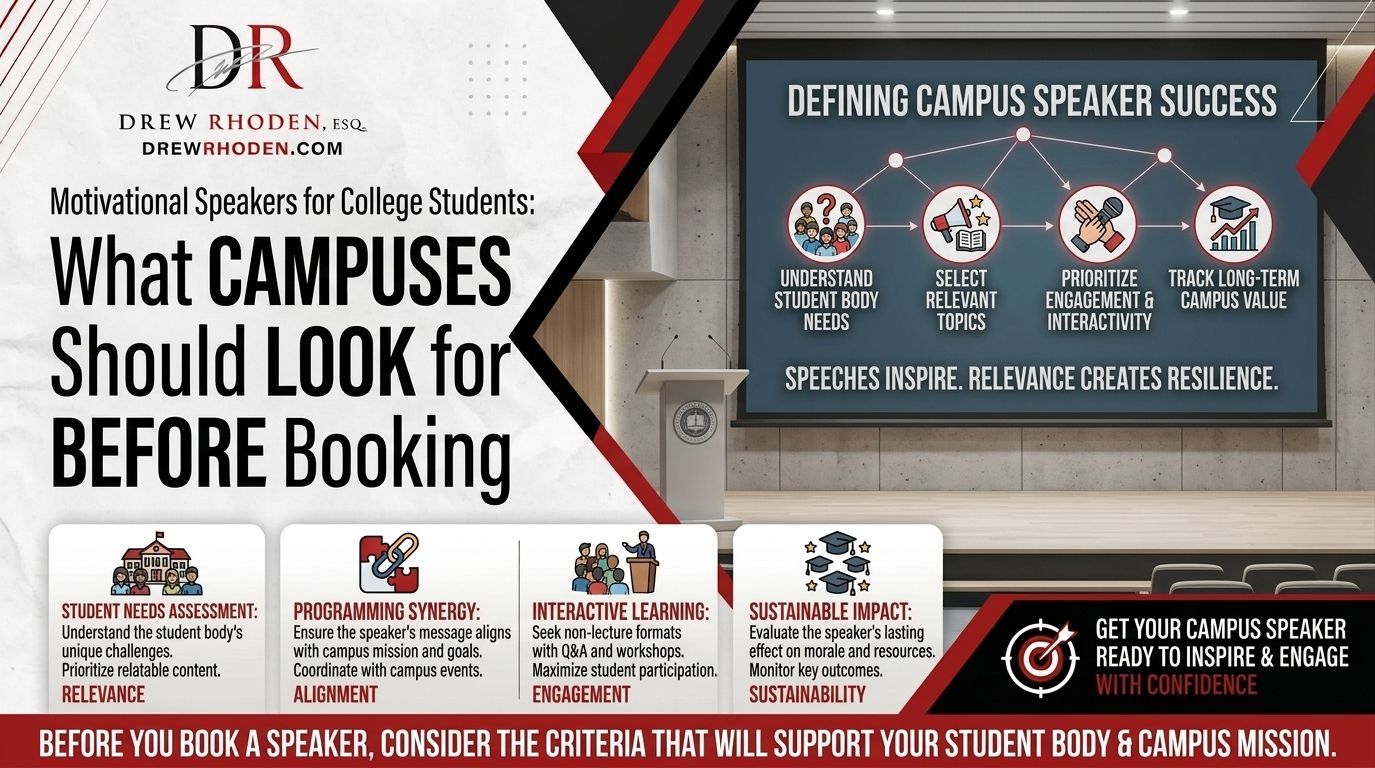
Selecting the best speaker for a freshman orientation program can set the tone for a student's entire college experience. A dynamic and engaging college speaker not only welcomes college students but also motivates them to embrace new challenges, develop leadership skills, and pursue academic success.
Andrew Rhoden has established himself as one of the most sought-after motivational college speakers, known for his ability to inspire students with compelling storytelling and actionable insights. His experience speaking at universities across the country makes him the best speaker for orientation programs looking to create a meaningful and transformative experience. Through his engaging talks, Andrew helps new students build confidence, navigate the challenges of higher education, and take ownership of their future success.
Book Andrew Rhoden for Your Next College Event
If you’re looking for an engaging, dynamic college speaker to inspire students at your freshman orientation, Andrew Rhoden is the perfect speaker for your university or college event. With a track record of leaving a lasting impact on students, faculty, and organizations, Andrew brings energy, insight, and actionable inspiration to every event.
Why Choose Andrew Rhoden?
- Award-winning and highly experienced in motivating students at top universities.
- A bestselling author and sought-after keynote speaker who connects with diverse audiences.
- Expertise in personal development, business success, and academic excellence.
- Proven ability to engage students and motivate them toward their goals.
Call (888) 209-4055 to book a free consultation and learn how Andrew Rhoden can transform your next freshman orientation event. Let’s work together to create an unforgettable and impactful experience for your incoming students.
This article is structured to attract potential clients by demonstrating the value of hiring a motivational college speaker for freshman orientation. Let me know if you’d like any modifications!
share this
Related Articles
Related Articles