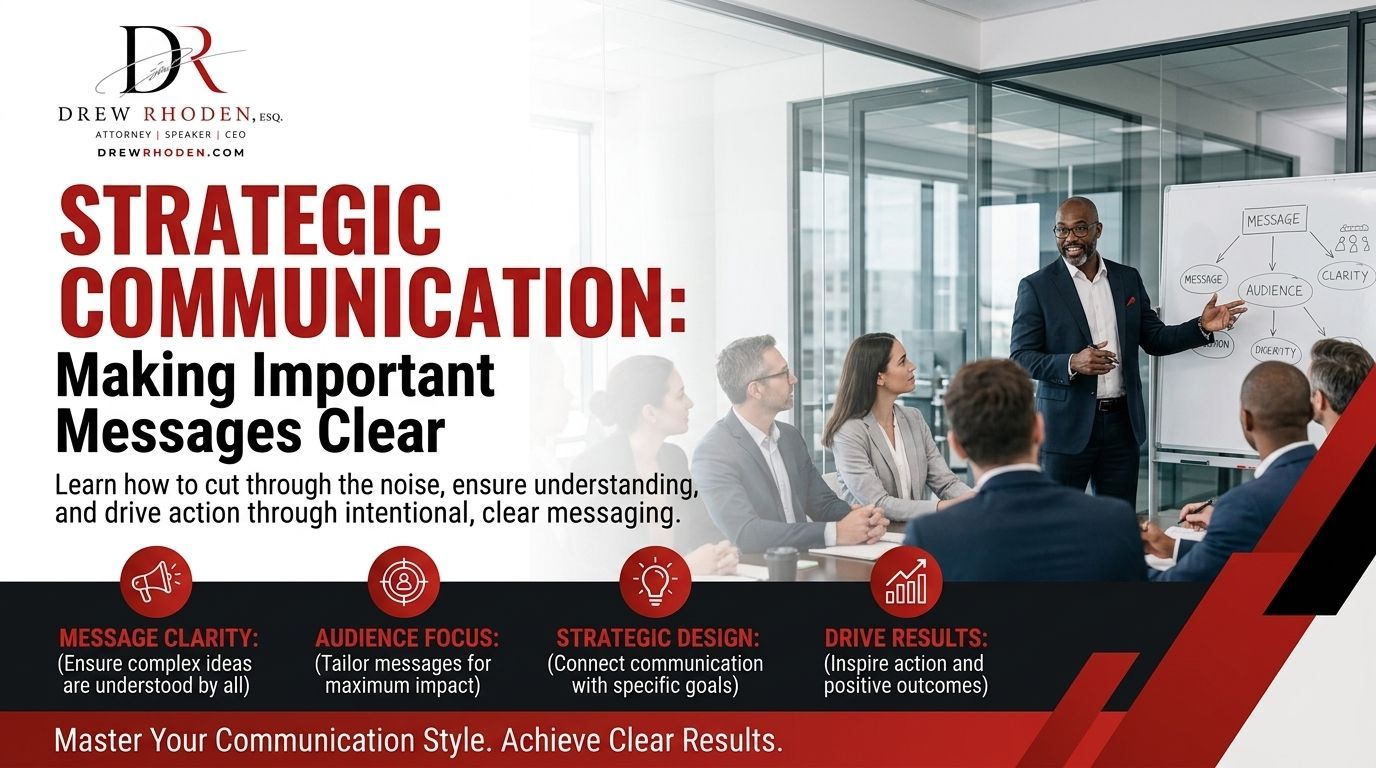





Transforming Leadership for Today’s Business Challenges
Leadership has never been more demanding than it is today. Every business leader faces constant pressure to adapt to changing markets, evolving customer expectations, workforce challenges, and rapid advances in modern technology. Organizations that once relied on traditional management approaches are now discovering that success requires flexibility, innovation, and leaders who can inspire confidence during periods of uncertainty.
Whether leading a growing small business, a national corporation, or a nonprofit organization, today's executives are expected to make difficult decisions while maintaining employee engagement and delivering measurable results. Teams want authentic leadership, customers expect exceptional service, and stakeholders demand accountability. These expectations create an environment where leadership development becomes an essential investment rather than an optional initiative.
One of the most effective ways organizations prepare their leaders is by bringing in an experienced business keynote speaker who understands both the opportunities and challenges facing organizations today. A compelling presentation can energize employees, encourage fresh thinking, and provide practical strategies that leaders can immediately apply within their organizations. More importantly, the right speaker helps audiences move beyond inspiration by offering actionable ideas that create lasting change.
Andrew Rhoden has built a reputation as a trusted business speaker who combines extensive legal knowledge, executive leadership experience, and practical business strategy into engaging presentations. Rather than relying on motivational slogans, he shares real-world experiences that help organizations strengthen leadership, improve communication, and prepare for the future. His presentations are designed for decision-makers who want meaningful insights that translate into measurable organizational success.
Why Leadership Must Continue Evolving
The pace of change affecting today's business world is unlike anything previous generations experienced. Economic shifts, workforce expectations, artificial intelligence, cybersecurity concerns, and changing customer behavior continue reshaping industries. Leaders who remain committed to continuous learning place their organizations in stronger positions to respond effectively.
Many organizations still believe leadership development only becomes necessary after problems appear. In reality, successful organizations prepare leaders before challenges arise. They invest in education, coaching, mentoring, and professional development that strengthen decision-making while building organizational resilience.
Strong leadership also creates stability. Employees naturally look toward leadership during uncertain times, expecting guidance, transparency, and confidence. Organizations led by prepared executives often recover more quickly from unexpected challenges because trust already exists throughout the workplace.
Leadership transformation also requires personal growth. Every executive should periodically evaluate communication styles, decision-making habits, emotional intelligence, and adaptability. Continuous improvement strengthens both individual performance and organizational culture.
Learning From Today's Challenges
Business Never Stands Still
Every business experiences periods of rapid change. Market disruptions, customer expectations, regulatory updates, and competitive pressures require organizations to remain adaptable without losing sight of long-term objectives.
Remaining informed about current business news allows leaders to anticipate industry shifts before they significantly affect operations. Organizations that monitor trends carefully often identify opportunities that competitors overlook.
Andrew Rhoden's presentations help leaders understand how changing market conditions influence organizational strategy. Rather than overwhelming audiences with statistics, he explains emerging trends using relatable examples that encourage thoughtful discussion and practical implementation.
Successful organizations understand that leadership requires both vision and preparation. When executives anticipate change instead of reacting to it, they position their companies for sustainable growth.
Responding During Uncertainty
Every organization eventually experiences a major crisis. Whether the challenge involves economic uncertainty, operational disruptions, reputational concerns, cybersecurity threats, or workforce issues, leadership determines how effectively an organization responds.
History demonstrates that organizations which successfully manage crises often prepare long before difficulties emerge. Leaders establish communication plans, contingency strategies, and decision-making frameworks before emergencies occur.
Having a reliable back up plan reduces uncertainty while improving organizational confidence. Employees perform better when leadership communicates clearly during periods of disruption.
Andrew Rhoden shares lessons learned from analyzing past crises, helping organizations understand practical leadership strategies that reduce confusion while maintaining momentum when unexpected challenges arise.
Building Leaders Who Inspire
Leadership Begins With Trust
Employees rarely follow titles alone. They follow leaders who consistently demonstrate integrity, accountability, and genuine concern for their teams.
A good manager creates an environment where employees feel respected, heard, and valued. Trust develops gradually through honest communication, consistent expectations, and reliable decision-making.
Organizations that prioritize leadership development frequently experience stronger employee retention, increased collaboration, and improved workplace culture. Employees become more engaged because they believe leadership genuinely supports their professional success.
Trust also improves organizational performance because employees become more willing to contribute ideas, identify challenges, and recommend innovative solutions.
Communication Creates Influence
Strong communication remains one of the most valuable leadership skills. Executives must communicate clearly with employees, clients, investors, governing boards, and community stakeholders.
Andrew Rhoden demonstrates how effective communication extends beyond polished speeches. Successful leaders engage audiences through authentic conversations, thoughtful listening, and practical storytelling that builds credibility.
His engaging presentations encourage leaders to improve communication across every level of the organization. Rather than focusing only on public speaking techniques, he helps audiences strengthen everyday conversations that influence workplace relationships.
Clear communication also reduces misunderstandings while improving collaboration across departments.
The Value of a Business Keynote Speaker
Organizations invest significant time and resources into conferences, annual meetings, leadership retreats, and corporate events. Yet the speaker often determines whether attendees leave feeling inspired or simply informed.
An experienced business keynote speaker understands how to connect organizational goals with audience expectations. Instead of delivering generic presentations, effective keynote speakers tailor their messages to address industry challenges and organizational priorities.
Andrew Rhoden stands apart because his presentations combine legal insight, executive experience, and strategic leadership expertise. His practical approach allows audiences to leave with actionable ideas they can immediately apply.
Whether addressing executives, managers, entrepreneurs, or frontline professionals, Andrew delivers presentations that encourage meaningful discussion while inspiring long-term leadership growth.
Choosing the Right Speaker
Selecting an ideal keynote speaker requires more than reviewing promotional materials. Organizations should evaluate the speaker's professional background, communication style, industry knowledge, and ability to connect with diverse audiences.
Many event planners consider well-known celebrity speakers, but recognition alone does not guarantee meaningful results. Audiences often gain greater value from speakers who have firsthand experience solving real organizational challenges.
Andrew Rhoden's presentations reflect years of experience in law, leadership, education, and business consulting. His ability to translate complex issues into practical leadership lessons makes his presentations relevant for organizations across numerous industries.
Choosing the right keynote speaker ultimately influences whether attendees leave motivated to create lasting organizational improvement.
Leadership Requires Better Conversations
Strong organizations encourage meaningful dialogue throughout every department. Effective leaders ask thoughtful questions that encourage participation rather than simply directing conversations.
Instead of dominating discussions, experienced leaders begin with a few good questions that encourage employees to think critically about opportunities and challenges. These conversations often reveal practical ideas that might otherwise remain unnoticed.
Sometimes progress begins with a few great questions that challenge long-standing assumptions. Leaders who encourage respectful discussion build stronger workplace cultures because employees recognize that their perspectives matter.
Even a few questions asked at the right moment can improve collaboration, strengthen trust, and encourage innovative problem-solving throughout the organization.
Preparing Leaders for Difficult Conversations
Leadership often requires navigating sensitive discussions with confidence and professionalism. Performance coaching, conflict resolution, organizational change, and hiring decisions all require careful communication.
Managers frequently need to navigate tough interview questions during recruitment while also preparing candidates to answer tough interview questions professionally. Organizations that improve interviewing practices often make stronger hiring decisions while enhancing candidate experiences.
Similarly, conducting a job interview involves more than reviewing resumes. Leaders should evaluate communication skills, cultural alignment, adaptability, and or her work experience to identify candidates who can contribute to long-term organizational success.
Organizations that invest in interview training create more consistent hiring processes while improving workforce quality.
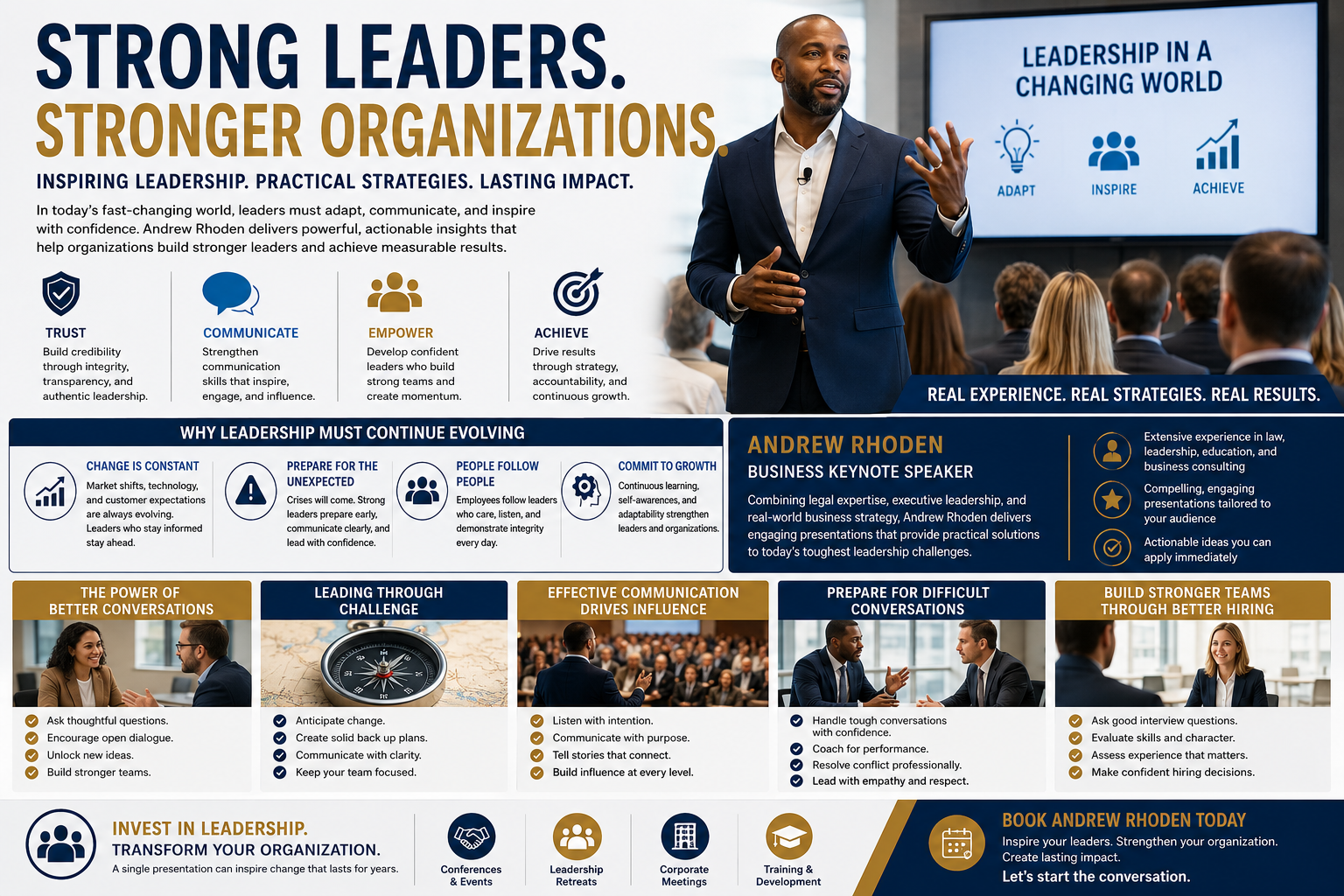
Developing Leaders Who Strengthen Every Business
Leadership is rarely defined by a single decision. It is shaped by the habits leaders build, the relationships they develop, and the consistency they demonstrate over time. Every successful business depends on leaders who can balance strategic thinking with practical execution.
Great leaders also understand that people respond differently to change. While some employees embrace new ideas immediately, others need additional communication and reassurance before fully committing to organizational goals. Effective leaders recognize these differences and adapt their approach without compromising expectations.
Organizations that intentionally develop leadership capabilities often experience stronger employee engagement, improved collaboration, and higher retention. These advantages create a healthier workplace while positioning the business for long-term success.
Andrew Rhoden helps organizations develop leadership practices that encourage accountability, improve communication, and build stronger workplace cultures that continue growing long after the presentation ends.
Leadership Beyond the Boardroom
Every Employee Influences Success
Leadership should never exist only within executive offices. Every employee has opportunities to influence coworkers, improve customer experiences, and contribute to organizational success.
Managers who encourage ownership create workplaces where employees actively solve problems instead of waiting for instructions. This mindset builds confidence while improving productivity across departments.
An effective leader also recognizes that every manager's managing style influences employee morale. Small adjustments in communication, coaching, and recognition often produce significant improvements in team performance.
Andrew Rhoden's presentations encourage leaders to develop environments where initiative, responsibility, and collaboration become part of everyday operations.
Inspiring Managers to Lead Better
Many organizations promote excellent technical employees into management positions without providing formal leadership development. Although these individuals possess strong professional knowledge, leadership requires an entirely different set of skills.
An effective manager motivate employees by recognizing accomplishments, setting realistic expectations, and providing constructive feedback that encourages improvement rather than discouragement.
Successful managers also understand how to balance accountability with encouragement. They recognize individual strengths while helping employees overcome challenges through coaching and consistent communication.
Leadership development equips managers with practical strategies that improve team performance while strengthening organizational culture.
Business Speaking That Creates Lasting Value
Organizations invest considerable time in event planning, yet many underestimate how much influence the speaker has on the overall experience. An engaging presentation can become the highlight of a conference while inspiring meaningful conversations long after attendees return to work.
Andrew Rhoden delivers business presentations designed specifically for today's evolving marketplace. Rather than offering abstract theories, he shares practical leadership lessons drawn from real-world legal, executive, and consulting experience.
His presentations encourage audiences to think critically, communicate effectively, and embrace change with confidence. Every session is customized to address the organization's objectives while remaining relevant to current business realities.
Whether addressing executives, department managers, entrepreneurs, or frontline professionals, Andrew provides actionable ideas that audiences can immediately implement.
Why Organizations Choose Andrew Rhoden
Practical Experience Makes the Difference
Many keynote speakers inspire audiences for an hour, but few combine inspiration with practical guidance that leaders can immediately apply.
Andrew Rhoden stands out because of his deep expertise in law, business strategy, executive leadership, and organizational development. His presentations reflect years of real-world experience helping organizations navigate complex challenges while improving operational effectiveness.
As both an attorney and strategic advisor, Andrew understands how leadership decisions influence legal compliance, organizational culture, employee engagement, and long-term growth. This broad perspective allows him to deliver presentations that resonate with executives across multiple industries.
Organizations seeking a trusted business keynote speaker appreciate Andrew's ability to simplify complex topics while providing practical leadership strategies.
More Than Motivation
Although Andrew is an accomplished motivational speaker, his presentations extend well beyond motivation alone. Inspiration creates momentum, but practical implementation creates measurable results.
Attendees leave with strategies they can begin applying immediately. They gain new perspectives on leadership, communication, organizational planning, and decision-making that continue benefiting their organizations long after the event concludes.
His presentations encourage leaders to embrace continuous improvement while developing stronger workplace relationships and healthier organizational cultures.
This balanced approach helps organizations transform inspiration into sustainable business success.
Preparing Leaders for Workforce Conversations
Leadership frequently requires conversations that employees may find uncomfortable. Performance discussions, career planning, conflict resolution, compensation, and organizational change all require thoughtful communication.
Effective performance reviews should encourage employee growth instead of creating unnecessary anxiety. Rather than focusing exclusively on past mistakes, productive reviews identify strengths while establishing clear expectations for future development.
Leaders should understand what performance reviews cover before meeting with employees. Constructive discussions often include measurable goals, professional development opportunities, communication improvements, and collaborative problem-solving.
Employees generally respond positively when leaders provide honest feedback supported by encouragement and practical recommendations.
Hiring With Confidence
Recruitment represents one of the most important responsibilities within any organization. A successful job interview evaluates technical qualifications while also exploring adaptability, communication style, and cultural alignment.
Experienced leaders ask thoughtful questions instead of relying solely on scripted interviews. They recognize that hiring decisions influence organizational culture just as much as technical performance.
Strong interview preparation also helps candidates feel more comfortable during discussions. Organizations that communicate clearly throughout the hiring process often leave positive impressions even when applicants are not selected.
Building better hiring practices strengthens workforce quality while supporting long-term organizational success.
Business Communication Across Cultures
Modern organizations increasingly operate across multiple regions and international markets. Leaders who understand cultural differences communicate more effectively while building stronger professional relationships.
Whether working with clients from foreign countries or collaborating with international partners, successful executives appreciate that communication styles vary significantly across cultures. Respect, patience, and curiosity strengthen business relationships regardless of geographic location.
Many professionals also work abroad during various stages of their careers. Understanding cultural expectations helps employees represent their organizations more effectively while building stronger partnerships.
Andrew Rhoden discusses practical communication strategies that help leaders navigate diverse business environments with professionalism and confidence.
Supporting Global Business Growth
Organizations expanding internationally often require employees to speak English confidently while understanding professional communication standards. This becomes especially important when participating in negotiations, presentations, and collaborative projects.
Although business English is frequently associated with international commerce, effective communication involves much more than vocabulary. Leaders must also recognize cultural expectations, listening skills, and professional etiquette.
Professionals preparing for international assignments or a business trip benefit from improving communication before traveling. Better preparation strengthens confidence while reducing misunderstandings during important meetings.
Organizations investing in communication development often build stronger international relationships while supporting continued business growth.
Business English and Leadership Development
Many universities and professional development programs include business English students who hope to strengthen communication for future careers. These individuals often participate in business English class activities that improve presentation skills, professional writing, and workplace conversations.
As students speaking during classroom exercises gain confidence, they become better prepared for future interviews, presentations, and leadership opportunities. Encouraging practice talking through realistic business scenarios builds valuable communication skills that transfer directly into the workplace.
Andrew Rhoden occasionally incorporates relatable communication examples into his presentations because leadership depends on clarity, confidence, and connection. Whether speaking to executives or business English students, effective communication remains one of the most valuable professional assets.
Organizations that invest in communication development strengthen both individual careers and overall business performance.
Leadership Means Preparing for the Unexpected
Every leader eventually encounters situations that cannot be solved with a standard operating procedure. Economic uncertainty, changing regulations, workforce challenges, and evolving customer expectations all require leaders to think strategically while remaining calm under pressure. Organizations that prepare for uncertainty before it arrives are far more likely to recover quickly when challenges emerge.
Strong leaders understand that flexibility is not a weakness. They adjust their approach when necessary while keeping the organization's mission and values at the center of every decision. That balance creates confidence throughout the workplace and encourages employees to remain focused during periods of change.
Andrew Rhoden encourages organizations to view leadership as a continuous journey rather than a destination. Through practical examples and real-world experience, he demonstrates how preparation, communication, and sound judgment help organizations overcome obstacles without losing momentum.
Learning From Business Success Stories
Every Business Has Lessons to Share
Every successful small business began with someone willing to solve a problem differently. Although industries vary, many leadership principles remain remarkably similar across organizations of every size.
Some companies grow because they continually invest in their people. Others succeed because they adapt more quickly than competitors when market conditions change. Understanding why some businesses fail while others thrive allows leaders to make better decisions before problems become difficult to overcome.
Andrew Rhoden often shares examples of organizations that transformed challenges into opportunities through strategic leadership. These examples provide audiences with practical ideas rather than unrealistic theories.
Leadership is rarely about finding perfect answers. Instead, it involves making thoughtful decisions while remaining willing to learn and improve.
Building Sustainable Organizations
Long-term success depends upon creating organizations capable of adapting to change. Leaders who focus only on short-term results often overlook opportunities that support sustainable growth.
Strong organizations evaluate performance regularly, encourage innovation, and invest in leadership development at every level. They understand that people remain their greatest competitive advantage.
Whether leading a startup or an established corporation, executives must continually evaluate how leadership decisions influence organizational culture, customer relationships, and financial performance.
This mindset helps organizations remain competitive regardless of changing market conditions.
Effective Leadership During Corporate Events
Leadership conferences and corporate events create valuable opportunities for organizations to reconnect, celebrate achievements, and establish future priorities. These gatherings become significantly more meaningful when attendees leave with practical strategies instead of temporary inspiration.
An experienced business keynote speaker understands how to connect leadership principles with organizational goals. Rather than delivering generic messages, Andrew Rhoden customizes every presentation to address the audience's specific challenges and objectives.
His presentations encourage leaders to think differently about communication, accountability, innovation, and long-term planning. Every presentation is designed to create meaningful conversations that continue after the event concludes.
Whether speaking in person to executive teams or addressing large conferences, Andrew delivers presentations that educate, motivate, and inspire action.
Engaging Every Audience
No two audiences are exactly alike. Executives, entrepreneurs, managers, nonprofit organizations, educators, and emerging professionals all bring unique experiences and expectations.
Andrew Rhoden carefully tailors each presentation so attendees remain engaged from beginning to end. His conversational style encourages participation while making complex leadership topics easier to understand.
Instead of overwhelming audiences with technical language, he uses practical stories that connect leadership principles with everyday business decisions.
Organizations appreciate presentations that remain informative, relevant, and immediately applicable.
Why Event Planners Choose Andrew Rhoden
Finding the right speaker requires more than selecting someone with an impressive biography. Event organizers want presenters who educate audiences, maintain engagement, and provide lasting value.
Many planners begin their search through a speakers bureau or an executive speakers bureau. While these organizations introduce event planners to many talented professionals, selecting the right speaker still requires understanding the organization's goals and audience expectations.
Andrew Rhoden consistently earns positive feedback because every presentation reflects preparation, authenticity, and practical experience. His ability to connect with executives, entrepreneurs, and employees makes him a valuable choice for conferences, leadership retreats, and corporate events.
Organizations looking for experienced keynote speakers often discover that practical expertise creates a much greater impact than celebrity recognition alone.
Practical Leadership Over Popularity
Some organizations initially consider booking celebrities simply because they are widely recognized. While names like Will Smith may attract attention, recognition alone does not always provide audiences with practical leadership strategies they can immediately implement.
Andrew Rhoden focuses on delivering meaningful educational experiences built upon real-world leadership, legal, and business expertise. Every presentation emphasizes actionable ideas rather than entertainment alone.
His sessions encourage executives to think strategically while equipping managers with practical leadership tools they can begin using immediately.
That commitment to practical value is one reason organizations continue inviting Andrew back for future events.
Leadership Is About People
Every organization succeeds because of its people. Strong leaders recognize that employee development directly influences customer satisfaction, operational performance, and long-term growth.
Supporting employees involves more than assigning responsibilities. Leaders should understand career aspirations, encourage professional development, and recognize individual accomplishments.
Simple conversations about career goals, workplace expectations, or even concerns about overtime can strengthen trust between leaders and employees. Questions regarding how much overtime employees work may reveal opportunities to improve scheduling, productivity, and workplace satisfaction.
Great leadership begins by genuinely listening to people.
Investing in Future Leaders
Developing future leaders should become part of every organization's long-term strategy. Leadership pipelines reduce disruption while ensuring experienced employees are prepared for greater responsibility.
Emerging professionals benefit from mentoring, coaching, and constructive feedback that strengthens decision-making and communication. Organizations that consistently invest in leadership development often outperform competitors over time.
Andrew Rhoden encourages leaders to identify future leadership potential early and provide meaningful opportunities for professional growth.
Preparing tomorrow's leaders begins with investing in today's employees.
Talking Business With Real-World Perspective
Effective leadership requires continuous learning. Andrew Rhoden believes that talking business should involve honest discussions about real organizational challenges rather than abstract theories.
His presentations include practical examples involving leadership, organizational culture, strategic planning, communication, and decision-making. Audiences appreciate presentations grounded in firsthand experience instead of hypothetical situations.
Whether discussing workforce development, innovation, legal considerations, or executive leadership, Andrew provides audiences with insights they can immediately apply within their organizations.
Meaningful conversations often produce meaningful organizational change.
Bringing Business Speaking to Organizations Nationwide
Andrew Rhoden offers professional business speaking services throughout Texas and nationwide. His presentations are designed for executive retreats, annual meetings, association conferences, leadership summits, educational events, and specialized business event programs.
Organizations seeking an experienced business speaker benefit from Andrew's unique combination of legal knowledge, executive leadership, and strategic consulting experience. His ability to explain complex issues clearly allows audiences to remain engaged while gaining practical insights.
Whether presenting in person or as part of a larger leadership conference, Andrew delivers customized presentations that address the challenges organizations face in today's rapidly changing business world.
His commitment to excellence makes him a trusted resource for organizations seeking meaningful leadership development.
Moving Your Organization Forward
Leadership transformation does not happen because organizations hope things improve. It happens when leaders intentionally invest in learning, communication, and continuous improvement.
The most successful organizations understand that leadership development influences every aspect of business, from employee engagement and operational performance to customer relationships and long-term growth. Bringing in experienced keynote speakers allows organizations to gain fresh perspectives while equipping leaders with practical tools for future success.
Andrew Rhoden combines deep expertise in law, business strategy, and leadership with a dynamic presentation style that educates, motivates, and inspires. His presentations address today's emerging trends, helping organizations adapt confidently while preparing for tomorrow's opportunities.
If your organization is ready to strengthen leadership, inspire employees, and elevate performance, now is the perfect time to invest in meaningful leadership development.
Leadership Lessons That Inspire Better Communication and
Business Growth
Every leadership journey includes such a deep one moment that changes the way executives think, communicate, and lead businesses. Andrew Rhoden encourages in depth conversations that move beyond surface-level advice, often introducing a few twists to familiar leadership challenges that help audiences see new opportunities. Whether preparing for a successful interview, improving good negotiation tactics, or learning how a manager spend time more effectively, participants gain practical strategies they can immediately apply within a decent company or growing organization.
Andrew also explains why managers slightly adjusting their communication style can produce significant improvements in employee engagement, why poor communication can cause audiences to lose interest, and how a good presentation always outperforms a bad presentation by delivering clear value. His presentations reference lessons from notable leaders, explore leadership practices across respective countries, and discuss how leadership expectations evolve as professionals approach retirement age.
Through relatable examples—including networking through small talk, collaborating with a co founder, balancing responsibilities with a family member, evaluating an hourly position, and comparing strategies used by other businesses—Andrew helps professionals strengthen their career today while preparing for tomorrow's opportunities.
He also shares insights that connect with educators, explaining why most students benefit from students talking, watching presentations, and collaborative learning activities where students feel more confident as students work together. Even examples inspired by a leadership blog post demonstrate that effective communication can overcome challenges that once seemed country terribly hard, making complex business concepts easier to understand and apply.
Motivational Speaker Who Inspires Leaders to Take Action
A great motivational speaker does more than energize an audience for a single event—they inspire lasting action that continues long after the presentation ends. Andrew Rhoden combines real-world experience in law, business strategy, and executive leadership with engaging storytelling to deliver practical insights that help leaders overcome challenges, strengthen communication, and drive organizational success. His presentations encourage audiences to embrace change with confidence, develop stronger leadership skills, and create meaningful results that benefit their teams, organizations, and communities.
Book Andrew Rhoden for Your Next Event
If you're ready to book a business speaker who delivers practical strategies instead of generic motivation, Andrew Rhoden is prepared to help. As an experienced business keynote speaker, business speaker, and trusted leadership advisor, he provides engaging presentations tailored to your organization's goals, industry, and audience.
Andrew's presentations help companies address today's evolving business landscape by covering leadership development, modern technology, communication, strategic planning, workforce engagement, and emerging trends. Whether your event serves executives, managers, entrepreneurs, or growing teams, attendees leave with practical insights they can immediately apply within their organizations.
Unlike many presenters available through a speakers bureau or executive speakers bureau, Andrew combines legal experience, executive leadership, and strategic business knowledge into presentations that create lasting value. His customized approach ensures every audience receives relevant, actionable guidance designed to strengthen leadership and organizational performance.
Don't wait to elevate your next conference, leadership retreat, or corporate meeting. Contact Andrew Rhoden today at (888) 209-4055 to schedule your free consultation, discuss your event objectives, and learn how his professional business speaking services throughout Texas and nationwide can help take your organization to the next level.
share this
Related Articles
Related Articles