




Low Morale, High Pressure: What Happens Without the Right Leadership Voice
Every organization experiences pressure. Tight deadlines, changing markets, rising customer expectations, and constant competition can push even the strongest teams to their limits. While these challenges are a normal part of business, the way leaders respond to them often determines whether employees become motivated or overwhelmed. A confident, authentic leadership voice can steady an organization during difficult moments, while poor communication can quietly damage trust, morale, and long-term performance.
Employees rarely expect leaders to have every answer. What they do expect is honesty, direction, and a sense of purpose. When communication becomes inconsistent or disconnected, uncertainty grows quickly. Team members begin questioning priorities, collaboration declines, and enthusiasm fades. Over time, even talented professionals can lose confidence if they no longer believe their work contributes to a meaningful goal.
This is why organizations increasingly invest in experienced motivational speakers who understand the realities of leadership under pressure. At corporate conferences, executive retreats, and company-wide meetings, the right keynote speaker can help leaders reconnect with their teams through practical strategies, inspiring stories, and actionable insights. At the center of these conversations is Andrew Rhoden, whose experience helping organizations strengthen leadership has made him a respected voice for businesses seeking meaningful change.
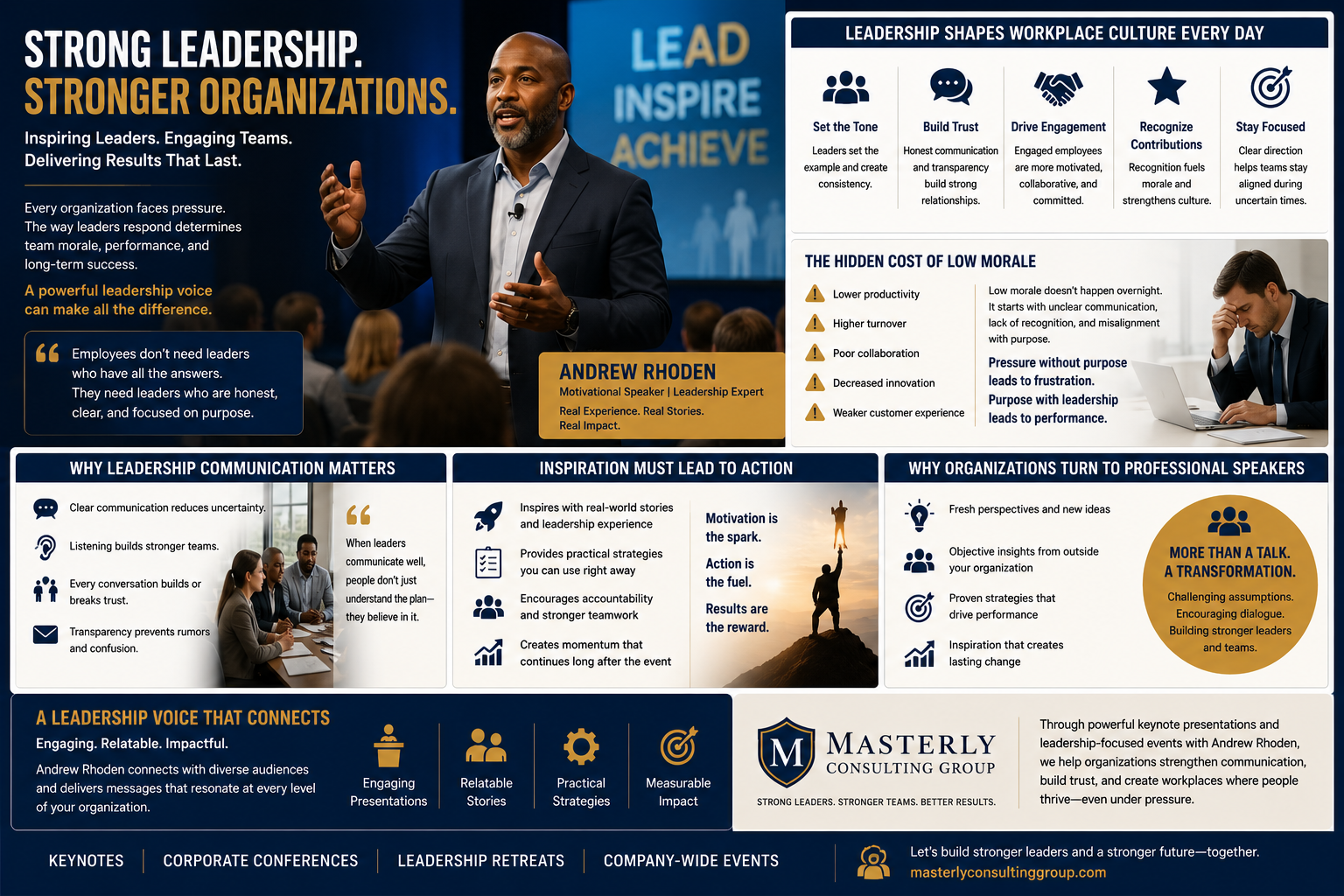
Leadership Shapes Workplace Culture Every Day
Culture is not created through mission statements alone. It develops through daily conversations, leadership decisions, and the example managers set for their teams. Employees pay close attention to how leaders respond during periods of uncertainty because those moments reveal organizational values more clearly than any written policy.
Strong leadership creates consistency even during challenging times. When employees understand expectations and trust the people guiding them, they are more likely to remain engaged, collaborate effectively, and support organizational goals despite changing circumstances.
Employees Follow Actions More Than Words
One of the greatest challenges facing modern leaders is maintaining credibility. Teams notice whether promises are fulfilled, whether communication remains transparent, and whether managers demonstrate the same standards they expect from others.
Effective leaders consistently:
- Communicate with honesty.
- Listen before making decisions.
- Encourage collaboration.
- Recognize employee contributions.
- Maintain focus during periods of uncertainty.
These habits strengthen relationships while helping organizations build lasting trust.
The Hidden Cost of Low Morale
Declining morale rarely appears overnight. More often, it develops gradually as communication weakens, recognition becomes inconsistent, and employees begin feeling disconnected from the organization's purpose. What starts as frustration can eventually affect productivity, retention, innovation, and customer service.
Low morale also influences how people interact with one another. Collaboration decreases, misunderstandings become more common, and individuals often withdraw from conversations that once generated creative ideas. Organizations that recognize these warning signs early are better positioned to restore momentum before larger problems emerge.
Pressure Without Purpose Creates Burnout
Pressure alone is not always harmful. Many successful organizations perform well under demanding conditions because employees understand the mission behind their work. Problems arise when high expectations are combined with unclear direction or limited communication.
A trusted speaker who understands organizational dynamics can help leaders recognize these patterns while offering practical strategies for rebuilding confidence across every level of the company.
Why Leadership Communication Matters More Than Ever
Today's workforce expects more than instructions. Employees want leaders who communicate openly, explain decisions, and demonstrate empathy during periods of change. This requires clear communication that connects organizational objectives with individual responsibilities.
When leaders fail to communicate effectively, uncertainty often fills the gap. Rumors spread, confidence declines, and employees begin creating their own assumptions about the future. Over time, these misunderstandings can become far more damaging than the original challenge itself.
Every Conversation Shapes Organizational Trust
Leadership communication extends far beyond formal presentations. Everyday conversations, team meetings, emails, and one-on-one discussions all contribute to employee confidence.
Organizations that prioritize thoughtful communication often experience stronger:
- Employee engagement
- Team collaboration
- Decision-making
- Accountability
- Workplace relationships
These improvements support both short-term performance and long-term organizational success.
Inspiration Must Lead to Action
Many presentations create temporary excitement but fail to produce lasting change. The most effective motivational speaking focuses on practical action rather than emotional enthusiasm alone. Employees leave feeling energized because they understand exactly how to apply what they have learned when they return to work.
Andrew Rhoden approaches every event with this philosophy. Rather than relying solely on inspirational language, he combines real-world leadership experience with actionable strategies that help organizations strengthen communication, improve accountability, and develop resilient teams capable of succeeding under pressure.
A Leadership Voice That Connects
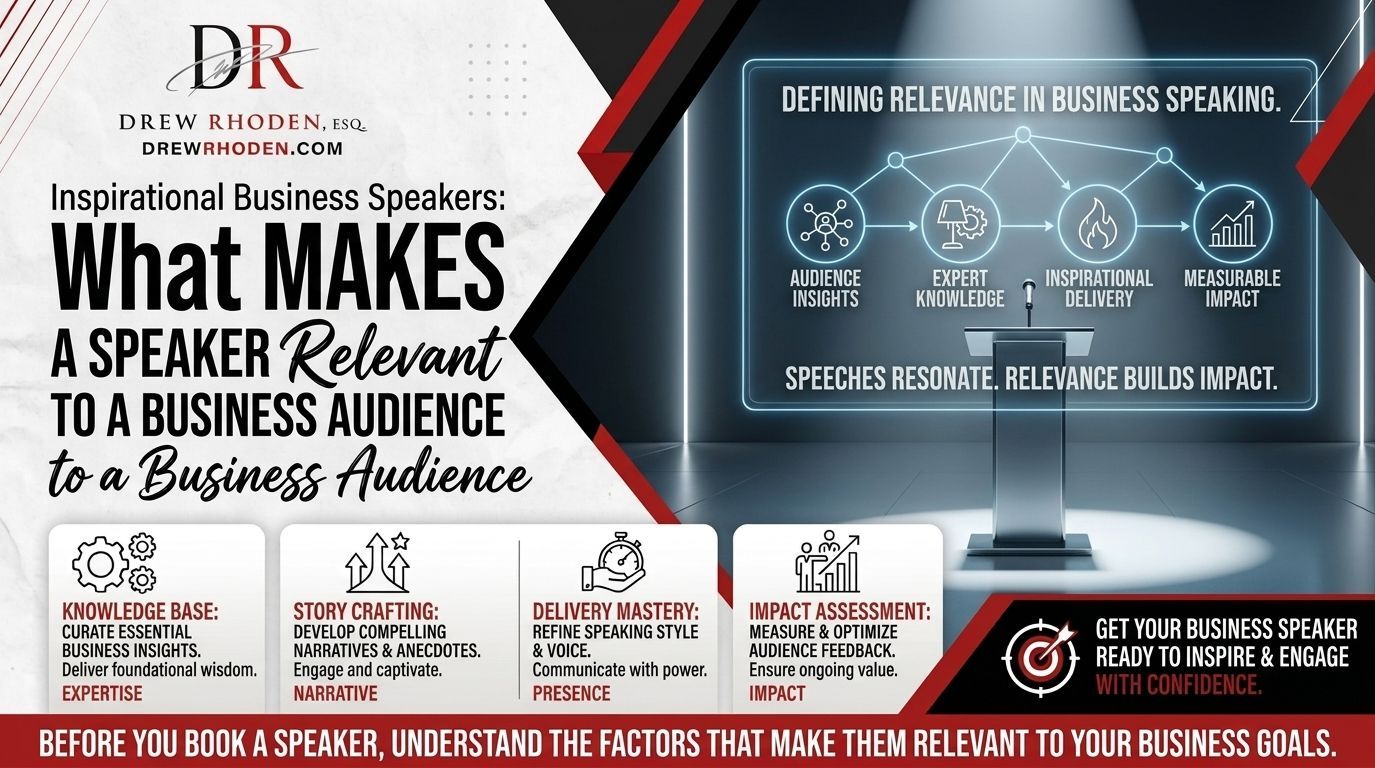
Organizations searching for the perfect speaker often discover that technical expertise alone is not enough. The most meaningful presentations connect with diverse audiences, recognizing that every organization includes individuals with different experiences, responsibilities, and perspectives.
Andrew Rhoden's presentations are designed to inspire attendees while addressing practical leadership challenges faced by businesses today. His ability to communicate across varying audience demographics helps ensure every participant leaves with valuable insights that can be applied immediately.
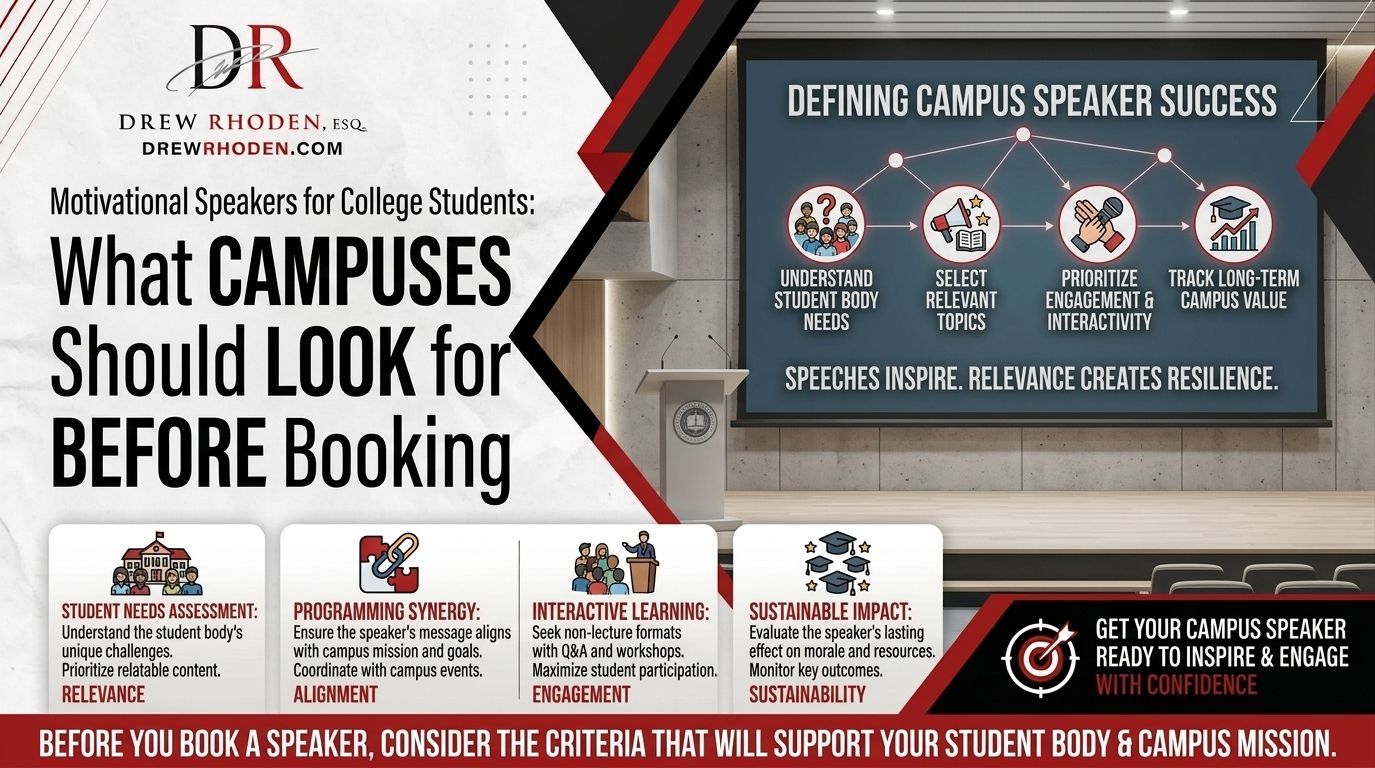
Why Organizations Turn to Professional Motivational Speakers
Business leaders increasingly recognize that outside perspectives can help organizations overcome internal challenges. Experienced professional motivational speaker professionals bring fresh ideas, objective observations, and proven leadership strategies developed through years of working with companies across different industries.
The best presentations do more than motivate. They challenge assumptions, encourage meaningful conversations, and inspire teams to think differently about collaboration, accountability, and performance. This combination of inspiration and practical guidance creates momentum that extends well beyond the conference room.
At Masterly Consulting Group, we understand the lasting value of investing in leadership development. Through engaging keynote presentations and leadership-focused events featuring Andrew Rhoden, organizations gain practical tools that strengthen communication, build trust, and create workplaces where employees remain motivated even during periods of significant pressure.
Why Andrew Rhoden Connects With Modern Organizations
Every organization has its own challenges, but one need remains consistent across industries: authentic leadership. Andrew Rhoden has built his reputation by speaking from experience rather than theory, helping organizations navigate pressure, uncertainty, and change with practical strategies that leaders can apply immediately. His presentations resonate because they focus on real workplace situations instead of generic motivational messages.
Unlike presentations that rely solely on inspiration, Andrew encourages audiences to take meaningful action. His ability to blend personal experiences with leadership principles creates a stronger emotional connection while helping attendees understand how small changes in communication and decision-making can produce significant long-term results.
Experience Creates Credibility
Audiences often respond most strongly to speakers who have overcome meaningful challenges themselves. Andrew Rhoden shares lessons rooted in resilience, leadership, and overcoming adversity, making his message relatable across industries and organizational levels.
His background allows him to connect with executives, managers, entrepreneurs, and frontline employees alike. Rather than delivering abstract concepts, he provides practical guidance that organizations can immediately begin applying within their own teams.
Learning From the World's Most Influential Leadership Voices
Many organizations are familiar with respected thought leaders such as Simon Sinek, John Maxwell, Brené Brown, Tony Robbins, Eric Thomas, and Les Brown. Each has helped shape conversations around leadership, purpose, communication, and personal growth through influential books, seminars, and keynote presentations.
Andrew Rhoden shares the same commitment to helping people reach their potential while offering a perspective shaped by his own professional experiences. Instead of imitating well-known speakers, he focuses on delivering practical leadership lessons tailored to today's workplace challenges.
Every Leader Develops a Unique Voice
The strongest leadership messages are authentic rather than rehearsed. Employees quickly recognize when communication feels genuine, and they respond more positively to leaders who speak with honesty and consistency.
Andrew's presentations encourage leaders to discover their own voice rather than simply copying the communication style of others. This authenticity helps build stronger relationships throughout the organization.
Leadership Development Requires More Than Inspiration
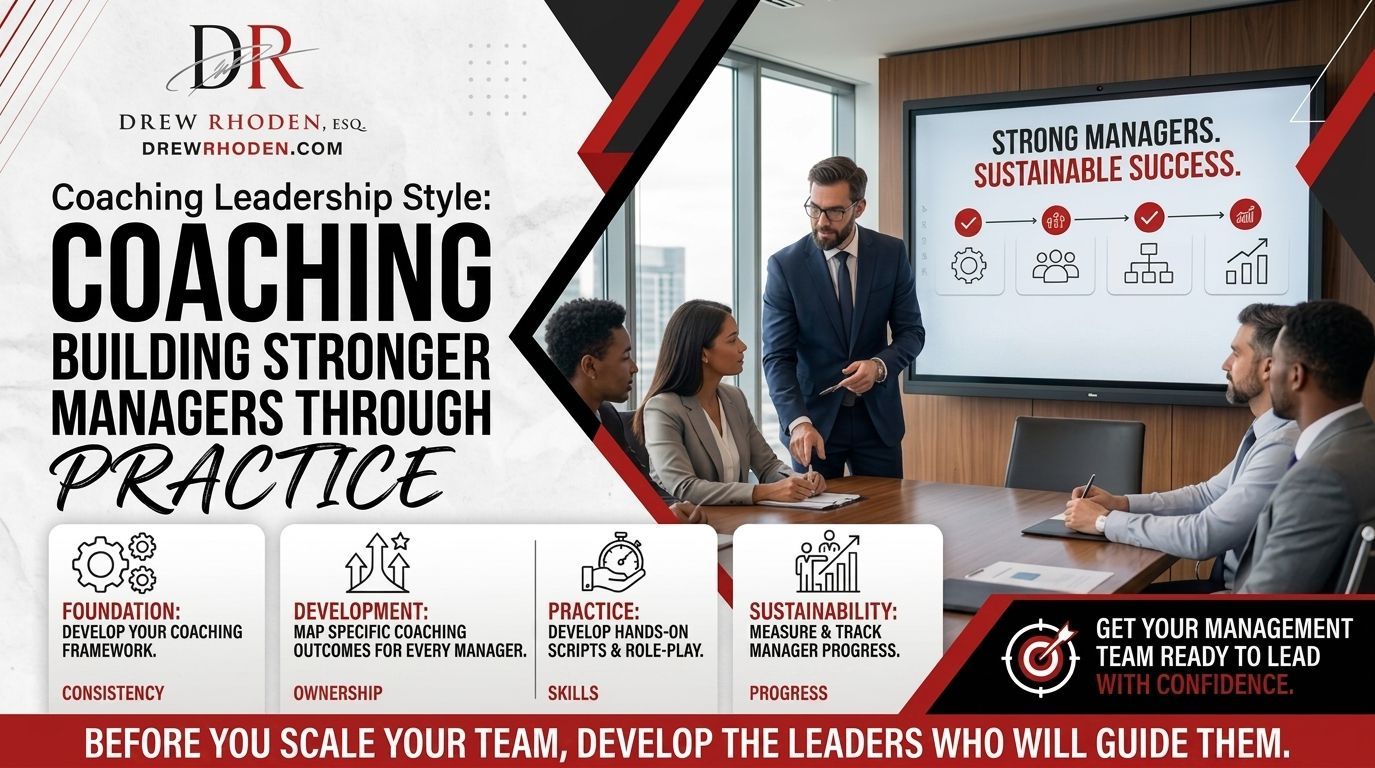
Sustainable organizational growth depends on continuous learning. While keynote presentations create excitement, lasting improvement often comes through ongoing executive coaching, leadership workshops, and practical development programs.
Organizations that invest in leadership development strengthen communication, improve decision-making, and create environments where employees feel supported. These initiatives also help managers navigate difficult conversations with greater confidence and professionalism.
Corporate Training Creates Lasting Change
As a respected corporate trainer, Andrew Rhoden works with organizations to reinforce leadership principles long after the keynote presentation has ended. Through interactive discussions and leadership development sessions, participants gain practical tools that strengthen collaboration and accountability.
Rather than focusing solely on motivation, these sessions help leaders build habits that improve workplace performance over time.
Employee Engagement Begins With Leadership
Employees are naturally more engaged when they understand how their work contributes to organizational success. Strong leaders communicate purpose, recognize achievements, and encourage meaningful participation throughout the organization.
Improving employee engagement does not always require dramatic organizational changes. Often, consistent communication, thoughtful recognition, and opportunities for professional growth create measurable improvements in morale and productivity.
Creating a Lasting Impact Beyond the Event
A successful conference, leadership retreat, or corporate seminar should continue influencing employees long after the final session ends. The goal is not temporary excitement but sustainable improvement in communication, collaboration, and workplace culture.
Andrew Rhoden focuses on creating a lasting impact by providing audiences with practical strategies they can implement immediately. Organizations frequently report stronger teamwork, improved communication, and renewed confidence after applying these leadership principles.
Speaking to Diverse Audiences With Purpose
Modern organizations include employees from a wide range of professional backgrounds, experiences, and perspectives. Effective presentations recognize these differences while delivering messages that resonate across the entire audience.
Andrew's presentations are designed to connect with diverse audiences, ensuring every participant feels included regardless of their role within the organization. His emphasis on respect, accountability, and shared purpose helps create stronger workplace relationships while encouraging meaningful collaboration.
Matching the Message to the Event
Every successful keynote begins by understanding the event's theme, organizational goals, and audience expectations. Whether speaking at a leadership summit, annual meeting, or trade show, Andrew tailors each presentation to address the unique challenges facing that organization.
This personalized approach helps attendees see immediate relevance, making it easier to apply new ideas once they return to work.
Leadership Is a Skill That Continues to Grow
No leader reaches a point where growth is complete. Every new challenge presents another opportunity to strengthen communication, improve decision-making, and inspire others through consistent action.
At Masterly Consulting Group, we believe organizations achieve lasting success by investing in leadership development before problems begin affecting morale and performance. Through Andrew Rhoden's engaging presentations, companies gain practical strategies that strengthen leadership at every level while helping employees navigate pressure with greater confidence and purpose.
Leadership Lessons That Reach Beyond the Workplace
Great leadership does not end when the workday is over. The principles that help managers build stronger teams also influence families, communities, and personal growth. Leaders who practice empathy, accountability, and resilience often become positive influences in every area of life, demonstrating that leadership is a daily responsibility rather than a professional title.
Andrew Rhoden encourages audiences to view leadership as an ongoing journey. Whether someone is leading a department, mentoring a colleague, or supporting a toddler son at home, the ability to communicate with patience and purpose creates stronger relationships built on trust.
Growth Requires Continuous Learning
Many respected leadership experts continue learning throughout their careers. Some become a co founder of successful organizations, others become a social entrepreneur, and many dedicate themselves to mentoring future leaders. Their willingness to keep learning reminds audiences that personal development is never complete.
Andrew's presentations reinforce this mindset by encouraging participants to remain curious, seek feedback, and continue developing their leadership abilities long after the event concludes.
Inspiration Comes From Many Walks of Life
Leadership wisdom is found in many professions. Some influential voices began as military leaders, educators, coaches, broadcasters, or business executives before stepping onto the speaking stage. Their diverse experiences allow audiences to see challenges from new perspectives and recognize opportunities they may have previously overlooked.
For example, individuals with backgrounds in the United States Air Force, competitive athletics, entrepreneurship, or media often bring unique insights into resilience, teamwork, and decision-making. These experiences demonstrate that strong leadership principles remain effective across industries.
Diverse Experiences Create Stronger Perspectives
Organizations benefit when employees hear from speakers who bring diverse perspectives to leadership discussions. Exposure to different experiences encourages innovation while helping teams become more adaptable during periods of change.
Andrew Rhoden's practical approach allows audiences to connect leadership principles with their own professional experiences, making each lesson more relevant and easier to apply.
Why the Right Speaker Matters
Selecting the right keynote speaker is about much more than filling a place on an agenda. The right presenter should understand the organization's goals, the event's theme, and the challenges facing attendees. A thoughtful presentation creates meaningful conversations that continue well after the conference has ended.
Organizations often evaluate audience demographics, company objectives, and desired outcomes before selecting among the top motivational speakers available today. Choosing someone whose message aligns with organizational values helps maximize the impact of the event.
Creating a Memorable Experience
Successful events share several characteristics:
- They encourage participants to speak openly about challenges.
- They help attendees connect with practical leadership ideas.
- They inspire individuals to create positive change.
- They leave audiences with actionable strategies instead of temporary excitement.
- They strengthen collaboration among leaders and team members.
These qualities help transform a presentation into an experience that continues influencing workplace culture.
Leadership Is Measured by Lasting Influence
The true measure of a leader is not the applause received after a presentation but the positive changes that follow. Great leadership encourages people to communicate more effectively, solve problems with confidence, and support one another during difficult moments.
Andrew Rhoden's presentations are designed to produce that kind of long-term influence. His practical stories, authentic communication, and leadership insights help organizations strengthen culture while empowering employees to approach challenges with renewed confidence.
Building Momentum That Lasts
Organizations do not improve because of a single inspirational moment. Lasting progress comes from leaders who consistently reinforce positive behaviors, encourage accountability, and recognize opportunities for growth.
Andrew challenges audiences to carry the momentum from the event back into their daily work, ensuring that inspiration becomes measurable action rather than a short-lived feeling.
The Power of Authentic Leadership Messages That Stay With an Audience
The most memorable leadership presentations are about much more than delivering inspiring speeches. They create a lasting impression because they combine practical experience with an authentic powerful message that audiences can apply immediately. While most people recognize influential names such as Oprah Winfrey, whose work has been featured in the The New York Times and Ebony Magazine, or leadership experts who are celebrated as a bestselling author or best selling author with several books, lasting influence ultimately comes from genuine connection rather than celebrity status.
Andrew Rhoden brings that same authentic approach to every event, helping leaders break free from ineffective communication habits while inspiring renewed confidence and hope for the future. His presentations blend leadership principles, self help concepts, lessons drawn from personal finance, teamwork, and even examples from athletic development, showing that growth happens in every area of life.
Whether speaking to executives, managers, or entrepreneurs,
Andrew delivers practical strategies that strengthen brand strategy, empower a chief executive officer, and help organizations build stronger cultures. Like a skilled seminar leader, engaging host, or respected radio DJ, he understands how to capture attention, sustain energy, and channel that power into meaningful action. His commitment to service and leadership has earned recognition from organizations ranging from top brands to community initiatives, including appearances connected with the Ohio House, while his relatable storytelling echoes the encouragement found in classics such as Chicken Soup. Every presentation is designed to help leaders return to their organizations with fresh ideas, greater confidence, and a clear commitment to leading with purpose.
Why the Right Keynote Speaker Can Transform an Entire Event
Selecting the right keynote speaker is one of the most important decisions an organization can make when planning a leadership conference or company event. The best motivational speakers do more than entertain an audience—they inspire meaningful conversations, challenge outdated thinking, and provide practical strategies that people can apply long after the presentation ends. Andrew Rhoden's approach to motivational speaking combines authentic storytelling, leadership experience, and actionable insights that help organizations strengthen communication, improve morale, and develop confident leaders. Rather than delivering temporary inspiration, he equips audiences with the mindset and tools needed to create lasting change, making every presentation a valuable investment in both individual growth and organizational success.
Partner With Andrew Rhoden for Your Next Leadership Event
Finding a presenter who can genuinely connect with employees, executives, and emerging leaders is one of the most valuable investments an organization can make. Andrew Rhoden is more than just one of today's respected motivational speakers—he is a leadership communicator who combines real-world experience with practical strategies that help organizations overcome pressure, improve morale, and build stronger teams.
Recognized among today's inspiring black motivational speakers and black male motivational speakers, Andrew's presentations resonate with organizations seeking authentic leadership development. Like the best motivational speakers, he focuses on equipping audiences with practical tools rather than temporary inspiration. His engaging style allows him to encourage people, inspire attendees, and leave a lasting impact that extends well beyond the final session.
Whether you're planning a leadership summit, executive retreat, company meeting, or industry conference, Andrew Rhoden delivers presentations designed to strengthen communication, increase motivation, and help organizations move forward with confidence. Contact us today at (888) 209-4055 to book your free consultation. We'll discuss your goals, recommend the right presentation for your audience, and help create an event that inspires meaningful leadership growth long after the final applause.
share this
Related Articles
Related Articles