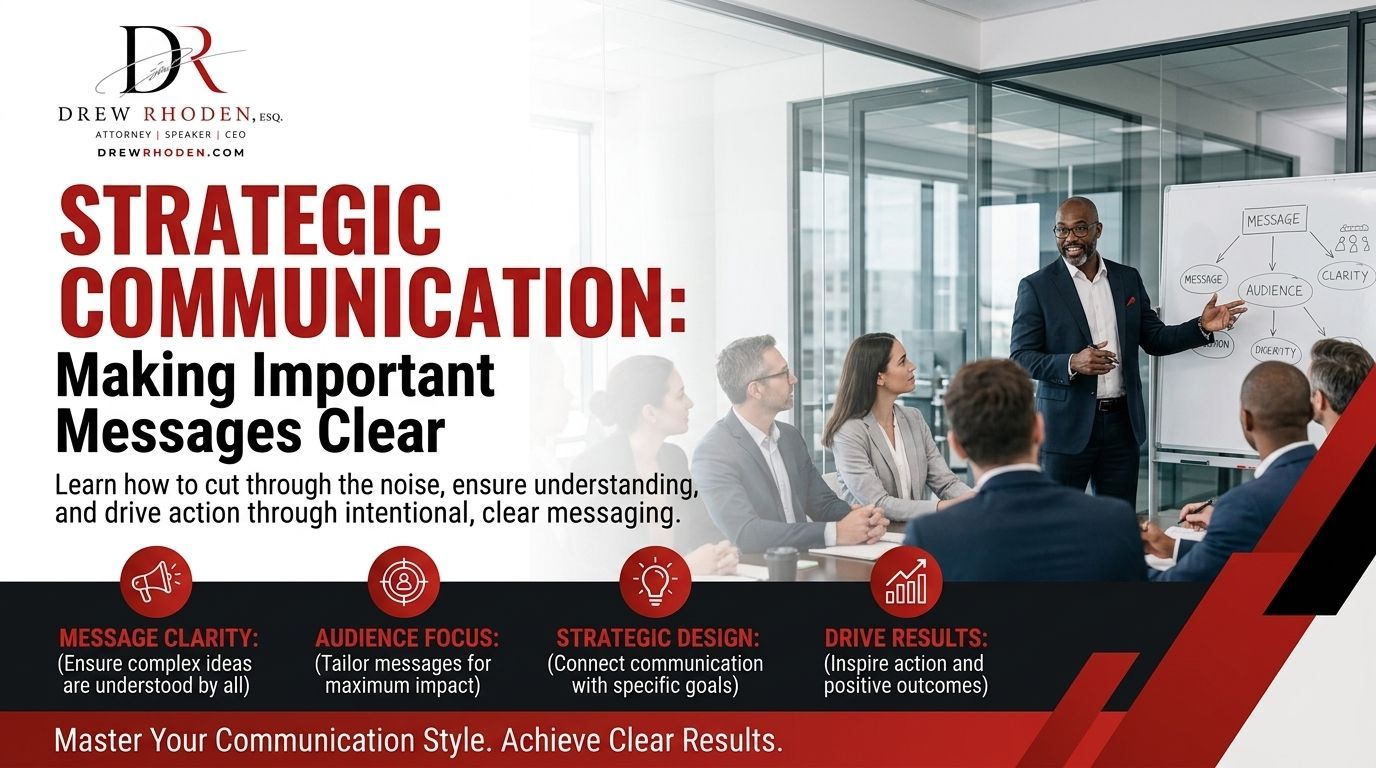





The Power of Words: How Keynote Speakers Influence and Inspire
What Is a Keynote Speaker?
- A keynote speaker is not just any speaker. They are chosen to set the tone for events and provide insightful, inspiring messages that align with the theme of the conference or meeting. Their speeches are designed to motivate and engage audiences, often leaving a lasting impact on attendees.
How to Find a Keynote Speaker
- Discover the best strategies for finding a keynote speaker who aligns with your event's theme and goals. This section covers the importance of utilizing speakers bureaus, conducting thorough research, and leveraging networks to find speakers who can deliver impactful messages.
What Makes a Good Keynote Speaker
- Good keynote speakers possess the ability to connect with their audience, deliver engaging and relevant content, and provide expert insights. Learn about the qualities to look for in a speaker to ensure they can deliver a memorable and influential speech.
What Makes a Great Keynote Speaker
- Beyond being good, great keynote speakers are those who leave an indelible mark on their audience. They are often thought leaders with deep knowledge in their field, capable of delivering presentations that not only inform but also inspire and provoke thought.
How to Book a Keynote Speaker
- Booking the right keynote speaker requires understanding your event's needs, audience, and objectives. This section provides a step-by-step guide on how to approach and secure a speaker, from initial contact to finalizing the agreement.
How to Choose a Keynote Speaker
- Choosing the right keynote speaker for your event involves several considerations, including expertise, style, audience demographics, and event objectives. Learn how to assess potential speakers to ensure they can meet and exceed your expectations.
The Role of a Keynote Speaker in Your Event
- A keynote speaker plays a crucial role in the success of an event. This section explores how keynote speakers can influence the tone, atmosphere, and overall perception of an event, making it a memorable experience for attendees.
Engaging Audiences: The Keynote Speaker's Art
- Engaging audiences is an art that keynote speakers must master. Discover the techniques and strategies that effective speakers use to captivate their listeners, from storytelling to interactive elements.
Finding the Best Keynote Speaker for Your Conference
- Finding the best keynote speaker for your conference involves understanding the event's theme, audience expectations, and what message you want to convey. Tips and strategies for identifying speakers who can deliver keynote speeches that resonate and engage.
Promoting Your Event with a Keynote Speaker
- A well-chosen keynote speaker can be a powerful promotional tool for your event. Learn how to leverage the speaker's reputation and expertise to attract attendees and generate buzz around your conference or corporate event.
Conclusion
Discover the transformative power of speech with our guide on "The Power of Words: How Keynote Speakers Influence and Inspire." Learn how to find the right motivational speaker for your event, engage world-class keynote speakers, and boost audience engagement. Whether you're organizing a corporate event, conference, or educational seminar, our insights will help you book the perfect speaker to set the tone, empower, and inspire your audience. Explore the role of a keynote speaker and the impact of their words on setting future trends and driving transformation.
Frequently Asked Questions (FAQ)
What qualities make a great keynote speaker?
 Button
A great keynote speaker possesses expertise in their topic, the ability to engage and inspire the audience, and the skill to deliver a compelling presentation. They should bring fresh insights, provoke thought, and align their message with the event's goals and audience expectations.
How do I find a keynote speaker for my event?
ButtonIdentify Your Event's Objectives and Audience: Understanding the theme, goals, and the demographic of your audience is crucial in selecting a keynote speaker who can deliver a message that resonates and engages.
Use Comprehensive Databases and Social Media: Browse through databases and social media platforms to find a list of keynote speakers with expertise in your event's theme. Look for speakers who are not only knowledgeable but also have the ability to attract and retain audience attention.
What should I consider when choosing a speaker for my corporate event?
ButtonWhen choosing a speaker for a corporate event, consider the speaker's relevance to your industry, their ability to deliver a message that resonates with corporate professionals, and their experience with similar events. The speaker's presentation style and ability to inspire and motivate the audience are also crucial.
How do I ensure the keynote speech aligns with my conference theme?
ButtonCollaborate with your chosen speaker to ensure their keynote speech aligns with your conference theme. Provide detailed information about the event's objectives, the audience's profile, and key messages you wish to convey. A thorough briefing allows the speaker to tailor their speech to your needs.
Can motivational speakers deliver presentations virtually?
ButtonYes, many motivational speakers are equipped to deliver engaging and impactful presentations virtually. When booking a speaker for a virtual event, inquire about their experience with online platforms and their setup to ensure the presentation's quality.
What are the latest trends in keynote topics?
The latest trends in keynote topics include innovation, technology advancements, future trends, leadership, sustainability, mental health, and diversity and inclusion. Choose a speaker who can offer insightful perspectives on these subjects to captivate your audience.
How do I find the best keynote speaker for a tech conference?
To find the best keynote speaker for a tech conference, look for experts who are at the forefront of technology and innovation. Research thought leaders, authors, and professionals who have made significant contributions to the tech industry. Speakers bureaus can also recommend speakers who specialize in tech topics.
What role does a keynote speaker play at an event?
A keynote speaker plays a crucial role at an event by setting the tone, delivering a message that encapsulates the event's theme, and energizing the audience. They are often the highlight of the event, providing inspiration and insights that attendees can apply in their personal and professional lives.
How do I promote my event using a keynote speaker?
Promote your event by highlighting the keynote speaker's credentials, achievements, and the unique perspectives they will bring to your event. Use the speaker's reputation and expertise to generate excitement and attract attendees. Share snippets of their previous talks or interviews to pique interest.
How do I contact a keynote speaker?
You can contact a keynote speaker directly through their website or social media platforms. Alternatively, speakers bureaus provide a direct line to a wide range of speakers, handling negotiations and logistics on your behalf.
What's the investment for hiring a keynote speaker?
The investment for hiring a keynote speaker varies widely based on their experience, reputation, and demand. Consider your budget, the value the speaker brings to your event, and the expected ROI. Remember, a compelling keynote can significantly enhance the event experience, making it a worthwhile investment.
How can I find a speaker that matches the specific topic of my event?
ButtonTo find a speaker that matches your event's specific topic, use a speakers bureau's search function to filter speakers by expertise, topic, or industry. Alternatively, conduct targeted research to identify thought leaders and experts in the specific field of interest.
What's the best way to ensure a speaker's message resonates with my audience?
ButtonThe best way to ensure a speaker's message resonates with your audience is by clearly communicating your event's objectives, audience demographics, and desired outcomes to the speaker. This allows the speaker to tailor their message and presentation style to meet your audience's needs and expectations.
share this
Related Articles
Related Articles