

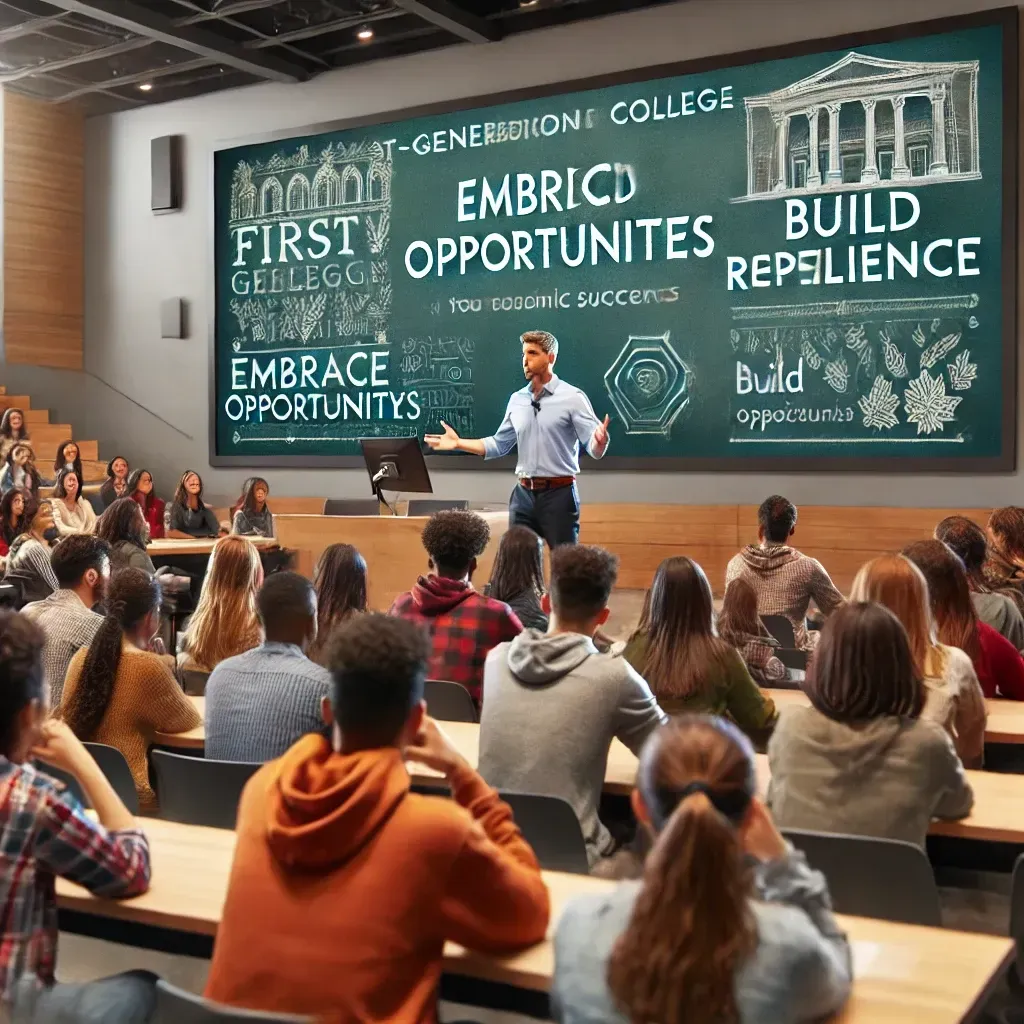


Motivating the Next Generation of Leaders: Why Universities Need Motivational Speakers
Universities play a critical role in shaping the future leaders of our world. Students are at a pivotal point in their lives, exploring their potential, developing new skills, and preparing for future careers. One of the most effective ways to inspire and motivate these young minds is through motivational speakers. By bringing in motivational keynote speakers, universities can help students discover their leadership potential, overcome obstacles, and make a lasting positive impact on their communities and the world.
This article explores how motivational speakers can encourage leadership development, why universities should invest in motivational speaking, and the benefits of providing students with access to motivational speakers who inspire growth, determination, and success.
The Role of Motivational Speakers in Leadership Development
Motivational speakers can help students recognize the importance of leadership in their personal and professional lives. By sharing personal stories of overcoming challenges and achieving success, these speakers provide real-life examples of resilience, perseverance, and vision. This type of motivational speaking fosters a mindset that encourages students to strive for excellence and to lead with purpose.
What Is Motivational Speaking?
Motivational speaking is the art of delivering speeches that inspire and motivate an audience to take action or change their perspective. It often involves storytelling, practical advice, and encouragement that help people overcome adversity and unlock their potential. A motivational speaker for students can provide valuable lessons that shape how students approach leadership and personal growth.
Why Leadership Development Matters
Leadership skills are not only critical in professional environments but also in personal endeavors. Motivating students to embrace leadership roles empowers them to drive change and make meaningful contributions to their communities and workplaces. Motivational speakers help students:
- Build confidence in their leadership abilities.
- Overcome self-doubt and fear of failure.
- Develop strong communication and decision-making skills.
- Embrace challenges as opportunities for growth.
How Motivational Speakers Inspire Students to Overcome Adversity
Many students face personal, academic, or financial challenges during their time at university. Bringing in a motivational speaker who has successfully overcome adversity can show students that their struggles do not define them. Instead, these challenges can become stepping stones toward success. Hearing from a speaker who has triumphed over similar difficulties can be both encouraging and inspiring for students.

The Power of Personal Stories
A motivational keynote speaker who shares a compelling personal story can make a lasting impact on students. These stories often involve overcoming obstacles, persevering through tough times, and ultimately achieving success. Motivational speakers show students that while adversity is inevitable, it is also conquerable. This message is crucial for students who may be facing academic pressure or personal setbacks.
Examples of adversity-focused motivational speaking:
- Black motivational speaker YouTube channels often showcase individuals who have overcome societal barriers and are now inspiring others.
- Motivational speaker for students who have risen above difficult circumstances can provide a much-needed boost of optimism and determination.
The Role of Motivational Speakers in Inspiring Future Business Leaders
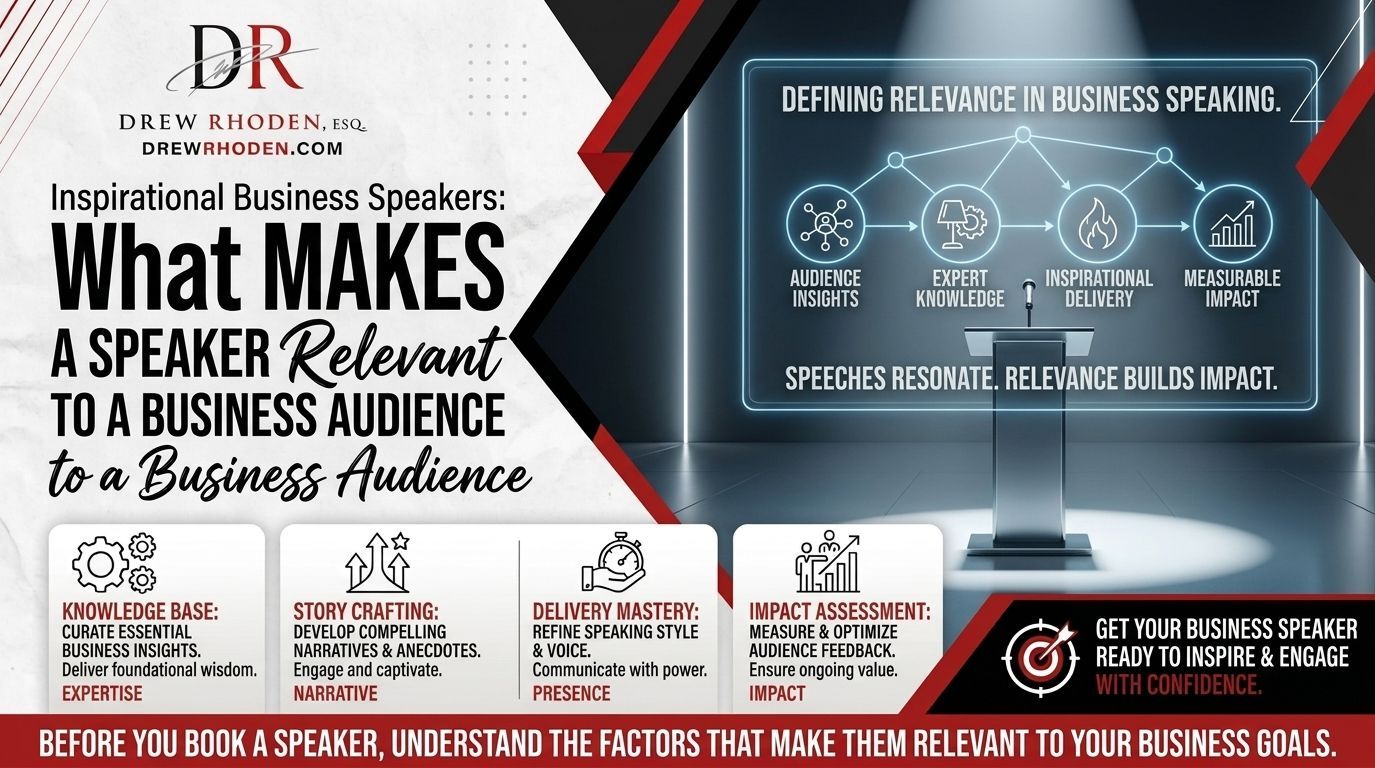
For students pursuing careers in business, entrepreneurship, or leadership roles, hearing from a motivational business speaker can provide actionable insights on how to succeed in the competitive world of business. These speakers often highlight the importance of innovation, resilience, and adaptability—key traits that every future leader needs to cultivate.
Why Universities Should Hire Motivational Business Speakers
Universities that offer business programs should consider investing in motivational business speakers to inspire the next generation of entrepreneurs and business leaders. A motivational speaker who has experienced the highs and lows of the business world can provide students with the tools and mindset they need to succeed.
Key benefits of hosting business-focused motivational speakers:
- Sharing insights on overcoming challenges in business.
- Offering guidance on leadership and decision-making in high-pressure environments.
- Encouraging innovation, entrepreneurship, and creative thinking.
Enhancing Student Engagement Through Motivational Speaking
Inspiring students to stay engaged with their education and personal development is crucial for universities. Motivational speakers are a powerful tool in driving student engagement by fostering a sense of purpose and motivation.
Motivational Speaker for Students: A Catalyst for Change
A motivational speaker for students can spark a sense of urgency in them, encouraging them to take ownership of their education and future. Speakers can inspire students to:
- Set clear goals and create a plan to achieve them.
- Stay focused and motivated, even in the face of setbacks.
- Engage more actively in academic and extracurricular activities.
Using Social Media to Reach and Inspire Students
In today’s digital world, platforms like YouTube and Instagram have become valuable tools for motivational speakers to reach wider audiences. Universities can collaborate with speakers who have a strong presence on motivational speaker Instagram or YouTube motivational speaker channels to further engage students outside of the traditional lecture hall.
Building Confidence and Encouraging Leadership in Diverse Student Populations
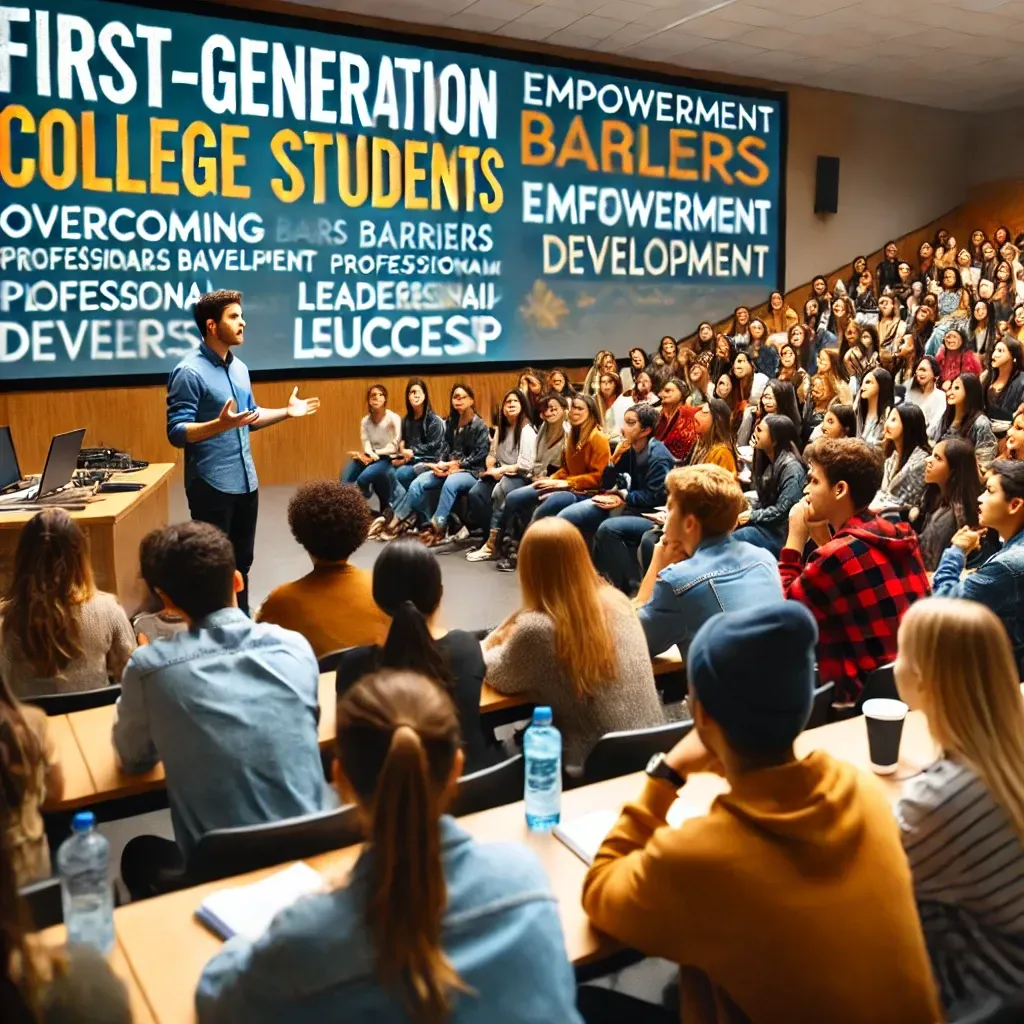
Universities are becoming more diverse, with students from different backgrounds, cultures, and experiences. Motivational speakers play a crucial role in fostering an inclusive environment by encouraging students from all walks of life to embrace leadership roles and pursue their dreams.
The Impact of Inspirational Speakers on Underrepresented Groups
Many students from underrepresented groups may feel isolated or unsure of their ability to succeed in leadership roles. A motivational speaker who shares a similar background can inspire these students to believe in their potential. For example, a black motivational speaker YouTube channel may feature speakers who have broken barriers and are now sharing their journey to success.
Examples of impactful speakers:
- Black female combat pilot motivational speaker who shares her story of overcoming gender and racial barriers in the military.
- A top motivational speaker who discusses how to overcome adversity and rise above societal expectations.
Why Universities Should Book Motivational Keynote Speakers
Hiring motivational keynote speakers for university events, seminars, or leadership conferences can have a profound impact on students. These speakers are experts in motivating large audiences and can effectively inspire students to pursue leadership roles and make positive changes in their communities.
How to Book a Motivational Speaker
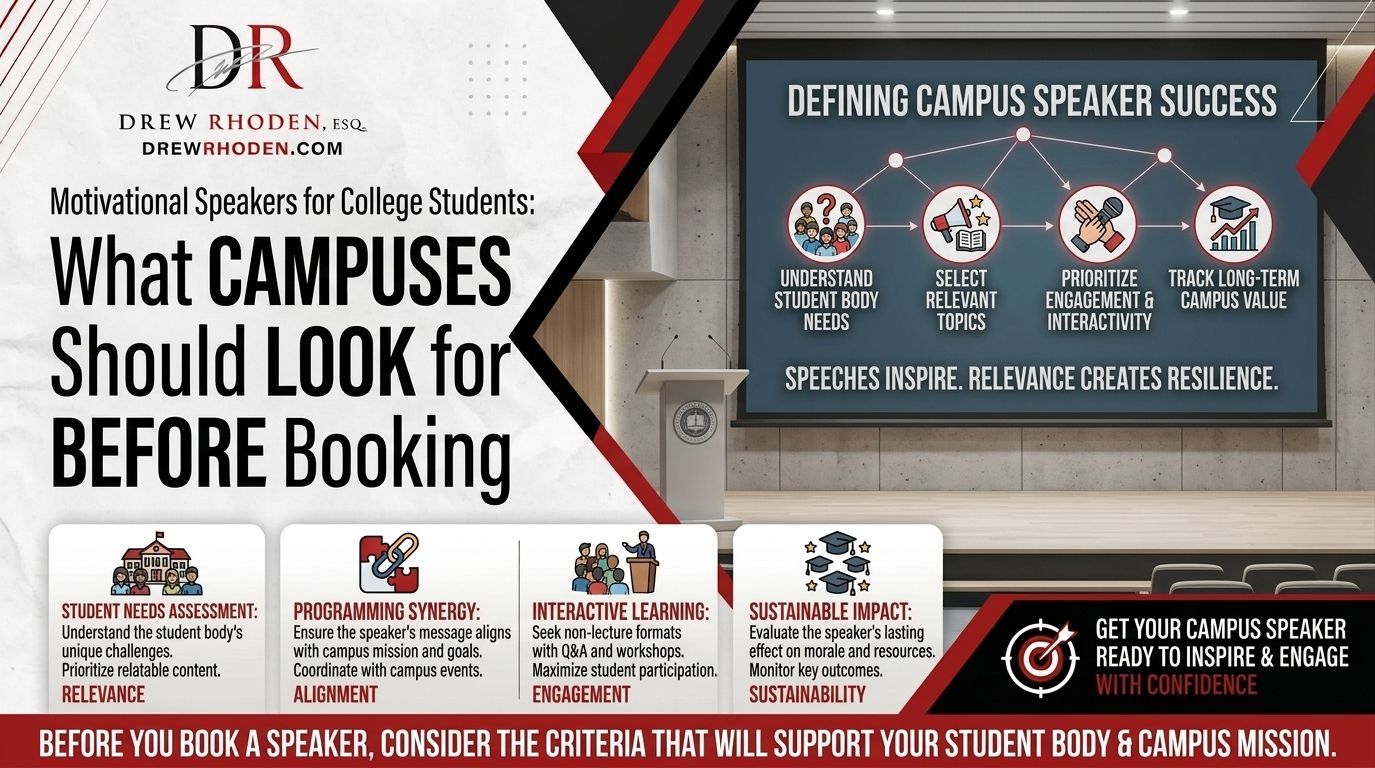
When universities book a motivational speaker, it’s important to find someone who aligns with the institution’s goals and resonates with the student body. Whether the goal is to inspire future business leaders, athletes, or change-makers, selecting the right speaker can make all the difference.
Here are some tips for universities looking to hire a motivational speaker:
- Identify the specific message or theme you want the speaker to focus on (e.g., leadership, overcoming adversity, entrepreneurship).
- Consider speakers with a strong social media presence, such as YouTube black motivational speakers, to engage students in and outside of the event.
- Choose speakers who have experience with university audiences and can tailor their message to the needs of students.
The Role of Motivational Speakers in Professional Development
In addition to inspiring students, motivational speakers can also play a key role in professional development for university faculty and staff. By bringing in a professional speaker who specializes in leadership development or personal growth, universities can invest in their employees’ success and foster a positive campus culture.
Motivational Speaking for Faculty and Staff
Motivational speaking is not just for students—university staff can also benefit from the insights and inspiration provided by a motivational speaker. Hosting motivational speaker Dallas TX events for faculty and staff can improve employee morale, encourage teamwork, and promote a culture of continuous learning and growth.
How Motivational Speakers Help Universities Achieve Their Goals
Universities have a responsibility to prepare students for leadership roles in an increasingly complex world. By hosting motivational speakers, universities can inspire students to step into leadership positions, build confidence, and develop the skills needed to lead effectively.
The Long-Term Benefits of Motivational Speaking
Investing in motivational speakers has long-term benefits for both students and universities. Students who are motivated and inspired are more likely to succeed academically, become engaged alumni, and serve as positive representatives of their institutions.
Key outcomes of hosting motivational speakers:
- Increased student engagement and participation in leadership programs.
- Improved student confidence and self-efficacy.
- Stronger university culture that promotes personal and academic growth.
Partnering with the National Speakers Association for Top Motivational Speakers
Universities and institutions looking to inspire their students can benefit from collaborating with organizations like the National Speakers Association and the BigSpeak Motivational Speakers Bureau. These organizations are known for connecting clients with some of the top motivational speakers, ranging from business success experts to renowned figures in personal finance. Whether you're looking to bring in a life coach to help students develop leadership skills or a thought leader to motivate future entrepreneurs, partnering with these speaker associations guarantees access to the best talent in the industry.
By working with established organizations like the National Speakers Association, universities can bring popular motivational speakers—such as Tony Robbins, a New York Times bestselling author, or experts in self-help books like Suze Orman—to inspire students to achieve success. This strategic approach ensures that universities motivate their student body and help cultivate future leaders through impactful motivational speaking engagements.
Learning from the World's Leading Experts and Inspirational Figures
Bringing in a founder and CEO or a co-founder who has built successful companies can provide students with valuable insights into leadership and entrepreneurship. Universities can host events featuring some of the world's leading experts in business and personal development, such as Robert Kiyosaki of the Rich Dad Company or motivational giants like Tony Robbins, author of Awaken the Giant Within.
These speakers often include well-known figures like Suze Orman, founder of the Suze Orman Financial Group, or notable personalities from platforms like the Oprah Winfrey Network. Their stories of overcoming adversity, building enterprises, and adhering to the success principles they’ve learned along the way offer students inspiration for their own careers. Whether it's a television personality, radio personality, or an expert from Success Magazine, these speakers help foster growth, confidence, and leadership in today’s aspiring professionals.
Conclusion
Hosting motivational speakers is an essential strategy for universities seeking to inspire the next generation of leaders. Whether it’s motivating students to take on leadership roles, guiding them through personal challenges, or encouraging them to pursue success in business or their communities, motivational keynote speakers play a critical role in shaping student growth and leadership development. By investing in motivational speaking programs, universities can foster a campus culture that promotes resilience, innovation, and a commitment to making a positive impact in the world.
Contact Us to Book a Motivational Speaker for Your University
We specialize in connecting universities with the best motivational speakers to inspire students and foster leadership development. Whether you’re looking for a motivational business speaker, an inspirational speaker for students, or a motivational keynote speaker for a large event, we can help you find the right fit for your institution.
We’re here to answer any questions and help you book a motivational speaker who can inspire the next generation of leaders at your university.
Let us help you create an event that will leave a lasting impact on your students and campus community.
share this
Related Articles
Related Articles