


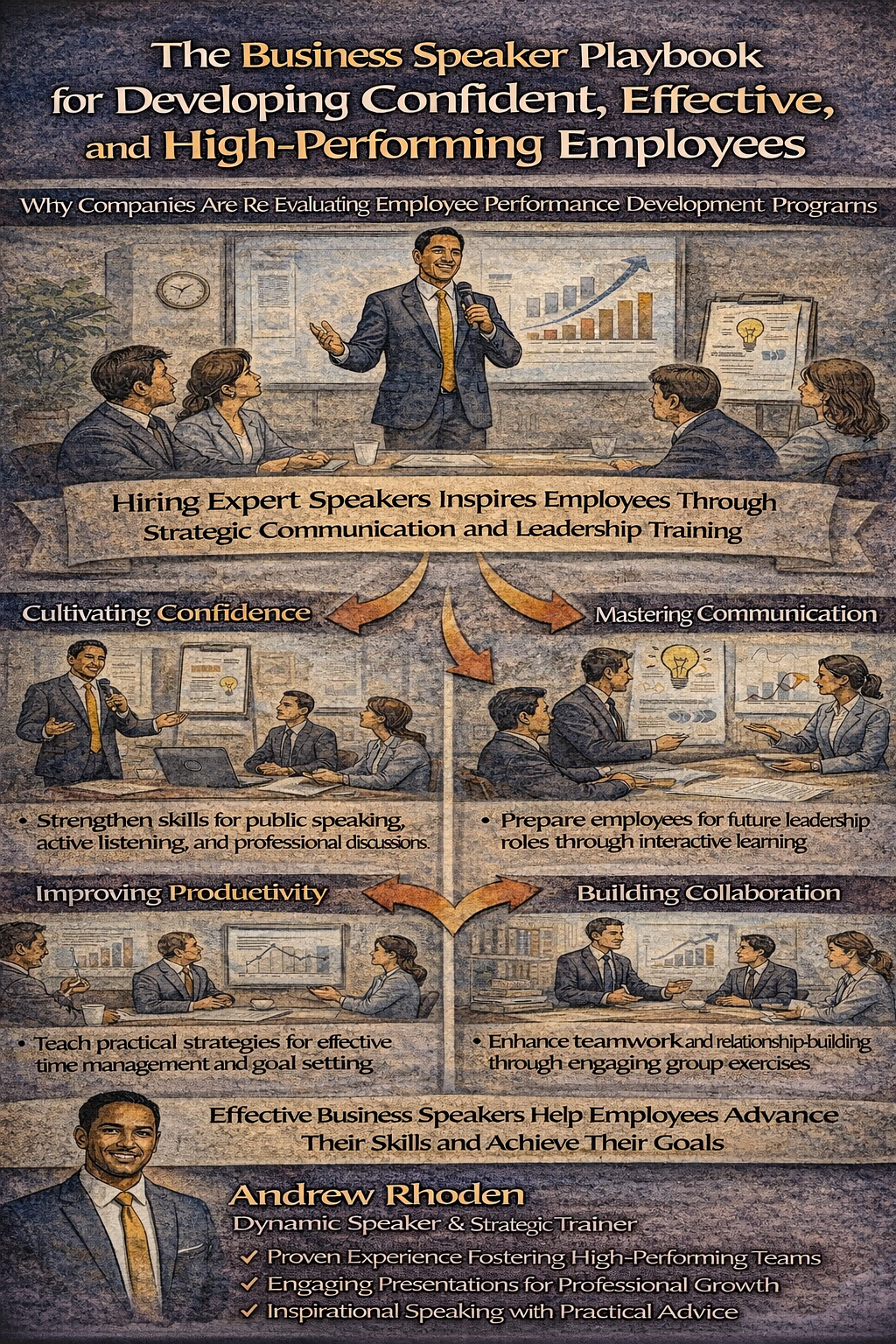
The Business Speaker Playbook for Developing Confident, Effective, and High-Performing Employees
Why Companies Are Re-Evaluating Employee Performance Development
Organizations across the business world are realizing that their greatest competitive advantage is not just technology or capital—it is people. In today’s evolving industry, companies need employees who can communicate clearly, think strategically, and collaborate effectively with colleagues and customers. Without strong internal communication skills, even talented teams struggle to deliver results. Leaders are increasingly recognizing that investing in communication and leadership training can dramatically boost productivity.
Many organizations are now turning to experienced professional speakers who specialize in corporate development. A skilled business speaker can transform an ordinary training event into a powerful learning experience. These sessions encourage employees to improve communication, strengthen leadership, and become more confident contributors in the workplace. When employees develop these abilities, the entire company benefits.
The Hidden Cost of Poor Communication in the Workplace
Why Communication Gaps Hurt Business Growth
Many employees perform technical tasks well but struggle with communication and professional interaction. Misunderstandings during a meeting, unclear expectations, or ineffective talking points can slow down projects and damage internal collaboration. In fast-moving industries, even small communication gaps can create major business problems.
Strong communication skills are especially important when employees interact with customers. A confident professional who can describe ideas clearly and engage in productive conversation builds trust quickly. When employees lack these skills, opportunities may be lost before they even begin.
Organizations that invest in professional speaking and leadership training often see improvements in several areas:
- Clearer internal discussions and project coordination
- Better relationships with customers and partners
- Stronger sales communication and negotiations
- Improved productivity across departments
These benefits make communication training one of the most valuable investments a company can make.
The Role of a Business Speaker in Employee Development
A dynamic speaker brings energy, expertise, and real-world perspective to employee development programs. Unlike traditional lectures, a professional business speaker engages audiences through interactive presentations, stories, and practical exercises. This style encourages employees to participate actively and apply new ideas immediately.
Employees often discover that their communication habits have a major impact on their professional career. A confident speaker teaches participants how to manage conversations, present ideas clearly, and ask effective follow up questions during discussions. These skills improve both individual performance and overall workplace collaboration.
Through structured sessions and guided practice, employees begin to feel more comfortable speaking in meetings, presenting to clients, and participating in strategic discussions. Over time, these improvements contribute to stronger leadership and organizational success.
Developing Confidence Through Business English Communication
Why Business English Skills Matter
In today’s global economy, communication often happens across cultures and languages. Many companies employ professionals from different parts of the world, which makes business english communication increasingly important. Employees who communicate clearly in business english can collaborate more effectively with international partners and customers.
For esl students working in professional environments, mastering business english can be a turning point in their career. Training sessions that focus on business english help participants practice real-world scenarios such as negotiations, presentations, and project discussions.
These sessions often include exercises that encourage students talking through case studies, role-playing conversations, and workplace simulations. By practicing real-life communication situations, employees gain the confidence needed to succeed in professional settings.
Practical Communication Skills Employees Need Today
The Power of Small Talk and Professional Conversation
While technical expertise matters, the ability to engage in effective conversation is equally valuable. Simple interactions such as small talk before a meeting can help build stronger relationships between colleagues and customers.
Professional training sessions often focus on improving the following communication habits:
- Opening a professional conversation with confidence
- Asking thoughtful follow up questions during discussions
- Managing professional talking points in meetings
- Listening carefully and responding with meaningful feedback
These seemingly small skills can have a powerful impact on team collaboration and business relationships.
Leadership Development Through Professional Speaking
Turning Employees Into Future Leaders
Effective leadership begins with communication. Employees who can present ideas clearly, guide discussions, and inspire others often become the next generation of organizational leaders.
A skilled speaker helps employees understand how communication influences decision-making and organizational culture. Participants learn how to manage conversations during challenging situations, describe ideas persuasively, and lead productive discussions.
Over time, these skills help employees grow beyond their current job responsibilities. They become more confident contributing to strategy, mentoring colleagues, and supporting company initiatives.
The Impact of Time Management on Workplace Productivity
Another essential skill that influences employee performance is time management. Many professionals struggle to balance competing priorities, which affects both efficiency and stress levels.
Training sessions often include practical time management techniques that help employees organize their tasks and maintain focus during busy workdays. Employees learn how to prioritize responsibilities, structure productive meetings, and manage interruptions effectively.
Improved time management often leads to measurable improvements in productivity, employee satisfaction, and overall company performance.
How Business Events Inspire Professional Growth
Corporate training events provide employees with opportunities to learn new ideas and connect with colleagues. A powerful keynote or workshop led by a professional speaker can energize an entire organization.
During a training event, participants often engage in interactive exercises, group discussions, and real-world problem solving. These activities help employees identify areas where they can improve communication, leadership, and collaboration.
Such events also create opportunities for networking among team members and across departments. When employees share ideas openly, organizations develop stronger cultures of learning and innovation.
Technology and Communication in the Modern Workplace
The modern workplace relies heavily on digital tools and technology. Employees communicate through email, virtual meetings, and online collaboration platforms. While these tools improve efficiency, they also require strong communication skills.
Professional training often addresses how employees can communicate clearly through digital channels. Participants learn how to structure messages, lead virtual meetings, and maintain professional communication when using computer systems or collaboration software.
This ability to communicate effectively across technology platforms helps companies maintain productivity in a rapidly evolving business world.
Networking and Relationship Building
Professional growth often depends on strong relationships within the industry. Employees who build meaningful connections with colleagues, mentors, and clients often experience faster career advancement.
Corporate training programs frequently include networking strategies that help employees develop professional relationships. Participants learn how to start productive conversations, build trust with colleagues, and create opportunities for collaboration.
These skills help employees expand their professional community and contribute more effectively to organizational goals.
Negotiations and Strategic Communication
Successful business professionals often rely on effective communication during negotiations. Whether discussing contracts, partnerships, or internal initiatives, employees must communicate ideas clearly and confidently.
Training sessions led by experienced speakers often include negotiation scenarios where participants practice strategic talking points and persuasive communication techniques. These exercises help employees build confidence when representing their company during high-stakes discussions.
By strengthening communication skills, employees become more effective advocates for their organizations and their customers.
Preparing Employees for the Future of Work
As industries evolve, companies must prepare employees for the future of work. Automation, globalization, and rapid technological change are reshaping how organizations operate.
Professional development programs help employees adapt to these changes by strengthening communication, leadership, and strategic thinking. Participants gain new knowledge, explore emerging trends, and develop the confidence needed to navigate future challenges.
Organizations that invest in employee development today are better prepared to succeed in the competitive business world of tomorrow.
The Role of Andrew Rhoden as a Business Speaker
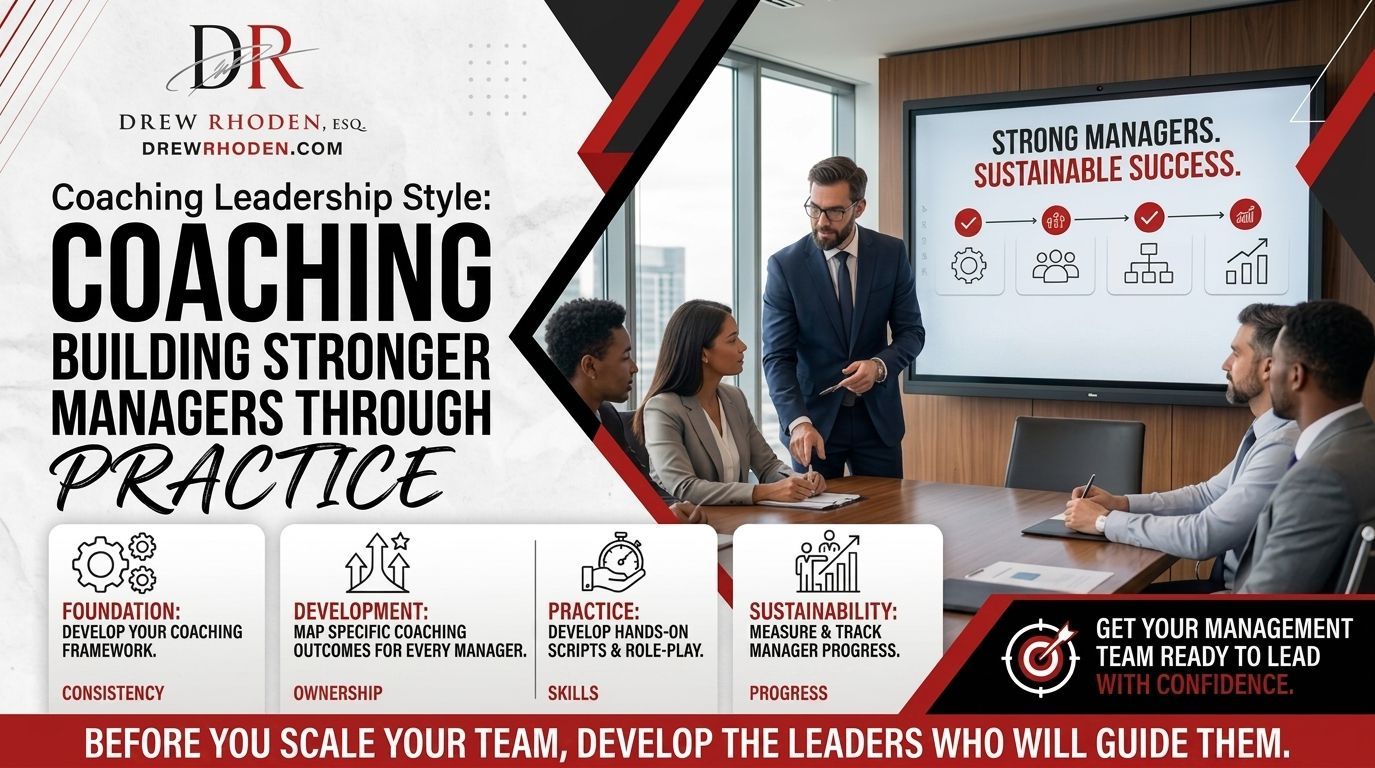
Andrew Rhoden has built a reputation as a powerful speaker, strategist, and bestselling author whose insights resonate with organizations across industries. His unique background combines expertise in law, leadership, and business strategy.
Andrew’s presentations go beyond theory. He shares real experiences, practical ideas, and actionable strategies that help companies improve communication and leadership within their teams. As a business speaker, he connects with audiences through engaging storytelling and practical examples.
Organizations across the country invite Andrew Rhoden to speak because his message is both inspiring and practical. His ability to engage employees, spark interest, and encourage professional growth makes his sessions highly effective.
How Andrew Rhoden Helps Companies Address Business Trends
The modern industry is constantly evolving, and organizations must stay informed about new trends and challenges. Andrew’s presentations provide valuable insights into emerging technologies, communication strategies, and leadership development.
His speaking engagements often explore topics such as:
- Adapting to technological change in the business world
- Improving marketing and customer communication
- Strengthening leadership skills within organizations
- Building stronger workplace collaboration
These discussions help companies prepare employees to navigate an ever-changing professional landscape.
Elevating Workplace Performance Through Communication
Employees who develop strong communication skills often become more confident contributors within their organizations. They lead meetings more effectively, present ideas clearly, and collaborate productively with colleagues.
A professional speaker helps organizations create environments where employees feel empowered to share ideas and take initiative. This cultural shift often leads to improved morale, stronger teamwork, and greater organizational success.
When employees learn how to communicate effectively, the entire company becomes more agile and innovative.
Building a Culture of Learning and Growth
Organizations that encourage continuous learning often outperform competitors. By investing in professional development programs, companies create workplaces where employees feel supported and motivated.
Training sessions led by professional speakers provide opportunities for employees to learn, exchange ideas, and grow professionally. These programs help individuals see new possibilities for their career while strengthening their contribution to the company.
Over time, this culture of learning strengthens both individual and organizational performance.
Turning a Business Trip into a Learning Opportunity
A business trip can be more than travel for meetings or conferences. Many organizations use a business trip as an opportunity for employees to attend leadership events, professional workshops, and corporate training sessions. These experiences allow employees to learn from industry experts and improve their communication skills. When companies invest in professional development during a business trip, employees often return with stronger confidence, clearer ideas, and renewed motivation to contribute to the organization’s success.
Becoming a Better Speaker in the Workplace
Strong communication is essential for anyone who wants to become a better speaker in the professional environment. Whether presenting ideas in a meeting or leading a team discussion, becoming a better speaker requires practice, awareness, and guidance. A professional speaker often helps employees understand how tone, structure, and clarity influence their message. With continued effort and coaching, individuals gain confidence and develop the communication skills needed to lead conversations effectively.
Developing Skills That Empower Every Person
Professional development programs aim to support every person within the organization. When a person gains stronger communication skills and leadership confidence, their contributions to the workplace become more impactful. These programs encourage employees to explore their potential and share ideas openly with colleagues. Over time, empowering each person within a company strengthens collaboration and improves overall performance.
Creating a Strategic Plan for Professional Growth
Every successful organization relies on a thoughtful plan for employee development. A structured plan helps leadership teams identify training needs, communication challenges, and opportunities for improvement. By creating a clear plan for leadership training and professional development, companies guide employees toward measurable growth. This strategic planning also ensures that the organization remains focused on long-term success.
Delivering Real Value Through Communication Training
Leadership development programs provide measurable value for organizations seeking stronger internal communication. When employees learn how to present ideas clearly and collaborate effectively, they deliver greater value to their teams and customers. Companies that prioritize communication training often see improvements in productivity, morale, and innovation. This value extends beyond individual performance and contributes to overall organizational growth.
Helpful Strategies for Improving Workplace Communication
Training sessions often introduce helpful strategies that employees can use immediately. These helpful communication techniques include listening actively, organizing ideas clearly, and responding thoughtfully during discussions. Employees who apply these strategies become more confident when speaking with colleagues and clients. Over time, these improvements create a more effective and collaborative workplace environment.
Taking a Break to Encourage Creative Thinking
Short moments of rest can play an important role in professional development events. A brief break during training sessions allows participants to reflect on ideas and connect with colleagues. During a break, employees often share insights and discuss how they plan to apply new communication strategies. These informal conversations often spark creativity and reinforce learning.
Encouraging Employees to Request Guidance and Feedback
Organizations should encourage employees to request guidance whenever they need support. When team members feel comfortable making a request for feedback or clarification, communication becomes more transparent. Leaders who respond positively to these requests create a culture where employees feel confident asking questions. This open environment helps teams grow stronger and more collaborative.
The Role of Consulting in Corporate Development
Professional consulting services often support organizations that want to strengthen communication and leadership skills. Through strategic consulting, companies gain access to experts who analyze challenges and provide practical solutions. These consultants help organizations design training programs that address communication gaps and leadership development. Over time, consulting partnerships can significantly improve workplace performance.
Learning Through Interactive Training Classes
A structured training class provides employees with a focused environment for professional development. During a class, participants practice communication techniques, engage in discussions, and receive feedback from experienced trainers. These sessions allow employees to test new ideas in a supportive setting. A well-designed class helps employees develop the confidence needed to communicate effectively in real-world situations.
Creating a Great Place for Professional Growth
Organizations that invest in employee development often become a great place to work. When employees have opportunities to learn and grow, the workplace becomes a great place for collaboration and innovation. Training programs, leadership workshops, and mentorship initiatives contribute to a positive organizational culture. This environment encourages employees to reach their full potential.
Using Resources to Support Employee Development
Successful organizations provide employees with the resources they need to improve their professional skills. These resources may include training programs, mentorship opportunities, and educational materials. When companies invest in these resources, employees gain the tools needed to strengthen communication and leadership abilities. Over time, these resources contribute to stronger organizational performance.
The Key to Building Confident and Effective Teams
Communication development is a key factor in building confident and capable teams. When employees learn how to present ideas clearly and lead discussions effectively, collaboration improves across the organization. Leadership training, communication workshops, and mentorship programs all play a key role in professional development. By focusing on these essential skills, companies create teams that are prepared to succeed in today’s competitive business environment.
Take the Next Step Toward High-Performing Teams
Developing confident and effective employees is no longer optional in today’s competitive business world. Organizations that invest in communication training and leadership development position themselves for long-term success.
Andrew Rhoden’s dynamic speaking programs provide companies with practical tools, actionable strategies, and inspiring ideas that help teams perform at their highest level. As a bestselling author, consultant, and experienced speaker, Andrew brings powerful insights that help organizations strengthen communication, improve leadership, and elevate employee performance.
Andrew offers business speaking services throughout Texas and across the country, helping organizations unlock the full potential of their teams. His engaging style, deep expertise, and real-world perspective make every event a meaningful learning experience.
If your organization is ready to strengthen its workforce and elevate employee performance, now is the time to act. Contact us at (888) 209-4055 to schedule a free consultation and learn how Andrew Rhoden’s business speaking programs can help your team succeed.
share this
Related Articles
Related Articles