




Leadership and Public Speaking Training That Helps Leaders Navigate Adversity With Confidence
Leadership is tested most when circumstances are uncertain and pressure is high. In those moments, the ability to speak clearly, lead decisively, and connect authentically with others becomes essential. Leadership and public speaking training is not about memorizing speeches or sounding impressive. It is about helping leaders find their voice, communicate with confidence, and guide others through adversity.
At the center of every impactful event is a powerful keynote speaker who understands how words shape action. When leaders learn how to speak with purpose, they influence rooms, inspire audiences, and create momentum that lasts long after the event ends.
Why Leadership and Public Speaking Are Inseparable
Leadership is not just about making decisions behind closed doors. It is about communicating vision, direction, and reassurance when people need it most. Public speaking training helps leaders translate complex ideas into messages that audiences can understand and trust.
A great speaker knows how to balance authority with empathy. Whether addressing a conference, a sales meeting, or a company-wide event, the ability to speak clearly builds credibility. This skill becomes even more important during times of change or challenge.
Navigating Adversity Through Clear Communication
Adversity creates uncertainty, and uncertainty demands strong communication. Leaders who avoid speaking during difficult moments often lose trust. Those who step forward with clarity and honesty inspire confidence.
Public speaking training teaches leaders how to address challenges without panic. By learning how to structure a keynote speech or an important talk, leaders can guide audiences through complex situations. This is a powerful way to restore focus and direction.
The Role of a Keynote Speaker in Leadership Development
A keynote speaker sets the tone for an entire event. Whether opening a conference or delivering a closing keynote, the speaker’s message frames how attendees think, feel, and act. Great keynote speakers understand this responsibility.
Leadership-focused keynote speeches are designed to challenge perspectives and encourage growth. They help leaders recognize their influence and embrace responsibility during difficult times. This is where inspiration meets practical strategy.
What Makes a Great Keynote Speaker Stand Out
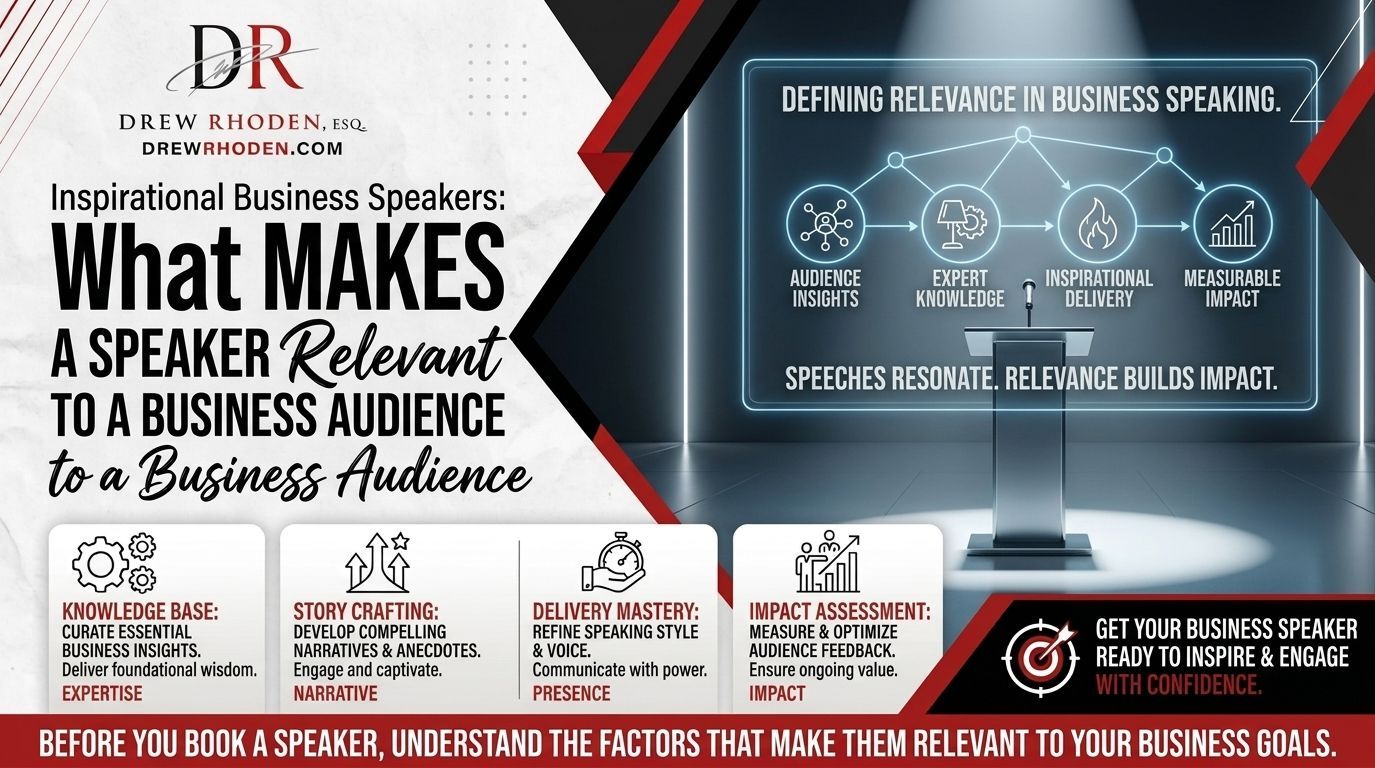
Great keynote speakers combine expertise, storytelling, and presence. They do not rely on flashy slides or scripted lines alone. Instead, they connect with audiences through authenticity and relevance.
A great speaker reads the room, adjusts tone, and responds to audience energy. This ability allows them to deliver speeches that resonate across industries and roles. It is why the best keynote speakers are remembered long after the event ends.
Confidence on Stage Builds Confidence Off Stage
Stage presence translates into leadership presence. Leaders who are comfortable speaking in front of large audiences often communicate more effectively in meetings and daily interactions. Public speaking training strengthens this confidence.
Learning how to speak under pressure helps leaders remain calm and focused. This confidence carries into boardrooms, team meetings, and crisis situations. Speaking with clarity becomes second nature.
Overcoming Adversity Through Powerful Storytelling
Stories are one of the most powerful ways to connect with audiences. Leaders who share personal experiences of overcoming adversity create trust and relatability. These stories humanize leadership.
A keynote speech that includes authentic storytelling helps audiences feel seen and understood. It reminds attendees that challenges are part of growth. This approach inspires resilience and determination.
Why Event Planners Value Skilled Keynote Speakers
Event planners understand that the keynote speaker often determines an event’s success. A strong keynote energizes attendees and sets expectations for the rest of the conference. It can turn a routine event into a memorable experience.
Event planners look for speakers who engage, motivate, and deliver value. Leadership-focused keynote speakers provide insights that audiences can apply immediately. This combination makes planning decisions easier.
Opening Keynote Versus Closing Keynote Impact
An opening keynote speaker establishes momentum and excitement. They prepare audiences to listen, learn, and participate. Their message frames the entire event experience.
A closing keynote, on the other hand, reinforces key lessons and leaves a lasting impression. It is the final voice attendees hear. When delivered effectively, it motivates action long after the conference ends.
How Public Speaking Training Shapes Better Leaders
Public speaking training is not limited to large stages. It improves how leaders communicate in every setting. Leaders learn how to organize thoughts, project confidence, and speak with purpose.
Training also helps leaders manage nerves and pressure. By practicing techniques used by great keynote speakers, leaders become more effective communicators. This growth supports both personal and professional development.
The Importance of Connection With Audiences
Connection is the foundation of influence. A speaker who connects with audiences builds trust quickly. This connection allows messages to land more effectively.
Great keynote speakers understand how to listen as well as speak. They respond to audience cues and adjust delivery accordingly. This ability strengthens engagement and impact.
How Technology Shapes Modern Speaking Environments
Modern events often integrate technology into presentations. Smart speakers, sound systems, and smart home devices have influenced how people interact with audio and voice. While these tools differ from live speaking, they highlight the importance of sound quality and clarity.
Just as a smart speaker relies on voice control and sound to function well, a speaker relies on clear delivery to be understood. Whether using microphones, echo speaker systems, or advanced sound setups, clarity matters.
Smart Speakers as an Example of Clear Communication
Most smart speakers respond to voice commands through voice assistants like Amazon Alexa, Google Assistant, and other AI assistants. These devices succeed because they listen clearly and respond accurately.
Great keynote speakers operate similarly. They listen to the room, process feedback, and respond with intention. This comparison shows how clarity and responsiveness build trust.
Sound Quality and Its Role in Speaking
Sound quality affects how a message is received. Poor audio can distract even the most engaged audiences. Event planners prioritize great sound to support speakers.
From conference rooms to large stages, sound systems must support clear communication. This mirrors how smart speakers like Apple HomePod, HomePod mini, Sonos speaker systems, and Sonos Era devices emphasize audio quality and balance.
Voice Control and Authority on Stage
Voice control is a key component of effective speaking. Leaders must learn how to pace, project, and emphasize key points. Public speaking training helps refine these skills.
A controlled voice conveys confidence and authority. It allows leaders to command attention without raising volume unnecessarily. This skill is essential during high-stakes events.
Learning From the Best Keynote Speakers
The best keynote speakers study their craft continuously. They refine delivery, analyze audience reactions, and adapt messages. This dedication separates good speakers from great ones.
Leaders benefit from training inspired by top rated speakers. These techniques are transferable across industries and roles. Excellence in speaking leads to excellence in leadership.
Andrew Rhoden, ESQ, as a Leadership Keynote Speaker
Andrew Rhoden, ESQ, stands out as one of the best keynote speakers in leadership and public speaking. His unique blend of personal experience, legal expertise, and passion for leadership allows him to connect deeply with audiences. As a public speaker and thought leader, he delivers keynote speeches that inspire action and reflection.
Andrew’s ability to speak about leadership, business, and overcoming adversity resonates with diverse audiences. His presence on stage commands attention while remaining approachable. This balance makes him a great speaker for any event.
Engaging Audiences Across Conferences and Events
Andrew Rhoden’s keynote speeches have impacted conferences, corporate events, and leadership meetings nationwide. He understands how to tailor messages to specific audiences and event goals. This adaptability enhances engagement.
Audiences appreciate speakers who respect their time and intelligence. Andrew’s approach combines insight with practical takeaways. This ensures attendees leave with value they can apply immediately.
The Power of Enthusiasm and Authenticity
Enthusiasm is contagious. When a speaker brings genuine energy to the stage, audiences respond. Authentic enthusiasm builds momentum throughout an event.
Public speaking training emphasizes authenticity over performance. Leaders learn to speak from experience rather than scripts. This authenticity strengthens credibility and connection.
Recognition Comes From Consistent Impact
Great speakers earn recognition through consistent impact, not one-time performances. A strong track record reflects reliability and effectiveness. Event planners and organizations value speakers who deliver results.
Consistency builds trust with clients and audiences alike. This trust leads to repeat engagements and lasting influence.
How Leaders Can Expect to Grow Through Training
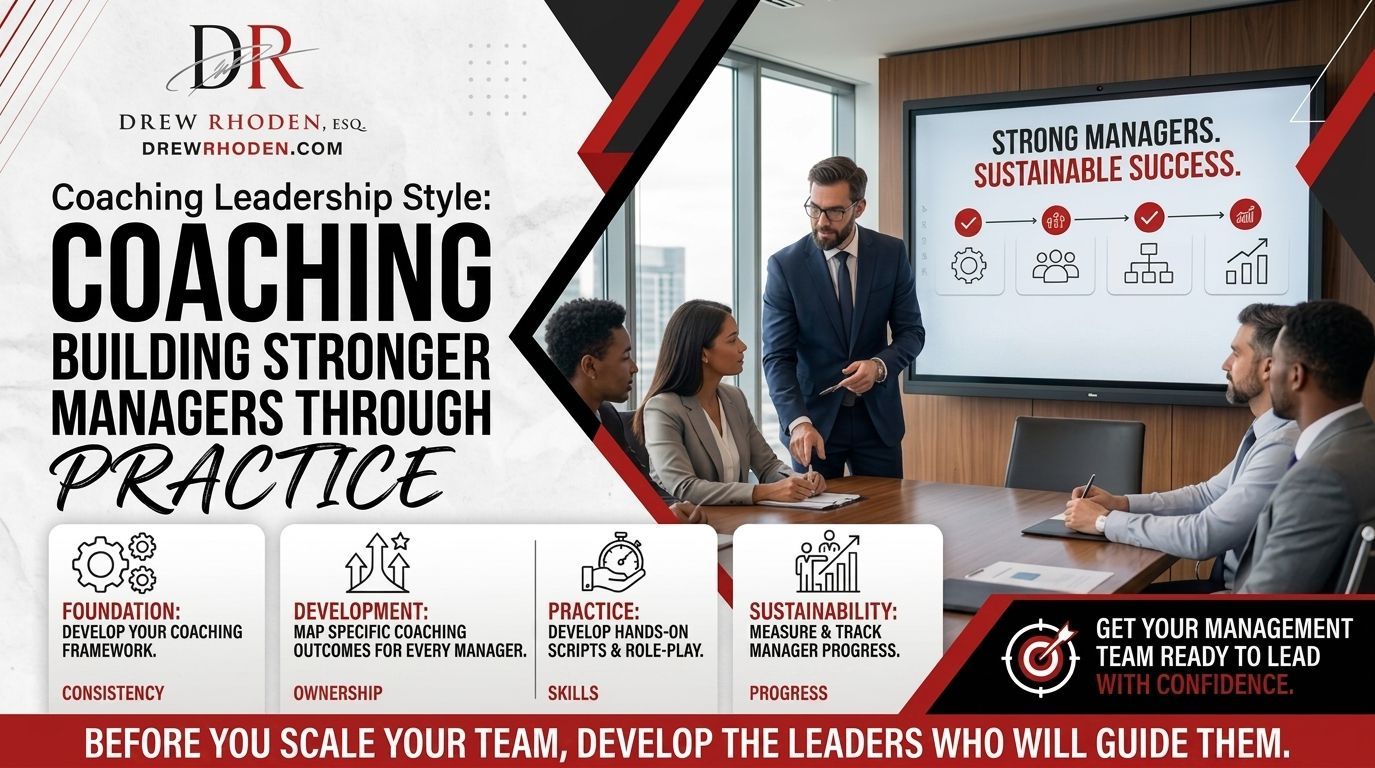
Leaders who invest in speaking training can expect growth beyond the stage. Improved communication affects team morale, decision-making, and organizational culture. Speaking skills influence how leaders are perceived daily.
Training provides tools that leaders use long after the event ends. These tools support clarity, confidence, and connection in all interactions.
Making Sense of Audience Expectations
Audiences arrive at events with expectations. They want value, insight, and relevance. A skilled keynote speaker understands these expectations and delivers accordingly.
Public speaking training teaches leaders how to align messages with audience needs. This alignment increases engagement and satisfaction.
Why Almost All Successful Leaders Are Strong Speakers
Almost all influential leaders share one trait: they can speak effectively. Whether addressing a room of executives or a large conference audience, communication drives influence.
Strong speaking skills amplify leadership impact. They turn ideas into action and vision into reality.
Balancing Content and Delivery
Content and delivery must work together. A strong message delivered poorly loses impact. Likewise, great delivery without substance falls flat.
Training helps leaders balance what they say with how they say it. This balance creates memorable speeches and meaningful connections.
The Lasting Impact of a Well-Delivered Keynote
A well-delivered keynote does more than fill time on an agenda. It shapes how attendees think about leadership, adversity, and their own potential. These moments can spark long-term change.
Great keynote speeches inspire reflection and action. They stay with audiences long after the event concludes.
Bringing It All Together With Purpose
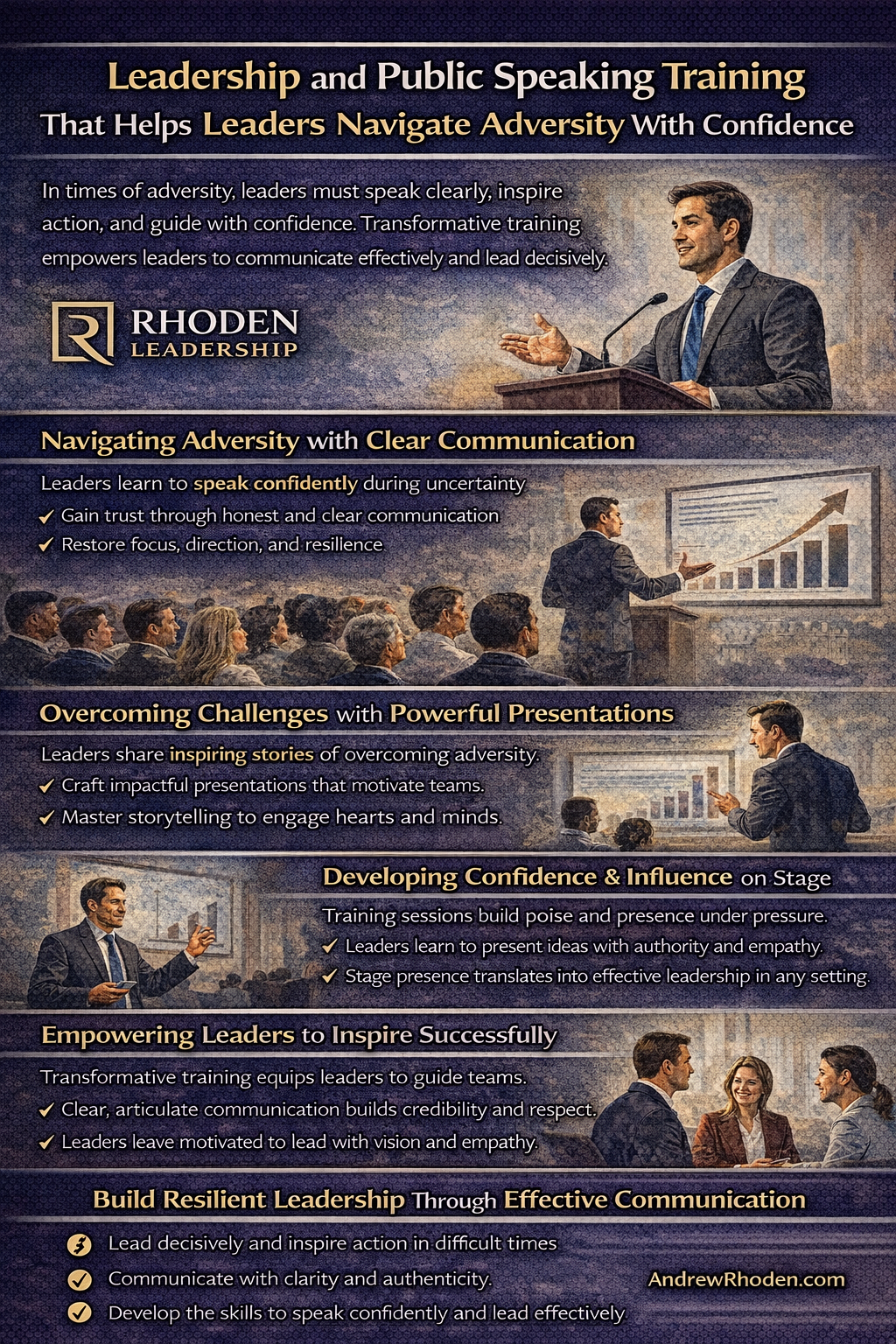
Leadership and public speaking training empowers leaders to navigate adversity with confidence. By learning how to speak clearly, connect authentically, and lead visibly, leaders strengthen their influence. The right keynote speaker accelerates this growth.
Andrew Rhoden, ESQ, exemplifies how powerful speaking can transform leadership. His keynote speeches leave audiences motivated, informed, and ready to act.
Big Fans of Clear and Authentic Communication
Audiences become big fans of speakers who communicate with honesty, clarity, and purpose. When a speaker consistently delivers messages that feel relevant and genuine, trust grows naturally. These big fans are more likely to stay engaged, share ideas with others, and act on what they hear. Strong communication builds lasting connections that extend far beyond a single event.
Communication That Shapes Daily Life
Effective communication is not limited to stages or conferences—it shapes daily life in powerful ways. Leaders who speak clearly and listen intentionally influence how teams collaborate, solve problems, and stay motivated. The habits developed through public speaking training carry into everyday conversations and decision-making. Over time, this consistency strengthens relationships and builds confidence across both personal and professional settings.
Using Search to Discover the Right Speaker and Strategy
Search plays a critical role in how organizations and event planners find the right keynote speaker, training program, or communication strategy. A thoughtful search goes beyond popularity and focuses on relevance, expertise, and proven impact. By exploring content, reviews, and real-world results, decision-makers can identify speakers who align with their goals and audience needs. An effective search process leads to stronger connections and more successful events.
Budget Considerations When Choosing the Right Speaker or Technology
Budget plays an important role when organizations plan events, invest in leadership training, or select communication tools. A thoughtful budget ensures resources are used wisely without sacrificing quality or impact. Whether hiring a keynote speaker or evaluating presentation technology, aligning cost with value is essential. Strategic budgeting helps decision-makers prioritize experiences that deliver meaningful results for audiences.
Best Picks That Balance Value and Performance
Identifying the best picks requires more than choosing the most popular option. The strongest choices balance performance, reliability, and relevance to the audience’s needs. In leadership development and event planning, the best picks are those that consistently deliver clarity, engagement, and impact. Making informed selections leads to better experiences and stronger outcomes for everyone involved.
Why Leaders Should Test Smart Speakers to Understand Modern Communication
When people test smart speakers, they are really testing how well technology listens, understands, and responds to human needs. This process mirrors effective leadership communication, where clarity and responsiveness are essential. Leaders who understand how smart speakers interpret voice commands gain insight into the importance of tone, pacing, and precision. Testing these tools highlights why clear communication matters in both technology and public speaking environments.
How Many Smart Speakers Reflect Different Communication Styles
The fact that there are many smart speakers on the market shows that communication is not one-size-fits-all. Each smart speaker is designed to meet different preferences, environments, and listening habits. In leadership and public speaking, the same principle applies—effective speakers adapt their style to different audiences and settings. Recognizing these differences helps leaders communicate more effectively and connect with diverse groups.
Keynote Speech That Sets the Tone and Drives Impact
A keynote speech is often the most anticipated moment of an event because it establishes direction, energy, and purpose. When delivered effectively, a keynote speech does more than introduce a topic—it aligns audiences around a shared message and inspires action. Strong keynote speakers use storytelling, clarity, and real-world insight to connect ideas to lived experience. This type of speech helps attendees walk away with confidence, perspective, and a clear sense of what comes next.
The Best Smart Speaker as a Model for Clear Communication
The best smart speaker succeeds because it listens accurately, responds clearly, and delivers information without confusion. This same principle applies to effective public speaking and leadership communication. Just as people rely on a smart speaker for dependable responses, audiences rely on speakers who communicate with precision and intention. Clear delivery, thoughtful pacing, and strong sound presence help ensure messages are heard, understood, and remembered.
Motivational Speakers Who Inspire Confidence and Action
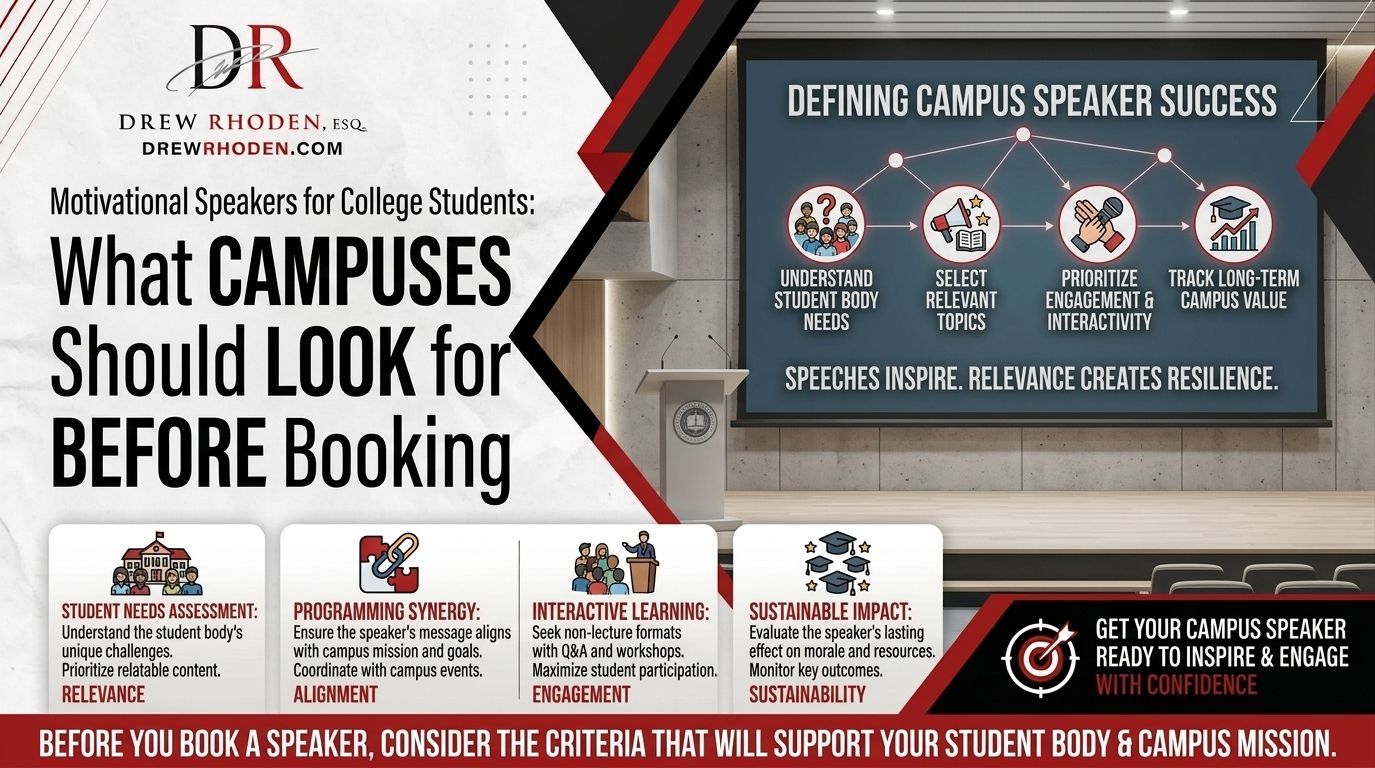
Motivational speakers play a vital role in helping individuals and organizations push through uncertainty, change, and high-pressure moments. The most effective motivational speakers do more than energize a room—they provide perspective, practical insight, and encouragement that audiences can apply immediately. By sharing real experiences and lessons learned through adversity, they help listeners reconnect with purpose and confidence. When delivered with authenticity and clarity, motivational speaking becomes a catalyst for personal growth, stronger leadership, and meaningful action long after the event ends.
Contact Us to Book a Free Consultation
If you are planning an event and looking for a keynote speaker who delivers insight, inspiration, and impact, we are here to help. Andrew Rhoden, ESQ, offers leadership and public speaking training that equips leaders to face adversity with confidence and clarity. Whether you need an opening keynote to energize your event or a closing keynote to leave a lasting impression, his expertise makes a difference.
Contact us at (888) 209-4055 to book a free consultation. Let’s discuss how a powerful keynote speaker can elevate your next event and help your audience lead with confidence.
share this
Related Articles
Related Articles