

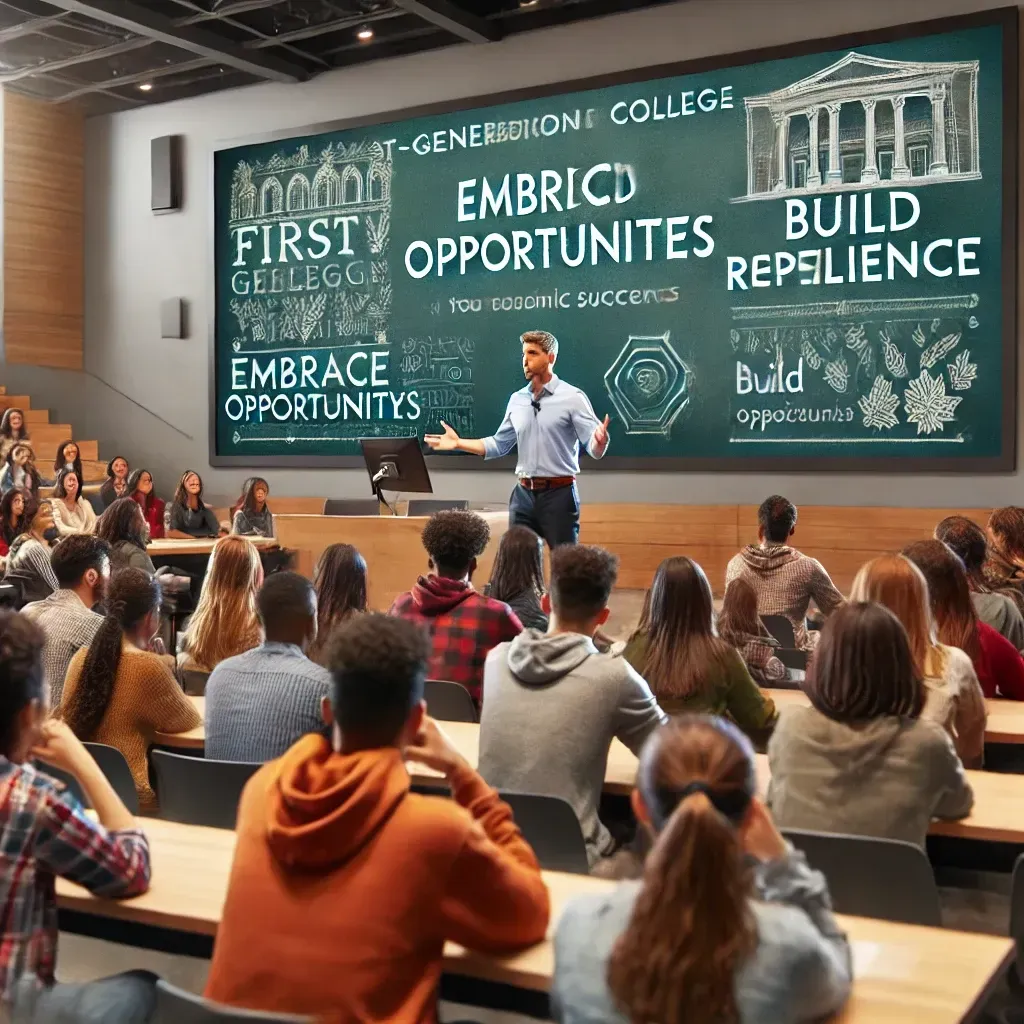


Engaging and Motivating Students Through Interactive Guest Speaker Sessions
Education is more than just textbooks and exams; it’s about preparing students for the real world. Interactive guest speakers play a critical role in fostering student engagement, making education dynamic and relatable. Unlike traditional lectures, engaging talks that involve discussion, activities, and storytelling can effectively communicate complex life topics in ways that resonate with young people.
For high school students, middle school learners, and college students, an inspiring speaker can shift perspectives, encourage self-reflection, and ignite motivation to pursue their dreams. The right keynote speaker can turn an ordinary school event into an unforgettable experience that leaves students feeling empowered and ready to tackle their future.
Why Interactive Guest Speakers Are Essential for Student Success
Enhancing Student Engagement Through Real-Life Stories
One of the most compelling aspects of guest speakers is their ability to connect with students on a personal level. Many speakers for schools use personal stories to illustrate valuable lessons on overcoming adversity, self-growth, and success. By sharing real-life experiences, these speakers create a safe space where students feel understood, heard, and encouraged to embrace their unique challenges.
Addressing Critical Topics Like Mental Health and Personal Growth
A well-rounded educational leadership program should include discussions about mental health, healthy relationships, and the challenges that young adults face. Mental health speakers bring awareness to topics like suicide prevention, self-harm, and drug abuse, helping students recognize warning signs and seek support when needed.
By creating an open dialogue around mental illness, students understand that they are not alone in their struggles. Many speakers also provide practical strategies for coping with stress, building resilience, and fostering personal growth, making a lasting impact on the well-being of students nationwide.
The Lasting Impact of Motivational Speakers on Students
Inspiring Students to Dream Big and Achieve Their Goals
The best motivational speakers for high school and college students don’t just deliver speeches—they inspire action. Their speaking style is engaging, dynamic, and designed to captivate young audiences. Whether discussing career aspirations, leadership skills, or goal setting, these speakers empower students to dream big and pursue their ambitions with confidence.
Developing Leadership Skills and Positive Campus Culture
A great leadership speaker can shape the next generation of future leaders by instilling the values of responsibility, teamwork, and perseverance. Schools that incorporate guest speakers into their programs often experience a more positive culture, where students feel motivated to take on leadership roles and contribute to their community support.
Encouraging Open Communication Between Students and Educators
Interactive speakers for schools don’t just engage students; they also encourage teachers, educators, and even parents to participate in meaningful discussions. By fostering open communication, these sessions allow students to express their thoughts, concerns, and aspirations in a safe and supportive environment.

Choosing the Perfect Speaker for Your School
Qualities of an Effective Motivational Speaker
Not all speakers are created equal. The perfect speaker for your school should possess:
- A deep understanding of young students and their challenges.
- A relatable and engaging speaking style that keeps students invested.
- The ability to deliver valuable insights on education, motivation, and success.
- Experience in addressing critical topics such as mental health, drug abuse, and personal growth.
Finding the Right Speaker to Inspire Young People
When selecting speakers for schools, consider their expertise, background, and ability to engage an audience effectively. Some of the top motivational speakers specialize in working with young audiences, ensuring that their message is impactful and relevant to students of all ages.
Transforming Student Lives Through Interactive Guest Speaker Sessions
Incorporating interactive guest speakers into schools is an investment in the future of students. These sessions provide inspiration, knowledge, and encouragement, helping young people navigate their academic and personal journeys with confidence.
Engaging and Motivating Students Through Interactive Guest Speaker Sessions
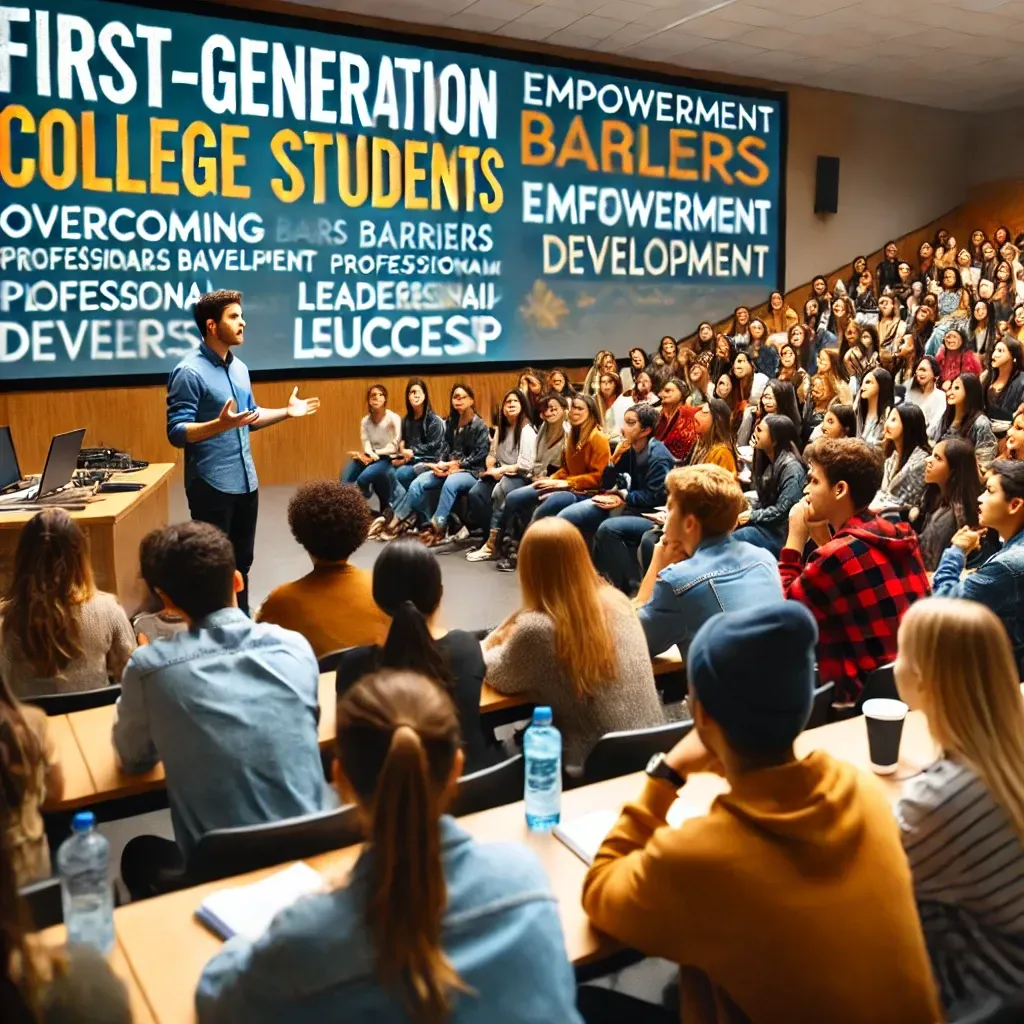
Bringing in youth motivational speakers can be a transformative experience for students, providing them with new ideas and fresh perspectives on success, resilience, and personal growth. These speakers often share a powerful story that resonates with young audiences, helping to develop trust and foster meaningful connections. By offering background information on their journeys—whether overcoming obstacles, achieving excellence in their fields, or advocating for change—these speakers can make a lasting impact. Interactive sessions go beyond lectures, actively encouraging students to engage, ask questions, and reflect on how they can apply these insights to their own lives. By fostering dialogue and participation, schools can create an environment where youth feel empowered to take charge of their futures.

Empowering College and Youth Audiences with Top Motivational Speakers
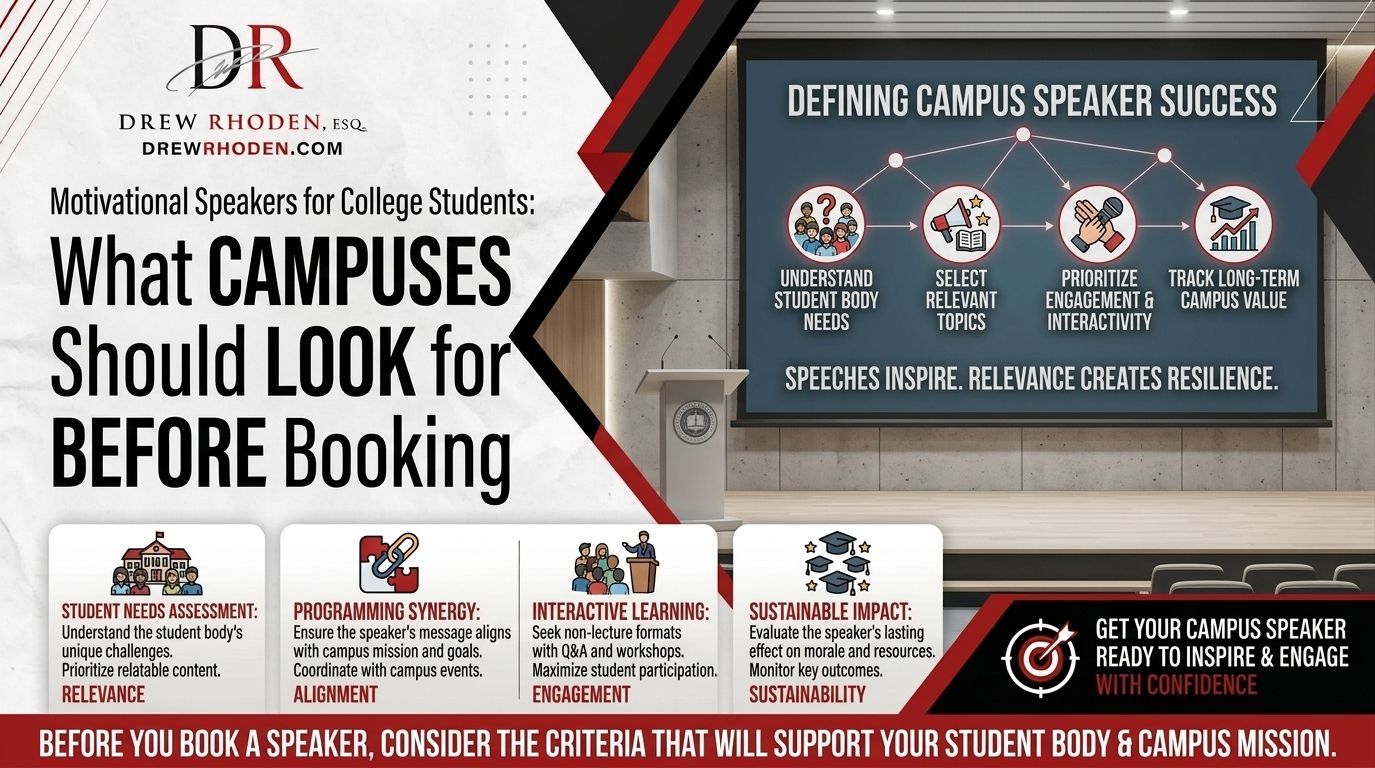
Bringing motivational speakers to campuses and schools is a powerful way to inspire and engage students. Whether addressing college students preparing for their careers or younger audiences navigating their formative years, these speakers provide encouragement, direction, and real-world insights. Some of the top motivational speakers specialize in connecting with students through relatable experiences and actionable advice. Youth motivational speakers focus on helping young audiences build confidence, resilience, and leadership skills, equipping them with the mindset needed for success. These sessions leave lasting impressions, motivating students to push past obstacles and take charge of their futures.
Motivational Speakers in Schools: Inspiring Students for Success in Life and Education
Bringing motivational speakers into schools is a powerful way to inspire students and equip them with valuable life lessons. These speakers share their experiences, struggles, and triumphs to help students see the bigger picture and understand the importance of perseverance. Whether discussing personal growth, academic achievement, or career paths, their stories resonate deeply, encouraging students to take charge of their education and future. Many top motivational speakers address critical topics such as leadership, resilience, and overcoming obstacles, helping students build confidence and a strong mindset for success. By incorporating real-world insights, these sessions teach students how to apply what they learn in school to real life, preparing them for the challenges and opportunities that lie ahead.
Inspiring Young Adults and College Students Through Motivational Speakers
Bringing motivational speakers to schools and universities can be a game-changer for college students and young adults preparing for their futures. These speakers offer valuable insights, encouragement, and practical strategies to help students navigate challenges and achieve their goals. Some of the top motivational speakers specialize in engaging student audiences with relatable experiences and dynamic presentations. Youth motivational speakers focus on empowering students with resilience, leadership skills, and the confidence to pursue their passions. By sharing their journeys and lessons learned, these speakers create a lasting impact, motivating students to take action and shape their own success.

Contact Us for a Free Consultation
Andrew Rhoden, an experienced and passionate high school speaker, delivers impactful presentations tailored for high school students, middle school learners, and educators. Known for his ability to inspire and motivate, Andrew connects with young audiences by sharing personal stories that promote positive change and personal development.
If you're looking for an engaging speaker who can make a difference in the lives of students, contact us today at (888) 209-4055 for a free consultation. Let us help you find the perfect speaker to empower and uplift your school community.
share this
Related Articles
Related Articles