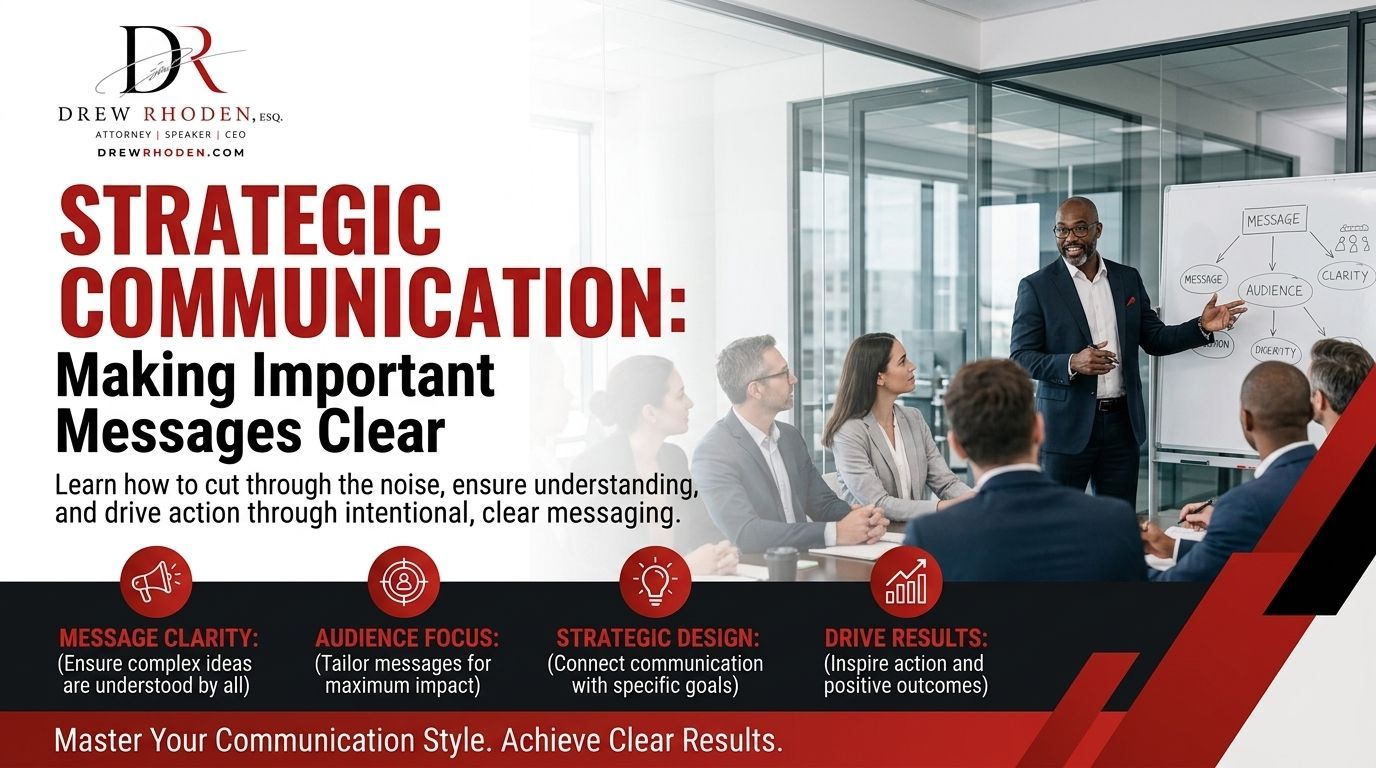





Contract Negotiations and Athlete Rights: Lessons from a Sports Law Keynote Speaker
When people think about sports contracts, they often picture massive numbers, big stages, and highlight reels. But behind every deal is a real person trying to protect a career, a reputation, and a future. For many athletes, the contract isn’t just a piece of paper—it’s the foundation of daily life, financial stability, and long-term opportunity. That’s why contract negotiations deserve the same preparation and discipline that athletes bring to training.
In today’s world, athletes aren’t only performers. They are brands, business decision-makers, and community leaders. One poorly worded clause or rushed agreement can quietly shift the balance of power for years. And the truth is, most athletes don’t realize the risk until something goes wrong and the “fine print” becomes the main story.
That’s where a keynote speaker with real legal insight can change the room. A powerful keynote speech doesn’t just motivate—it gives athletes, coaches, executives, and event planners tools they can use. In this article, we share real lessons from a sports law keynote speaker perspective, showing how athletes protect rights, manage money, and negotiate confidently without losing focus on performance.
The Real Meaning of a Contract in Professional Sports
A sports contract is more than compensation and duration. It defines responsibilities, standards, discipline rules, and how disputes are handled. It can also control where an athlete can compete, what endorsements are allowed, and what happens if injury or conflict arises.
Athlete rights are often shaped by what is written, not what was promised verbally. That’s why athletes must understand the contract before they sign. Negotiation is not arrogance—it is protection.
When the stakes are high, the details become critical.
Why Athlete Rights Should Be a Leadership Conversation
Athlete rights are not only a legal topic. They are a leadership issue, a wellness issue, and a business issue. In many industries, leaders protect their employees through policies and safeguards—sports should be no different.
A strong keynote speaker brings this message in a way that athletes and executives can understand. The best keynote speech creates urgency without panic. It helps an audience feel empowered instead of overwhelmed.
That balance is what makes great keynote speakers stand out.
The Keynote Speaker Lens: What Athletes Miss in Negotiations
A sports law keynote speaker sees patterns across organizations, leagues, and negotiations. Athletes often focus on the headline number and forget the hidden terms. But small details can have big consequences, especially when they affect playing time, health decisions, or off-field income.
Many athletes also underestimate how quickly leverage disappears. Once an athlete signs, it becomes harder to renegotiate terms without conflict. That’s why preparation before the first offer matters so much.
This is where the right keynote speaker can shift how athletes think.
What Great Keynote Speakers Teach About Leverage
Leverage is not just about talent. It’s about timing, alternatives, and the ability to walk away. A keynote speaker with contract experience often explains leverage in a way that athletes can apply immediately.
Leverage might come from performance history, strong market interest, or a clear personal brand. It also comes from being organized and informed. Athletes who know what they want can negotiate without losing focus.
This is one reason event planners seek the best keynote speakers for leadership-driven events.
Opening Keynote Moments: Setting the Tone for Athlete Protection
An opening keynote often defines the energy of a conference. In sports law, the opening keynote can set a tone of responsibility, ownership, and long-term thinking. Athletes don’t just need motivation—they need education.
A strong keynote speaker can create a mindset shift early in the event. It helps attendees understand that contract choices shape career outcomes. And it encourages athletes to plan for more than just the next season.
That’s how keynotes become more than entertainment.
Closing Keynote Takeaways That Stay With the Room
A closing keynote works best when it leaves the audience with clarity and action. Athletes don’t need more noise—they need next steps. A closing keynote can reinforce negotiation discipline and athlete rights as part of professional identity.
The best closing keynote moments make people feel capable. They inspire without overpromising. They connect the legal reality to a bigger purpose, like leadership and generational wealth.
That’s what separates a great speaker from a speaker who just talks.
Keynote Address vs. Motivational Talk: What Athletes Actually Need
Some audiences want energy. Others need strategy. A keynote address can deliver both when it’s delivered by the right keynote speaker.
Many motivational speakers focus on mindset alone. But in athlete rights, mindset must be paired with protection. Motivation is powerful, but contracts are still contracts. Athletes need professional tools, not just inspiration.
That’s why sports law keynotes matter in modern conferences.
The Role of Public Speaking in Athlete Education
Strong public speaking can simplify complex legal issues without making the audience feel lost. When the keynote speaker is experienced, the message becomes clear, relatable, and useful. That helps athletes retain information instead of zoning out.
The best keynote speakers translate legal language into real-life decisions. They give examples athletes can recognize. They also create a space where attendees feel safe asking questions.
That’s how speakers build trust in the room.
Contract Negotiations Start Before the First Offer
Athletes often think negotiation starts when the offer is sent. In reality, negotiation begins earlier—when the athlete builds performance value, reputation, and market presence. Every season, every interview, and every interaction becomes part of the negotiation story.
A keynote speaker who understands business teaches athletes to prepare early. That includes planning goals, understanding career direction, and building the right support team. When athletes prepare early, they negotiate with confidence.
Preparation is power.
Athlete Rights and the “Control Clauses” Nobody Explains
Some contracts include clauses that limit freedom quietly. These might restrict training options, outside sponsorships, or public communication. They can also create unfair penalties that trigger disputes.
Athletes should ask what is prohibited, what is optional, and what is required. They should understand what happens if they speak out or disagree. The contract can shape the athlete’s ability to protect their own life outside the sport.
A sports law keynote speaker often highlights these risks early.
Money Isn’t the Only Issue in a Contract
Most athletes care about money—and they should. But contracts also determine opportunity. They shape playing conditions, staff support, and career mobility. They can influence brand visibility and future deals.
A keynote speaker focused on generational wealth helps athletes understand that the contract is a tool. It can either protect the future or create hidden stress. The best athletes treat contracts as strategy, not just salary.
That mindset changes everything.
The Mental Health Advocate Perspective in Athlete Negotiations
A great sports law keynote speaker can also be a mental health advocate, because contracts and pressure affect emotional well-being. When athletes feel trapped by terms they didn’t understand, anxiety rises. When they feel unsupported, performance suffers.
A mental health advocate message matters because a “successful contract” should not destroy the person. Athletes need rest, clarity, and a healthy support system. Mental strength is part of long-term success.
This is one reason modern speakers include wellness in keynotes.
Workplace Culture for Athletes Is Still Culture
Even though sports is not a traditional office workplace, it still has culture. It has power structures, leadership dynamics, and consequences for speaking up. Athlete rights often depend on how organizations respond to conflict.
A keynote speaker can help athletes see culture clearly. It’s not about disrespecting organizations—it’s about understanding systems. When athletes understand the system, they protect themselves better.
Education creates stability.
Why Boards, Executives, and CEOs Should Pay Attention
Organizations with strong leadership reduce disputes and reputational risk. Executives, board members, and CEO teams benefit when athlete rights are respected and clearly defined. When rights are unclear, conflict grows.
That’s why sports law keynote speakers are valuable in corporate leadership spaces too. These messages apply to business development and team management. They also apply to organizational communication and accountability.
The right keynote speaker makes that connection feel natural.
Lessons for Event Planners Booking the Right Keynote Speaker
Smart event planners look for speakers who can connect motivation to action. They want someone who can speak to athletes and professionals in the same room. They want a keynote speaker who can hold the stage and deliver practical value.
This is where credibility matters. A track record of speaking, legal expertise, and real-world outcomes make a difference. Event planners also want speakers who respect the audience and deliver something memorable.
The best keynote speakers leave attendees with tools, not just quotes.
Speaker’s Bureau Support and Professional Consistency
Many organizations rely on a speaker's bureau to secure high-level speakers for conferences and events. A speaker’s bureau often helps with scheduling, messaging, and availability. This makes booking smoother for planners who have a lot of moving tasks.
A keynote speaker who works with a speaker’s bureau is often prepared and professional. They understand timing, room flow, and audience engagement. This supports a better event experience overall.
Professionalism is part of performance.
Speaking Fee Transparency and Event Value
The speaking fee is not just a number—it reflects the value, preparation, and expertise delivered. Organizations should expect a keynote speaker to tailor content, understand the audience, and create real impact. The speaking fee often includes preparation, research, and travel considerations.
A strong keynote speaker respects the time of attendees. They don’t recycle generic speeches. They build presentations that match the event goals.
That’s why the best keynote speakers remain in demand.
Speaking Opportunities and Athlete Education Beyond the Stage
Speaking opportunities create ripple effects. A keynote speaker may speak at one conference, then influence policies, athlete behavior, and organizational awareness for years. Athlete rights education doesn’t stop when the room clears.
The best keynotes inspire action after the event ends. Attendees bring lessons back to their teams. They share insights with family and agents. They become better decision-makers.
That’s how speaking becomes impact.
The “Table of Contents” Problem: Too Much Information, Not Enough Clarity
Some legal education is presented like a table of contents—lots of points, no direction. Athletes don’t need a legal textbook on stage. They need a clear path.
A strong keynote speaker delivers structure without overload. They create clarity and focus. They offer steps athletes can use immediately.
Clarity is what helps athletes win off the field too.
The Real Negotiation Team: Who Should Be in the Room?
Athletes should never feel alone in contract negotiations. The right team can protect money, reputation, and opportunity. A professional support team also reduces stress, because decisions become shared and strategic.
A strong negotiation team may include:
- A qualified attorney
- A trusted agent or representative
- A financial advisor focused on long-term planning
- A brand strategist for endorsements and market visibility
When the team is right, the athlete can focus on performance.
Co Founder Energy: Turning Athlete Identity Into Business Strength
Many athletes become entrepreneurs, founders, and co founder leaders after or during their playing career. That transition becomes smoother when contract decisions support business flexibility. The best keynote speakers often speak about athlete identity beyond the sport.
This helps athletes plan for ownership, not just salary. It also supports wealth-building strategies that last long after retirement. A co founder mindset helps athletes see negotiation as a business process.
The goal is freedom, not just fame.
How Research Changes Negotiation Outcomes
Negotiation should be supported by research. Athletes need to know market trends, comparable contracts, and league standards. They also need to understand the organization’s priorities.
Research gives confidence and prevents exploitation. It also helps athletes speak clearly during meetings and discussions. A keynote speaker often reminds athletes: your preparation becomes your protection.
Guessing is expensive.
The Power of Stories on Stage
A great keynote speaker uses stories because stories stick. Athletes remember examples from real negotiations more than legal definitions. Stories create emotional understanding and practical lessons.
When speakers share stories of overcoming adversity, athletes feel seen. They also learn how small mistakes created long-term problems. A sports law keynote speaker can use stories to teach without shaming.
That’s how you educate and inspire.
Overcoming Adversity While Protecting Your Rights
Negotiation is hard when pressure is high. Injuries, public criticism, and uncertainty can make athletes feel like they should accept any offer. But overcoming adversity includes protecting your rights even when you feel vulnerable.
A keynote speaker can help athletes understand they still have power. They can still ask questions. They can still seek support. Respecting your value is part of the journey.
That’s how athletes protect their future.
The Sales Meeting Trap: When Athletes Get Sold Instead of Served
Some negotiations feel like a sales meeting. The athlete is being pushed toward an agreement that benefits someone else. Promises are made quickly. Pressure is applied subtly.
Athletes must slow the process down. They must ask for time to review and understand. A keynote speaker often teaches athletes to spot selling tactics and protect their decision-making.
A contract should serve the athlete—not just the system.
Networking at Conferences: Where Athletes Gain Real Advantage
A sports law conference isn’t only for learning. It’s also for networking with advisors, leaders, and future partners. Athletes who network strategically gain opportunities that go beyond the next season.
Networking helps athletes find trusted support. It helps them build relationships with thought leaders. It also helps them discover business paths they didn’t consider before.
The right keynote speaker encourages athletes to connect wisely.
How Interviews Shape Negotiation Leverage
Every interview becomes part of the athlete’s public brand. That brand can affect endorsements, sponsorships, and contract opportunities. Athletes should treat interviews as part of the business strategy.
A keynote speaker may teach athletes how to speak without over-sharing. They can communicate confidently while protecting privacy. Media training becomes part of athlete rights protection.
Visibility is powerful when it’s controlled.
York, National Audiences, and the Wider World of Sports Law
Sports law conversations don’t exist in one city or one league. Whether the event is in York or across the country, athlete rights themes are consistent. Professional sports is global, and so is the pressure.
That’s why athletes need knowledge that travels with them. They need strategies that apply in every room. The world is watching, and contracts follow athletes everywhere.
Protection is portable.
Speaker Impact: How Keynotes Inspire and Create Change
A great keynote speaker doesn’t just deliver a speech—they inspire action. They give athletes permission to take themselves seriously. They show that rights and contracts are part of leadership.
Keynotes that inspire often blend legal insight, business growth, and personal development. That mix helps the audience listen and engage. When the room feels energized, change becomes possible.
That’s how speakers transform events.
The Best Keynote Speakers Make the Audience Feel Capable
The best keynote speakers don’t talk down to the audience. They build confidence. They help attendees understand what to expect and what to do next. They make hard information feel manageable.
Athletes should leave the keynote with a plan. They should understand negotiation steps and rights. They should feel ready to protect their future.
That’s real value.
From Keynote Speech to Real Next Steps
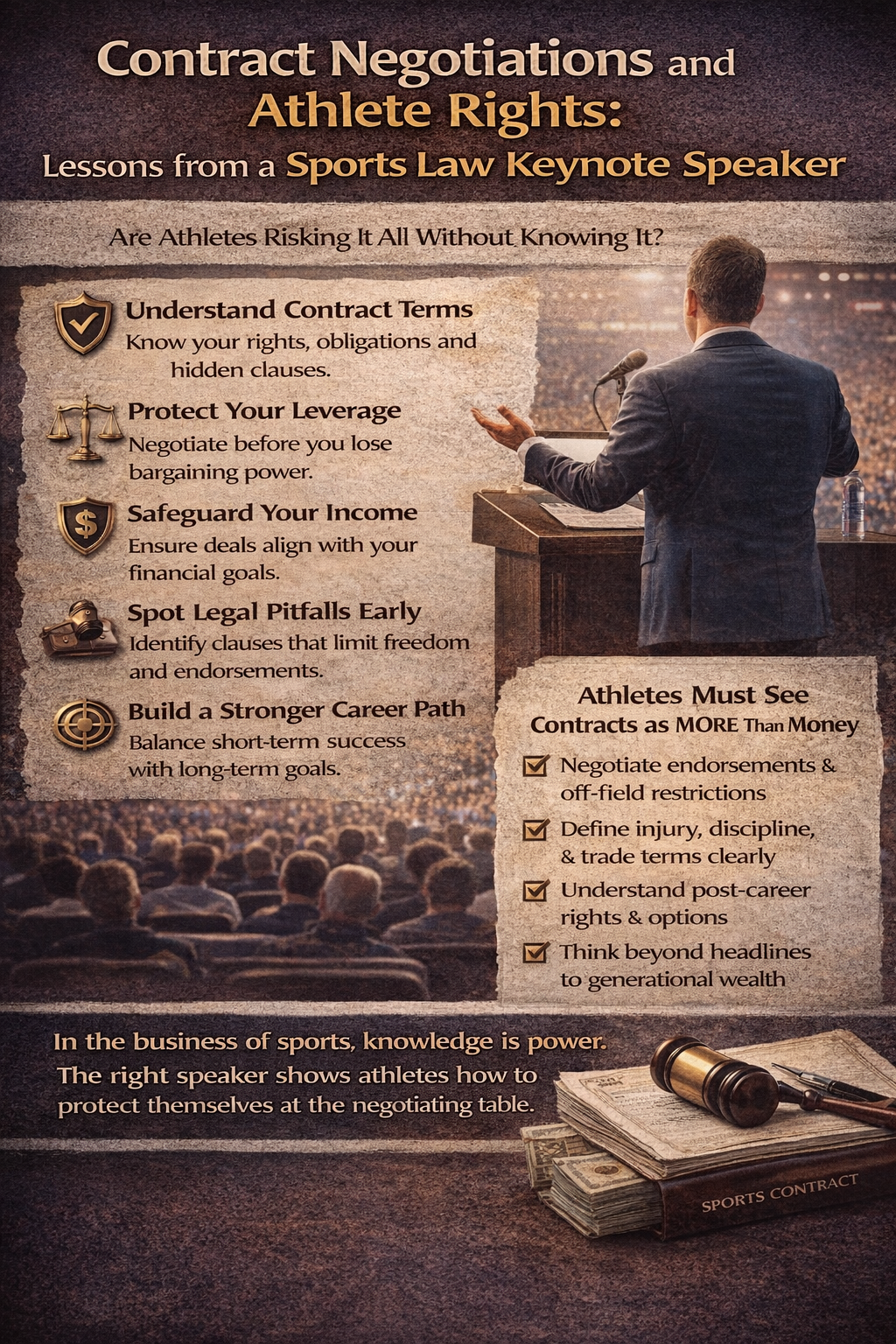
A keynote speech should not stay on the stage. It should move into action. Athletes should review their current contracts, understand their obligations, and assess risks.
Next steps can be simple:
- Review contract terms with a qualified professional
- Identify clauses that affect freedom and endorsements
- Clarify rights related to injury, discipline, and disputes
- Build a personal brand strategy aligned with long-term goals
Small steps create real protection.
The Final Message Athletes Need to Hear
Athletes deserve contracts that respect their talent, their labor, and their future. They deserve clarity, fair terms, and representation that protects their interests. And they deserve keynote speakers who tell the truth without turning the message into fear.
When athletes understand the power of negotiation, they stop feeling trapped. They become decision-makers instead of passengers. That shift doesn’t just protect careers—it protects life after sports.
That’s the real lesson.
Contact Us to Book a Keynote Speaker Experience With Andrew Rhoden
If your organization is planning an event that requires more than motivation—something that actually moves attendees to think, act, and lead—Andrew Rhoden is ready to deliver. Join the journey with Andrew Rhoden, a celebrated keynote speaker and legal luminary, known for his insight in sports law, business development, protecting generational wealth, and leadership. As one of today’s most engaging motivational speakers, he brings clarity to contract negotiations, athlete rights, and decision-making under pressure in a way that connects with any audience.
Andrew Rhoden is the right keynote speaker for corporate leadership events, business development seminars, academic programs, and professional conferences. Whether you’re planning an opening keynote, a high-impact keynote address, or a powerful closing keynote, his keynote speeches combine real-world examples with forward-thinking strategies that create lasting value for attendees. Andrew Rhoden has partnered with prestigious organizations and continues to create meaningful speaking opportunities that elevate events and strengthen leadership cultures.
Contact us at (888) 209-4055 to book a free consultation.
Let’s talk about your event goals, your audience, and how Andrew Rhoden’s keynote speaker experience can help your organization achieve greater success through dynamic, engaging, and motivational keynote speeches.
share this
Related Articles
Related Articles