


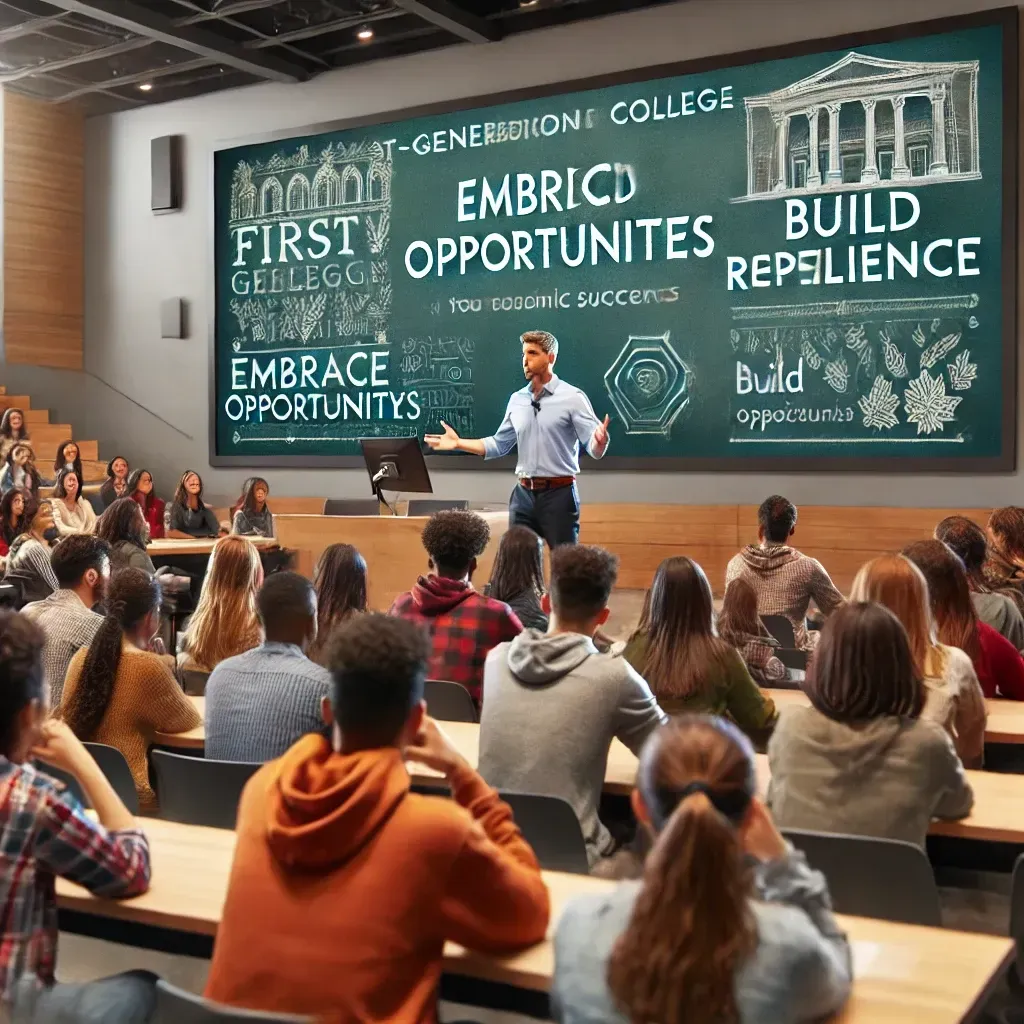


Turning Challenges Into Fuel: The Mindset of People Overcoming Adversity
There’s a moment many leaders recognize, even if they don’t say it out loud: the team is still showing up, but the energy is thin. Deadlines stack up, expectations rise, and adversity starts to feel like the background noise of everyday life. In that moment, motivation posters and one more “push through it” message rarely make all the difference. What actually helps is a mindset—and a practical process—for overcoming adversity that people can use in real time.
Organizations don’t need fear-based pressure to perform. They need people who can stay steady when adversity strikes, who can focus when things feel chaotic, and who can lead themselves through a difficult situation without burning out. This article breaks down the mindset patterns behind people overcome adversity, and how teams can build resilience through mental habits, self-discipline, and positive focus. Along the way, you’ll also see how a supportive culture can protect mental health, elevate well being, and turn hard seasons into meaningful growth.
The Truth About Adversity at Work and in Life
Adversity is not reserved for dramatic moments; it shows up in small, relentless ways. It can appear as conflict, uncertainty, pressure to perform, or a sense that you can’t catch your breath. Sometimes adversity is personal and private, and it walks into the office with someone who is doing their best to keep it together. In other seasons, adversity is shared—reorganizations, tight budgets, shifting demands, or the emotional weight of serving others.
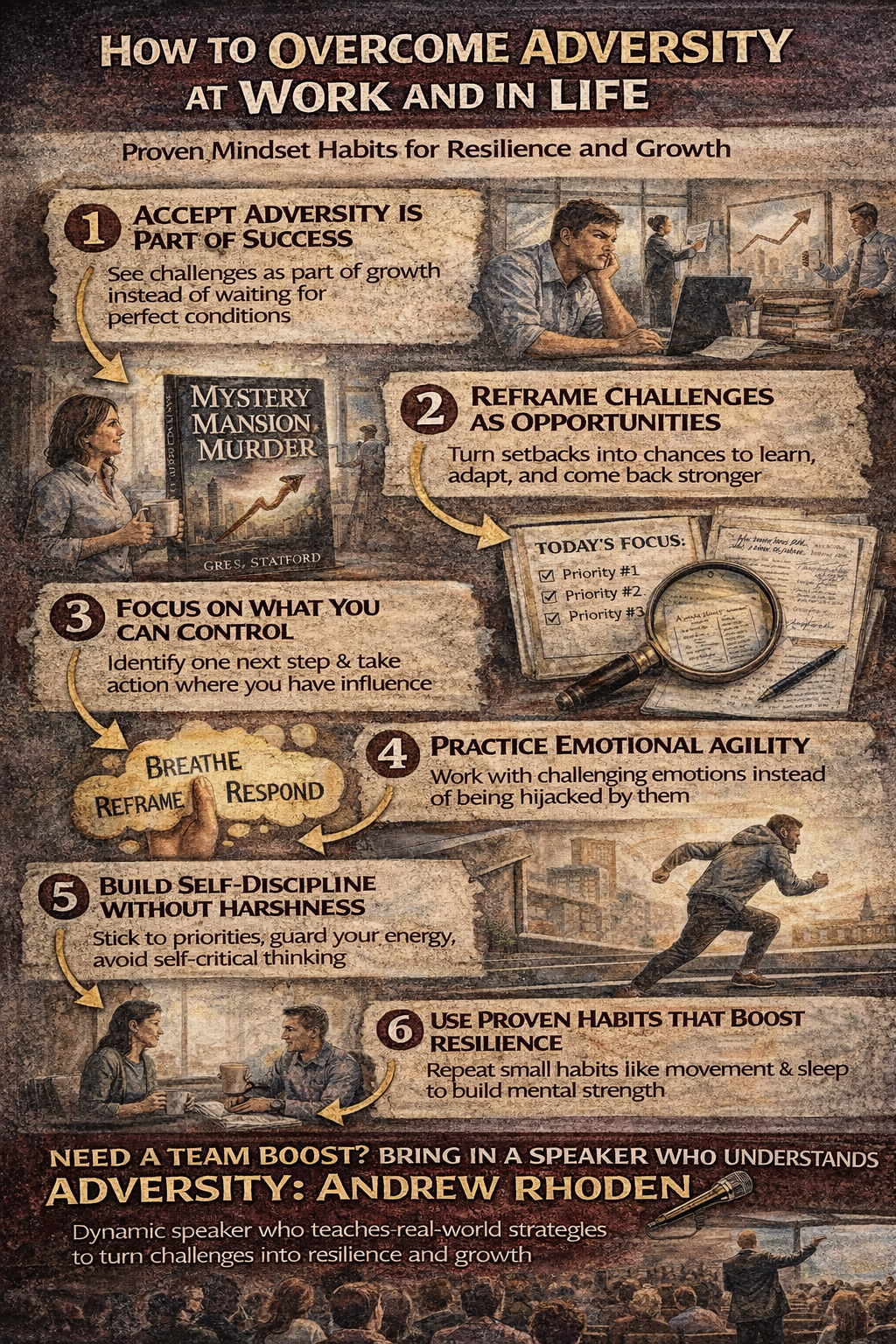
When you accept that adversity is part of life, you stop treating it like a surprise attack. You begin to treat it like a condition to train for, the way athletes prepare for weather, fatigue, and setbacks. That shift changes what leaders ask for and what teams build. Instead of waiting for perfect circumstances, they develop the habits to overcome pressure and stay productive. That’s the foundation of overcoming adversity at scale.
The Mindset Shift That Turns Challenge Into Fuel
A challenge becomes fuel when people stop viewing it as proof they are failing. The most resilient professionals see adversity as information: “This is hard—so I need better tools, clearer priorities, or stronger support.” That doesn’t mean they ignore emotions or pretend everything is fine. It means they learn to hold the emotion and still take action.
This is where the growth mindset shows up in real life. A growth mindset doesn’t erase pain; it reframes the meaning of the pain. It asks, “What can I learn, develop, or strengthen here?” That is meaning making, and it’s a key ingredient in overcoming adversity because it turns survival into purpose.
Resilience Is a Skill Set, Not a Personality Trait
Some people assume resilience is something you either have or you don’t. In reality, resilience is a set of trainable skills—mental, emotional, and behavioral. You can build resilience the way you build strength: with repetition, structure, and the right tools. That’s good news for organizations, because it means resilience can be coached, modeled, and supported.
The goal isn’t to create emotionless workers. The goal is to create resilient teams that can recover quickly when setbacks hit. When adversity happens, resilient people don’t avoid the problem; they manage it. They identify what they can control, what they can influence, and what they need to release. That ability to overcome is a competitive advantage.
The Brain Under Stress and the Cost of Chronic Pressure
Your brain is designed to protect you, but stress can hijack that system. Under pressure, the brain narrows attention, amplifies threat signals, and can pull people into reactive choices. That’s helpful in a true emergency, but it becomes harmful in modern work and everyday life where stress is constant. Over time, chronic stress can drain energy, lower patience, and reduce decision quality.
A team stuck in chronic stress may become more defensive, more distracted, and less creative. People may feel overwhelmed and start missing details, skipping rest, or operating on adrenaline. They may also drift into destructive thinking, assuming the worst or personalizing setbacks. Understanding how the brain responds to adversity is not “soft”—it’s practical leadership. If you want people to overcome challenges, you must support the nervous system, not just the task list.
Emotional Agility: Feeling It Without Being Driven by It
Emotions are data, not directives. In difficult seasons, people may feel frustration, grief, pressure, or anger, and those feelings can push impulsive choices. Emotional agility means noticing what’s happening inside without letting it dictate every move. It’s the ability to pause, label the emotion, and choose a response.
This matters because adversity often triggers fear, and fear tends to shrink perspective. When fear is driving, people can become rigid or avoidant, even when they are capable. Emotional agility expands choice: “I can be anxious and still do the next right step.” That is a core habit in overcoming adversity, and it builds confidence over time.
The Control Ladder: What You Can Do Today
In a difficult situation, teams often lose momentum because they try to solve everything at once. A more effective way is to build a “control ladder” that organizes action. Step one is to name what is happening. Step two is to identify what is within your control. Step three is to choose one action you can do today.
This practice strengthens resilience because it creates movement when people feel stuck. It also restores a sense of agency, which is vital for mental health in hard seasons. When leaders coach teams to focus on controllables, people overcome more quickly and with less emotional drain. Over time, this becomes a culture of disciplined focus.
Self-Discipline That Doesn’t Turn Into Self-Punishment
Self-discipline is essential for overcoming adversity, but it has to be healthy. Self-discipline is not the same as harsh self-talk or forcing productivity at all costs. When discipline becomes punishment, it can feed low self esteem, anxiety, and burnout. Healthy discipline is structured and compassionate: “I will do what matters, and I will protect my energy.”
Organizations can model this by rewarding steady execution, not just heroic overwork. They can create environments where people take breaks, ask for help, and recover after intense pushes. That’s how resilient teams stay strong over years, not just one quarter. The goal is sustainable performance, not short-term exhaustion.
Overcoming Adversity After Job Loss, Setbacks, and Public Failure
Some forms of adversity hit identity directly—like job loss, sudden demotion, or public criticism. These moments can make a person question their value and replay mistakes. They may feel like one bad season defines their entire life. In those moments, perspective matters.
Successful people often share a similar pattern: they acknowledge the loss, then rebuild from a clearer foundation. They separate the event from the person: “Something happened” versus “I am broken.” They look for potential solutions and the next constructive step. This is overcoming adversity in its clearest form: accepting what happened, then choosing to overcome anyway.
The Role of Support Systems in Building Stronger Teams
A support system is not a luxury; it’s an engine for performance under pressure. Teams with strong social support recover faster after stress and respond better to change. Support can be peer-based, leader-based, or professional. It also includes the psychological safety to speak up early instead of hiding problems until they explode.
Organizations can provide support through clear communication, coaching, and access to resources. They can also normalize asking for help, especially when people are carrying unseen burdens. When support is strong, people are less likely to spiral into isolation. That strengthens well being and makes overcoming adversity more realistic for the whole team.
When to Seek Professional Help and How Leaders Can Normalize It
Some challenges require more than grit and a good schedule. When anxiety becomes persistent, when sleep collapses, or when sadness deepens, it may be time to seek professional guidance. Leaders don’t need to diagnose anyone, but they can normalize professional help as a wise step. That culture reduces shame and protects long-term performance.
Mental health affects attention, decision-making, and relationships—at work and at home. Supporting mental health is also a way to prevent avoidable mistakes and emotional breakdowns. When leaders encourage people to seek professional support early, they reduce the severity of long-term stress. This protects the person, the team, and the mission.
Daily Habits That Help People Overcome Adversity
The fastest path to overcoming adversity often comes from small habits done consistently. These habits stabilize the body and calm the mind so people can think clearly. They also create rhythm during chaos, which helps the brain feel safer. A balanced diet, steady hydration, and regular movement can support energy and mood more than people expect.
You don’t need perfection to get results. You need repeatable habits that reduce noise and increase clarity. Over time, those habits help people overcome more challenges with less emotional volatility. That is how resilience becomes visible in everyday life.
Practical Strategies Teams Can Use in the Next Week
Here are grounded strategies leaders can introduce quickly without overwhelming the schedule:
- Set a daily “top three” to protect focus and reduce decision fatigue.
- Use short debriefs after hard moments to name what happened and what was learned.
- Create a buddy system so no one carries pressure alone.
- Establish simple boundaries that protect recovery time and reduce chronic stress.
- Teach a reset ritual: breathe, label the emotion, choose the next action.
These strategies work because they are small enough to stick. They build resilience through repetition, not hype. They help people overcome the next challenge instead of fearing it. Over time, they strengthen the human spirit in a practical, observable way.
Turning Past Pain Into Future Power
Many people carry the past like a weight. They remember failures, losses, or moments they wish they could redo, and those memories shape their choices. But the past can also become a training ground. When a person learns to extract lessons from pain, they turn scars into strength.
This is the heart of overcoming adversity: you don’t erase what happened, you integrate it. You learn what you needed then and what you can provide now. That builds inner strength and stronger leadership presence. It also helps teams create a culture where hardship becomes a teacher, not a life sentence.
Stories That Move Teams: The Power of Meaning and Momentum
Organizations are built on stories—the stories people tell about what matters, what’s possible, and how to respond when things go wrong. When leaders tell honest stories about setbacks, they reduce shame and increase courage. When teams share stories of growth, they build trust. That’s how culture becomes stronger than circumstances.
A powerful story doesn’t need drama; it needs truth. It can be a moment that changed someone, a season when they nearly quit, or a time they stayed steady under pressure. These stories help people overcome because they create shared meaning. They remind the group that pain is part of life, and progress is still possible.
The Moment Adversity Strikes: What to Do First
When adversity strikes, the first goal is stabilization. People often want immediate answers, but the best first step is to calm the system and create clarity. Ask: What is happening? What is required today? What is the next safe step? That reduces panic and creates forward motion.
This is also where leaders set the tone. If leaders react with blame, the team contracts into fear. If leaders react with clarity and empathy, the team expands into problem-solving. That difference can make all the difference in morale and performance.
Courage, Confidence, and the Will to Overcome
Courage is not the absence of fear; it’s action in the presence of fear. Confidence often grows after the action, not before it. When people practice small acts of courage repeatedly, confidence becomes a byproduct. That is how people overcome long-term adversity—one disciplined decision at a time.
This matters in organizations because confidence spreads. A confident person lifts others, steadies conversations, and restores momentum. In hard seasons, confidence is not arrogance; it’s stability. It is the quiet belief that you can handle what is happening, even if it’s uncomfortable.
What Resilient People Do Differently in Difficult Times
In difficult times, resilient people tend to do a few things consistently. They protect their attention, they ask for support, and they avoid catastrophic narratives. They also make choices that support their body and brain, because they know performance is physical as well as mental. Most importantly, they keep returning to purpose.
They don’t pretend adversity is easy. They accept the challenge and choose the next constructive step. They learn, adjust, and continue. That is what it means to build resilience in real life, not just in theory.
Turning Challenges Into Fuel With Andrew Rhoden
Organizations often bring in a speaker when they want a reset—when the team needs direction, energy, and a practical way forward. Andrew Rhoden is more than just a speaker—he is a motivator who speaks from experience, offering real-world insights and empowering his audience to push beyond their limits. With an impressive career as a professional speaker, Andrew Rhoden has gained recognition as a thought leader in motivational speaking. Whether discussing leadership, personal development, or business success, Andrew’s speeches resonate deeply with his listeners.
What makes a message land is credibility and clarity. A study showed that mindset practices are more likely to stick when people understand the “why” and the “how,” not just the emotion of the moment. Andrew’s approach blends inspiration with usable tools, helping teams translate motivation into habits that build resilience. The result is a stronger culture of overcoming adversity that people can apply the next day, not just remember for one night.
A Strong Finish: Making the Next Chapter Better Than the Last
Every organization faces adversity. The question is whether you let adversity define your team, or you use adversity to refine it. When leaders build environments that support mental health, strengthen well being, and teach people to overcome with discipline and clarity, teams become more resilient over time. The challenges don’t disappear, but the team’s ability to respond becomes stronger, faster, and more confident.
If your organization is ready for a message that is motivating and practical—without being fear-driven—this is the right time to act. Adversity will keep showing up, but so will opportunity. With the right mindset, the right tools, and the right support, your people can turn challenge into fuel and step into a more resilient future.
Contact Us for a Free Consultation
If your team is facing pressure, change, burnout, or a season where adversity feels nonstop, we can help you create a stronger response plan. Andrew Rhoden delivers thought-provoking talks that connect mental resilience to real workplace performance, helping organizations strengthen focus, self-discipline, and the ability to keep moving forward during difficult times. This is not hype—it’s a practical approach to overcoming adversity that supports your people and improves outcomes.
Contact us at (888) 209-4055 to book a free consultation. We’ll discuss your organization’s goals, the challenges your team is facing, and how a tailored keynote or training can help your people build resilience, protect mental health, and develop the mindset that helps them overcome adversity with confidence and purpose.
share this
Related Articles
Related Articles