




How to Inspire a Whole Campus With One High-Energy Speaker Session
The Power of a School Speaker to Transform a Campus
Every school has moments where it needs more than just academics to drive change. A school speaker brings energy, perspective, and connection to students and educators alike. Whether during leadership days, back-to-school season, or critical test prep weeks, a powerful presentation can inspire an entire campus. When students feel motivated, engaged, and seen, the entire school culture begins to shift in a positive direction.
Why Motivational Speakers Make a Difference in Education
Reaching Students Beyond the Classroom
While teachers focus on daily education and lessons, motivational speakers add a unique voice that captures attention in new ways. By sharing stories, real-life experiences, and powerful messages, youth motivational speakers connect with students on a deeper level. This engagement is essential to inspire positive choices and encourage students to dream big about their future.
Inspiring Students to Believe in Their Potential
Many students carry hidden doubts about their abilities. By hearing from motivational speakers, they start to see new possibilities. Student audiences respond to motivational youth speakers because they present life lessons in relatable language. Through this, students begin to imagine their own lives filled with hope and success.
The Impact of Youth Motivational Speakers
Encouraging Growth and Confidence
Youth motivational speakers help young people build self esteem and confidence. Their presentations often focus on growth mindset principles, helping students realize they can overcome challenges. For many teenagers and middle school students, this spark of belief is the first step toward achieving success in both school and life.
Connecting With Young Adults Through Stories
Young adults and high school students often learn best through stories. Youth motivational speakers share their own journeys, including struggles with mental health, bullying, or peer pressure. These stories demonstrate resilience, personal growth, and good character, showing that setbacks don’t define a person’s future.
Creating a Safe Environment for Students
Addressing Important Life Topics
Students face real challenges every day—mental health concerns, drug abuse, peer pressure, and negative choices. When a motivational youth speaker addresses these issues, they create a safe environment where students can reflect on their own decisions. The goal isn’t to lecture, but to guide young people toward positive choices.
Developing Trust With a Caring Adult
For many students, hearing from a caring adult outside of their teachers or parents makes a huge difference. Youth speakers develop trust by being relatable and authentic. This trust allows them to connect in ways that classroom authority figures sometimes cannot.
Inspiring School-Wide Engagement
The Role of Guest Speakers in School Culture
Guest speakers play an important role in shaping school culture. They highlight the importance of respect, healthy relationships, and creating unity across grades. One session can empower students to work together, support one another, and bring positive energy back to classrooms.
How a Keynote Speaker Energizes the Entire Audience
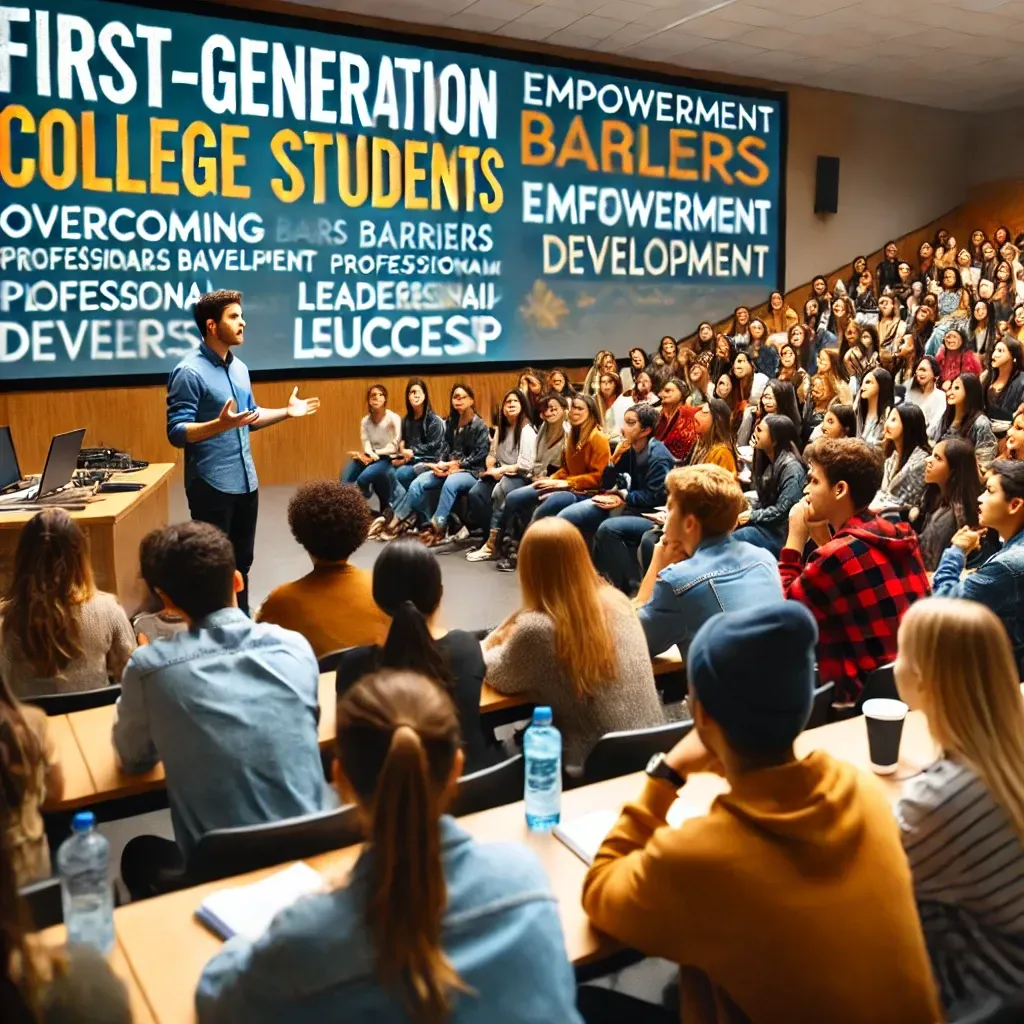
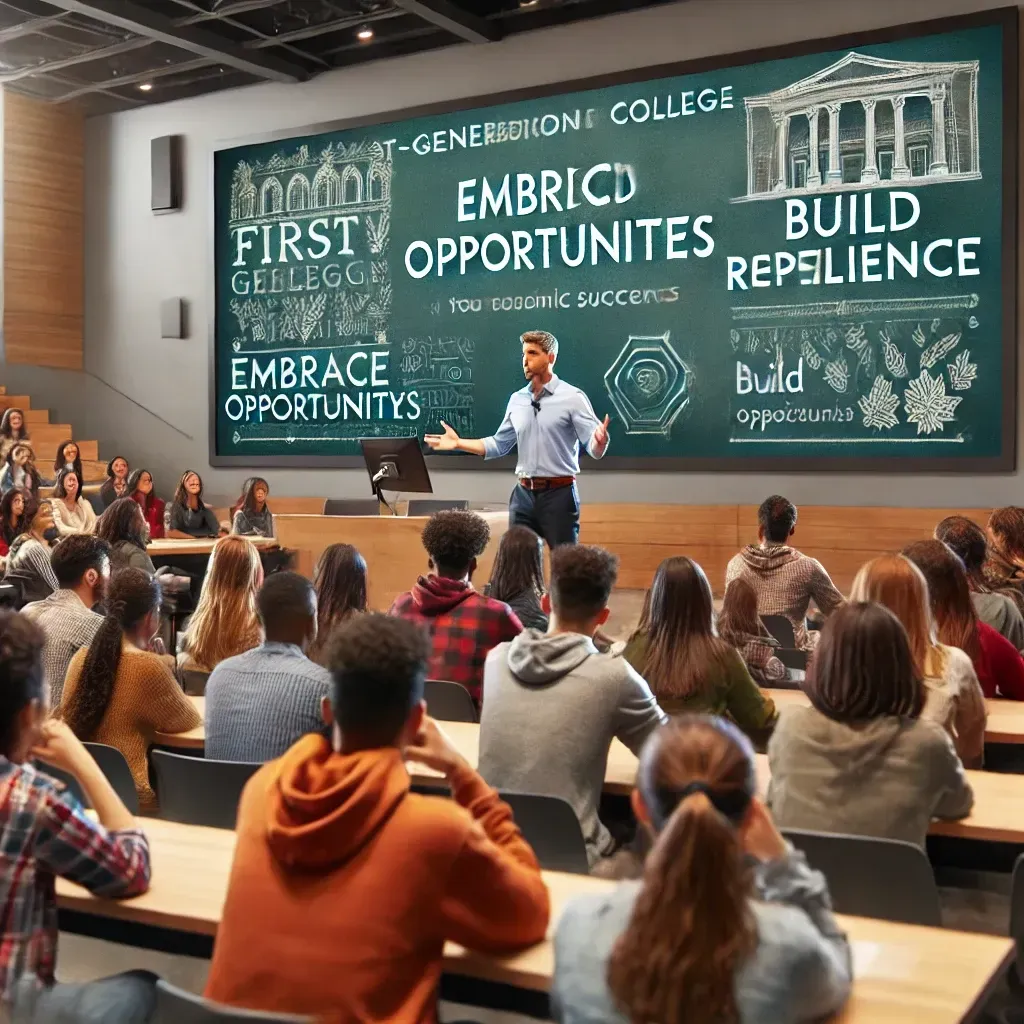
A keynote speaker can unify a large audience of students, educators, and even parents during big events. With humor, storytelling, and impactful delivery, keynote speakers grab attention and hold it. The result is a memorable program that inspires students and reinforces the efforts of educators.
Programs Designed for All Levels of Students
Motivating Middle School Students
Middle school is a time of transition and challenges. Youth motivational speakers help children in these grades understand the importance of building good character, making positive choices, and learning from mistakes. The goal is to empower students early, so they develop confidence before reaching high school.
Engaging High School Audiences
High school students respond to presentations that feel real. Youth speakers emphasize motivation, leadership, and preparing for life after graduation. Topics often include building healthy relationships, setting goals, and staying focused during test prep season. These programs inspire students to look ahead with hope and determination.
The Role of Motivation in Building a Stronger Future
Encouraging Personal Growth and Resilience
Motivational speakers encourage students to focus on personal growth. By showing that setbacks are part of learning, speakers help students understand how to bounce back stronger. This perspective inspires hope and reassures young people that success is built step by step.
Empowering Students to Achieve Success
The best youth motivational speakers emphasize that every student has the power to achieve success. Whether through extracurricular activities, leadership roles, or academics, students learn they have control over their own future. These presentations give students tools to create opportunities and stay motivated.
Topics That Inspire Students and Educators
Focusing on Mental Health and Well-Being
Mental health remains one of the most important issues in schools today. Motivational youth speakers address stress, anxiety, and the pressures of school life in ways students understand. They provide strategies to maintain balance, build healthy relationships, and seek support when needed.
Anti-Bullying and Positive Choices
Anti bullying programs led by motivational speakers encourage kindness and empathy. They show students how to resist peer pressure and avoid negative choices. These presentations not only inspire students, but also strengthen school culture by fostering respect and unity.
The Power of One High-Energy Presentation
Uniting Students and Teachers in a Shared Experience
One of the most exciting aspects of a high-energy speaker session is how it unites students, teachers, and administrators. The entire school participates in an event that reinforces community and builds momentum. This creates lasting impact long after the presentation ends.
Creating Lasting Motivation Beyond the Event
A single program, delivered with energy and passion, has the power to transform student attitudes. When young people hear messages of hope, resilience, and motivation, they carry them into their own lives. These presentations encourage students to set goals, believe in themselves, and stay committed to success.
What to Expect From the Best Youth Motivational Speakers
The best youth motivational speakers bring:
- Engaging delivery with humor and stories
- Clear, powerful messages that connect with students
- Body language and energy that command attention
- Practical tools students can apply in daily life
- A call to action that inspires students and educators alike
These elements make the difference between a good program and a life-changing event.

How Andrew Rhoden Inspires Schools Across the Country
Andrew Rhoden is an experienced school speaker known for his ability to inspire students of all ages. His programs are designed for middle school, high school, and young adults, with topics tailored to each audience. Andrew uses life stories, interactive presentations, and motivational energy to empower students to make positive choices.
His approach is not about lecturing—it’s about connecting. Andrew communicates with students in a way that feels personal and relatable, giving them the tools they need to build confidence, embrace a growth mindset, and take ownership of their learning.
Helping Schools Build Stronger Communities
Schools that host youth motivational speakers often see a stronger sense of community afterward. Students are reminded of the importance of teamwork, respect, and supporting one another. Teachers and educators also benefit, as the messages delivered during the program reinforce their daily efforts in the classroom.
By investing in motivational speakers, schools demonstrate their commitment to student well-being, personal growth, and long-term success. The value goes beyond one event—it shapes the way students view themselves and their role in the world.
Choosing the Perfect Speaker to Reach Every Student
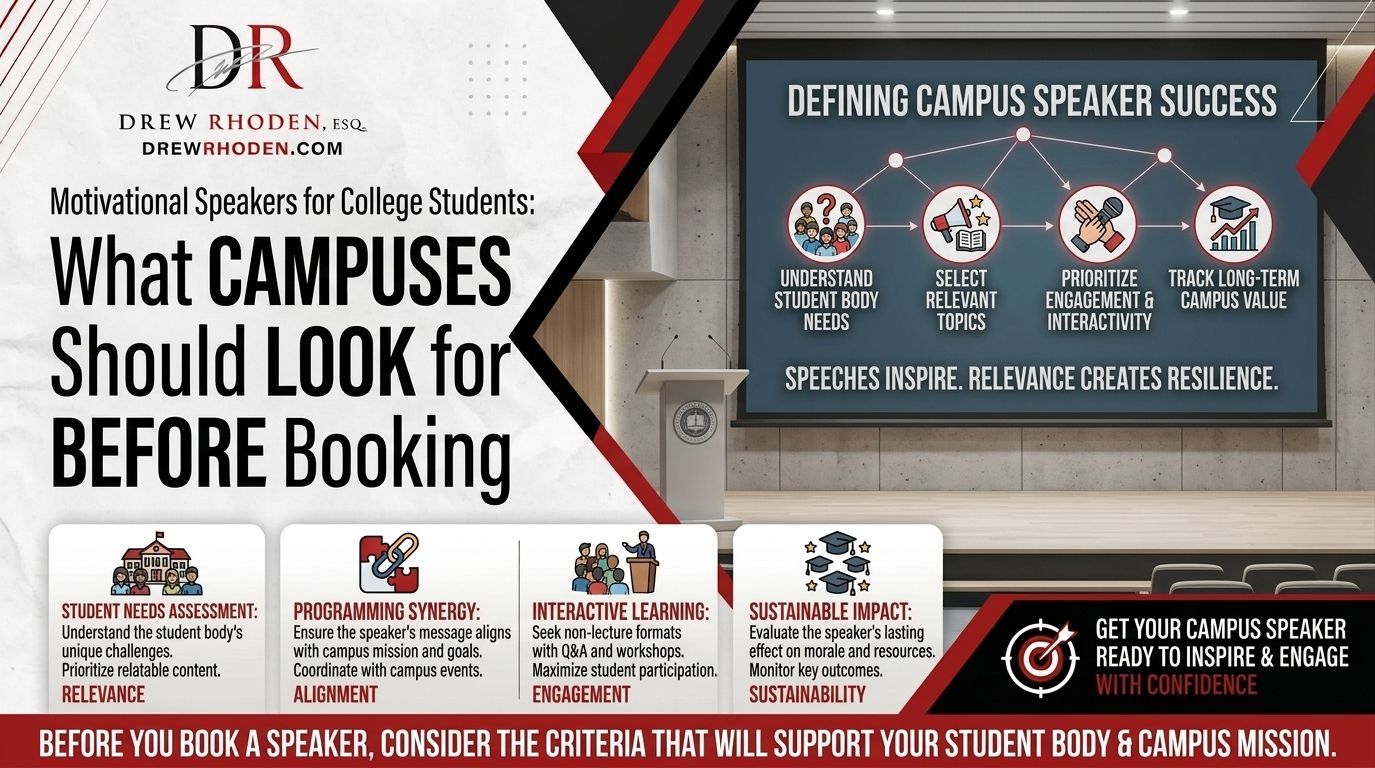
A motivational youth speaker has the ability to transform the energy of an entire campus in just one session. The perfect speaker doesn’t just talk at students—they connect, inspire, and challenge them to see their own potential in new ways. By combining powerful storytelling with relatable experiences, a skilled motivational youth speaker ensures that every student feels included and motivated. Schools that bring in the perfect speaker often see immediate improvements in school culture, with students leaving energized, hopeful, and ready to take positive action.
A Perfect Speaker Who Can Talk to Every Student and Pass the Parent Test
When schools bring in a motivational youth speaker, the goal is to find the perfect speaker who can connect with all students—including those in special education programs, middle school, and high school. Parents often ask themselves a simple “parent test” question: Would I want my own child to hear this talk? The best speakers pass that test easily by delivering meaningful, relatable, and uplifting messages that encourage positive choices. A perfect speaker addresses the diverse needs of a campus community, ensuring every student leaves the session inspired and ready to grow.
Take the Next Step for Your School
If your school is planning a leadership day, back-to-school event, or test prep program, now is the time to bring in a speaker who can inspire lasting change. Andrew Rhoden, an experienced and passionate school speaker, delivers impactful presentations designed to motivate students, support educators, and energize entire campuses.
Known as one of the best youth motivational speakers, Andrew has worked with schools across the country, inspiring students to dream big, make positive choices, and believe in their ability to achieve success. His programs are engaging, practical, and tailored to the unique needs of each school community.
Contact us today at (888) 209-4055 to book a free consultation. Andrew works with schools nationwide, bringing motivation, hope, and inspiration to middle school and high school students, teachers, and parents. Don’t wait to create a moment that unites your campus and inspires your students—take action now to bring the energy of a high-impact speaker session to your school.
share this
Related Articles
Related Articles