




How Inspirational Guest Speakers Help Schools Navigate Challenging Times
Schools today face numerous challenges, from addressing mental health concerns to fostering a positive school culture. Inspirational guest speakers for schools provide valuable insights, encouragement, and motivation to students and educators alike. These motivational speakers share real-life experiences, offer solutions to common struggles, and help shape the mindset of young people to make positive choices in their academic and personal lives.
Addressing Mental Health and Well-Being
Supporting Student Mental Health
Mental health is a growing concern in schools, with many students struggling with anxiety, depression, and other mental illnesses. A motivational youth speaker who specializes in mental health awareness can offer guidance on overcoming adversity, building resilience, and developing a growth mindset to navigate stress and challenges.
Key topics covered in mental health-focused speaking engagements include:
- Coping strategies for anxiety and stress
- Recognizing and managing childhood trauma
- The importance of healthy relationships
- Creating a safe space for open conversations about emotions
Encouraging a Positive School Culture
School culture plays a critical role in student engagement and academic success. Leadership speakers help foster a supportive environment by promoting inclusivity, empathy, and motivation. When students and educators experience a strong sense of community, they are more likely to thrive academically and personally.
Inspiring Students to Achieve Success
Engaging Student Audiences with Powerful Stories
Many students struggle with low self-esteem, fear of failure, or lack of motivation. Hearing from a school speaker who has faced and overcome similar challenges can inspire them to achieve success despite obstacles. Best youth motivational speakers often share:
- Personal experiences of overcoming adversity
- Strategies to maintain a strong belief system
- Encouragement for students to stay committed to their goals
Impact on High School and Middle School Students
High school students and middle school students face different challenges, but both groups benefit from exposure to motivational speakers who can speak to their unique experiences. Whether addressing peer pressure, academic stress, or future career decisions, these speakers provide guidance and reassurance.
How Guest Speakers Empower Educators
Equipping Teachers with Tools for Student Engagement
Teachers play a vital role in shaping students' futures, but they, too, face challenges in maintaining motivation and effectiveness. Speakers for schools provide fresh perspectives and new ideas on student engagement, classroom management, and fostering positive culture in schools.
- Encouraging growth mindset strategies for students
- Offering practical methods to effectively communicate with students
- Reinforcing the importance of caring adult relationships in student development
The Role of Keynote Speakers in Professional Development
A keynote speaker for educators brings expertise on important topics such as special education, mental health awareness, and innovative teaching techniques. Investing in educational leadership seminars helps teachers feel more prepared and empowered to support their students.
Navigating Social Pressures and Risky Behaviors
Addressing Risky Behaviors Among Youth
Students today face peer pressure that can lead to risky behaviors, including substance abuse and negative choices. Youth motivational speakers tackle these issues head-on, providing students with real-life examples of the consequences of their decisions and strategies to resist negative influences.
Teaching Young People to Make Positive Choices
By sharing powerful stories and personal experiences, motivational speakers encourage students to make informed, positive choices. Topics covered may include:
- The dangers of drug abuse and how to avoid it
- How to develop a strong support system
- The importance of setting personal and academic goals

The Power of Community Support
Engaging Parents and Educators in the Conversation
Schools thrive when parents, educators, and students work together to create a supportive learning environment. Speakers for schools help bridge the gap between students and their community support system, ensuring that everyone plays an active role in the educational process.
Providing Students with Mentorship Opportunities
Having a motivational youth speaker visit schools can spark interest in mentorship programs that provide long-term support for young people. These initiatives help students feel connected to future leaders who can guide them through critical decisions and life changes.
Choosing the Perfect Speaker for Your School
What to Look for in a School Speaker
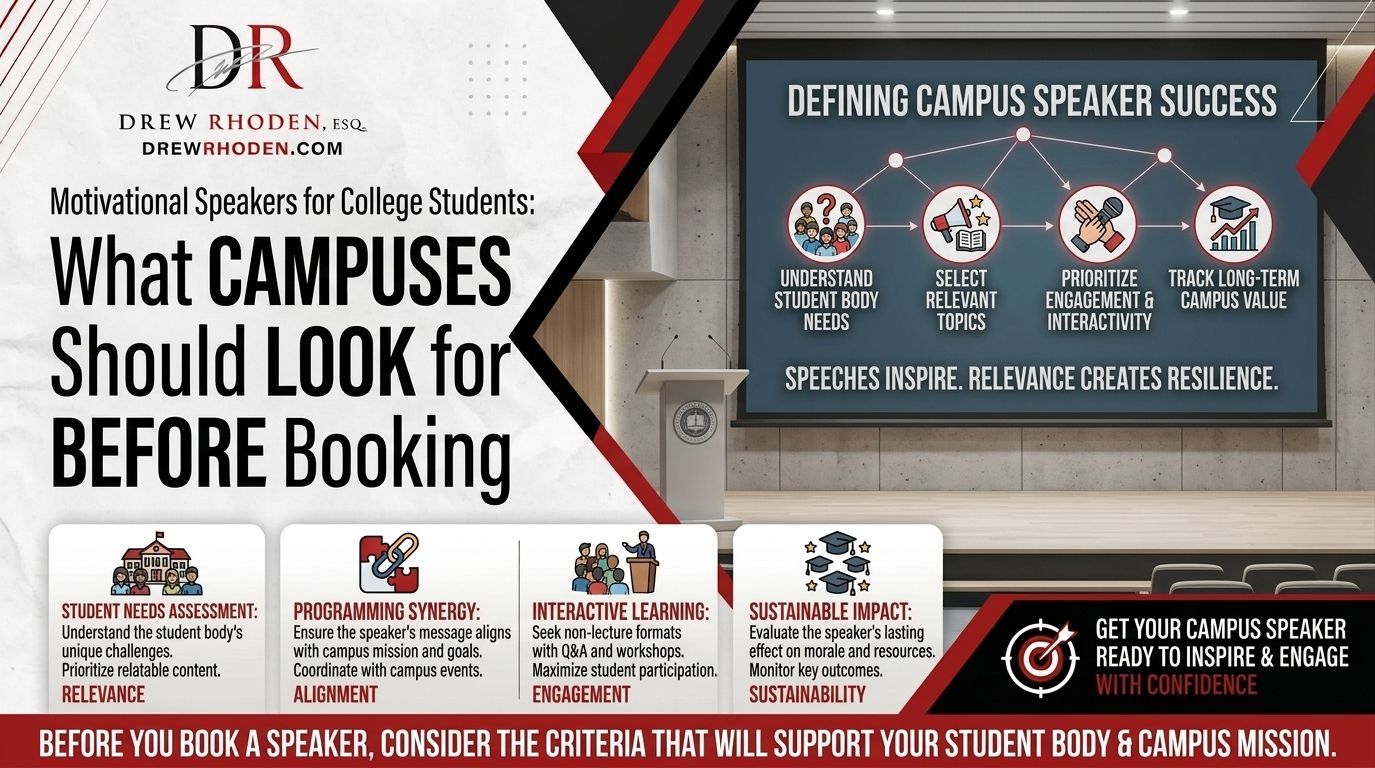
Finding the perfect speaker for your school requires careful consideration of the following factors:
- Their speaking style and ability to engage diverse student audiences
- Experience working with high school students and middle school students
- Knowledge of topics relevant to students nationwide
- Ability to inspire and leave a lasting impact
How Schools Can Benefit from Guest Speakers
By selecting the right motivational speakers, schools can:
- Improve student outcomes through increased engagement and motivation
- Strengthen relationships between students, teachers, and parents
- Create a positive culture that encourages students to strive for success
Engaging College Students and Young Adults with Inspirational Guest Speakers
Inspirational guest speakers play a vital role in shaping the perspectives of college students, young adults, and young students who are preparing for their future careers and personal growth. The top motivational speakers bring real-world experiences, success stories, and strategies for overcoming obstacles, helping students navigate challenges in both academics and life.
By sharing a personal story, these speakers connect with audiences on a personal level, making their messages more impactful. They incorporate body language and an engaging message to keep students attentive and involved. Many speakers also emphasize the importance of creating safe spaces in schools, where students feel comfortable discussing their struggles. With a deep understanding of student challenges, speakers provide actionable insights that encourage positive change. Schools and universities can benefit from speakers who deliver powerful background information on resilience, leadership, and success, ensuring that students gain the motivation they need to thrive.

Empowering the Next Generation with Motivational Speakers for Students
Bringing in motivational speakers for students can transform the way young minds approach challenges, education, and personal growth. These speakers provide powerful insights that help college students, young adults, and young students develop resilience, confidence, and a strong vision for their future.
Through compelling personal stories and an engaging message, speakers connect with students on a personal level, encouraging them to overcome obstacles and make positive choices. By fostering safe spaces in schools, these speakers inspire students to unlock their full potential and take control of their academic and personal journeys.
The Impact of Educational Motivational Speakers on Student Success
Bringing in educational motivational speakers can be a game-changer for schools looking to inspire students and educators alike. These speakers help college students, young adults, and young students navigate challenges, build resilience, and develop a strong mindset for academic and personal growth.
By sharing a personal story and using an engaging message, motivational speakers connect with students on a personal level. They reinforce the importance of creating safe spaces in schools where students feel encouraged to express themselves and make positive choices. With a deep understanding of student struggles, these speakers provide guidance that fosters self-confidence, leadership, and a strong belief in one’s potential.
Choosing the Best Guest Speakers for Schools to Inspire and Motivate Students
Selecting the best guest speakers for schools ensures that students receive impactful messages that resonate with their challenges and aspirations. These speakers bring real-world experience and engaging storytelling techniques that capture the attention of college students, young adults, and young students alike.
A great school speaker uses an engaging message and a personal story to create connections on a personal level with their audience. They help students develop confidence, make positive choices, and navigate obstacles such as academic stress, self-esteem issues, and future career decisions. By choosing speakers who provide relatable insights and motivation, schools can foster safe spaces where students feel heard, understood, and empowered to overcome challenges.

Inspiring Change with a Youth Motivational Speaker
A youth motivational speaker plays a crucial role in shaping the mindset of young individuals by addressing real-life challenges and fostering personal growth. Through engaging messages and relatable personal stories, these speakers connect with young students, college students, and young adults on a deeper level.
By promoting self-confidence, resilience, and leadership, a youth motivational speaker helps students develop a positive outlook on life. Their ability to use body language effectively and share background information about overcoming adversity makes them a powerful influence in encouraging students to set goals and strive for success.

Empowering Schools with Inspirational Guest Speakers
Schools looking to inspire students and educators can benefit greatly from inspirational guest speakers for schools who specialize in fostering motivation, resilience, and leadership. These professionals are often among the top motivational speakers, using their personal experiences to connect with young persons and provide actionable insights for success.
The best youth motivational speakers go beyond storytelling; they equip students with the tools to make positive choices, build confidence, and navigate challenges. Their presentations also resonate with teachers alike, reinforcing the importance of creating supportive learning environments. With expert leadership speakers, schools can cultivate a culture of empowerment and personal growth.
Speak with an Expert School Speaker
If your school is looking for an inspirational guest speaker, Andrew Rhoden is here to help. As an experienced and passionate school speaker, Andrew delivers engaging and impactful presentations tailored for high school students, middle school students, and educators. His ability to connect with young audiences ensures that students leave feeling inspired and motivated to reach their fullest potential.
Contact us at (888) 209-4055 to book a free consultation. We work with schools across the country to provide meaningful and engaging speaking experiences that leave a lasting impact. Whether you’re looking for a keynote speaker for students or educators, our presentations are designed to drive change and inspire growth.
share this
Related Articles
Related Articles