





Inspiring Change: How School Speakers Create Lifelong Confidence in Students
The Transformative Role of School Speakers
Speakers for schools play a vital role in shaping the confidence and resilience of students, preparing them for success in academics and life. Through engaging presentations, motivational speakers address challenges faced by youth and provide actionable strategies for overcoming adversity. These sessions inspire students to take control of their futures by building self-assurance and resilience.
Youth motivational speakers bring real-life experiences to the stage, connecting with students on a personal level. By focusing on relatable life topics, they create a safe space for open communication, fostering growth and understanding. These presentations are designed not just to inform but to empower, offering a lasting impact on young audiences.
Building Resilience Through Personal Stories
One of the most powerful tools motivational speakers use to inspire change is storytelling. Sharing personal stories of overcoming adversity helps students understand that challenges are a natural part of life and can be overcome with determination and effort. These stories allow students to connect deeply with the speaker, reinforcing the message of resilience.
For high school and middle school students, hearing a powerful story from a speaker who has faced similar struggles can be transformative. It provides hope and motivation, showing that their unique challenges can lead to personal growth and success.
Encouraging Leadership and Confidence
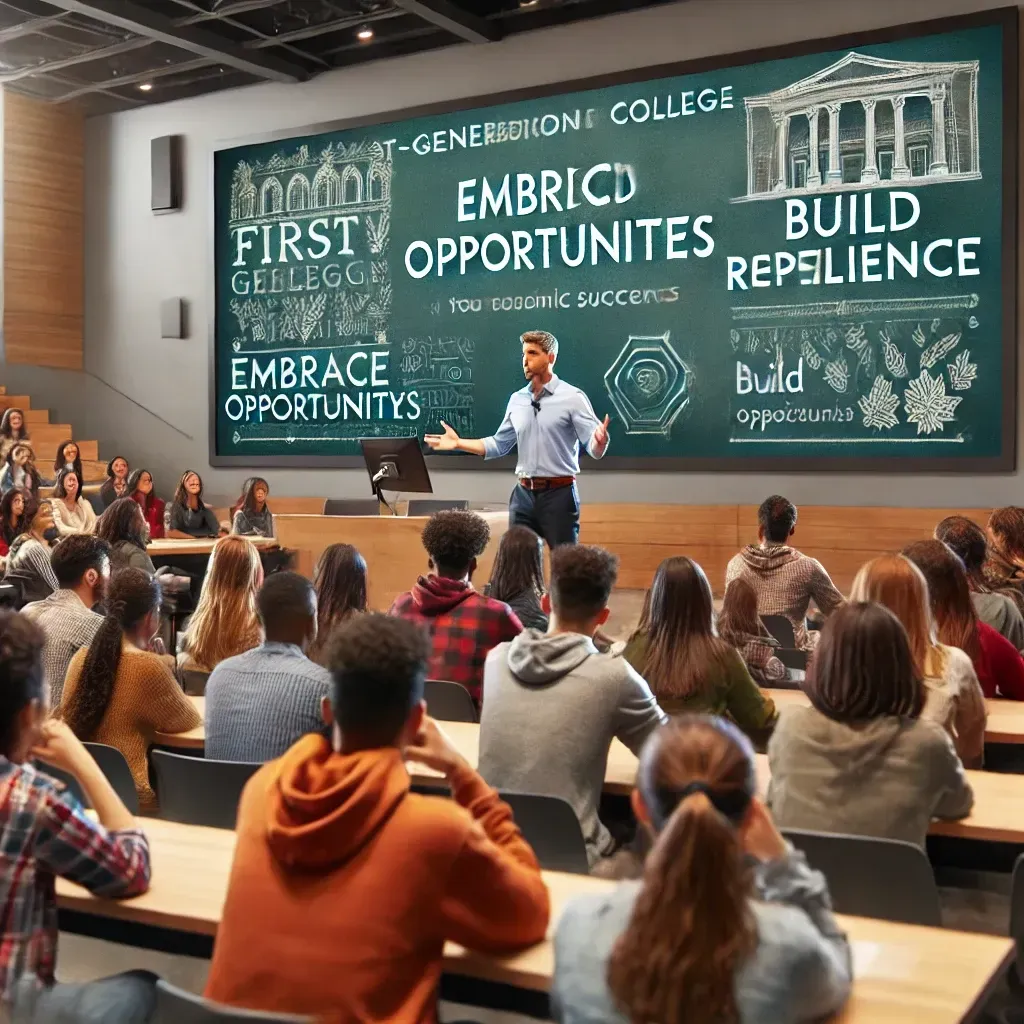
Leadership speakers emphasize the importance of confidence in creating future leaders. Through interactive sessions, they encourage students to embrace their abilities and take initiative. Whether working on group projects, participating in campus culture activities, or leading in their communities, students gain skills to inspire positive change.
By focusing on self-belief and teamwork, these sessions create opportunities for young audiences to practice leadership in a supportive environment. This approach helps students nationwide develop the confidence to lead in school and beyond.
Addressing Mental Health to Build Strong Foundations
Mental health is a critical topic that speakers for schools address with sensitivity and expertise. By discussing mental health awareness, suicide prevention, and overcoming self-harm, motivational speakers create a safe space for students to explore their emotions and seek help when needed. These discussions foster resilience and promote healthy relationships among peers.
A mental health speaker can also provide tools for managing stress and anxiety, which are common among college students and young adults. This focus equips students with strategies to maintain their well-being, ensuring they can achieve success both academically and personally.
Enhancing Student Engagement Through Interactive Sessions
Interactive sessions are a hallmark of successful motivational speakers. By involving students in discussions and activities, speakers boost student engagement and encourage participation. This approach allows students to connect with the speaker's message and apply it to their own lives.
Guest speakers also tailor their speaking style to the needs of the audience, ensuring that the content resonates with students, teachers, and parents alike. This adaptability makes them the perfect speaker for diverse educational settings, from high schools to middle schools.
Fostering a Positive Campus Culture
A positive culture in schools is essential for student success, and school speaker programs contribute significantly to this goal. Motivational speakers focus on creating an inclusive environment where students feel supported and valued. By addressing topics like bullying, drug abuse, and healthy relationships, they promote a culture of respect and understanding.
These programs also encourage teachers and educators to implement strategies that reinforce the speaker's message, creating a long-term impact on campus culture. This collaboration between speakers and schools strengthens the community and enhances the overall educational experience.
The Lasting Impact of Motivation on Students' Futures
Motivational speakers inspire students to think beyond their immediate circumstances and envision a brighter future. By emphasizing personal growth and the power of hope, these sessions help students develop a positive outlook on life. This forward-thinking mindset is crucial for overcoming challenges and achieving long-term success.
For many students, the lessons learned from a school speaker program become guiding principles in their adult lives. These programs provide valuable insights that help students navigate life's complexities with confidence and determination.
Why Schools Should Invest in Motivational Speaking Programs
Investing in motivational speakers for schools is a decision that yields significant benefits for students, educators, and the broader community. These programs equip students with essential life skills, such as resilience, confidence, and leadership, that are critical for their future success. They also provide teachers with tools to encourage student engagement and foster a supportive learning environment.
By bringing in youth motivational speakers, schools demonstrate a commitment to the well-being and personal growth of their students. This investment creates a foundation for lasting positive change, both within the school and in the lives of its students.
Key Topics Covered in School Speaker Programs
Motivational speaking sessions for schools often focus on the following topics:
- Leadership and teamwork.
- Mental health awareness and suicide prevention.
- Overcoming adversity and building resilience.
- Setting and achieving personal and academic goals.
- Drug abuse prevention and healthy relationships.
- Inspiring hope and fostering a positive outlook on life.
These topics address the unique challenges faced by young audiences, ensuring that every session is impactful and relevant.

Empowering Education Through Top Motivational Speakers and Community Support
Top motivational speakers play a crucial role in fostering educational leadership and inspiring young students to build lifelong confidence. These keynote speakers effectively communicate essential life skills, encouraging young people to overcome challenges and explore new ideas. By offering a deep understanding of issues like mental illness and resilience, they provide invaluable background information that equips students to navigate both personal and academic challenges.
Many speakers also emphasize the importance of community support, helping schools create a safe and inclusive environment where young students can thrive. Their presentations not only inspire confidence but also reinforce the value of education as a tool for achieving personal and professional success. This combination of insight and encouragement makes motivational speakers a transformative force in the lives of students.
Transforming Students’ Lives with Speakers for Schools and Community Engagement
Speakers for schools bring impactful presentations that address critical issues while equipping young students with the confidence they need to succeed. These top motivational speakers engage with students through educational leadership and relatable stories, fostering a deep understanding of topics such as mental illness and resilience. Their ability to effectively communicate inspires young people to embrace new ideas and view challenges as opportunities for growth.
Keynote speakers also highlight the importance of community support in creating a nurturing environment for students. By connecting education with real-world experiences, they motivate students to strive for excellence, contributing to both their personal growth and the betterment of their communities.
Empowering Tomorrow: Youth Motivational Speakers Inspiring Students on Mental Health and Growth
Youth motivational speakers play a pivotal role in inspiring students to tackle challenges with resilience and confidence. By addressing vital topics like mental health, they provide practical tools and strategies that empower both college students and younger audiences to manage stress, build self-esteem, and foster emotional well-being. These sessions create an open dialogue, ensuring that students feel heard and supported.
Motivational speakers tailor their message to resonate with diverse audiences, focusing on inspiring students to reach their fullest potential. Whether guiding college students through academic pressures or helping younger learners navigate personal challenges, these speakers leave a lasting impact by combining relatable stories with actionable advice. Through their efforts, they nurture a culture of positivity and growth that extends well beyond the classroom.
Finding the Perfect Speaker to Inspire Students and Engage Parents
Selecting the perfect speaker for schools involves finding someone who can connect with students while also addressing the concerns of parents. A great school speaker delivers impactful messages that inspire students to take charge of their lives and overcome challenges, all while reassuring parents that their children are gaining valuable skills for future success.
By addressing critical topics such as mental health, resilience, and personal growth, these speakers create a bridge between the needs of students and the expectations of parents. Their ability to engage both audiences ensures that the lessons learned resonate at school and at home, fostering a supportive environment for lifelong learning and confidence-building.
Ready to Inspire Lifelong Confidence in Your Students?
An accomplished and enthusiastic school speaker, Andrew Rhoden gives powerful lectures for teachers, middle schoolers, and high school students. Andrew, who is well-known for his captivating approach and capacity to engage a wide range of audiences, encourages growth, stimulates positive change, and urges people to realize their greatest potential.
Andrew's lectures are made to make an impact, whether you're seeking for a message of empowerment for students or practical motivation for educators. Contact us today at (888) 209-4055 to book a free consultation and learn more about how Andrew’s resilience-building sessions can transform your school community. Let us help you inspire the next generation of confident, capable leaders.
share this
Related Articles
Related Articles