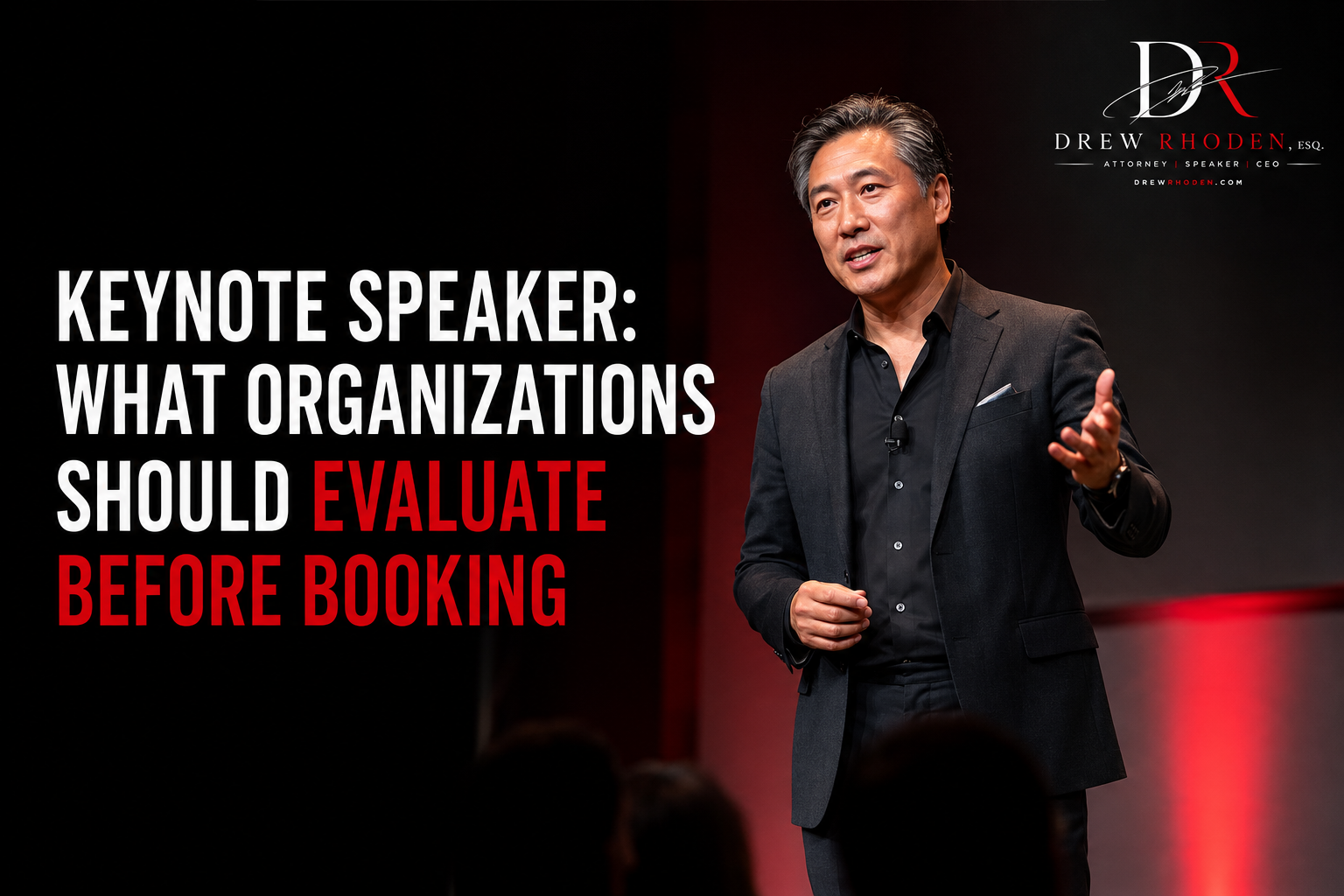





Motivational Keynote Speaker Inspiring Business Leadership
Every thriving organization understands that success is not built on products or profits alone—it’s driven by people. Great companies know the hidden edge lies in inspiring leadership, strong communication, and a clear shared vision. That’s where a keynote speaker comes in. A leadership keynote speaker has the power to transform ordinary meetings into unforgettable experiences that spark change, ignite motivation, and align teams toward excellence. This article explores how the right keynote speaker can elevate your business and why hiring one may be the most strategic move your organization makes in 2025.
Why Hiring a Leadership Keynote Speaker Is the Game-Changer for 2025
In today’s fast-paced business environment, companies are seeking innovative ways to re-engage their employees and inspire consistent growth. The keynote speakers for 2025 are redefining how organizations approach leadership, innovation, and communication.
A great keynote speaker doesn’t just deliver a speech—they deliver transformation. Their keynote speech sets the tone for your event, helping teams overcome adversity, think strategically, and embrace new ideas. Many business leaders turn to keynote speakers because they help bridge the gap between corporate goals and human motivation.
The Role of a Keynote Speaker in Modern Business
The role of a keynote speaker goes beyond being the primary speaker at an event. They are storytellers, motivators, and strategists who understand human behavior and leadership psychology. They engage audiences with real-world examples that make abstract ideas actionable.
A professional speaker can address critical topics such as teamwork, emotional intelligence, customer experience, and innovation—empowering your team to think bigger and perform better.
What Makes a Great Keynote Speaker for Your Event?
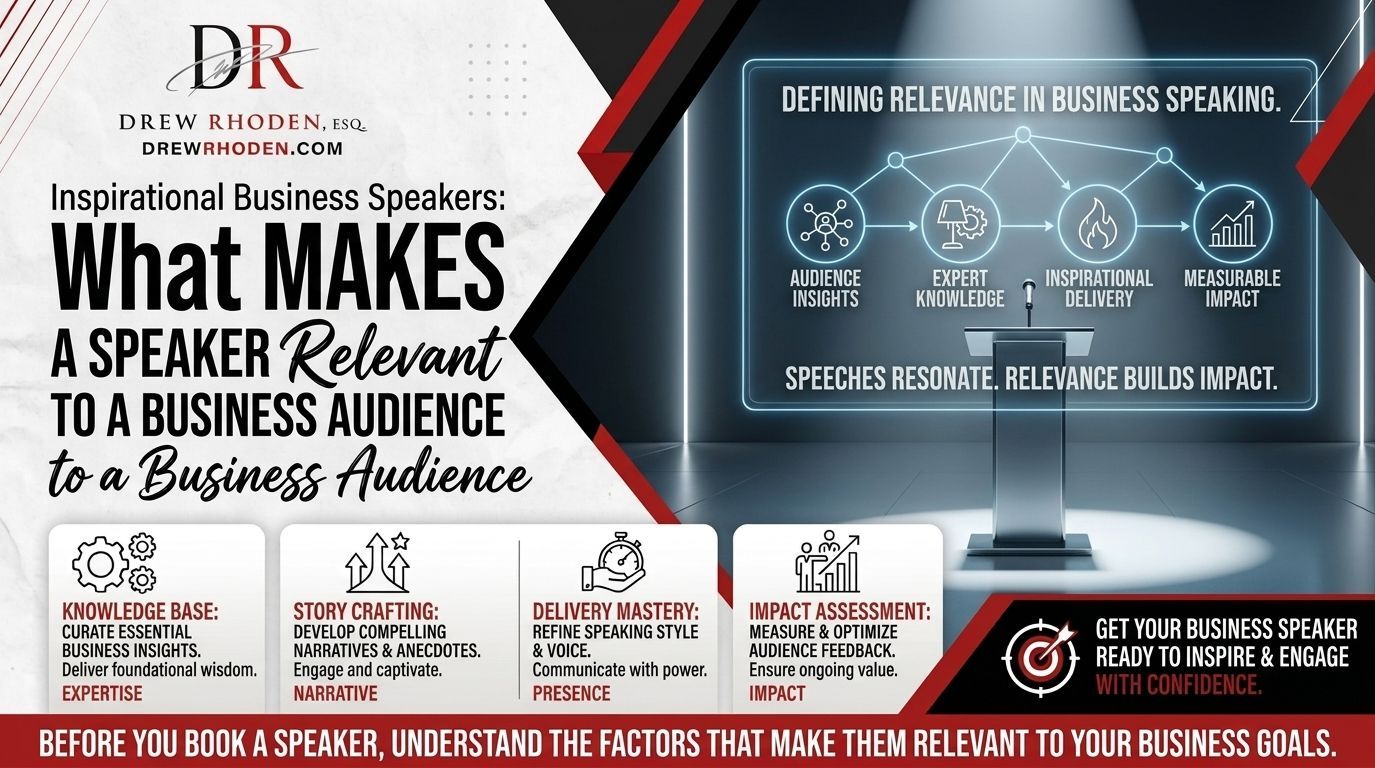
Finding the perfect keynote speaker is about more than popularity or celebrity status. A great keynote speaker understands your company’s challenges and delivers solutions that resonate.
Qualities to Look For
- Actionable insight: A speaker who provides real-world strategies your team can implement.
- Authenticity: The best keynote speakers share relatable experiences that create genuine connection.
- Storytelling: An engaging keynote speech blends emotion, humor, and inspiration.
- Customization: Great keynote speakers tailor their message to your industry and company culture.
Whether you’re in marketing, sales, or leadership development, the right keynote speaker can create measurable change.
The Role of a Keynote Speaker in Setting the Tone for Success
Every successful conference, seminar, or company retreat begins with energy—and that energy often comes from a keynote speaker. The first message your team hears can determine whether they are merely present or truly engaged.
A keynote speech has the power to unify attendees around a common mission. Companies that invest in motivational keynote speakers often report improved morale, higher productivity, and renewed commitment to company goals.
Why Great Companies Book a Keynote Speaker Early
When planning an event, event planners understand that booking the right speaker early ensures a perfect fit for their theme and goals. Many top organizations plan a year in advance to book a keynote speaker who aligns with their leadership values.
The booking process can include reviewing a speaker’s previous presentations, client testimonials, and areas of expertise. A seasoned keynote speaker may also offer virtual or hybrid options to accommodate large or global audiences.
How a Leadership Keynote Speaker Inspires Organizational Growth
A powerful keynote speech can shift a company’s culture. Through storytelling and actionable insights, a leadership keynote speaker can inspire employees to embrace change and become catalysts for innovation.
They help audiences reframe challenges and focus on strategic growth rather than short-term wins. Whether the topic is business strategy, leadership development, or communication, keynote speakers provide perspective that internal voices sometimes can’t.
The Connection Between Leadership and Motivation
Great keynote speakers know how to speak to the heart of leadership—motivation. They explore how leaders can inspire action, not just manage performance.
Topics often include:
- Building emotional intelligence in leadership.
- Enhancing teamwork and collaboration.
- Driving innovation through inclusive leadership.
A motivational keynote is not about hype—it’s about helping people discover purpose in their professional journey.
How to Find the Perfect Keynote Speaker for Your Next Event
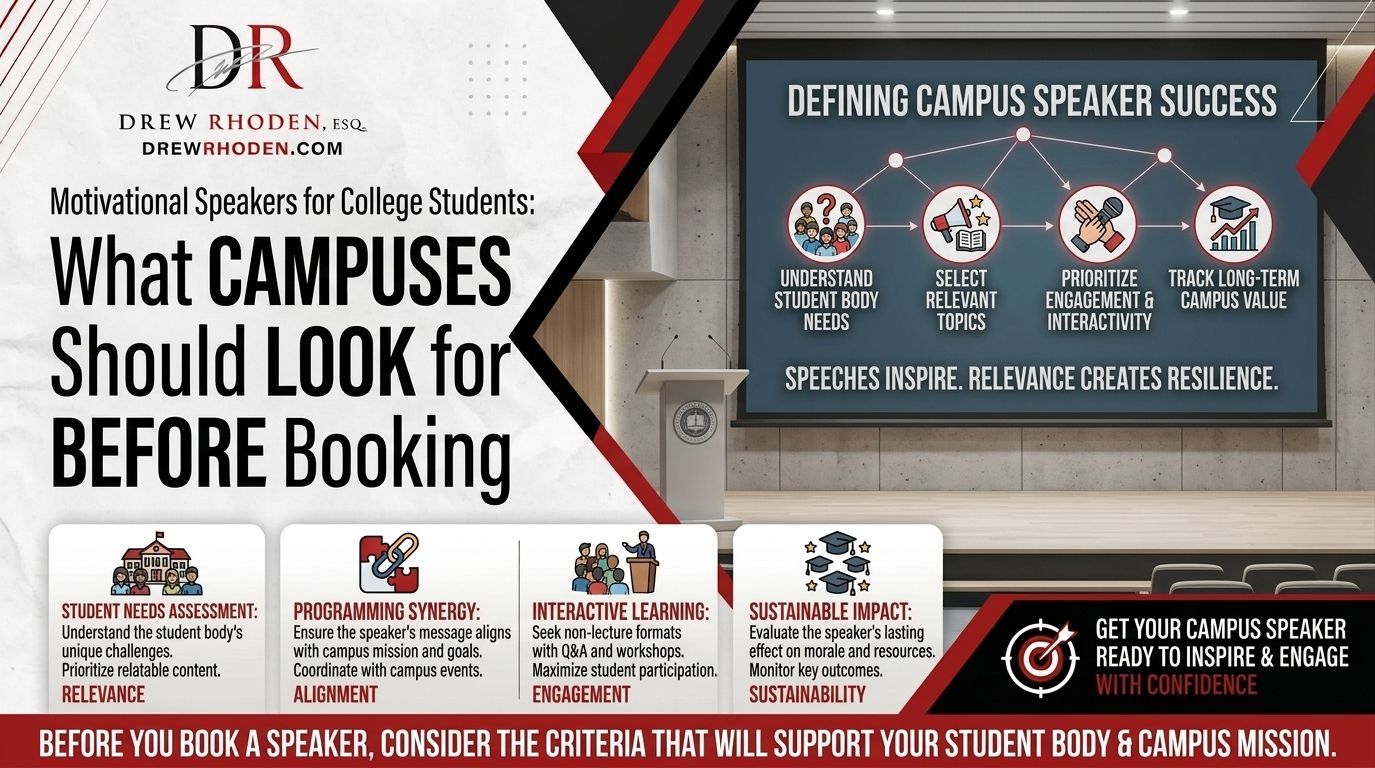
Finding the perfect keynote speaker can seem overwhelming with hundreds of speakers available. The key is to match your event’s goals with the speaker’s expertise and delivery style.
Here’s how to simplify the process:
- Define your objectives: Are you focusing on leadership, innovation, or overcoming adversity?
- Evaluate their style: Watch clips of their keynote speeches to ensure they engage audiences effectively.
- Consider your audience: Choose a speaker who can connect with your demographic—executives, entrepreneurs, or employees.
Working with a speakers bureau or professional agency can also help you find the perfect speaker who fits your needs.
The Hidden Benefits of Hiring a Great Keynote Speaker
When companies hire a keynote speaker, the benefits extend far beyond the event itself.
- Employee Retention: Inspired employees are more loyal and productive.
- Cultural Transformation: A keynote speech can spark discussions that lead to long-term change.
- Brand Perception: Companies known for bringing in leading keynote speakers are viewed as innovative and forward-thinking.
Hiring a speaker isn’t just an event expense—it’s an investment in your company’s future.
Why Professional Speakers Create Lasting Impact
Professional speakers have trained millions of leaders worldwide, helping organizations overcome adversity and achieve resounding success.
Many are New York Times bestselling authors, entrepreneurs, and philanthropists who’ve built their careers on empowering others. Whether it’s Tony Robbins, Mel Robbins, or Daymond John, the best keynote speakers share one thing in common—they inspire change that lasts long after the applause fades.
A great keynote speaker connects emotionally, helping audiences not just to listen—but to act.
Why Leadership Keynote Speakers Are Essential for Business Transformation
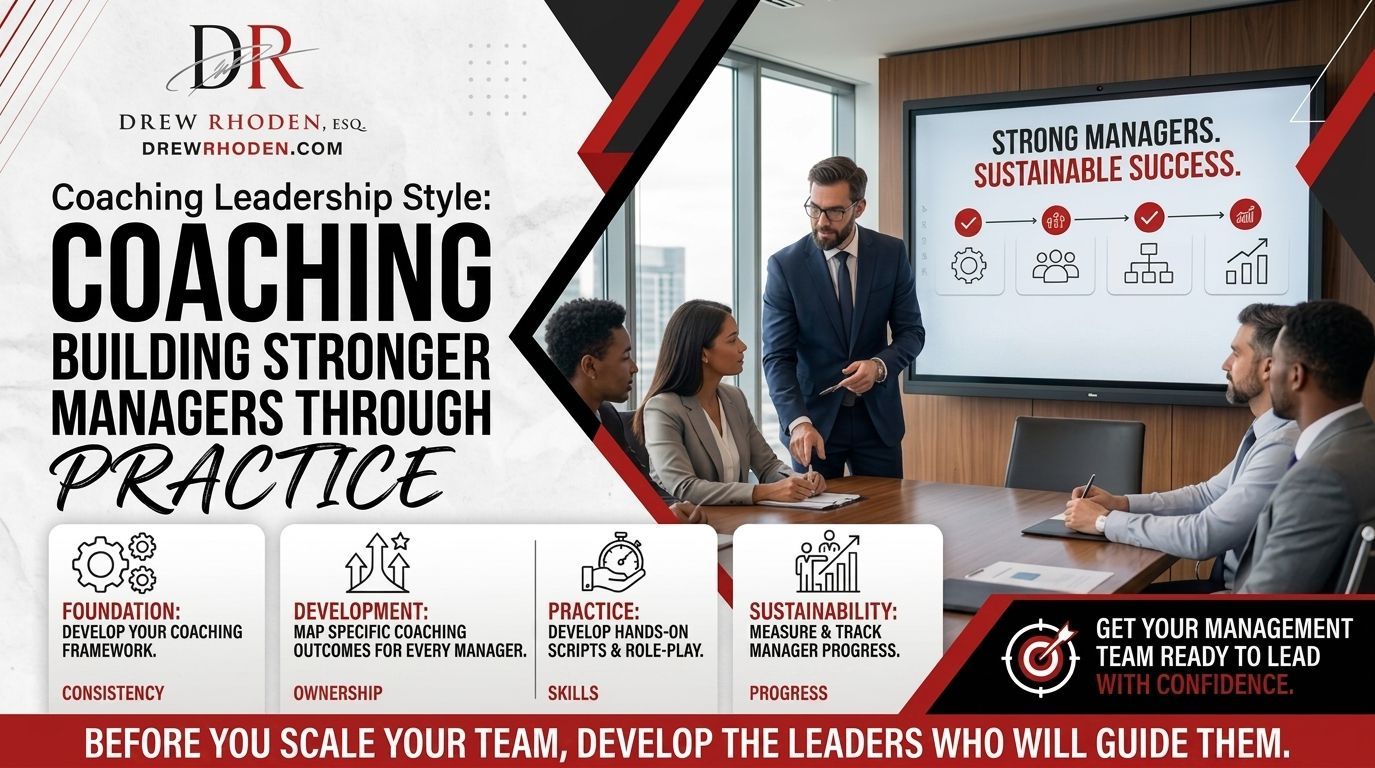
Leadership is the foundation of every successful organization. A leadership keynote speaker provides a roadmap for developing leaders who inspire trust, encourage innovation, and create measurable results.
They help teams align with company vision and empower managers to communicate with clarity and empathy. Through keynote addresses that combine motivation and actionable advice, they foster the kind of leadership that builds generational success.
How Event Planners Can Maximize the Impact of a Keynote Speaker
For event planners, the challenge is ensuring every speaker aligns with the event’s tone and goals. To create a truly memorable experience:
- Choose a keynote speaker who resonates with your brand’s values.
- Encourage collaboration between the speaker and company leadership.
- Ensure the keynote speech aligns with conference themes like innovation, teamwork, and leadership.
When done right, the speaker can make your event a resounding success.
Leadership, Storytelling, and the Power to Inspire
The greatest leaders and keynote speakers share one secret—the power of storytelling. Audiences remember stories far more than statistics or slides.
An impactful keynote speech tells a story of overcoming challenges, finding purpose, and achieving growth. This emotional connection leaves a lasting impact and inspires employees to bring that same energy back to their teams.
Why Top Companies Continue to Invest in Keynote Speakers
Global brands understand that innovation, motivation, and communication drive business success. That’s why they continually book keynote speakers for corporate events, training programs, and leadership retreats.
These speakers help organizations adapt to digital change, maintain emotional intelligence, and strengthen teamwork. The speaking topic may vary—from sales to marketing to leadership—but the impact remains consistent.

Quick Summary: Key Takeaways from Hiring a Leadership Keynote Speaker
- A keynote speaker sets the tone and drives motivation.
- Leadership keynote speakers bridge vision and execution.
- Great speakers inspire innovation, teamwork, and growth.
- Event planners should book early to secure the best speaker.
- The right keynote speaker delivers a message that lasts far beyond the conference.
Let’s Elevate Your Event with Andrew Rhoden
Join the journey with Andrew Rhoden, a celebrated keynote speaker and legal luminary renowned for his expertise in sports law, business development, protecting generational wealth, and leadership. Andrew’s ability to engage audiences and inspire them to action sets him apart as a motivational keynote speaker who delivers transformative results.
His presentations combine real-world examples with forward-thinking strategies that apply to a wide range of industries, making him the right keynote speaker for:
- Corporate leadership events
- Business development seminars
- Academic and professional conferences
Andrew Rhoden has had the privilege of partnering with some of the world’s most prestigious organizations, offering keynote speaking services that help businesses grow and leaders lead with purpose.
Andrew is ready to help your organization achieve greater success through his dynamic, engaging, and motivational keynote speeches.
Contact us today at (888) 209-4055 to schedule a free consultation and discover how the right keynote speaker can help your company achieve its next level of excellence.
share this
Related Articles
Related Articles