

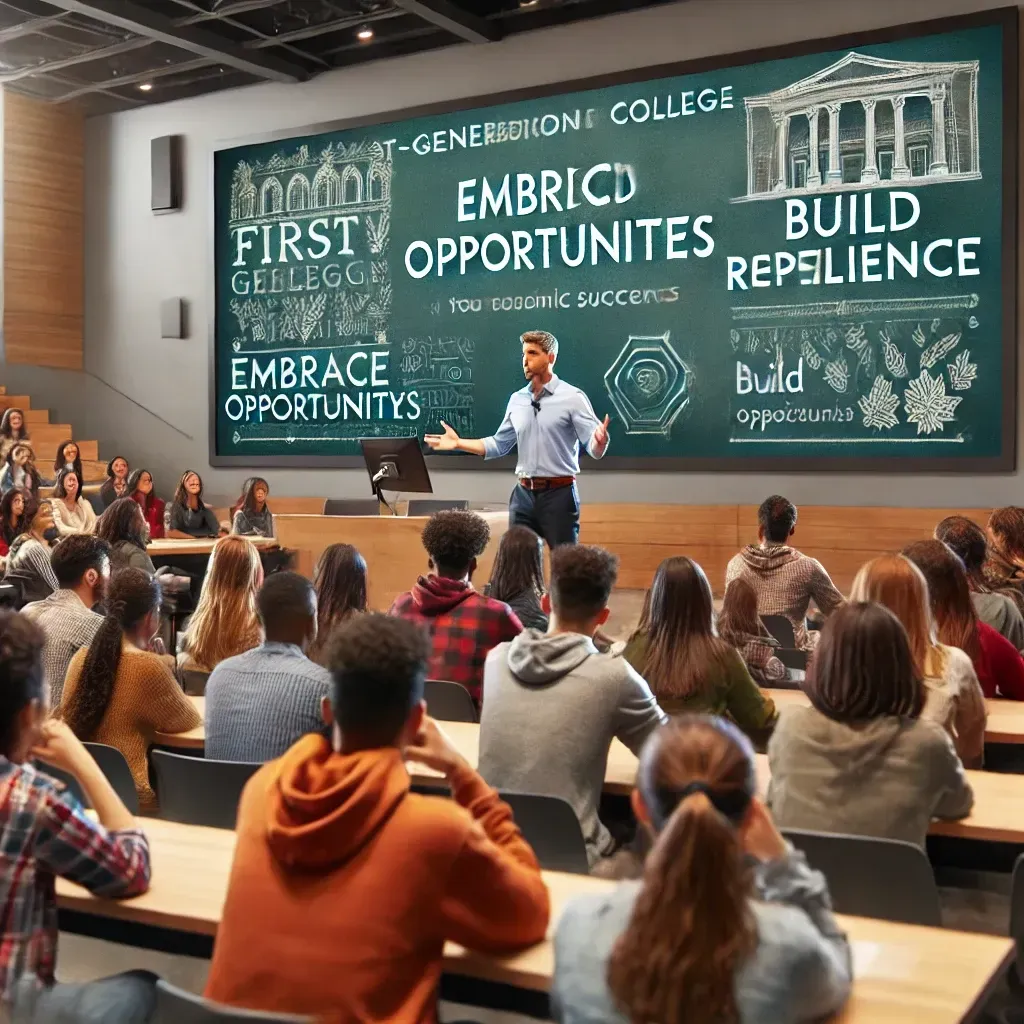


Empowering Students With Tools for Resilience Through a College Speaker Experience
Every generation of college students faces unique challenges — from academic pressure and mental health struggles to financial concerns and uncertainty about the future. That’s why the role of a college speaker is more important today than ever before. A truly motivational and transformational speaker can help students build confidence, overcome setbacks, and develop the resilience needed to thrive both in and beyond college and university life. This article explores how keynote speakers empower young minds, foster emotional strength, and create lasting impact across campuses worldwide.
Why College Speakers Matter More Than Ever
In an era of digital overload and constant change, the voice of a speaker can cut through the noise. Universities and colleges are increasingly turning to keynote speakers who specialize in education, entrepreneurship, and personal development.
A great college speaker does more than deliver a speech—they connect on a human level. Their real-world experiences, whether as a bestselling author, entrepreneur, or world champion, inspire students to view challenges as opportunities for growth. These motivational speakers bring the type of insight and authenticity that help students make lasting behavioral changes.
How a Keynote Speaker Can Inspire Students
Every university event or campus gathering can be an opportunity to inspire students. A keynote session from a top-rated speaker can ignite self-belief and renew a sense of purpose among university students.
Whether it’s during commencement, a leadership summit, or a mental health awareness week, college speakers deliver messages of hope and perseverance. Their stories of turnaround and success demonstrate that failure is not the end — it’s a stepping stone to transformation.
These motivational speakers often share practical strategies that students can apply immediately to their academic and personal lives, giving them tools to overcome stress and uncertainty.
The Transformational Power of Resilience in Education
Resilience isn’t just about endurance; it’s about adaptability. A motivational speaker focused on resilience teaches students how to embrace setbacks as lessons rather than limitations.
Through storytelling and interactive keynote programs, these expert speakers demonstrate how they’ve faced obstacles and used them as catalysts for growth. For instance, a gold medalist might share how discipline shaped their mindset, or an entrepreneur might reveal how multiple failures led to business success.
This educational approach helps students internalize that strength doesn’t come from avoiding adversity — it’s built through facing it head-on.
Building Leadership and Confidence Among College Students
Leadership is not limited to those in executive positions — it’s a skill every student can learn. A college speaker specializing in leadership development teaches young adults how to communicate effectively, take initiative, and support others on their journey.
By using relatable stories and engaging delivery, a motivational speaker empowers students to lead both inside and outside the classroom. Many university speakers also share insights from their careers as executives, educators, or entrepreneurs, helping students visualize real pathways to success.
The goal is to uplift and inspire action, transforming potential into performance.
What Makes a College Keynote Speaker Effective?
A truly effective speaker doesn’t just talk — they connect. They make complex concepts simple, relatable, and actionable. To be the perfect speaker for a college audience, they must combine:
- Authenticity: Real experiences that resonate.
- Engagement: Dynamic storytelling and humor.
- Relatability: Understanding the student audiences they’re addressing.
The best keynote speakers also tailor their message to the event’s purpose, whether it’s for new students, alumni, or a commencement ceremony. This level of personalization ensures a lasting impact that goes far beyond the speech itself.
How to Find and Book the Right Speaker for Your Campus
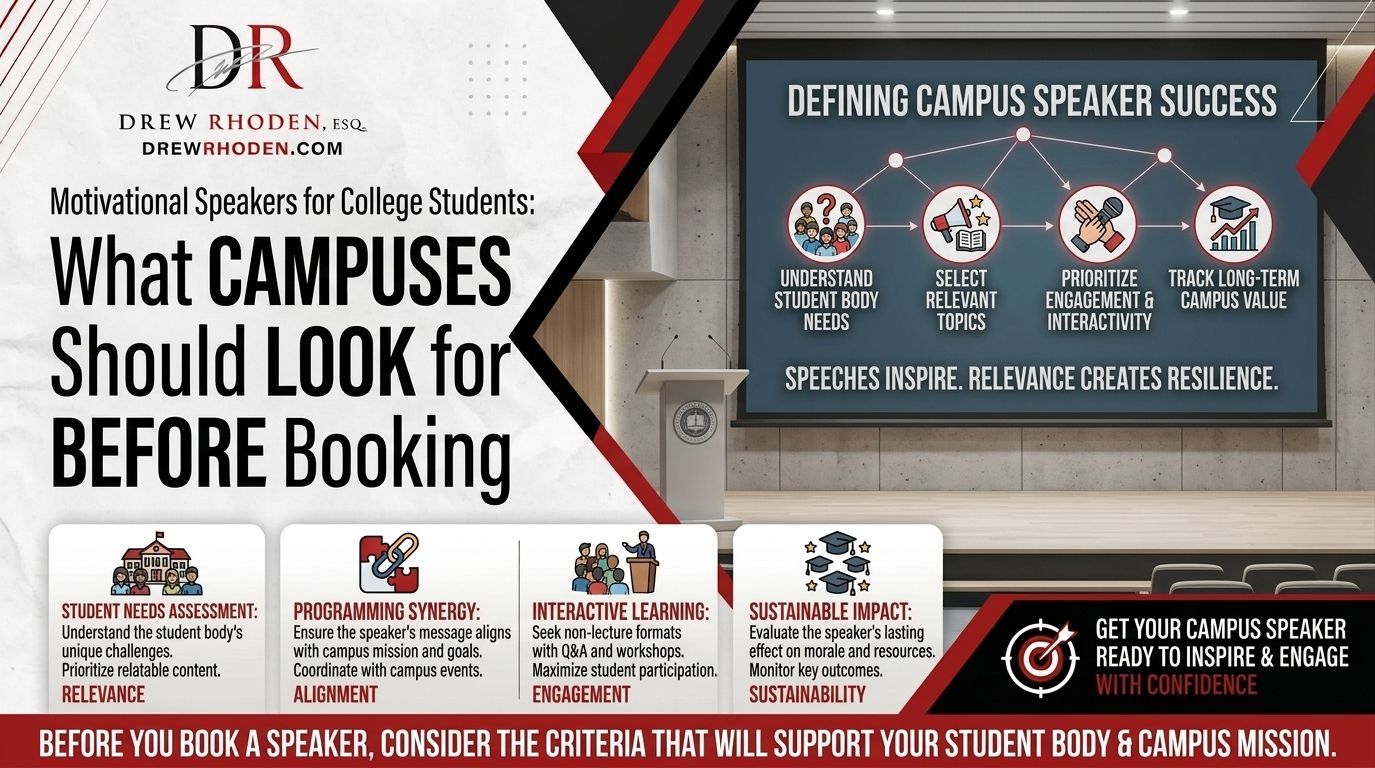
Finding the right speaker for your campus involves research and collaboration. Colleges often rely on a speakers bureau or full-service talent agency for booking logistics. These organizations maintain databases of expert speakers, from best-selling authors to inspirational entrepreneurs.
When selecting, it’s essential to find a speaker whose message aligns with your institution’s values. Whether focusing on education, leadership, or entrepreneurship, your chosen college speaker should reflect the mission of your university and connect authentically with your college students.
A seamless talent booking process ensures your event runs smoothly from start to finish, creating an unforgettable experience for attendees.
The Impact of Guest Speakers on Student Engagement
Inviting a guest speaker to your university does more than fill an event slot — it strengthens your campus culture. These sessions promote open dialogue, critical thinking, and community-building among students.
Many institutions report higher participation and improved morale after hosting motivational or educational events featuring university speakers. The shared experience fosters unity, encouraging students to build community and support each other through challenges.
This approach aligns with goals in higher education to develop well-rounded, emotionally intelligent graduates who are ready to lead in an evolving world.
Resilience and Mental Health: Lessons from the Stage
College life can be overwhelming. Between coursework, social pressures, and personal responsibilities, students often struggle with mental health challenges. A speaker who shares their journey of overcomeing obstacles can normalize these struggles while offering hope.
Speakers are also mental health advocates, wellness coaches, or educators who provide insight into emotional resilience. Their motivational sessions often include actionable tools like mindfulness practices, reframing techniques, and goal-setting strategies that promote emotional well-being.
By addressing mental health openly, these inspirational figures create safe spaces for college students to heal, learn, and grow.
The Role of University Keynote Speakers in Shaping the Future
A university keynote can have a ripple effect that lasts long after the event ends. Through storytelling, humor, and vulnerability, these speaker series sessions encourage young adults to believe in their ability to create change.
From a professor sharing groundbreaking research to a co-founder of a startup discussing innovation, keynote speakers bridge the gap between academia and real-world application. They remind students that resilience, creativity, and collaboration are vital tools in building the future.
Some of the most impactful speakers, including Barack Obama and the first woman to lead Fortune 500 companies, demonstrate how resilience fuels greatness across the globe.
The Power of Storytelling in College Speaker Programs
Storytelling lies at the heart of every unforgettable speaker experience. Students connect deeply with narratives of struggle, growth, and triumph.
When a bestselling author, advisor, or entrepreneur shares how they turned adversity into opportunity, it sparks hope and imagination in the audience. The impactful combination of vulnerability and wisdom allows each listener to see themselves in the story — to believe that they too can make a turnaround.
Through powerful keynote programs, storytelling transforms education into inspiration.
Why Booking a Speaker Is a Smart Investment for Colleges
Investing in the right speaker is an investment in your college’s future. These events boost engagement, enhance institutional reputation, and contribute to personal development.
The speakers bureau or talent booking teams can connect institutions with expert speakers from diverse backgrounds — from business school executives to social entrepreneurs and creative innovators.
Bringing a motivational presence to your campus fosters resilience, confidence, and leadership skills among students, which translates into success beyond graduation.
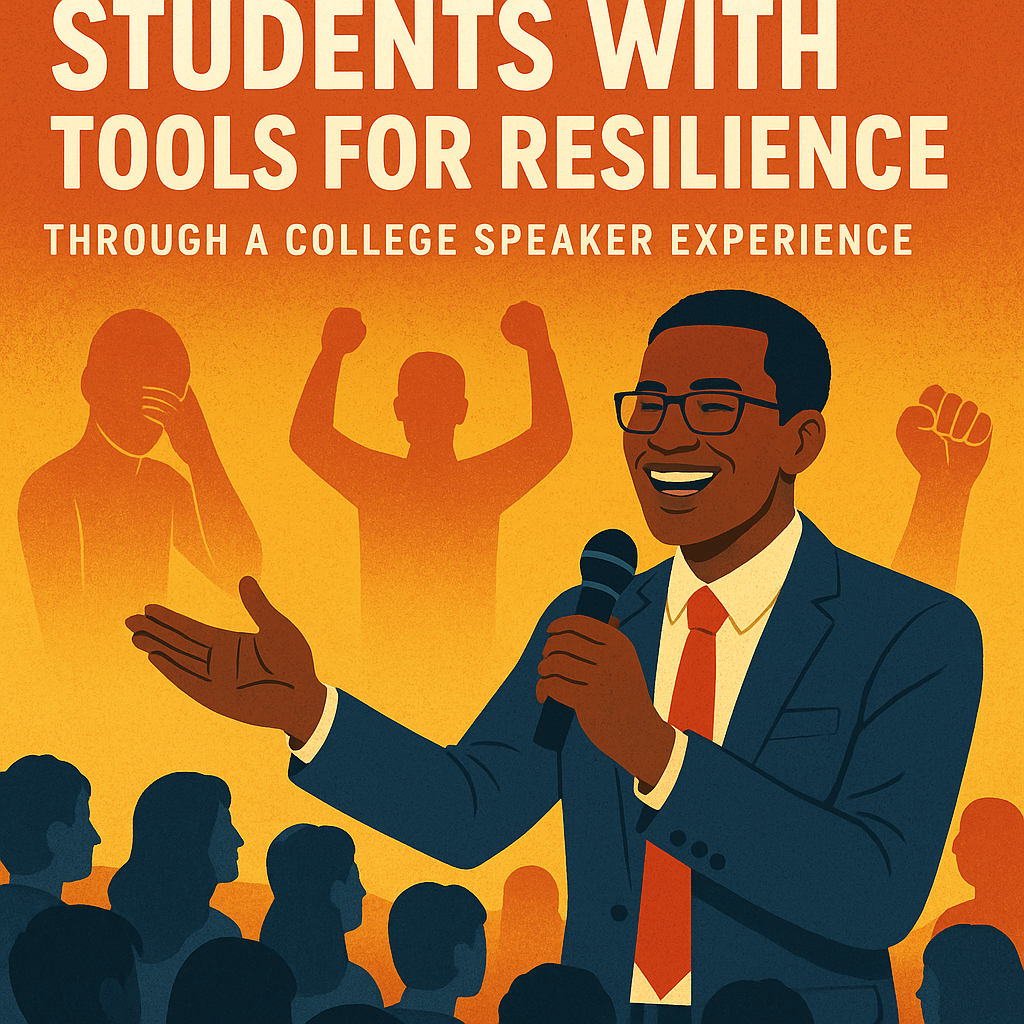
How Speakers Build Long-Lasting Impact Across the Globe
Great speakers don’t just inspire — they transform. Their highly engaging delivery, responsive energy, and relatable storytelling have made them sought-after across universities across the globe.
These university speakers make a positive impact by sharing proven methods for growth, mindfulness, and perseverance. Their unparalleled ability to connect ensures their lessons are remembered long after the keynote ends.
By consistently delivering value, these speakers uplift institutions, companies and organizations, and communities through transformative education.
Key Takeaways to Remember
- A college speaker helps empower and inspire students with tools for resilience and confidence.
- Keynote speakers bring real-world experiences that connect deeply with student audiences.
- Investing in a motivational or educational event strengthens community and leadership.
- Hosting the best speakers for college students promotes engagement and lifelong learning.
- The right speaker leaves a lasting impact — inspiring transformation both on and off campus.
Your College Speaker to Inspire and Motivate
Inspiring Students. Transforming Lives.
Andrew Rhoden’s mission is simple: to inspire students to unlock their full potential. His talks go beyond motivation, offering practical guidance and relatable stories that resonate with today’s students. Whether addressing a group of aspiring leaders or a room full of freshmen, Andrew’s ability to connect ensures his message is heard, understood, and remembered.
Ready to bring an unforgettable experience to your college or university? Contact us today at (888) 209-4055 to book your free consultation and discover how Andrew Rhoden can help your students build resilience, confidence, and a lifelong love of learning.
share this
Related Articles
Related Articles