





How a Dynamic Business Speaker Can Transform University Conferences and Seminars
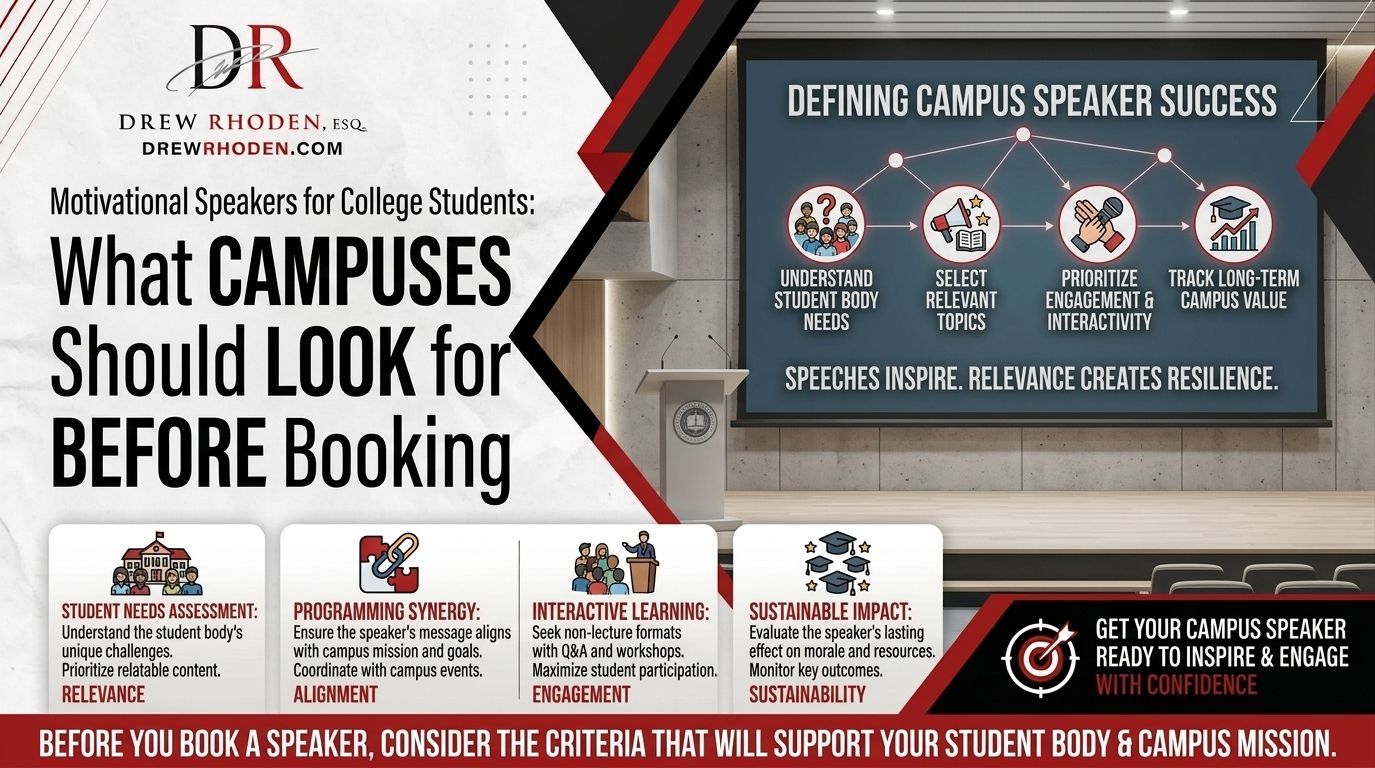
Universities today are not just academic institutions; they are hubs of innovation and professional development. One of the key ways to bring real-world insights into academic settings is through business speaking events that focus on leadership, entrepreneurship, and emerging business trends. These events can benefit students, faculty, and academic planners alike. A dynamic business speaker has the power to inspire, inform, and transform university conferences and seminars, bridging the gap between classroom learning and practical experience in the business world.
The Role of a Business Speaker in University Events
When universities host business-themed conferences or seminars, they need speakers who not only understand academic theories but can also connect them to real-world practices. A business speaker with extensive industry experience brings invaluable insights into topics such as leadership, company culture, and business trends. By discussing current business models and the evolving workplace, students gain a better understanding of the challenges and opportunities they will face after graduation.
Key Benefits of Hosting a Business Speaker at University Conferences
Inviting a business speaker to your university event can provide a multitude of benefits:
- Real-world business insights: Students and faculty alike benefit from firsthand knowledge of business trends, the sales process, and risk management strategies that shape today's companies.
- Inspiration for future leaders: Speakers who share their personal journeys through the business world inspire students to pursue their own career goals and cultivate a sense of leadership.
- Engaging academic communities: Speakers can foster meaningful conversations between students, faculty, and business professionals, encouraging an exchange of ideas on various business topics.
- Bridging the gap between theory and practice: Connecting classroom theories to practical applications in business helps students become fully prepared for the professional world.

Inspiring Leadership and Entrepreneurship
University students are often preparing to enter careers where leadership and entrepreneurial skills are essential. A keynote speaker with a background in leadership or entrepreneurship can provide the kind of practical insights that textbooks alone cannot offer. Such speakers can cover topics like business communication, employee engagement, and the importance of work-life balance in the modern workplace.
Many universities focus on teaching business english and similar skills to prepare students for international careers. A business english teacher might offer excellent classroom instruction, but a business speaker brings context to what students learn. Discussing business english conversation skills, for example, can help students understand how language and communication differ in real business conversations.
Topics that Resonate with Students
Speakers often focus on business trends that have a direct impact on the next generation of professionals, such as:
- Emerging technologies and their influence on business models.
- The evolution of company culture and how it drives employee satisfaction.
- The importance of personal growth in professional development.
- Risk management in a rapidly changing global marketplace.
By tailoring their talks to these various topics, speakers ensure that students leave the event with practical knowledge that will shape their professional journeys.
Engaging Faculty and Academic Communities
It's not just students who benefit from these business speaking events. Faculty members and academic planners gain insights into industry trends that can shape their curriculum and teaching methods. Universities must stay up to date with current business topics to provide students with a relevant education. A keynote speaker who addresses current industry challenges, such as finance, marketing, or innovation, can help academic communities better align their programs with the needs of modern companies.
For example, a speaker discussing the next five years of business trends may offer insights into how universities can develop courses that address cultural differences, the importance of confidence in leadership, and how small businesses can thrive in competitive markets.
How to Choose the Right Speaker for University Events
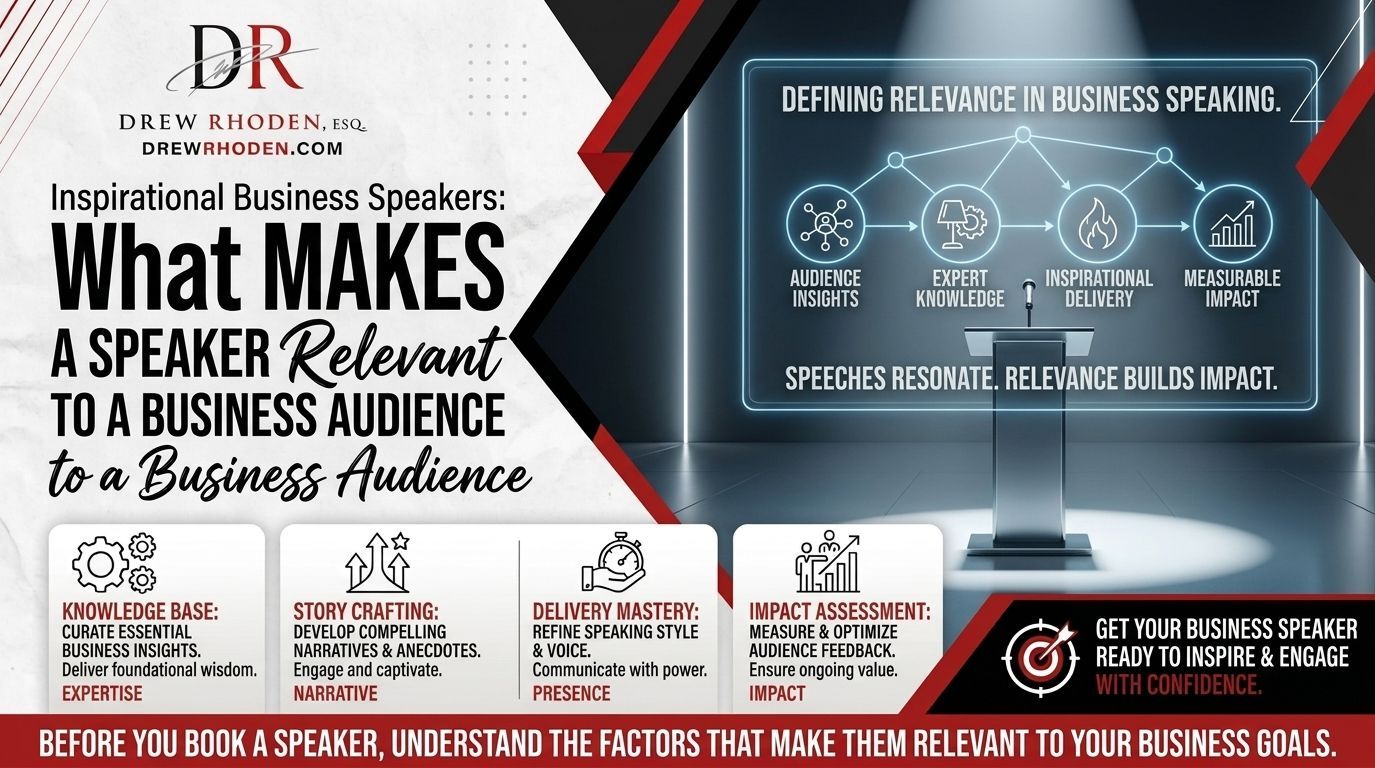
Selecting the right business speaker is crucial to the success of any university event. Look for speakers who:
- Have a firm grasp of current business English topics and the ability to engage both students and faculty.
- Can discuss the practical applications of business communication, business models, and leadership strategies in real-world scenarios.
- Can engage diverse audiences, ensuring that both English learners and more advanced students find the talk valuable.
- Can share their experiences with business conversations and teaching business English in a way that enhances students' learning experience.
By selecting a speaker who fits these criteria, universities can create an event that resonates with the entire academic community.
Supporting Professional Development and Leadership Growth
Universities are in a unique position to shape the future of business. Through seminars, workshops, and conferences, they provide students with the tools needed to become tomorrow's leaders. A business speaker can be an instrumental part of this process, offering guidance on professional development, employee engagement, and leadership strategies that prepare students for the challenges of the business world.
Leadership Development for Faculty and Staff
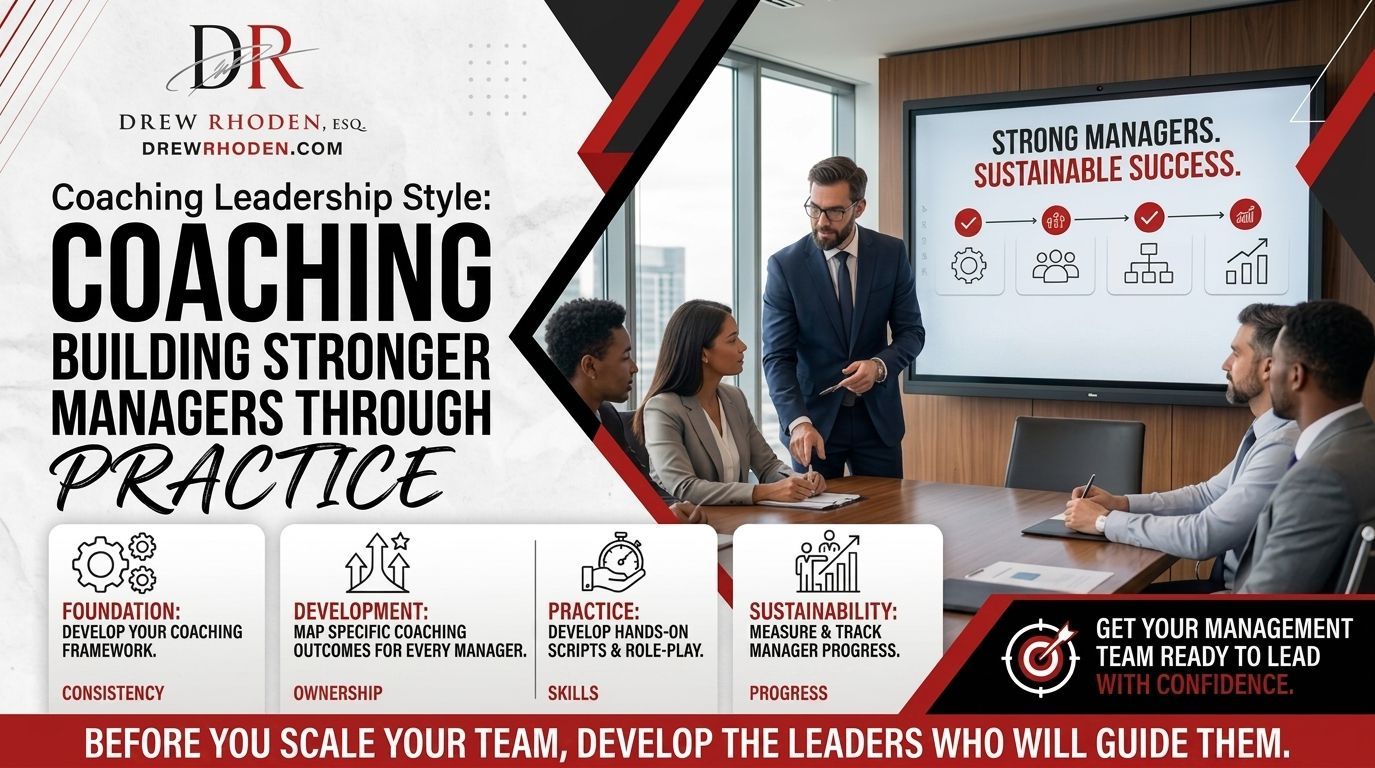
Leadership isn’t just for students. Faculty and staff members also benefit from learning leadership strategies that improve company culture and help them mentor students more effectively. Hosting a business speaker who focuses on employee engagement and leadership in academic settings can foster a stronger sense of community and collaboration among staff.
Encouraging Innovation in Academic Settings
A business speaker with expertise in innovation can inspire both students and faculty to think creatively. Whether discussing current events, technology, or business trends, these talks encourage participants to embrace new ideas and stay motivated in their academic and professional journeys.
How Business Speakers Create Meaningful Experiences
A successful business speaker does more than deliver a speech; they create an experience that resonates long after the event has ended. By incorporating business english, cultural differences, and professional development, speakers ensure that every participant walks away with actionable insights.
How a Speaker's Story Makes an Impact
When a speaker shares their personal experiences in business, it creates an emotional connection with the audience. Whether talking about small businesses or corporate experiences, this personal touch helps students relate to the speaker's journey and apply those lessons to their own career goals.
Speakers who focus on conversational topics that are relevant to students, such as small talk in business english conversations or key features of effective leadership, make the event more relatable and engaging.
Why Universities Should Invest in Business Speaking Events
Investing in business speaking events is an opportunity for universities to offer something beyond traditional education. These events help students gain practical knowledge, inspire faculty, and build bridges between academia and the business world. By choosing the right speaker, universities can ensure that their students are fully prepared for the challenges and opportunities that lie ahead.
Boosting Student Engagement
Students who attend business-focused seminars and conferences often leave feeling more connected to their career goals. By hearing about real-world challenges and successes, students feel more confident about their ability to make an impact in the business world.
Faculty Development and Collaboration
Faculty members who participate in these events also benefit by engaging with contemporary business topics. This collaboration between students, faculty, and business speakers fosters a stronger academic community and helps universities maintain relevance in a competitive educational landscape.
How Business Speakers Engage Business English Students in Meaningful Conversations
When speaking at university conferences, a dynamic business speaker can significantly impact business English students by engaging them in meaningful conversation. These students, who often study how to communicate effectively in the global business world, benefit from practical insights into real-world business talk. By discussing a variety of conversation topics, speakers help students understand how to navigate different business contexts, whether in a business English class or professional settings.
Addressing Personal Life and Professional Goals in Business Talks
Many business speakers address how professionals can balance their personal life with career success. In academic seminars, discussing this balance offers students valuable lessons that help them as they prepare to enter the workforce. Speakers might ask a few questions about how students plan to manage this balance while building meaningful careers. This type of discussion fosters a deeper connection between students and the realities of the business world.
How to Connect with Clients and Customers in Various Contexts
In professional settings, the ability to communicate effectively with clients, customers, and employees is crucial. A business speaker can provide insights into how to create impactful customer relationships and why engaging clients with empathy matters. By discussing different conversation topics, speakers show how understanding customers' needs, building trust with clients, and working effectively with a team can significantly improve business outcomes.
Fostering Team Collaboration and Productive Meetings
Another key topic that resonates with both students and faculty is the importance of effective team collaboration. Business speakers often emphasize strategies to improve team dynamics and create productive meetings. Whether discussing quarterly goals for the next quarter or addressing pressing business issues, speakers provide helpful tips that students and faculty can apply in academic and professional settings. Learning how to run effective meetings and collaborate within a team is essential for long-term success.
Contact Us for a Free Consultation
Are you ready to transform your next university event with a dynamic business speaker? Whether you're planning a seminar on leadership, entrepreneurship, or the latest business trends, we can help you find the perfect speaker to inspire and engage your academic community. Our speakers have years of experience working with universities, corporations, and trade associations to deliver business talks that leave a lasting impact.
Contact us at (888) 209-4055 to book a free consultation. Let’s discuss how we can bring real-world business insights to your university and empower your students and faculty to reach their full potential.
share this
Related Articles
Related Articles