

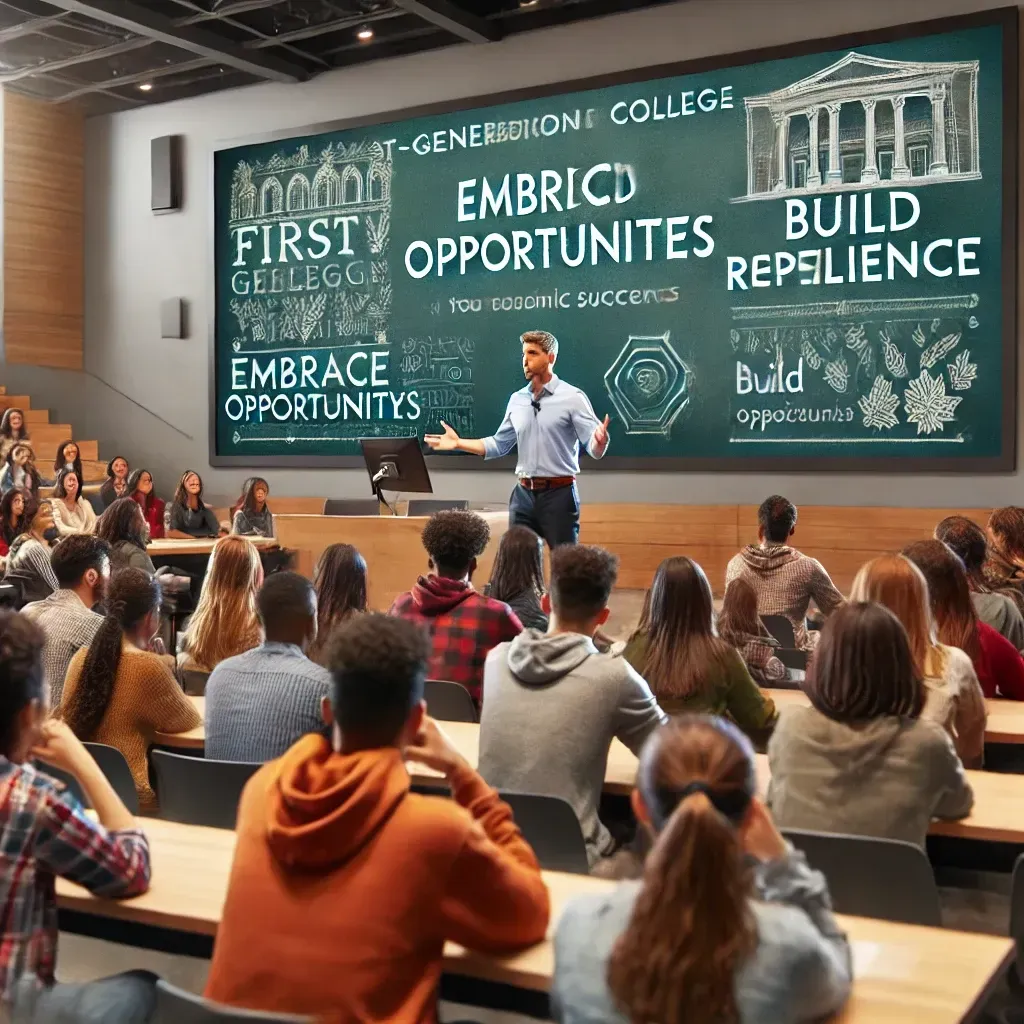


Helping Students Bounce Back: How a College Speaker Builds Emotional Resilience in Real Time
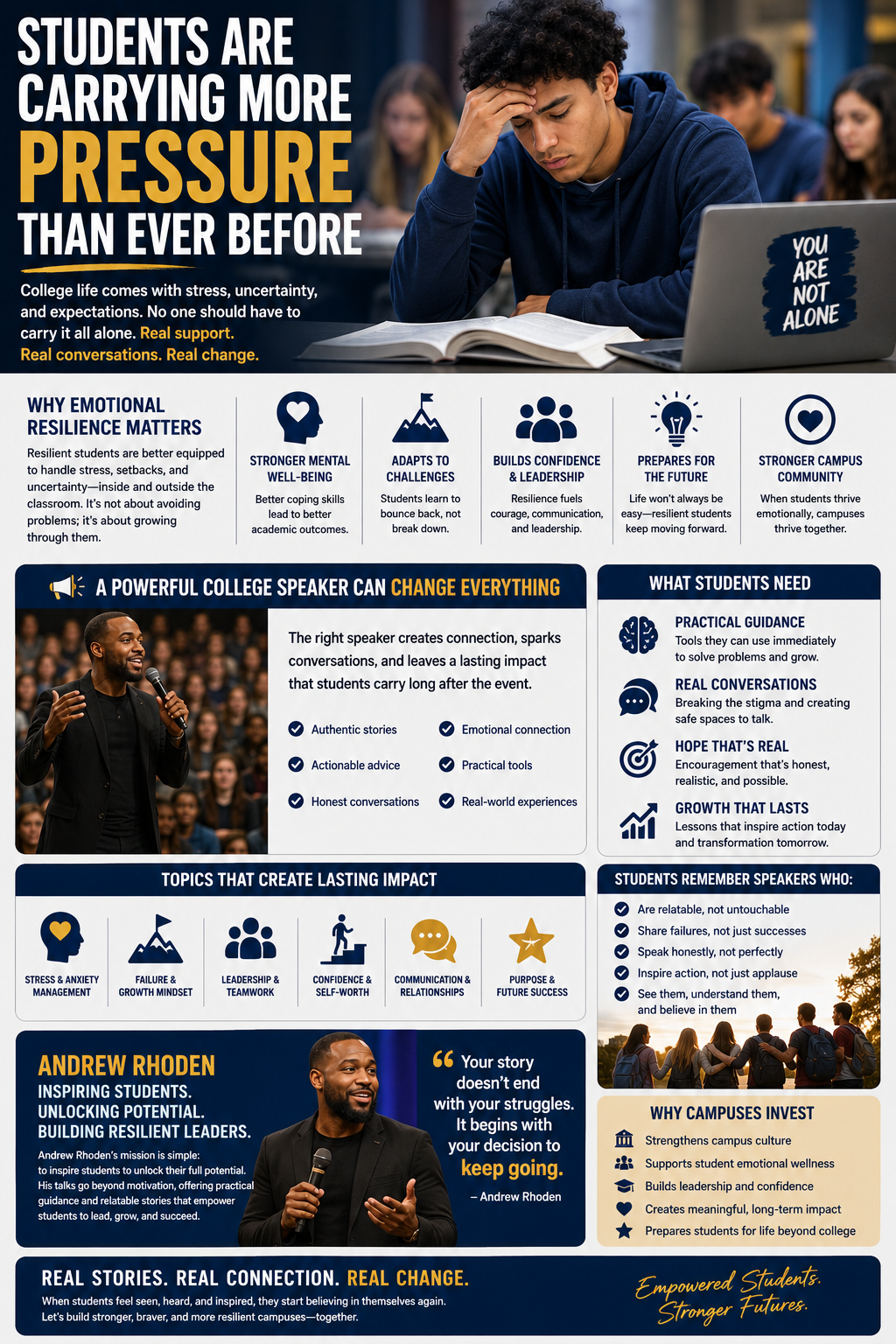
Students Are Carrying More Pressure Than Ever Before
Across colleges and universities, many students are struggling quietly behind the scenes. Some are balancing demanding coursework while trying to manage anxiety, financial pressure, family expectations, and uncertainty about the future. Others are dealing with loneliness, burnout, social pressure, or fear of failure while attempting to keep up with everything happening around them. Even students who appear confident on the surface may feel emotionally exhausted underneath.
This is one reason campus leaders are searching for more meaningful ways to support emotional resilience among today’s students. Schools are realizing that motivation alone is not enough. Students need practical tools, relatable stories, and real human connection that helps them navigate challenges both inside and outside the classroom.
A powerful college speaker can help create those moments. When students hear authentic experiences combined with actionable advice, something changes in the room. The conversation becomes personal instead of performative. Students begin to feel seen, understood, and capable of moving forward again.
Why Emotional Resilience Matters on College Campuses
Emotional resilience plays a major role in how students respond to setbacks, stress, and uncertainty throughout college life. Students who develop stronger coping skills are often better equipped to handle academic struggles, relationship problems, leadership pressure, and career concerns without completely shutting down emotionally.
Many colleges now recognize the importance of investing in speakers and programs that help students build confidence and mental strength before small struggles become overwhelming crises. Emotional resilience is not about pretending problems do not exist. It is about helping students recover, adapt, and continue growing even when life becomes difficult.
That is why more campus events are shifting toward speakers who focus on practical life strategies instead of surface-level inspiration alone.
A College Speaker Can Change the Energy of an Entire Campus
The right college speaker does far more than stand on a stage and deliver a speech. A meaningful presentation can completely shift the emotional atmosphere of a campus for weeks or even months afterward.
Students often remember the speakers who made them feel understood rather than lectured. They remember someone who spoke honestly about failure, fear, rejection, identity, leadership, and growth in ways that felt relatable and human.
Andrew Rhoden’s mission is simple: to inspire students to unlock their full potential. His talks go beyond motivation, offering practical guidance and relatable stories that resonate with today’s students. Whether addressing a group of aspiring leaders or a room full of freshmen, Andrew’s ability to connect ensures his message is heard, understood, and remembered.
Why Colleges Need More Than Generic Motivation
Many schools have invited motivational speakers in the past only to discover students quickly forget the message afterward. Generic speeches filled with clichés rarely create lasting impact because students crave authenticity, not recycled phrases.
College students today are highly aware of performative messaging. They respond more positively when speakers acknowledge real struggles instead of pretending success happens easily.
An effective keynote speaker understands that students want:
- Real stories
- Actionable advice
- Honest conversations
- Emotional connection
- Practical tools
When those elements come together, the event becomes far more memorable and meaningful.
Students Want Practical Guidance They Can Actually Use
One of the biggest reasons students disengage during campus events is because many presentations feel disconnected from real life. Students are constantly searching for guidance they can apply immediately.
A meaningful speaker helps students learn:
- Problem solving strategies
- Leadership habits
- Communication skills
- Stress management techniques
- Confidence-building practices
When students leave with actionable insights instead of vague inspiration, the event becomes valuable beyond the moment itself.
Emotional Resilience Is Built Through Real Conversations
Students often feel pressure to appear successful even when they are struggling emotionally. Social media, academic competition, and personal expectations can create an exhausting cycle of comparison and self-doubt.
A strong college speaker helps break that cycle by creating honest conversations about failure, setbacks, and perseverance. When speakers discuss difficult moments openly, students begin realizing they are not alone in their experiences.
This kind of vulnerability creates stronger connection with the audience because students stop feeling like they have to pretend everything is perfect.
Campus Events Should Leave a Lasting Impact
Many campus leaders now evaluate speakers based on whether the message creates long-term value rather than temporary excitement. Schools want presentations that continue influencing students long after the event ends.
The best speakers often create lasting impact because they combine inspiration with practical reflection. Students continue discussing the presentation afterward because the message felt personal and relevant.
A truly meaningful campus experience should encourage students to think differently about themselves, their future, and the challenges they face every day.
Students Respond to Speakers Who Feel Relatable
Today’s students connect most strongly with speakers who feel approachable and genuine rather than overly polished or distant. Students want authenticity more than perfection.
Some of the most effective commencement speakers and keynote speaker presentations succeed because the speaker shares real experiences involving failure, growth, leadership, and resilience.
Students are more likely to listen when the speaker feels human instead of untouchable.
Why Emotional Wellness Is Becoming a Priority in Higher Education
Universities and colleges across the country are placing greater focus on emotional wellness because administrators recognize how deeply mental health affects academic performance and student life.
Students dealing with emotional exhaustion often struggle with:
- Attendance
- Motivation
- Leadership participation
- Relationships
- Academic focus
Schools are beginning to understand that supporting emotional resilience benefits both individual students and the broader campus community.
A Speaker Can Help Students Reframe Failure
One of the most valuable lessons students can learn is that failure does not define their future. Many college students experience setbacks that feel overwhelming at the time.
Failed exams, leadership disappointments, rejected internships, or personal struggles may cause students to question their worth or abilities. A meaningful speaker helps students reframe those experiences as opportunities for growth rather than proof of inadequacy.
That mindset shift can change how students approach challenges throughout both college and life.
The Best Campus Speakers Understand Modern Student Challenges
Today’s students are navigating a very different world than previous generations. Economic uncertainty, constant online comparison, political tension, and social pressure all shape how students experience college life.
An effective keynote speaker recognizes those realities instead of ignoring them. Students appreciate speakers who understand modern challenges while still offering hope and practical direction.
When presentations feel current and emotionally aware, students engage more deeply with the message.
Why Interactive Sessions Matter for Student Engagement
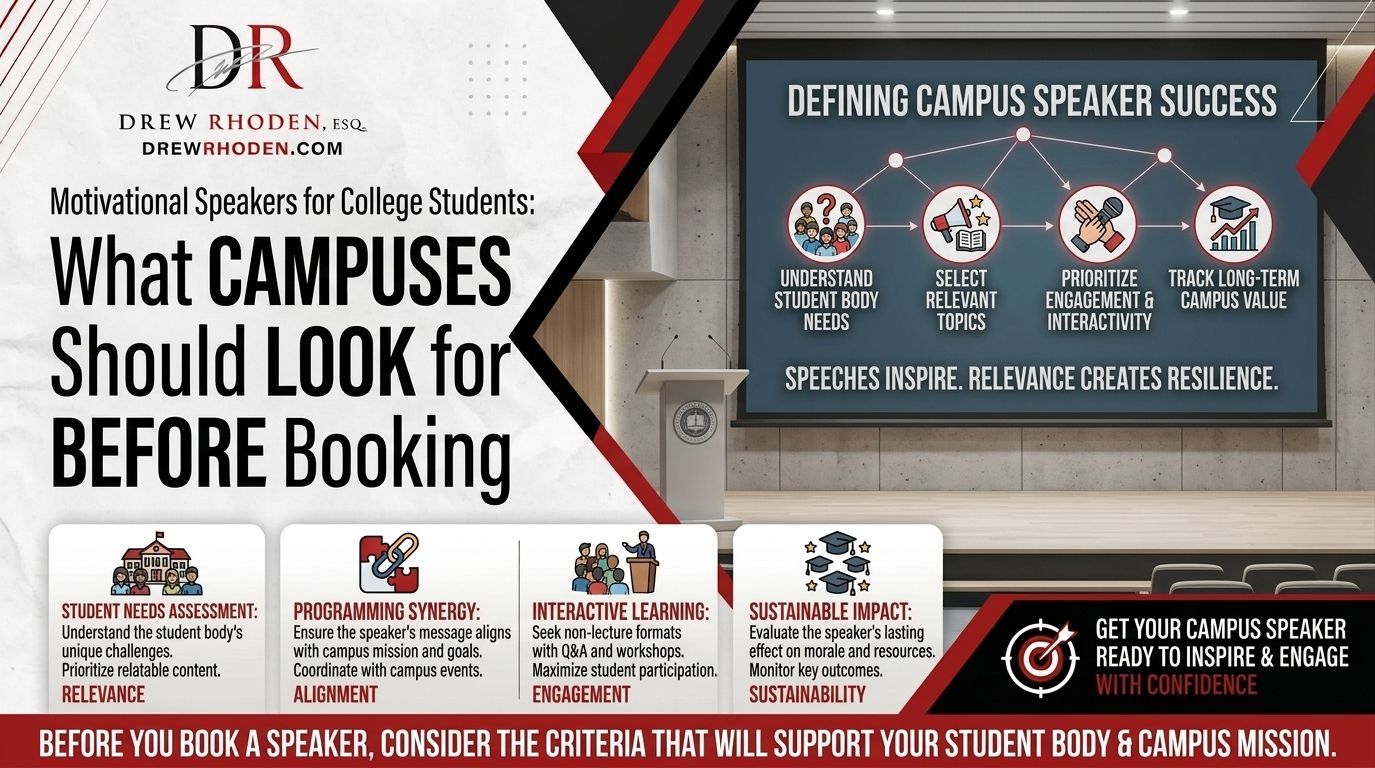
Students are more likely to remember presentations when they feel involved rather than passive. Interactive sessions help students process ideas more personally while encouraging reflection and participation.
Interactive campus events may include:
- Audience questions
- Reflection exercises
- Group discussion moments
- Leadership activities
These approaches create stronger emotional investment and improve long-term retention of the message.
Leadership Development Requires Emotional Strength
Leadership is often discussed in terms of achievement, confidence, and influence. However, emotional resilience is one of the most important leadership skills students can develop.
Strong student leaders learn how to:
- Handle criticism
- Adapt to setbacks
- Support others
- Communicate under pressure
- Maintain focus during stress
A speaker who combines leadership lessons with emotional resilience strategies often creates far greater value for students preparing for the future.
Students Need Hope That Feels Realistic
Students do not need unrealistic promises that life will become easy after graduation. They need honest encouragement showing that growth is possible even during difficult seasons.
A meaningful speaker helps students recognize that success often includes setbacks, uncertainty, and learning experiences along the way.
Hope feels more powerful when it sounds realistic rather than scripted.
Why Colleges Invest in Experienced Speakers
Schools invest heavily in campus speakers because they understand the right message can influence thousands of students simultaneously. A well-executed event may improve morale, strengthen campus culture, and encourage meaningful conversations throughout the university community.
Many colleges look for speakers with:
- Professional expertise
- Leadership experience
- Strong communication skills
- Authentic storytelling ability
The goal is not simply entertainment. Schools want meaningful value that benefits students academically, emotionally, and socially.
Students Learn Best Through Compelling Stories
Compelling stories often teach lessons more effectively than statistics or lectures alone. Students remember stories because they create emotional connection and personal reflection.
An award winning speaker who shares relatable life experiences can often inspire students more deeply than presentations focused only on theory or generic advice.
Storytelling helps students imagine possibilities for their own future while understanding that growth takes time.
Why Colleges Seek Diverse Perspectives
Students benefit from hearing diverse perspectives that expand how they think about leadership, success, education, and personal growth.
Some schools invite business leaders, entrepreneurs, educators, political commentator voices, or award winning journalist speakers to help students explore different paths and viewpoints.
Exposure to different experiences helps students build empathy, curiosity, and broader understanding of the world around them.
The Right Speaker Can Inspire Action Immediately
Some presentations create emotional reactions in the moment but quickly fade afterward. The right speaker inspires action.
- Seek leadership opportunities
- Improve mental wellness
- Rebuild confidence
- Pursue entrepreneurship
- Strengthen relationships
Real transformation happens when inspiration leads to meaningful action.
Why Storytelling Resonates With Today’s Students
Today’s students are constantly exposed to information online. Because of this, students often tune out presentations that feel overly formal or disconnected emotionally.
Personal storytelling cuts through that noise because students recognize honesty immediately. They connect with speakers who discuss both success and struggle openly.
Authentic storytelling helps students feel emotionally invested in the message.
Colleges Want More Than Entertainment
Campus leaders increasingly recognize that successful events should balance engagement with educational value. Students may enjoy entertaining speakers temporarily, but schools ultimately want events that support student development.
That is why colleges increasingly prioritize speakers who address:
- Leadership
- Emotional resilience
- Personal development
- Campus culture
- Communication skills
Meaningful growth matters more than applause alone.
Andrew Rhoden Connects Through Authentic Leadership
Andrew Rhoden brings a unique combination of leadership, inspiration, and practical communication that resonates strongly with student audiences. His presentations focus on helping students move beyond fear, self-doubt, and emotional setbacks while building confidence for the future.
Unlike many motivational speakers who rely only on hype, Andrew focuses on practical guidance students can actually apply in their daily lives. His ability to connect with students comes from authenticity, relatability, and real-world experience.
Students often leave his presentations feeling understood, encouraged, and better prepared to navigate the challenges ahead.
Emotional Resilience Helps Students Beyond Graduation
The emotional skills students develop during college continue affecting them long after graduation. Resilience influences career success, relationships, leadership ability, and personal well-being throughout life.
Students who learn healthy coping strategies early are often better prepared for:
- Workplace pressure
- Career setbacks
- Financial stress
- Relationship challenges
- Leadership responsibilities
That is why emotional resilience remains such an important focus for modern education.
Why Commencement Speakers Leave Lasting Memories
Commencement speakers often become part of major life milestones for graduates and their families. Students may forget specific assignments or lectures over time, but meaningful graduation messages often stay with them for years.
Strong commencement speakers combine inspiration with emotional honesty. They acknowledge uncertainty while encouraging students to move forward confidently.
The most memorable graduation speeches help students feel hopeful without pretending the future will always be easy.
Universities Need Speakers Who Understand Campus Culture
Every university and campus environment has unique needs, concerns, and student dynamics. Effective speakers understand how to adapt their message while still maintaining authenticity.
Some campuses focus heavily on leadership development. Others prioritize diversity, entrepreneurship, emotional wellness, or community engagement.
A flexible speaker can tailor the message to resonate more deeply with the specific audience present.
Why Students Crave Genuine Inspiration
Students today can easily recognize when a presentation feels forced or overly scripted. Genuine inspiration comes from authenticity, vulnerability, and emotional honesty.
Students connect more deeply with speakers who discuss:
- Failure honestly
- Fear realistically
- Leadership authentically
- Success humbly
When students feel emotionally connected to the speaker, the message becomes far more memorable.
Campus Communities Become Stronger Through Shared Experiences
Large campus events often create moments of shared emotional experience across the university community. Students from different backgrounds, majors, and perspectives come together to hear a common message.
These moments strengthen community because students realize many of their fears and struggles are shared by others around them.
Meaningful speakers help create unity through empathy and understanding.
Why Colleges Continue Seeking Engaging Speakers
Colleges continue searching for engaging speakers because administrators recognize how difficult it can be to maintain student attention in today’s fast-moving digital world.
Students are constantly distracted by notifications, social media, and outside pressure. Effective speakers know how to hold attention by creating emotional relevance and conversational energy throughout the presentation.
Engagement matters because students cannot absorb lessons they mentally tune out.
Speakers Who Blend Inspiration With Expertise Create Stronger Results
The most effective campus speakers combine inspiration with genuine expertise. Students want practical insights supported by real experience rather than generic motivation alone.
This is why many universities invite bestselling author speakers, educators, founders, business leaders, and professionals who have navigated meaningful real-world challenges.
Credibility strengthens the emotional power of the message.
Colleges Are Preparing the Next Generation of Leaders
Universities are not simply preparing students for jobs. They are helping shape the next generation of leaders, innovators, educators, entrepreneurs, and community builders.
Strong speakers support that mission by encouraging students to think critically about leadership, responsibility, resilience, and personal growth.
A meaningful presentation can influence how students approach both their professional future and personal life.
Students Need Encouragement During Difficult Seasons
Many students attend campus events during emotionally difficult seasons of life. Some may be grieving personal losses, struggling academically, facing financial stress, or questioning their future direction.
A compassionate speaker can help students feel seen during those moments. Sometimes a single message arrives at exactly the right time for someone who desperately needed encouragement.
That emotional connection often becomes the most important part of the event.
Why Universities Continue Investing in Personal Development
Personal development has become a major focus throughout colleges and universities because schools recognize academic achievement alone is not enough for long-term success.
Students also need:
- Emotional intelligence
- Leadership skills
- Communication ability
- Resilience
- Confidence
Speakers who address these areas help schools support more well-rounded student growth.
Powerful Messages Continue Influencing Students Long After the Event Ends
The strongest campus presentations do not disappear once the event is over. Students continue reflecting on the lessons, stories, and insights long afterward.
A meaningful speaker creates emotional momentum that continues influencing conversations, decisions, and leadership growth throughout campus life.
That is the difference between temporary entertainment and lasting inspiration.
Why Students Pay Attention to Stories Featured in the New York Times
Many students are naturally drawn to speakers whose experiences and perspectives have been featured in respected publications like the New York Times because it adds credibility and real-world relevance to the conversation. When students see that a speaker’s ideas have reached national audiences, they often become more curious and engaged during campus presentations. Colleges and universities also recognize that students respond positively to speakers who combine authentic storytelling with broader public recognition. A strong presentation still requires emotional connection and practical insight, but recognition from outlets such as the New York Times can help reinforce trust and audience interest from the beginning of the event.
Students Often Connect With a York Times Bestselling Author More Personally
A york times bestselling author often brings a unique perspective to campus conversations because their work has already connected emotionally with readers around the country. Students frequently appreciate hearing how authors handled rejection, personal growth, creative pressure, and moments of uncertainty while building their careers. These conversations help students understand that success rarely happens overnight and often includes setbacks along the way. Colleges continue inviting bestselling speakers because their stories can inspire students while also encouraging reflection about leadership, purpose, and resilience.
Why a Strong Speaker Roster Matters for Campus Programming
Many universities carefully review whether a speaker agency or organization has a roster includes speakers with diverse backgrounds, experiences, and areas of expertise. Students benefit from hearing perspectives from educators, entrepreneurs, leadership experts, journalists, athletes, and innovators who each bring something different to campus conversations. A well-rounded speaker lineup allows schools to address emotional resilience, leadership development, entrepreneurship, current affairs, and career preparation throughout the academic year. Schools often create stronger student engagement when their speaker programming reflects a broad range of voices and life experiences.
The Right College Event Can Change a Student’s Direction
A meaningful college event sometimes impacts students far more deeply than administrators initially expect. Students may attend a campus presentation simply because a professor recommended it or a friend invited them, only to leave feeling motivated to rethink their goals, confidence, or leadership potential. The emotional energy created during a well-planned college event can spark conversations that continue throughout the semester and beyond graduation. Schools that invest in thoughtful speaker programming often create stronger campus culture and deeper student engagement over time.
Students Are Inspired by Stories From a Black Female Combat Pilot
Many students respond powerfully to speakers whose life experiences break barriers and challenge expectations, such as a black female combat pilot sharing lessons about resilience, discipline, leadership, and perseverance. Stories like these often resonate deeply because students see firsthand how determination and courage can overcome obstacles in difficult environments. Colleges increasingly seek speakers with unique life experiences because students benefit from hearing perspectives they may never encounter inside a traditional classroom setting. These presentations often inspire students to think more boldly about their own future possibilities and leadership potential.
Why Academy Award Recognition Draws Student Interest
Students are often curious about speakers connected to major accomplishments such as an academy award because those achievements represent creativity, persistence, and excellence at the highest level. However, what resonates most with student audiences is usually not the award itself but the personal journey behind it. Hearing about rejection, self-doubt, teamwork, and resilience helps students relate to the speaker on a human level rather than simply admiring fame or success. Universities frequently invite accomplished individuals because their experiences can motivate students while encouraging reflection about purpose and personal growth.
Finding the Perfect Speaker Requires Understanding Student Needs
The perfect speaker for one campus may not be the right fit for another because every university community has different goals, challenges, and student dynamics. Some schools prioritize leadership development and emotional resilience, while others focus on innovation, entrepreneurship, politics, or career preparation. The best campus speakers understand how to adapt their message to fit the emotional and educational needs of the audience in front of them. Colleges that carefully match speakers to their student culture often create stronger engagement and more meaningful campus experiences.
Students Often Respond Strongly to a Best Selling Author’s Personal Journey
A best selling author can often capture student attention because students are curious about the real experiences behind public success. Many authors openly discuss rejection, creative struggles, career uncertainty, and the emotional pressure that comes with pursuing ambitious goals. These conversations help students understand that successful careers are usually built through persistence rather than instant achievement. Colleges continue inviting authors to campus because storytelling remains one of the most powerful ways to inspire reflection, resilience, and personal growth among students.
Georgetown University and Other Schools Continue Prioritizing Student Development
Schools like Georgetown University continue emphasizing the importance of student development programs that extend beyond traditional academics alone. Universities increasingly recognize that emotional resilience, leadership skills, communication ability, and personal growth are essential parts of preparing students for life after graduation. Campus speakers often become important contributors to those broader educational goals because they provide practical lessons students may not encounter inside regular coursework. Students benefit most when universities create opportunities for both intellectual learning and emotional development throughout the college experience.
Workplace Culture Conversations Begin Long Before Graduation
Many colleges are preparing students not only for careers but also for understanding how workplace culture affects communication, leadership, mental health, and professional growth. Students entering internships and full-time jobs often encounter environments that require emotional intelligence, adaptability, and collaboration skills. Campus speakers who address resilience and leadership help students better prepare for those future workplace expectations before graduation arrives. These conversations often become especially valuable for students navigating uncertainty about their future career paths.
Corporate Culture Lessons Help Students Prepare for the Real World
Students frequently hear about corporate culture during internships, networking events, and career preparation programs, but many do not fully understand how workplace environments influence long-term success and well-being. Speakers who discuss leadership, communication, accountability, and emotional resilience help students better understand what healthy professional environments should look like after college. Universities increasingly invite professionals from different industries because students want practical insights into how successful organizations operate in the real world. These discussions help students feel more prepared for future transitions into professional life.
Students Appreciate Hearing From a Co Founder Who Built Something Meaningful
A co founder often brings valuable insight to campus events because students are interested in how ideas evolve into successful organizations, businesses, or movements over time. Hearing directly from someone who helped build something meaningful can inspire students to think differently about leadership, innovation, entrepreneurship, and long-term goals. Many students appreciate honest discussions about setbacks, failures, and uncertainty because those experiences feel more relatable than polished success stories alone. Colleges increasingly invite entrepreneurial leaders because students are eager to learn how vision becomes action.
A Co Host Often Brings Energy and Connection to Student Events
In many campus programs, a co host helps create stronger energy, smoother audience interaction, and more conversational engagement throughout the event. Students often respond positively when events feel natural and interactive rather than overly scripted or formal. A skilled co host can encourage participation, keep the audience engaged, and help speakers connect more comfortably with students in real time. These smaller details often make campus events feel more memorable and personal for everyone attending.
Students Want Honest Conversations About Current Affairs
Many students today are deeply interested in current affairs because social issues, leadership challenges, economic uncertainty, and global events directly affect their future opportunities and daily lives. Campus speakers who thoughtfully address modern challenges often create stronger engagement because students want meaningful conversations rather than surface-level motivation alone. Universities continue seeking speakers who can discuss resilience, leadership, communication, and personal responsibility while acknowledging the realities students are facing in today’s world. Honest dialogue often creates more trust and emotional connection with student audiences.
Great Campus Speakers Create a Positive Impact Beyond the Stage
The strongest campus speakers create a positive impact that extends far beyond the event itself. Students continue reflecting on the lessons, stories, and emotional moments long after the presentation ends. Some students become more confident leaders, others feel encouraged to ask for help, and many begin approaching challenges differently because of what they heard during the event. Colleges that invest in meaningful speaker programming often strengthen both student development and overall campus culture at the same time.
Universities Often Build a Curated List of Speakers for Different Student Needs
Many colleges and universities maintain a curated list of speakers designed to address different student interests, emotional challenges, leadership goals, and educational priorities throughout the academic year. Some speakers focus on entrepreneurship and innovation, while others address emotional resilience, politics, communication, or personal development. A carefully planned speaker lineup allows schools to create more balanced and engaging campus programming over time. Students benefit when universities intentionally select speakers whose experiences and perspectives reflect the diverse needs of the student body.
A Director Often Helps Shape the Vision Behind Campus Programming
Behind many successful campus events is a director working carefully to create programming that supports student engagement, emotional wellness, leadership development, and educational growth. Directors often evaluate speakers not only based on popularity but also based on whether the message will resonate with students in meaningful ways. The planning process usually involves balancing campus culture, student interests, university priorities, and broader educational goals. Strong leadership behind campus programming often leads to more impactful and memorable student experiences.
Innovation Is Becoming a Major Theme in Campus Speaker Programs
Innovation is no longer discussed only within technology or business classrooms because students now view innovation as a mindset connected to leadership, creativity, adaptability, and personal growth. Campus speakers frequently encourage students to think creatively about problem solving, entrepreneurship, and building a meaningful future in a rapidly changing world. Universities continue inviting innovators because students want practical insights into how new ideas become real opportunities. Conversations about innovation often inspire students to think beyond traditional career expectations and explore new possibilities for their future.
Co Educational Collaboration Strengthens Campus Communities
Many universities emphasize co educational collaboration because students often learn best when they work alongside people with different experiences, perspectives, and leadership styles. Campus speakers who discuss teamwork, empathy, communication, and shared growth help reinforce the importance of building stronger collaborative communities throughout college life. Students preparing for future careers benefit greatly from learning how to work effectively with others in both academic and professional settings. These conversations help students build stronger interpersonal skills while creating healthier campus environments.
Students Want Real Conversations About Politics and Leadership
Students today are highly aware of how politics influences education, leadership opportunities, mental health discussions, economic concerns, and social issues affecting their future. Campus speakers who address leadership and resilience while acknowledging political realities often create more thoughtful engagement among student audiences. Universities increasingly seek speakers who can encourage respectful dialogue and critical thinking rather than division or performative debate. Students value speakers who create space for honest reflection without turning campus events into overly partisan conversations.
Professors Often Help Encourage Students to Attend Meaningful Events
Many students first attend campus speaker events because professors encourage participation or connect the presentation to classroom discussions and leadership development opportunities. Professors understand that some of the most important learning experiences happen outside traditional lectures and assignments. Campus presentations often expose students to perspectives, experiences, and emotional lessons that deepen their understanding of leadership, resilience, communication, and personal growth. When professors actively support campus programming, students are often more willing to engage with the event in meaningful ways.
Bring Andrew Rhoden to Your Next Campus Event
Finding the right speaker for your next event can make a lasting difference for your students, faculty, and campus community. Andrew Rhoden brings a powerful combination of leadership, inspiration, practical insight, and emotional connection that resonates with today’s students in meaningful ways.
As a college speaker dedicated to inspiring students and transforming lives, Andrew focuses on helping students build resilience, confidence, and purpose while navigating the challenges of modern college life. His presentations are designed to motivate, educate, and create lasting impact far beyond the event itself.
Whether your university is planning campus events, leadership conferences, freshman orientation programs, commencement ceremonies, or student development initiatives, Andrew Rhoden delivers authentic messages students remember. His ability to connect with diverse student audiences helps campuses create stronger emotional engagement and meaningful conversations around leadership, growth, and resilience.
If your college or university is searching for the right speaker to inspire students at your next event, contact Andrew Rhoden today at (888) 209-4055 to book a free consultation and learn how his presentations can help your students grow stronger, think bigger, and move forward with confidence.
share this
Related Articles
Related Articles